If you have a deck of cards, a table, and at least four people who can survive a little friendly betrayal, you are ready to learn King and Asshole. The game is also widely known as President, Asshole, Scum, Capitalism, or by whatever name your friend group invented at 1:00 a.m. and then defended like ancient law. No matter what you call it, the heart of the game is simple: get rid of all your cards before everyone else, climb the social ladder, and try not to become the poor soul stuck shuffling, dealing, and absorbing jokes next round.
This guide explains 3 ways to play King and Asshole: the classic version, the party version, and a strategic house-rules version. Each one uses the same basic engine, but the mood changes fast. Classic play is clean and competitive. Party play is loud, chaotic, and best for adults who agree on limits. House-rules play adds twists like bombs, revolutions, and extra ranks, because apparently normal card games were not dramatic enough.
What Is King and Asshole?
King and Asshole is a shedding-style climbing card game. “Shedding” means your goal is to get rid of your cards. “Climbing” means each player tries to beat the previous play with a higher card or a higher matching set. If someone plays a single 7, you need a higher single card. If someone plays a pair of 9s, you need a higher pair. You cannot politely slap down three queens on a pair and call it “creative math.” Same number of cards, higher rank.
The first player to empty their hand becomes the King in the next round. The last player left holding cards becomes the Asshole. Players in between may become Queen, Prince, Vice King, Citizen, Peasant, Vice Asshole, or whatever your group chooses. The names are flexible; the humiliation is traditional.
Basic Setup for King and Asshole
Players and Deck
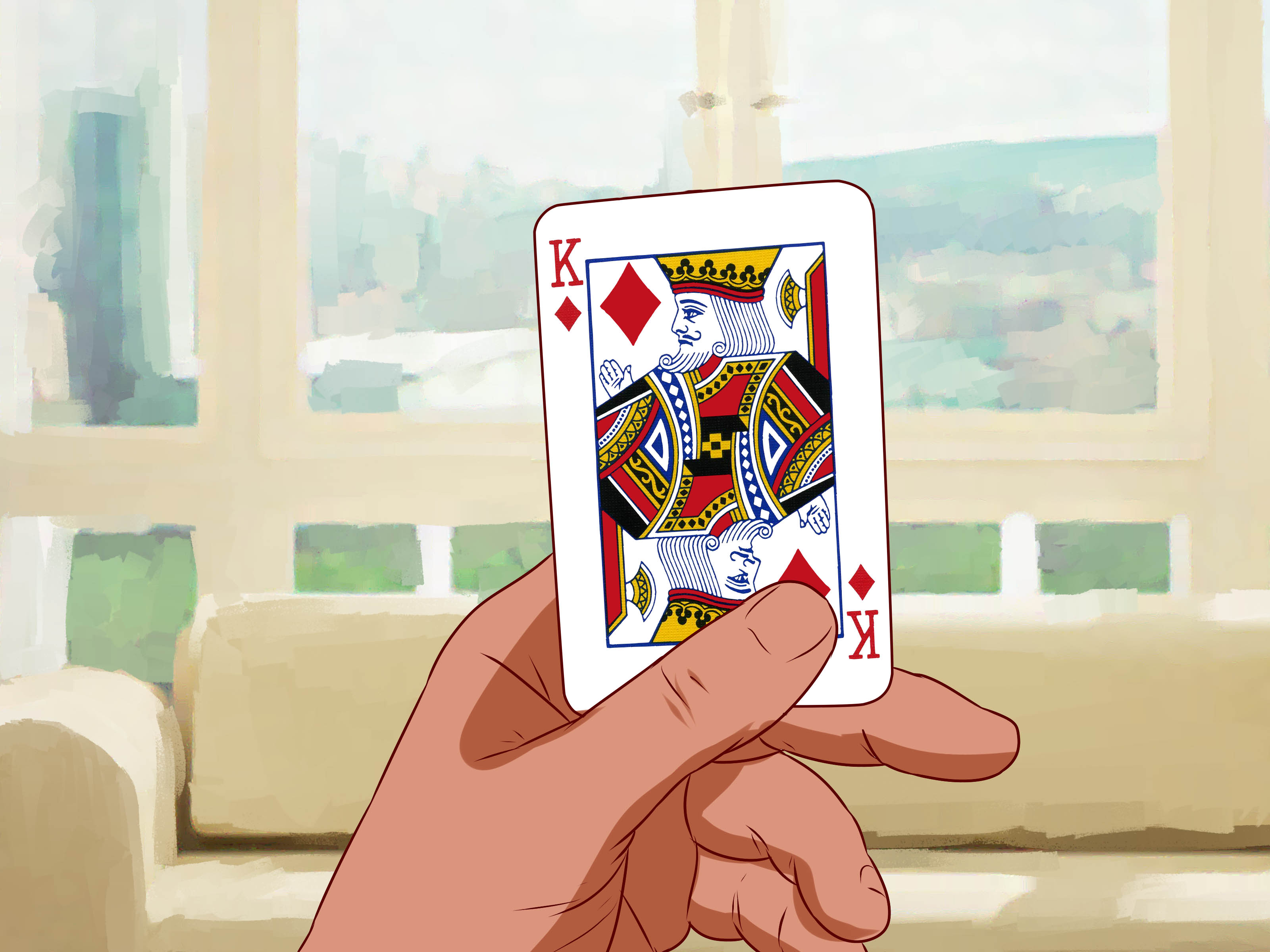
The game works best with 4 to 7 players and one standard 52-card deck. For larger groups, add a second deck so the game does not turn into three people playing cards while everyone else eats chips. Jokers are optional. Beginners should leave them out until everyone understands the basic flow.
Card Ranking
A common ranking from highest to lowest is:
2, Ace, King, Queen, Jack, 10, 9, 8, 7, 6, 5, 4, 3
In many versions, the 2 is the strongest card and can clear the pile. Some groups rank Ace highest and treat 2 as low, but if you are teaching new players, use the 2-high system. It creates tension, makes weak-looking hands dangerous, and gives everyone a reason to stare suspiciously at anyone saving cards too calmly.
Dealing
Shuffle and deal all cards clockwise. Some players may receive one extra card if the deck does not divide evenly. That is fine. The game is literally about unfair social hierarchy, so a tiny deal imbalance is not going to ruin the theme.
How a Turn Works
The first player leads with one card or a set of equal cards: one 5, two 8s, three Queens, and so on. The next player may either play a higher card or matching set of the same size, or pass. Passing is allowed even when you can play. That small rule is where the strategy hides. Sometimes keeping a high card for later is smarter than winning a tiny pile now and looking smug for three seconds.
Way 1: Classic King and Asshole Rules
The classic version is the best way to learn the game. It is fast, fair enough to teach easily, and unfair enough to be funny. Start here before adding special punishments, wild cards, or rules that require a legal department.
Step 1: Start the First Round
For the very first hand, choose a starter randomly, let the player left of the dealer begin, or use the popular rule that whoever has the 3 of Clubs starts. That player may lead with the 3 of Clubs alone or with other 3s if they have them. After the first round, the King usually starts each new hand.
Step 2: Beat the Previous Play or Pass
If a single card is played, only a higher single card can beat it. If a pair is played, only a higher pair can beat it. If three of a kind is played, only a higher three of a kind can beat it. Suits usually do not matter. A pair of 10s beats a pair of 7s. A single Ace beats a single Queen. A single King does not beat a pair of 4s, because confidence is not a rule.
Step 3: Clear the Pile
Play continues around the table until everyone passes after one player’s card or set. The pile is then cleared, and the last person who successfully played starts a new pile with any legal card or set from their hand. This is why controlling the pile matters. If you win a pile, you choose the next shape of battle: singles, pairs, triples, or whatever your hand is begging you to play.
Step 4: Assign Ranks
The first player to run out of cards becomes King for the next round. The second player may become Queen or Vice King. The middle players become Citizens. The next-to-last player may become Vice Asshole. The final player becomes Asshole. In a four-player game, you can use King, Queen, Vice Asshole, and Asshole. In a larger game, add as many middle titles as needed.
Step 5: Exchange Cards Before the Next Round
Before the next hand, the Asshole gives their best card to the King. The King gives back any unwanted card. If you use Vice roles, the Vice Asshole gives one good card to the Queen or Vice King, who returns one unwanted card. Some groups make the Asshole give two cards to the King. This rule makes the hierarchy stronger, which is either hilarious or deeply unfair depending on whether you are wearing the crown.
Way 2: Party King and Asshole
The party version uses the same basic rules, but the ranks come with social privileges. This is the version many adults know from college gatherings, game nights, or that one camping trip where someone used a cooler as a throne. If alcohol is involved, keep it adults-only, optional, and responsible. The game is fun because of the banter, not because anyone proves they can make bad decisions with impressive speed.
Party Roles
The King gets the best seat, starts the round, and may create one light rule for the table. The Queen or Vice King gets second status. Citizens live in the middle, where democracy goes to nap. The Vice Asshole helps with low-ranking duties. The Asshole deals, clears cards, and usually receives the worst seat, which may be a folding chair, floor cushion, or spiritually damaged ottoman.
Sample Party Rules
Good party rules are funny but not cruel. Try rules like “everyone must call the King Your Majesty,” “no pointing,” “players must clap once before playing a 2,” or “anyone who asks whose turn it is must say thank you to the Asshole.” Avoid rules that embarrass people, pressure drinking, or slow the game to a crawl. The best rule makes people laugh and then forget it at exactly the wrong moment.
Party Gameplay Tips
Keep the pace moving. The Asshole should deal quickly, the King should not take five minutes choosing which card to return, and players should pass clearly. Use phrases like “play” or “pass” so the table does not become a courtroom. If someone is new, let them keep a cheat sheet for card ranking. The game is much better when beginners understand what is happening instead of smiling nervously while everyone else yells about a pair of Jacks.
Way 3: Strategic House-Rules King and Asshole
Once your group knows the classic game, house rules turn King and Asshole into a sharper, funnier, and more tactical experience. The key is to add only a few rules at a time. Too many house rules can turn a simple card game into a tax code with face cards.
Rule Option: 2s Clear the Pile
A popular rule says any 2 clears the pile. The player who plays the 2 removes the pile and leads again. This makes 2s extremely powerful. A player holding a 2 can escape trouble, break momentum, or save themselves near the end. To balance it, some groups say you cannot finish your final card with a 2. If you do, you automatically become Asshole. Dramatic? Yes. Memorable? Absolutely.
Rule Option: Doubles, Triples, and Quads Lock the Format
When a player leads a pair, everyone must play pairs. When a player leads triples, everyone must play triples. This is already common in classic play, but strategic groups lean into it. A player with three low cards might lead triples early to drain stronger triples from opponents. A player with many singles might avoid opening pairs and force the table into single-card combat.
Rule Option: Revolution
In the revolution variation, playing four of a kind reverses card ranking. Suddenly 3s become powerful and 2s become weak. Another four of a kind reverses the order again. This rule is excellent for groups that hate seeing the same player stay King forever. It adds a comeback mechanic and gives low cards a secret villain origin story.
Rule Option: Equal Cards Skip
Some groups allow equal-ranked cards to be played on top of each other. If someone plays a 9 and you play another 9, the next player is skipped. This makes timing more important and gives middle cards more power. However, it also changes the traditional “higher card only” rhythm, so explain it before the deal. Nobody enjoys discovering a skip rule after being skipped.
Winning Strategy: How to Avoid Becoming the Asshole
Do Not Waste High Cards Too Early
Beginners often play their highest card at the first opportunity because it feels good. This is like using a fire extinguisher to blow out a birthday candle. Save premium cards for moments when they win control, clear danger, or help you go out.
Watch What Players Pass On
Passing is information. If someone passes on a pair of 6s, they may not have pairs, or they may be saving a better pair. If the King keeps passing while holding half a deck and smiling like a raccoon in a pantry, assume trouble.
Lead From Your Strength
If your hand has several pairs, try to win a pile and lead pairs. If your hand is full of singles, keep the game in singles. If you have triples, wait for the right moment and force a format many players cannot follow. The person who controls the pile controls the conversation.
Go Out Cleanly
Plan your final cards. A hand like 4, 4, King, 2 can be powerful, but only if you create a path to play both the pair and the singles. Do not leave yourself with a lonely low card unless you enjoy watching it become a tiny cardboard anchor.
Common Mistakes New Players Make
The biggest mistake is forgetting that sets must match sets. A pair must be beaten by a higher pair, not a single high card. Another mistake is passing too honestly. You do not have to play just because you can. Passing can be a trap, a bluff, or a smart way to save ammunition. New players also forget the rank exchange before the next round, which is unfortunate because the King definitely will not forget receiving the Asshole’s best card.
Another common problem is overloading the game with too many roles. You do not need King, Queen, Prime Minister, Treasurer, Duke of Snacks, Vice Peasant, and Assistant Regional Asshole in a five-player game. Keep ranks clear so everyone knows the order of play and the card exchange rules.
Experience Notes: What Playing King and Asshole Feels Like in Real Life
The best King and Asshole games usually start casually. Someone says, “It’s easy, you’ll get it after one round,” which is true in the same way assembling furniture is easy after one small emotional collapse. The first hand is full of questions: Can I play this? Are 2s high? Do suits matter? Why is everyone laughing at my pair of 3s? By the second hand, people begin to understand the rhythm. By the third hand, alliances have formed, grudges are active, and someone is calling the couch “the royal chamber.”
What makes the game memorable is not only the rules. It is the rank system. Winning does not just give you points; it gives you status in the next round. Losing does not just hurt your pride; it gives your best card to the person already doing well. That unfairness is the joke and the engine. The game creates tiny social theater. The King acts powerful, the Citizens pretend they are above the drama, and the Asshole plots revenge while dealing cards with theatrical resentment.
In casual family-friendly play, King and Asshole works beautifully as a fast group card game. You can rename the roles King and Jester, President and Citizen, Boss and Intern, or Champion and Rookie if you want a softer tone. The tension remains the same. Everyone wants to shed cards quickly, but nobody wants to spend high cards too early. A quiet player can suddenly win three piles in a row and go out before the loudest strategist realizes what happened.
In party play, the game becomes funnier when rules stay light. A silly title, a goofy throne, or a harmless royal command can make the table laugh without making anyone uncomfortable. The worst party games happen when the King gets too powerful or the rules become mean. The best games feel like a comedy roast where everyone gets a turn holding the microphone. If a rule makes one player stop having fun, throw it out. The deck will survive. So will the monarchy.
Strategically, the game rewards patience. Experienced players do not simply dump cards; they shape the table. They lead pairs when others are weak in pairs. They pass with strong cards to let rivals waste better ones. They save 2s for emergencies. They notice who is almost out and block them by changing the format. A beginner sees a hand of cards. A strong player sees exits, traps, and one deeply satisfying chance to overthrow the King.
The most enjoyable groups also agree on house rules before the first deal. Decide whether 2s clear, whether equal cards skip, whether Jokers are included, how many cards get exchanged, and whether a player can finish on a special card. Write the rules down if needed. Nothing ruins momentum like a ten-minute debate over whether a revolution rule was “obviously implied.” In King and Asshole, chaos is welcome; confusion is optional.
Conclusion
King and Asshole is easy to learn, quick to play, and surprisingly strategic once players understand timing, passing, card control, and rank exchanges. The classic version teaches the core rules. The party version adds personality and table banter. The house-rules version keeps the game fresh with clears, skips, revolutions, and extra roles. Whether you play with royal titles or the traditional President and Asshole names, the goal stays the same: empty your hand, claim the throne, and try not to be the one shuffling in shame next round.