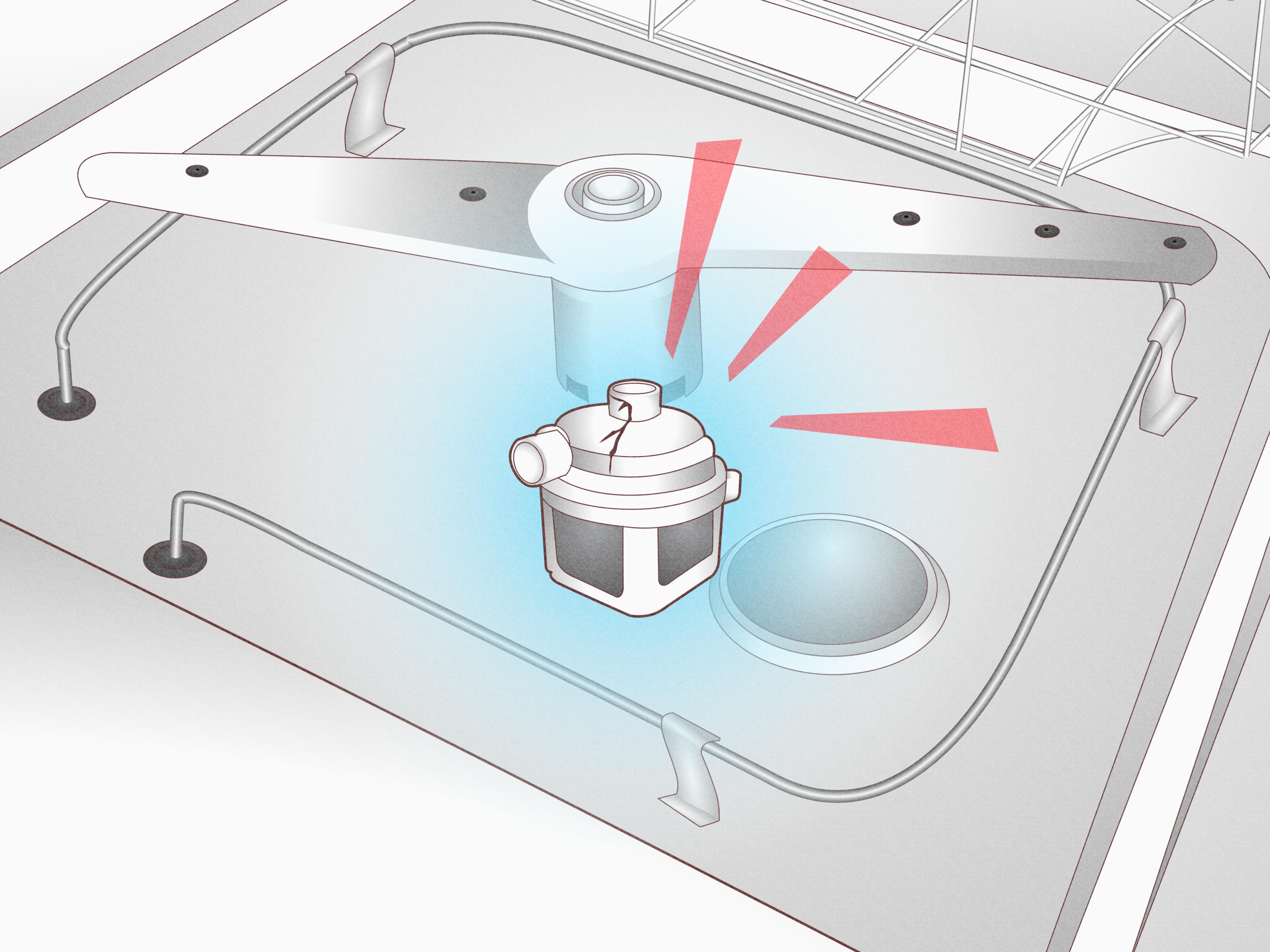
A dishwasher pod that refuses to dissolve is one of those tiny household mysteries that can make you question everything: your appliance, your detergent, your loading skills, and possibly the moral character of the spoon that blocked the soap cup. You open the dishwasher expecting sparkling plates, only to find a gummy detergent blob sitting in the dispenser like it paid rent.
The good news? A dishwasher pod not dissolving usually does not mean your dishwasher is headed for appliance retirement. In most cases, the problem comes down to water temperature, blocked spray, poor loading, a damp dispenser, old detergent, or a cycle that simply was not long or hot enough to do the job. Better yet, many of these fixes take less time than re-washing a sink full of dishes while muttering dramatic things under your breath.
This guide breaks down the seven most common causes of dishwasher pods not dissolving, how to diagnose each one, and what to do before calling a repair technician. We will also cover practical maintenance habits, real-life troubleshooting examples, and a few “please don’t do that” tips that can save your dishes, your dishwasher, and your evening.
Why Dishwasher Pods Need the Right Conditions to Dissolve
Dishwasher pods are designed to release detergent during the main wash cycle. Most pods use a water-soluble outer film that breaks down when it meets hot water and enough spray action. Inside, the detergent ingredients need time, heat, and movement to spread through the tub and attack grease, starch, and dried-on food.
That means a pod is not just a magic cube. It is more like a tiny cleaning employee with very specific workplace requirements. It needs to stay dry before the wash begins. It needs the dispenser door to open freely. It needs hot enough water. It needs spray arms that actually spray. And it needs a cycle long enough to finish the job.
When one of those conditions fails, you may see a pod stuck in the dispenser, a half-melted packet on the bottom of the dishwasher, cloudy glasses, greasy plates, white residue, or dishes that look like they merely enjoyed a light misting rather than a real wash.
Quick Diagnosis: What the Undissolved Pod Is Telling You
Before diving into repairs, look at where the leftover pod is found. If it is still trapped inside the dispenser, the dispenser may be blocked, wet, dirty, or malfunctioning. If it has fallen to the bottom but remains mostly intact, the water may be too cool, the cycle too short, or the spray too weak. If the pod dissolves but leaves gritty residue, hard water, detergent quality, or poor circulation may be the problem.
Also check whether the issue happens every cycle or only sometimes. A one-time detergent blob may be caused by a badly placed cutting board or one rebellious pan handle. A repeated problem points toward temperature, water supply, spray arms, filters, or the dispenser mechanism.
1. The Detergent Dispenser Is Blocked
Why it happens
The most common reason a dishwasher pod does not dissolve is also the simplest: something is blocking the detergent dispenser door. Large plates, cutting boards, pot handles, cookie sheets, or utensils can prevent the soap cup from opening fully. If the dispenser door cannot swing open, the pod stays trapped inside, sulking in a tiny plastic room.
Even if the door opens partway, water may not reach the pod with enough force. A blocked detergent cup means the pod may soften around the edges but never fully dissolve into the wash water.
How to fix it
Load large items along the sides or back of the lower rack instead of directly in front of the dispenser. Make sure pot handles point away from the door. Avoid placing tall trays, oversized bowls, or cutting boards where they can trap the dispenser shut. After loading, gently close the dishwasher door and imagine the dispenser opening during the cycle. If anything would be in the way, move it.
A simple test: before starting the cycle, spin the spray arms by hand and check that the dispenser area has clear space. If the spray arms hit a dish or the soap door is crowded, rearrange the load. Your dishwasher is not asking for interior design perfection, but it does need a little elbow room.
2. The Water Is Not Hot Enough
Why it happens
Dishwasher detergent pods dissolve best in hot water. If the water entering the dishwasher is too cool, the pod’s outer film may dissolve slowly, and the detergent may not activate properly. This is especially common when the dishwasher starts before hot water reaches the kitchen line.
Many modern dishwashers can heat water internally, but they still perform better when the incoming water is already warm. If your dishwasher is far from the water heater, the first part of the cycle may fill with lukewarm water. That is not ideal for a detergent pod that came ready for battle.
How to fix it
Before starting the dishwasher, run the hot water at the kitchen sink until it feels hot, then start the cycle. This helps clear cool water from the line so the dishwasher begins with warmer water. You can also use a kitchen thermometer to check the hot water temperature at the sink. Many dishwasher guides recommend water around 120°F for effective cleaning while still being mindful of scalding risks.
If your dishwasher has a “High Temp,” “Sanitize,” or “Heavy” option, try using it when pods are not dissolving. Avoid relying on very short or eco-only cycles for greasy or heavily soiled loads, because those settings may use less heat or shorter wash times.
3. The Pod or Dispenser Got Wet Too Early
Why it happens
Dishwasher pods are meant to stay dry until the cycle begins. If you handle a pod with wet hands or place it into a damp dispenser cup, the outer film can start dissolving before the door closes. That sticky film may glue the pod to the dispenser wall, preventing it from dropping or washing away properly.
This is one of those problems that feels unfair because you are technically using the dishwasher correctly. But pods are dramatic about moisture. A few drops of water can turn a neat little packet into a clingy detergent marshmallow.
How to fix it
Dry your hands before grabbing a pod. Wipe the detergent dispenser cup with a dry cloth if it is wet from a previous cycle or from loading damp dishes. Add the pod only when you are ready to start the dishwasher, not an hour before dinner cleanup is officially over.
Store pods in their original container or a sealed container in a cool, dry place. Avoid keeping them under a leaky sink, beside a steamy dishwasher vent, or anywhere humid. If pods are stuck together in the container, feel squishy, or look swollen, moisture has probably already compromised them.
4. The Detergent Is Old, Clumpy, or Poor Quality
Why it happens
Dishwasher detergent does not stay perfect forever. Over time, pods can absorb moisture, lose cleaning power, or harden. Powdered detergent can clump. Tablets can become chalky. Even premium pods can perform badly if they have been stored in humid conditions or kept long after opening.
Old detergent may not dissolve evenly, and it may leave residue on dishes or inside the dispenser. If the dishwasher suddenly behaves better after you switch to a fresh package, congratulations: you have solved the mystery without needing a screwdriver.
How to fix it
Use fresh automatic dishwasher detergent and close the container tightly after each use. Do not store pods loose in a decorative jar unless the jar seals well and stays dry. Pretty containers are nice, but your detergent does not care about your kitchen aesthetic if humidity is sneaking in like a tiny villain.
If you suspect the pods are the problem, run one cycle with a new package from a reputable brand. You can also try a high-quality tablet or powder recommended for your dishwasher and water conditions. If the new detergent dissolves correctly, the old pods were likely past their prime or exposed to moisture.
5. Spray Arms Are Clogged or Not Spinning
Why it happens
Dishwasher pods need water movement to dissolve and distribute detergent. Spray arms push water around the tub, rinse food particles away, and help detergent reach every surface. If the spray arm holes are clogged with food debris, mineral scale, seeds, labels, or tiny bits of mystery kitchen confetti, the pod may not get enough water pressure.
Spray arms can also stop spinning if a tall item blocks them. When that happens, the dishwasher may fill and drain normally but still clean poorly. It is basically doing the appliance version of waving politely instead of washing aggressively.
How to fix it
Open the dishwasher and spin each spray arm by hand. They should rotate freely without hitting dishes, racks, or utensils. Remove any obvious blockages. If your manual allows it, take out the spray arms and rinse them under running water. Use a toothpick or soft brush to clear clogged spray holes, but be gentle so you do not damage the plastic.
Also check the filter. A dirty filter can reduce water circulation and leave debris floating around the tub. Clean the filter according to your dishwasher manual, usually by removing it, rinsing it under warm water, and brushing away buildup. A clean filter helps the entire wash system perform better, including detergent dissolving.
6. The Cycle Is Too Short or Too Gentle
Why it happens
Quick cycles are convenient, but they are not always pod-friendly. Some short cycles use less time, less heat, or less water movement. If you choose a quick wash for a full load of greasy dishes, the pod may not have enough time to dissolve completely and do its job.
Eco cycles can also be confusing. They save energy and water, which is great, but they may use lower temperatures or longer soaking patterns depending on the machine. Some pods work well in eco cycles; others perform better with normal or heavy wash settings.
How to fix it
Use the normal cycle for everyday loads and the heavy cycle for pots, pans, baked-on food, or dishes that look like they survived a casserole explosion. If pods repeatedly fail on quick wash, reserve that cycle for lightly soiled dishes and try liquid or powder detergent if your manual permits it.
Read your dishwasher manual to see where pods should be placed and which cycles are recommended for detergent tablets or packets. Some machines have a specific tablet tray or dispenser design, while others rely on the main detergent cup.
7. Low Water Fill, Hard Water, or Mechanical Problems
Why it happens
If the dishwasher is not filling with enough water, the pod may not dissolve because there simply is not enough water to soften and distribute it. Low water fill can come from a kinked inlet hose, a partially closed water valve, a clogged inlet screen, or a failing water inlet valve.
Hard water can also interfere with cleaning. Minerals such as calcium and magnesium can leave white film, clog spray holes, and reduce detergent performance. If your glasses look cloudy, your dishes feel gritty, or the dishwasher has chalky buildup, hard water may be part of the story.
Finally, a faulty dispenser, weak circulation pump, broken heating element, or control issue can keep pods from dissolving even when you load correctly and use fresh detergent. These problems are less common than loading or temperature mistakes, but they do happen.
How to fix it
First, check simple water supply issues. Make sure the dishwasher water valve is fully open and the inlet hose is not kinked behind the machine. Listen during the fill portion of the cycle. If the dishwasher sounds unusually quiet, stops early, or leaves dishes dry in some areas, low water fill may be involved.
For hard water, use rinse aid, clean the dishwasher regularly, and consider a dishwasher cleaner designed to remove mineral buildup. In areas with very hard water, a water softener or detergent formulated for hard water can make a noticeable difference.
If you have checked loading, temperature, detergent freshness, spray arms, filters, and cycle selection but the pod still does not dissolve, it may be time to call an appliance technician. Avoid disassembling electrical or plumbing components unless you know what you are doing and have followed the safety instructions in your manual.
Should You Put the Dishwasher Pod in the Bottom of the Dishwasher?
Usually, no. Most dishwasher pods should go in the detergent dispenser, not loose in the tub or silverware basket. The dispenser is designed to release detergent at the correct point in the wash cycle. If the pod sits loose in the dishwasher, it may dissolve during the pre-wash and disappear before the main wash begins. Then your dishes get a warm bath with very little cleaning power, which is relaxing for them but not useful for you.
There are exceptions if your dishwasher manual specifically tells you to place tablets in a special tray or location. Always follow the instructions for your model and the detergent package. But as a general rule, the dispenser exists for a reason. Let it have its moment.
Preventing Dishwasher Pods from Not Dissolving Again
Once you fix the immediate problem, a few habits can keep it from returning. Keep the dispenser dry before adding the pod. Load dishes so the detergent cup and spray arms are not blocked. Run hot water at the sink before starting the dishwasher, especially if your kitchen is far from the water heater. Use fresh detergent and store it somewhere dry. Clean the filter regularly and inspect spray arms for clogs.
It also helps to match the cycle to the mess. A quick wash may be fine for lightly used cups and plates, but a lasagna pan deserves a normal or heavy cycle. Dishwashers are good, but they are not sorcerers. Give them the right cycle and they will stop making you re-wash forks like it is 1987.
Real-Life Experiences: What People Often Discover When a Dishwasher Pod Will Not Dissolve
In everyday kitchens, the cause of a dishwasher pod not dissolving is often embarrassingly ordinary. One of the most common discoveries is a pan handle blocking the dispenser door. The dishwasher owner may spend a week blaming the detergent brand, the water heater, and the appliance manufacturer, only to realize one skillet has been parking directly in front of the soap cup like a security guard.
Another frequent experience involves the wet dispenser problem. Many people unload clean dishes, reload dirty ones, toss a pod into the still-damp soap cup, and start the dishwasher later. By then, the pod has softened just enough to stick. The next cycle ends with a gummy pod half-melted in place. Once they start wiping the dispenser dry and handling pods with dry hands, the issue disappears. It is a small habit, but it can feel like discovering a secret cheat code.
Water temperature is another sneaky culprit. In homes where the kitchen sink takes a long time to get hot, the dishwasher may begin with cool water. People often notice that pods dissolve better when they run the sink hot first. This does not mean you need to turn your kitchen into a steam room. It simply means the dishwasher starts with warmer water instead of spending the first part of the cycle politely waiting for heat to arrive.
Some households discover that the problem started after switching detergent brands. Pods vary in formula, size, casing, and how they respond to different cycles and water conditions. A pod that works beautifully in one dishwasher may perform poorly in another, especially on short cycles or in hard water. Trying a fresh package or a different detergent format can quickly separate an appliance problem from a detergent problem.
Hard water stories are especially common in areas with mineral-heavy water. The dishwasher may technically dissolve the pod, but dishes still come out with film, grit, or white spots. The owner thinks the pod failed, when the bigger issue is mineral buildup and reduced detergent performance. Cleaning the dishwasher, using rinse aid, and addressing hard water can make the machine seem almost new again.
Then there are spray arm surprises. A tiny seed, piece of plastic label, or food fragment can clog spray holes. Sometimes a tall utensil drops through the rack and blocks a spray arm from spinning. The machine runs, makes noise, drains, and looks productive, but the water is not reaching the detergent properly. A quick spin test before running the cycle can prevent this. If the spray arm bumps into something, the load needs rearranging.
The most useful experience-based lesson is this: do not assume the worst first. A dishwasher pod that does not dissolve is usually a symptom, not a disaster. Start with the easy checks: dry dispenser, clear soap door, hot water, fresh pod, free-spinning spray arms, clean filter, and the right cycle. If those do not solve the problem, then investigate water fill or mechanical issues. Troubleshooting in that order saves money, time, and unnecessary appliance drama.
When to Call a Professional
Call a technician if the dishwasher is not filling with water, does not heat, stops mid-cycle, makes unusual grinding noises, leaks, or repeatedly leaves pods undissolved after you have ruled out loading, detergent, cycle, and maintenance issues. A failed water inlet valve, circulation pump, heating element, dispenser latch, or control board can require professional diagnosis.
Also call for service if you smell burning, see damaged wiring, or notice water pooling under the dishwasher. Those are not “try one more cycle and hope” situations. That is your appliance waving a little red flag.
Conclusion
A dishwasher pod not dissolving can be annoying, but it is usually fixable. In most cases, the solution is not a new dishwasher; it is better loading, hotter starting water, a dry dispenser, fresh detergent, clean spray arms, a clean filter, or a more appropriate cycle. Start with the simple fixes before assuming the machine has joined a rebellion.
Think of your dishwasher as a tiny water park for dishes. The pod needs a clear entrance, hot water, good spray pressure, and enough ride time. Give it those conditions, and your plates should come out clean instead of wearing detergent residue like a bad facial mask.

