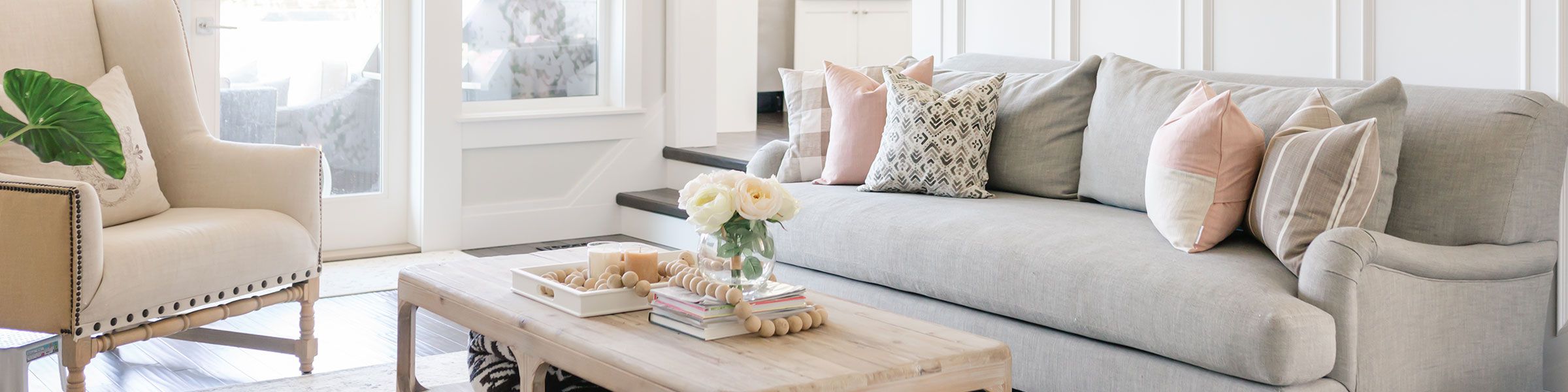
Decorating your home shouldn’t feel like you’re taking a final exam in “Throw Pillow Theory.”
The goal isn’t perfectionit’s a space that feels like you. This guide breaks down the
most popular decorating styles and themes, how they differ, and how to mix them without your
living room looking like it lost a bet at a furniture showroom.
Style vs. Theme: What’s the Difference?
People often use decorating style and decorating theme like they’re the same thing.
They’re related, but they’re not twinsmore like cousins who borrow each other’s clothes.
Decorating style = the design language
A style is the “how” of a room: furniture shapes, materials, finishes, architectural details,
and overall design rules. Think of style like grammar. It determines whether your room speaks in clean modern
sentences or tells long, cozy traditional stories with commas, semicolons, and a chandelier.
Decorating theme = the story or vibe
A theme is the “what” and “why” of the space: the mood, inspiration, or narrative you want
to feellike coastal, Parisian, cabin retreat, botanical, or retro diner.
Themes can sit on top of many styles.
Example: You can have a modern style living room with a coastal theme
(sleek lines + sand/sea colors + linen textures). Or a traditional style with a coastal theme
(classic furniture + striped patterns + weathered finishes). Same theme, different “grammar.”
The Building Blocks That Make Any Style Work
Styles and themes change. The basics don’t. If your room feels “off,” it’s usually because one of these
core pieces is missingnot because you picked the wrong shade of greige (although… greige has feelings too).
1) Color palette (the shortcut to cohesion)
Start with 3–5 core colors and repeat them across the room. A classic approach is the
60–30–10 balance: dominant color, secondary color, and an accent color. It’s not a law
it’s more like bumpers in a bowling lane. You can still get a strike, but the rails help.
- 60%: walls, large rugs, big furniture (your “background”)
- 30%: curtains, side chairs, bedding, medium pieces
- 10%: art, pillows, decor objects, small “pop” moments
2) Texture layering (the difference between “done” and “flat”)
Texture is how you keep neutrals from feeling boring and bold colors from feeling loud. Mix
smooth and rough, soft and structuredlinen, wool, leather, wood grain, metal, ceramic, stone.
Even a monochrome room looks rich when it has texture variety.
3) Scale and proportion (a.k.a. “Why does my room feel weird?”)
A tiny rug floating in the middle of a room can make furniture look like it’s avoiding commitment.
Aim for rugs that anchor the seating area (at least front legs of sofas/chairs on the rug).
Balance big pieces with medium and small ones, and vary heightslow tables, taller lamps, vertical art.
4) Lighting layers (because one ceiling light is not a personality)
Most rooms need three layers: ambient (overall), task (reading/cooking),
and accent (art, shelves, mood). A mix of floor lamps, table lamps, sconces, and warm bulbs
makes even budget decor look more intentional.
5) A repeatable “signature” element
Choose one design detail to repeat 3+ times: a metal finish (black/brass/nickel), an arch shape,
a color, a wood tone, or a pattern. This repetition is how “eclectic” becomes “curated” instead of “confused.”
Quick cheat sheet: Style cues at a glance
| If you want… | Look for… | Avoid… |
|---|---|---|
| Calm + airy | Light woods, warm whites, simple silhouettes | Too many tiny decor pieces (visual noise) |
| Cozy + collected | Layered textiles, mixed patterns, vintage accents | Matching furniture sets (can feel flat) |
| Bold + dramatic | Deep colors, statement lighting, strong contrast | All-neutral everything (unless texture does the heavy lifting) |
| Clean + modern | Streamlined furniture, minimal ornament, open space | Too many ornate details fighting the simplicity |
15 Popular Decorating Styles (and How to Spot Them)
You don’t need to memorize design vocabulary to decorate wellbut knowing the “tells” helps you shop smarter.
Here are the big styles you’ll see across American homes, magazines, andlet’s be honestyour algorithm.
1) Modern
Modern typically points to early-to-mid 20th century design ideas: clean lines, functional forms,
and a “less fuss, more function” attitude. Expect simple furniture profiles, warm woods, and purposeful negative space.
Modern rooms often feel grounded, uncluttered, and quietly confidentlike they do Pilates but don’t brag about it.
2) Contemporary
Contemporary means “of the moment.” It borrows from modern, minimal, and even traditional elements,
depending on what’s current. You’ll see mixed materials (wood + metal + stone), clean silhouettes, and updated colors.
Contemporary spaces often feature statement lighting and a balanced, polished lookfresh without feeling cold.
3) Traditional
Traditional leans classic: elegant furniture, detailed woodwork, layered textiles, symmetry,
and refined patterns (plaids, stripes, florals). Think timeless rather than trendy. If your room feels like it could
host a holiday dinner without panicking, traditional might be your lane.
4) Transitional
Transitional is the diplomat of decorating styles: it blends traditional comfort with modern simplicity.
Expect neutral palettes, streamlined classics, and a focus on texture over busy pattern. A transitional living room might
pair a tailored sofa with a modern coffee table, then soften everything with cozy throws and warm woods.
5) Farmhouse
Farmhouse celebrates comfort and practicality with rustic materials (wood, stone), simple forms,
and vintage-inspired pieces. You’ll often see shiplap or beadboard, apron-front sinks, open shelving, and lived-in textiles.
The key is warmthnothing should feel too precious to actually sit on.
6) Modern Farmhouse
Modern farmhouse tightens farmhouse’s silhouette: cleaner lines, fewer frills, and more contrast.
Picture black metal accents, simplified cabinetry, neutral walls, and rustic wood elements used as highlights rather than
“every surface must look like a barn door.” Cozy, but edited.
7) Scandinavian
Scandinavian design favors light, function, and warmth: pale woods, soft neutrals, simple shapes, and
practical pieces that still feel inviting. Add natural textiles, minimal window treatments, and a few well-chosen objects.
It’s minimalism with a sweater on.
8) Mid-Century Modern
Mid-century modern features iconic silhouettestapered legs, organic curves, geometric forms, and warm woods
like walnut or teak. Colors can lean earthy or playful (mustard, olive, rust, teal). A mid-century room often mixes clean
structure with a bit of retro charm, especially in lighting and furniture shapes.
9) Industrial
Industrial takes cues from warehouses and factories: exposed materials, metal and wood combinations,
concrete tones, visible hardware, and utilitarian lighting. To keep it from feeling like a parking garage, add softness:
upholstered seating, textured rugs, and warmer wood tones.
10) Coastal
Coastal is breezy and relaxedthink light neutrals, blues and greens, airy fabrics, and natural materials
like rattan, jute, and light woods. The best coastal rooms feel like fresh air, not like a gift shop exploded into a living room.
Hint: one well-placed shell bowl is charming; seventeen is a marine biology dissertation.
11) Bohemian (Boho)
Boho is eclectic, layered, and personalmixing patterns, global-inspired textiles, vintage finds, plants,
and handmade details. It thrives on collected pieces and creative combinations. The secret to boho that looks intentional:
repeat a few colors, keep one consistent metal finish, and use neutrals to give your eyes a place to rest.
12) Japandi
Japandi blends Japanese calm (wabi-sabi simplicity) with Scandinavian warmth. Expect low-profile furniture,
natural woods, neutral palettes, and fewer but better objects. Japandi rooms feel serene, functional, and quietly luxurious
like your home just learned how to exhale.
13) Art Deco
Art Deco is glam with geometry: bold shapes, symmetry, high-contrast colors, lacquer finishes, mirrored
surfaces, and metallic accents (especially brass). Think statement lighting, curved forms, and a hint of dramabecause subtlety
is lovely, but sometimes you want your bar cart to sparkle like it has a publicist.
14) Minimalist
Minimalist design is about clarity: fewer objects, cleaner lines, and purposeful negative space.
It’s not “empty”it’s curated. Minimalist rooms rely heavily on quality materials and texture so the space doesn’t feel sterile.
If you love calm visuals and easy cleaning, this style may be your soulmate.
15) Maximalist / Eclectic
Maximalist and eclectic spaces embrace color, pattern, art, and personalityoften in bold combinations.
The difference between “maximalist” and “mess” is structure: a consistent palette, repeated motifs, thoughtful layering, and
editing. Yes, maximalism still edits. It just edits while wearing sequins.
Decorating Themes You Can Layer Onto (Almost) Any Style
Themes are the mood-setting soundtrack. You can apply them to modern, traditional, or eclectic homesjust adjust the materials
and shapes to match your base style.
Coastal (relaxed, bright, natural)
- Palette: sand, warm white, sea glass green, soft navy
- Materials: linen, cotton, jute, rattan, light oak
- Easy win: swap heavy drapes for lighter curtains; add woven textures
Modern Desert (warm minimalism)
- Palette: clay, terracotta, camel, cream, muted olive
- Materials: plaster texture, leather, raw woods, stone
- Easy win: introduce earthy ceramics and a warm-toned rug
Botanical (fresh, layered, alive)
- Palette: greens + neutrals + one floral accent color
- Materials: natural fibers, wood, woven baskets
- Easy win: add plants in matching pots; repeat leaf shapes in art/textiles
Vintage Glam (old Hollywood energy)
- Palette: jewel tones, black/white contrast, metallics
- Materials: velvet, brass, mirror, marble-look surfaces
- Easy win: upgrade lighting and add one statement mirror
Cabin / Lodge (cozy and grounded)
- Palette: warm neutrals, forest greens, deep browns
- Materials: wool, leather, wood grain, plaid patterns
- Easy win: layer throws and use warmer bulbs for glow
European-Inspired (Parisian, English, Mediterranean)
- Palette: warm whites + muted colors; sometimes richer accents
- Materials: aged wood, linen, stone, classic patterns
- Easy win: add a vintage-style frame, a classic lamp, and textured curtains
How to Mix Decorating Styles Without Starting a Design Civil War
Mixing styles is normalmost homes are a blend. The trick is choosing a “lead singer” style and letting the rest harmonize.
Use the 80/20 rule
Pick one dominant style for about 80% of the big pieces (sofa, rug, bed, dining table).
Use the remaining 20% for contrast (lighting, side chairs, art, accessories).
Example: a mostly modern room with one traditional antique dresser becomes “collected,” not “confused.”
Match finishes, not eras
You can mix a vintage chair with a modern sofa if they share somethingsimilar wood tone, similar fabric texture,
or the same metal finish. Finish repetition is glue.
Keep one element consistent across rooms
If your living room is warm and earthy but your bedroom is cool and crisp, a repeated detail (black accents, oak wood tone,
or a consistent wall color) helps the house feel cohesive instead of like it’s wearing mismatched socks on purpose.
Edit “theme props” aggressively
Themes work best when they’re suggested, not shouted. Coastal doesn’t require anchors; farmhouse doesn’t require rooster art.
Choose a few theme cues (color + texture + one signature object) and stop there. Your space can imply a vibe without cosplaying it.
Quick Room Playbooks: Make the Style Obvious in 3 Moves
Living room
- Anchor: choose a rug that sets the tone (pattern for traditional/boho, solid/texture for modern/japandi).
- Statement: add one standout light fixture or one large art piece (not five medium pieces arguing).
- Layer: pillows + throw + a textured element (basket, plant, ceramic) to add depth.
Bedroom
- Headboard decision: upholstered (traditional/transitional), wood slab (scandi/japandi), metal (industrial/vintage).
- Bedding layers: crisp + simple for minimalist; mixed textures for cozy farmhouse; bold pattern for maximalist.
- Nightstand styling: lamp + book + one personal object (keep it tight).
Kitchen & dining
- Hardware and lighting: swap knobs/pulls and add a pendantbig impact, less commitment.
- Texture: stools, runners, or woven shades introduce warmth fast.
- One “character” piece: a vintage hutch, bold art, or a special bowl collection.
Bathroom
- Mirror: the easiest style signal (arched for classic, sharp-edged for modern, ornate for vintage).
- Textiles: upgrade towels and a bath mat that match your palette.
- Small accents: tray, candle, and one plantspa vibes without spa pricing.
Common Decorating Mistakes (and Easy Fixes)
Mistake: Buying everything at once
Fast rooms often look… fast. Instead, start with the biggest pieces and let the smaller items evolve. This also saves money
because you won’t impulse-buy 12 vases and later realize you only like two of them.
Mistake: Too many small decor items
Small items can create clutter quickly. Group objects in odd numbers (3 or 5), vary heights, and leave breathing room.
One larger piece often looks calmer than ten tiny ones.
Mistake: Ignoring undertones
Whites aren’t just white. Woods aren’t just wood. If your room feels “off,” check undertones: warm vs. cool.
Aligning undertones across paint, floors, and large furniture makes everything feel more expensiveeven if it wasn’t.
Mistake: Furniture shoved against every wall
Give pieces space. Pull the sofa forward a few inches, anchor with a rug, and create a conversation area.
Your room shouldn’t look like it’s trying to avoid a social interaction.
Conclusion: Choose a Style, Then Make It Yours
Decorating styles and themes are tools, not rules. A style gives you structure; a theme gives you mood.
The best rooms mix both with practical basicscolor balance, texture, scale, and layered lightingthen add personality through
art, meaningful objects, and lived-in comfort. If you remember one thing, make it this:
cohesion comes from repetition and editing, not from buying a matching set.
Start small: pick a palette, choose a lead style, layer in texture, and let the room grow over time.
Your home doesn’t need to look like everyone else’sit just needs to feel like the place you exhale.
Real-World Decorating Experiences: What Actually Works (500+ Words)
Here’s what tends to happen in real homeswhere people have pets, kids, roommates, laundry piles, and a strong emotional attachment
to that one chair that’s “not cute but it’s comfortable.” Most decorating journeys don’t begin with a perfect plan.
They begin with one of these sentences: “This room feels weird,” “Why is my living room echoing?” or “I swear this beige is judging me.”
Experience #1: The “I moved in and everything is temporary” phase
A lot of people start by avoiding commitment: cheap rugs, random side tables, and a sofa chosen mostly because it arrived fastest.
The fix is usually not “buy everything new.” It’s choosing one anchoring decisiona rug size that actually fits,
a consistent metal finish, or a paint color that makes the space feel intentional. Once that anchor exists, even mismatched pieces
look like a style choice instead of an accident.
Experience #2: The “open concept” puzzle
Open-plan spaces can feel like one giant undecorated sentence. People often try to “solve” it with more furniture, but the better move
is creating zones using rugs, lighting, and furniture orientation. A dining pendant defines the dining area.
A large rug defines the living area. A console table behind the sofa creates a boundary without building a wall.
This is also where repeating a palette matters mostbecause the eye can see everything at once.
Experience #3: Mixing styles because life is mixed
Many homes are a blend for practical reasons: one person loves modern minimalism, another loves cozy traditional. Or someone inherits
a set of vintage dining chairs they genuinely love. The spaces that feel best usually follow one pattern:
the big pieces stay consistent, and the personality shows up in the layers.
For example, a mostly transitional room (neutral sofa, classic rug) can happily host a mid-century coffee table and modern art.
Or a modern base (clean sofa, simple curtains) can feel warm with a traditional antique dresser and textured linens.
Experience #4: The “why does my room look cheaper than the inspo photo?” moment
This is incredibly commonand the answer is usually lighting and texture, not budget. Real spaces often have one overhead light,
flat curtains, and too few tactile layers. When people add two lamps (not matching), a textured throw, and curtains that actually reach
the floor, the room shifts fast. The second big difference is scale: inspiration photos use properly sized rugs and fewer, larger decor items.
Swapping ten tiny accents for one larger art piece can instantly make a room feel calmer and more “designed.”
Experience #5: Decorating around real habits (the most underrated strategy)
The best rooms fit how people live. Someone who reads nightly benefits from a comfortable chair, a lamp, and a small tablemore than
another decorative object. A household that hosts friends needs flexible seating and surfaces for snacks. A family with kids may choose
performance fabrics and storage that looks like furniture (baskets, ottomans, built-ins). When decorating aligns with daily life,
the room stays tidy more easilybecause the setup supports the behavior.
The most successful decorating experience usually isn’t “I found my style and executed it perfectly.” It’s:
“I chose a direction, I made a few smart foundational choices, and I kept refining.” Styles and themes are helpful labels, but your home
doesn’t need to pass a label test. It needs to work, feel good, and have enough personality that guests can tell a human lives there.