Some obsessions arrive politely. A new candle. A perfect mug. A playlist that makes Tuesday feel slightly less like a spreadsheet with shoes on. Others kick down the door wearing mismatched socks and announce, “Congratulations, you now care deeply about tiny ceramic fruit, checkerboard floors, fermented vegetables, and the emotional architecture of your hallway.” Welcome to the strange, charming universe of unexpected obsessions.
Today’s most interesting lifestyle trends are not always the sleekest, newest, or most expensive. In fact, many of the things capturing attention right now are oddly humble: handmade objects, theatrical little rooms, analog hobbies, vintage textures, personal rituals, tiny collections, imperfect interiors, and wellness habits that feel less like punishment and more like pleasure. The current mood is not “buy this because everyone has it.” It is “why does this weird little thing make my life feel more alive?”
That is the power of the unexpected. It interrupts routine. It gives taste a sense of humor. It turns a corner of the house, a weekend activity, or a once-ignored object into a tiny source of delight. And honestly, in a world that often feels optimized within an inch of its life, a little odd delight is not just welcome. It may be necessary.
Why Unexpected Obsessions Are Having a Moment
For years, lifestyle culture seemed obsessed with polish: white kitchens, neutral wardrobes, perfect morning routines, and homes so minimal they looked like nobody had ever spilled salsa in them. That look still has its fans, but a growing number of people are craving spaces and habits that feel warmer, stranger, and more personal.
The shift makes sense. When daily life becomes crowded with screens, schedules, and constant updates, people often look for grounding in tangible things. A handmade bowl. A wall painted a risky color. A family recipe. A small collection of objects that would look ridiculous to a minimalist but meaningful to the person who owns them. These are not just “things.” They are proof of personality.
Unexpected obsessions also offer a gentle rebellion against algorithmic sameness. If everyone is being shown the same products, the same rooms, the same “must-have” aesthetic, then the truly exciting choice is something slightly offbeat. A red lamp in a blue room. A vintage hook used as shoe storage. A bathroom that looks like a tiny opera set. A hobby that makes no sense on paper but makes perfect sense to your nervous system.
The New Appeal of Meaningful Clutter
Clutter used to be the villain. It was the before photo. It was the thing you were supposed to conquer with bins, labels, and a heroic Sunday afternoon. But the new version of clutter is more intentional. Think curated shelves, sentimental trinkets, travel finds, inherited dishes, framed postcards, handmade ceramics, and tiny objects that carry stories.
This is not about letting chaos build a vacation home on your coffee table. It is about choosing objects with emotional gravity. The best unexpected collections feel personal instead of random. A bowl of matchbooks from favorite restaurants. A row of old glass bottles on a windowsill. A stack of art books that actually gets opened. A tiny carved animal that has no job except to make you smile while you look for your keys.
Trinkets Are Back, and They Brought Personality
One of the funniest and sweetest current obsessions is the return of tiny objects. Vintage keychains, ceramic miniatures, toy-like charms, little shells, old pins, and pocket-size keepsakes are suddenly interesting again. Part of the appeal is nostalgia. Another part is affordability. But the deeper appeal is storytelling.
A trinket does not need to be impressive. It needs to be specific. The chipped ceramic strawberry from a flea market may say more about a person than a perfectly styled console table. Small objects invite conversation, and conversation is an underrated design feature. A room with stories beats a room with only matching accessories every time.
Homes Are Becoming More Theatrical
Unexpected obsession number two: drama, but make it domestic. People are getting bolder with rooms that used to be ignored. Powder rooms, hallways, laundry corners, and guest bathrooms are becoming tiny stages for color, pattern, and surprise. The logic is simple: if a space is small, why not let it be memorable?
A theatrical bathroom might use dark paint, vintage mirrors, patterned wallpaper, warm lighting, or stone textures that make brushing your teeth feel like a scene from a moody independent film. A hallway might become a gallery. A pantry might get a curtain. A laundry room might suddenly have wallpaper bold enough to wake the socks.
The Power of the “Unexpected Room”
The most delightful homes often have one moment that catches visitors off guard. It could be a ceiling painted a deep green, a striped floor, a thrifted chandelier in a casual kitchen, or a wildly patterned nook behind a quiet door. These moments work because they are not trying to please everyone. They are trying to please the people who live there.
That is the secret. Unexpected design is not randomness. It is confidence. It says, “Yes, this color is bold. Yes, that chair looks like it has opinions. No, the tiny brass snail is not leaving.”
Handmade Objects Are Becoming Future Heirlooms
Another obsession gaining emotional weight is the desire to create or own things that feel lasting. Handmade linens, embroidered jackets, painted ceramics, knitted blankets, beaded jewelry, family recipe books, and repaired furniture all fit into this movement. The phrase “future heirloom” captures it well: objects made today with the hope that they will still matter tomorrow.
This is partly a reaction against disposable culture. People are tired of buying things that look tired before the credit card statement arrives. Handmade objects feel slower. They carry the marks of effort, and that effort becomes part of their beauty.
Even imperfect handmade pieces have a charm that mass-produced objects cannot fake. A slightly uneven mug is not a flaw; it is evidence that a human hand was involved. A quilt with one odd square becomes a family legend. A hand-painted dish may not match the rest of the table, but it brings the table to life.
Wellness Is Getting Less Serious, Thank Goodness
For a while, wellness sounded like a part-time job with expensive leggings. Track everything. Optimize everything. Wake up before the sun and become a lightly moisturized machine. That approach still appeals to some people, but a softer, more joyful version of wellness is gaining ground.
The unexpected obsession here is pleasure. Not reckless pleasure, not “eat cake for breakfast and email your boss a raccoon GIF” pleasure, but sustainable pleasure. Walks without podcasts. Cooking because it smells good. Stretching because your shoulders have been auditioning for the role of concrete. Resting without turning rest into another performance metric.
Analog Rituals Feel Fresh Again
Analog habits are having a quiet comeback because they make time feel real. Writing in a notebook, arranging flowers, making tea, reading physical books, doing puzzles, swapping small objects with friends, or taking a walk without checking notifications can feel unexpectedly luxurious. These rituals do not require perfection. They require attention.
In that sense, the obsession is not really with the activity itself. It is with the feeling it creates: a small pocket of life that cannot be scrolled, ranked, or automatically updated.
Micro-Hobbies Are the New Big Personality Move
Not every hobby needs to become a brand, a side hustle, or a 12-part content strategy. One of the healthiest unexpected obsessions is the rise of micro-hobbies: small creative pursuits done for fun, not productivity. Pressing flowers. Learning one bread recipe. Growing herbs on a windowsill. Collecting old postcards. Mending clothes. Making playlists for imaginary dinner parties. These hobbies are delightfully low-stakes.
The beauty of a micro-hobby is that it fits into real life. You do not need a studio, a certificate, or a dramatic origin story. You need curiosity and a little time. The reward is not mastery. The reward is noticing.
Micro-hobbies also help people reconnect with their own taste. When you choose a hobby nobody assigned to you, you learn what you actually enjoy. Maybe you discover that you love arranging fruit in bowls. Maybe you become alarmingly passionate about fountain pens. Maybe you learn that your true calling is making soup on rainy afternoons. There are worse fates.
The Return of Lived-In Style
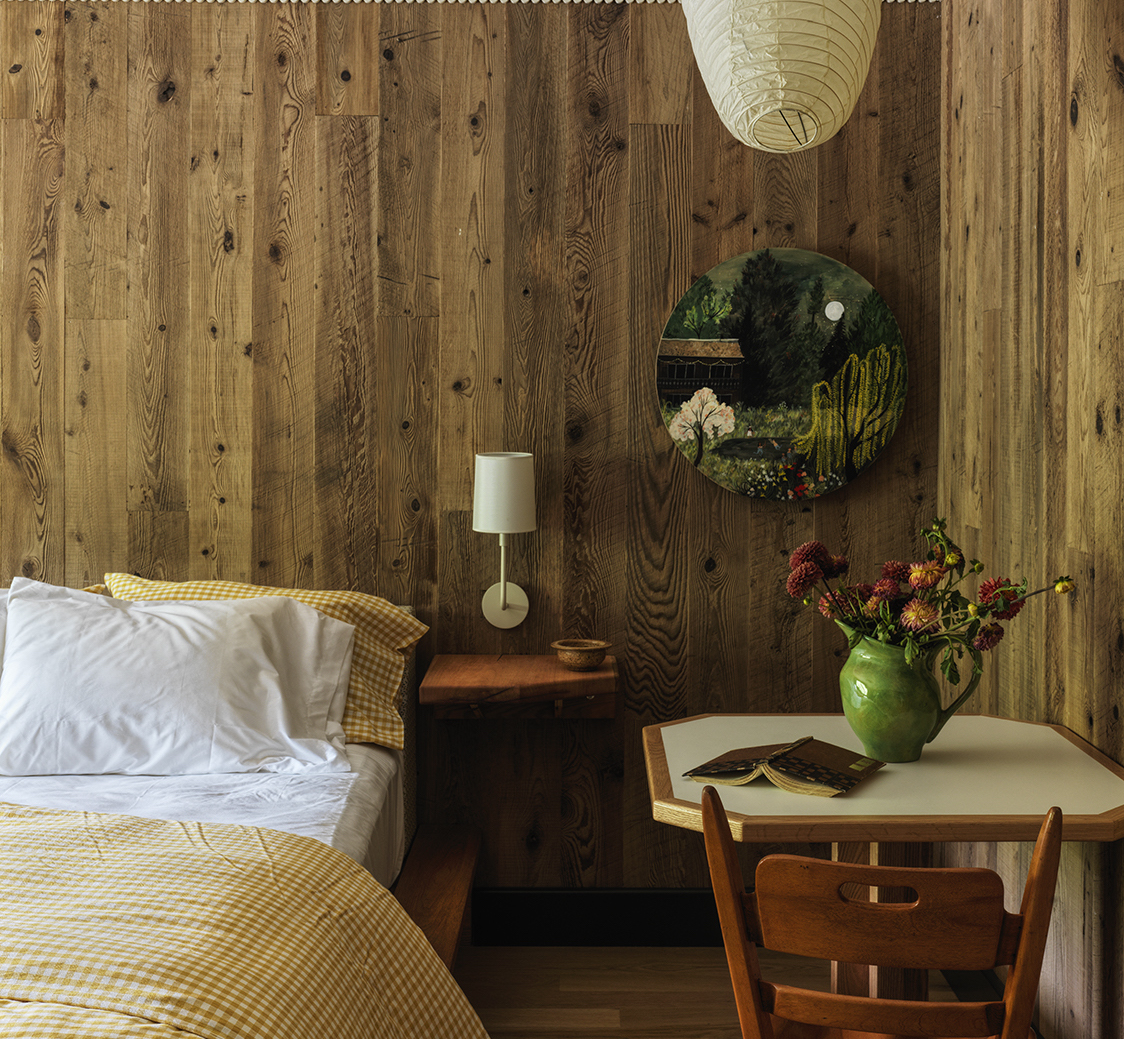
Perfect rooms can be impressive, but lived-in rooms are persuasive. The current design mood favors comfort, warmth, layered textures, natural materials, and spaces that look like life happens there. A lived-in room can still be elegant. It simply does not look terrified of crumbs.
This style favors worn wood, soft rugs, layered lighting, comfortable seating, open shelves, books, art, plants, and collected pieces. It does not demand that every object match. Instead, it asks whether everything belongs to the same emotional world. A modern sofa can sit beside a vintage table. A simple kitchen can include a colorful painting. A quiet bedroom can have one strange lamp with main-character energy.
Why Imperfection Feels So Good
Imperfection gives a space permission to be used. A scratch on a table can mean dinners happened there. A faded rug can mean years of footsteps. A patched jacket can mean someone cared enough to keep it. In a culture obsessed with newness, repair and patina feel unexpectedly radical.
That does not mean everyone should live inside a museum of old stuff. It means the most satisfying spaces often mix freshness with history. New sheets, old nightstand. Modern art, inherited chair. Clean kitchen, weird little salt cellar shaped like a fish. Balance is the magic trick.
Unexpected Color Is a Shortcut to Joy
Color is one of the fastest ways to make an obsession visible. A sudden hit of red, butter yellow, deep brown, moss green, cobalt blue, or dusty pink can change the entire mood of a space. The unexpected part is where the color appears: inside a cabinet, on a ceiling, around a window frame, in a tiny bathroom, or through one gloriously impractical chair.
People who are nervous about color often think they must repaint the whole house or commit to a dramatic sofa. Not true. Start with one object. A lamp. A tray. A vase. A framed print. A painted stool. Color can whisper before it sings.
The best unexpected color choices feel slightly mischievous. They do not ask, “Will this be universally approved?” They ask, “Does this make the room feel more alive?” That is a better question.
Experience Notes: Living With Unexpected Obsessions
The funny thing about unexpected obsessions is that they rarely announce themselves as important. They usually begin as a harmless little preference. You buy one vintage glass because it reminds you of your grandmother’s kitchen. Then you notice another one at a thrift store. Then suddenly you have a shelf that sparkles in the afternoon light, and you are explaining the difference between pressed glass and cut glass to someone who only asked where the spoons were.
I have noticed that the best obsessions improve ordinary moments. A beautiful mug makes coffee feel less like fuel and more like a ceremony. A colorful notebook makes a to-do list slightly less bossy. A small plant on a desk turns work into something softer. These are not life transformations with dramatic music. They are tiny upgrades in attention, and attention changes everything.
Unexpected obsessions also teach restraint. That may sound strange, because obsession is usually associated with too much. But the good kind asks for editing. You learn which objects actually matter and which ones are just noise wearing a cute outfit. You learn that not every trend deserves a place in your home, your closet, or your calendar. Some trends are fun to admire from a safe distance, like fireworks or other people’s bangs.
There is also a social side to these obsessions. When someone shares a niche enthusiasm, they become more vivid. A friend who collects matchbooks is suddenly a curator of tiny memories. A neighbor who grows herbs becomes the person who can rescue your pasta. A coworker who brings handmade cookies to meetings becomes, frankly, workplace royalty. Small passions make people easier to love because they reveal texture.
The most rewarding unexpected obsession I have seen is the return to making things by hand. Not because handmade items are always perfect, but because they carry effort. A crooked scarf, a painted pot, a repaired chair, or a handwritten recipe card has emotional fingerprints. It says, “A person spent time here.” In a fast world, that message feels luxurious.
Of course, not every obsession needs to last forever. Some are seasonal. Some burn bright for three weeks and leave behind one excellent soup recipe. That is fine. The point is not to build a permanent identity around every interest. The point is to let curiosity keep the door open. Today it may be theatrical bathrooms. Tomorrow it may be sourdough crackers, old maps, shell-shaped lamps, or the secret poetry of laundry lines.
Unexpected obsessions remind us that taste should have room to evolve. You are allowed to like something surprising. You are allowed to change your mind. You are allowed to decorate with feeling, dress with humor, rest without guilt, and collect tiny objects that make no sense to anyone else. A life built only from sensible choices can become very tidy and very dull. A life with a few unexpected obsessions has corners, color, and better stories.
Conclusion: Let the Odd Little Joys In
“Current Obsessions: Unexpected” is more than a catchy lifestyle phrase. It describes a broader shift toward personal meaning, playful design, tactile hobbies, joyful wellness, and homes that feel lived in rather than staged for approval. The most compelling trends right now are not about perfection. They are about surprise, memory, comfort, and character.
So let the unexpected in. Put art in the hallway. Use the fancy bowl for popcorn. Paint the small room a moody color. Start the micro-hobby. Keep the strange little souvenir. Make your home, your routine, and your personal style feel like they belong to an actual person, not a showroom with Wi-Fi.
Because sometimes the thing that changes the mood of your day is not a grand reinvention. Sometimes it is a red lamp, a tiny ceramic pear, a handwritten recipe, or a bathroom dramatic enough to deserve applause.
Note: This article is written as original, web-ready editorial content based on real lifestyle, design, wellness, and consumer-culture trends, with no copied passages or source-code citation artifacts.