There is a particular kind of invitation that feels less like an appointment and more like a door left warmly ajar. It says, “Come by,” not “Report promptly at 7:02 p.m. wearing cocktail attire and emotional stability.” That easygoing spirit is the heart of Current Obsessions: Open Invitations: gatherings built around generosity, flexible timing, thoughtful design, handmade details, and the radical idea that the host should enjoy the party too.
The phrase originally evokes the lively world of holiday markets, neighborhood pop-ups, independent makers, casual restaurants, ceramics sales, and homes dressed for company without looking trapped inside a department-store window. Today, the same mood fits nearly any social occasion. A winter open house, backyard supper, studio sale, Sunday coffee, or spontaneous drinks night can all feel special when the invitation is clear, the room is welcoming, and the food does not require the host to perform a one-person cooking show.
What an Open Invitation Really Means
An open invitation is not necessarily an invitation to everyone on Earth, including the person who keeps trying to sell you solar panels. It is a style of hosting that removes unnecessary friction. Guests may arrive within a window rather than at one exact moment. Food is available in waves. Seating is flexible. The atmosphere feels polished but not precious.
This approach works especially well during busy seasons. People can stop in before another commitment, bring children when appropriate, or stay longer when conversation catches fire. The host gains breathing room because the evening is not balanced on a single dramatic reveal of roast beef at 7:30.
Clarity Is More Welcoming Than Formality
A relaxed event still needs a useful invitation. Include the date, location, arrival window, expected end time, dress suggestion, parking information, whether children or plus-ones are included, and how guests should respond. Mention the format in plain language: “Drop in for drinks and small bites between 4 and 8” is far more helpful than “Festive gathering,” which could mean champagne or compulsory caroling.
Digital invitations make updates and RSVPs easy, while printed cards add ceremony and become keepsakes. The best choice is the one your guests will actually read. A beautiful invitation that omits the address is still just expensive suspense.
Use a Real RSVP Deadline
Even a come-and-go gathering benefits from a rough head count. Ask for replies by a specific date and make it easy to respond by text, email, or an event page. A simple question about dietary needs can prevent awkward surprises and helps guests feel considered before they cross the threshold.
Design a Home That Quietly Says “Stay Awhile”
Hospitality begins before the first drink is poured. Guests read a room almost instantly: Where do coats go? May they enter the kitchen? Is that chair for sitting, or is it holding seven decorative pillows in a tense negotiation?
Build a Gentle Arrival Zone
Clear the entryway, provide visible hooks or a coat rack, and turn on exterior lights. A small bench helps guests remove winter boots, while a tray keeps wet shoes from creating an indoor pond. If parking or building access is complicated, explain it in the invitation rather than forcing people to solve a puzzle on the sidewalk.
Layer the Lighting
Good party lighting comes from several modest sources instead of one blazing ceiling fixture. Table lamps, sconces, candles, and dimmable overhead lights create warmth and help define conversation areas. Keep brighter task lighting near food, steps, and drink stations. Ambience is lovely; accidentally garnishing a mocktail with a houseplant is less so.
Create Movement Without Making Guests Wander
Place drinks away from the front door so arrivals do not form a human barricade. Separate food and beverages when possible, and keep trash, recycling, napkins, and water easy to find. In a small apartment, use the dining table as a buffet and move a few lightweight pieces to open a circulation path. You do not need more square footage; you need fewer obstacles.
Plan for Comfort and Accessibility
Ask privately whether guests need step-free access, a quieter seat, extra lighting, a place for medication, or another accommodation. Keep walkways wide, secure loose rugs, avoid blocking handrails, and make at least one seating area easy to enter and leave. Labels with large, readable type help everyone, especially in dim rooms. Inclusive hosting is not a special theme. It is simply good hosting with better foresight.
The Open-House Menu: Abundant, Not Ambitious
The ideal menu survives late arrivals, encourages grazing, and does not punish the host for talking to people. Choose mostly make-ahead dishes that taste good warm, cool, or at room temperature. Think savory tarts, spiced nuts, dips, marinated vegetables, cheese, sturdy salads, small sandwiches, cookies, and one comforting hot item in a slow cooker or warming dish.
Serve Food in Small Waves
Instead of putting everything out at once, refill smaller platters throughout the event. The display stays fresher, the table looks intentional, and less food sits out unnecessarily. Keep backup portions refrigerated and use serving utensils for every dish. Perishable foods should be monitored carefully and refreshed or chilled promptly rather than spending the entire evening auditioning for a food-safety documentary.
Make the Menu Self-Explanatory
Label dishes that contain common allergens and clearly mark vegetarian, vegan, or gluten-free options. Put the most inclusive foods first and use separate utensils where cross-contact matters. A host should not need to recite a twelve-minute ingredient monologue every time someone reaches for a tartlet.
Create a Beverage Station That Runs Itself
Offer water, one batch cocktail, one thoughtful nonalcoholic drink, and a modest selection of wine or beer. Place glasses, ice, citrus, napkins, and a bottle opener together. Keep strong drinks clearly labeled and make the alcohol-free option as attractive as everything else. Sparkling water in a nice pitcher should not look like it was assigned community service.
Decor That Feels Collected, Not Installed
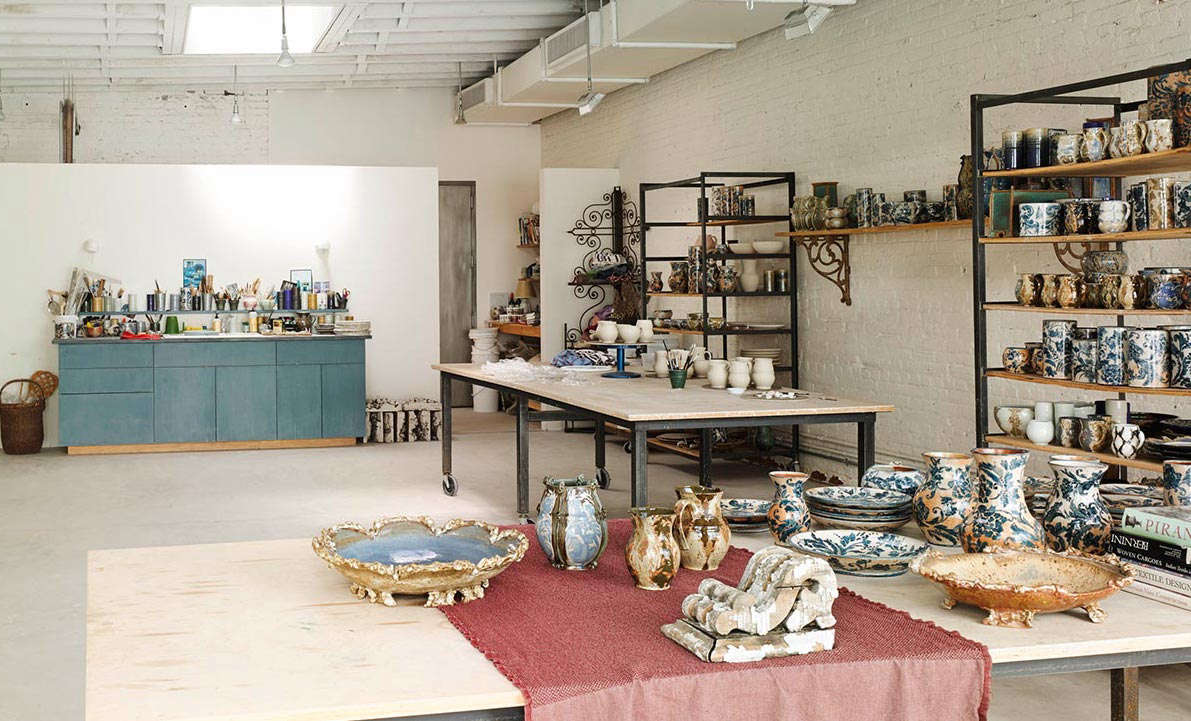
The “open invitations” aesthetic favors objects with a story: linen bunting, handmade ceramics, simple greenery, vintage glassware, woven textiles, and practical pieces beautiful enough for daily use. It is festive without being trapped by one holiday or color scheme.
Borrow the Energy of a Makers’ Market
Independent craft fairs and studio sales remind us that useful objects can also carry the mark of a human hand. A slightly irregular serving bowl, hand-dyed napkin, carved spoon, or small-batch candle gives a table personality. Supporting local makers also turns party preparation into community participation rather than another panicked online order.
Choose Decorations That Can Live Past the Party
Fabric garlands, potted herbs, beeswax candles, branches, paper stars, and bowls of seasonal fruit work across occasions. Rent, borrow, or repurpose items used infrequently. Plan portions realistically, send safe leftovers home, and avoid buying disposable décor destined to become glittery landfill confetti by morning.
Let the Table Be Imperfect
Mismatched plates and vintage linens can feel more inviting than a rigid matching set. Repeat one elementperhaps a color, material, or shapeto create cohesion. The result should look intentional but alive, as though people are expected to eat there rather than admire it from behind velvet ropes.
How to Host Without Vanishing Into the Kitchen
A common hosting mistake is treating guests like an audience while the host performs labor offstage. The goal is not to prove that you can chiffonade herbs under pressure. It is to create conditions in which people connect.
Work Backward From the Doorbell
Write a short timeline covering shopping, cleaning, food preparation, table setup, getting dressed, lighting candles, and chilling drinks. Finish anything involving sharp knives or complicated timing before guests arrive. Leave at least twenty quiet minutes to reset yourself. A calm host is more atmospheric than another centerpiece.
Outsource Strategically
Buy the bread. Order one excellent dish from a neighborhood restaurant. Ask a friend to bring ice. Hire cleanup help when the budget allows. Hospitality is not diminished because someone else baked the cookies; in many cases, hospitality improves because the host is now in the room.
Give the Gathering a Natural Ending
Include an end time in the invitation, then gently shift the mood as it approaches. Stop replenishing food, lower the music, offer coffee or small take-home treats, and begin gathering glasses. No one needs to shout, “The house is closing.” The social clues will do the workexcept for one guest named Kevin, who may require his coat to be placed lovingly in his hands.
Open Invitation Etiquette for Guests
Casual does not mean consequence-free. Reply promptly, arrive within the stated window, and do not assume an invitation includes children, pets, dates, or three fascinating coworkers. Offer a small host gift when appropriate, but avoid bringing food that demands immediate oven space unless requested.
Once inside, greet the host, place your belongings where directed, and introduce yourself to someone new. Compliment something specific. Help only after asking; rearranging the host’s dishwasher according to your personal loading constitution is not assistance. Before leaving, say goodbye rather than disappearing into the night like a well-dressed cryptid.
Experience Notes: What Open-Invitation Hosting Teaches
Note: The following scenes are composite, experience-based examples drawn from common hosting situations, not claims about one person’s private event.
The Small Apartment That Worked Better Than the Big House
One of the most useful lessons in casual entertaining comes from a compact apartment gathering. The host initially worried that fifteen people would make the living room feel like an elevator with snacks. Instead of adding more chairs, she removed a bulky coffee table, placed drinks on a slim console, and turned the dining table into a grazing station. Guests naturally formed small clusters. Some stood near the kitchen, others sat on the sofa, and two people spent an impressive amount of time discussing a ceramic lamp.
The apartment did not feel too small because movement had been planned. Coats were collected in the bedroom, the bathroom was clearly marked, and water was visible rather than hidden behind the cocktail setup. The host served food in batches, so the table never became crowded. The lesson was simple: people need flow, not a ballroom.
The Handmade Table That Started Better Conversations
Another gathering borrowed its visual language from a neighborhood craft market. The table included linen scraps used as napkins, secondhand glasses, handmade plates, and a fabric banner that had appeared at birthdays, holidays, and one overly ambitious Tuesday dinner. Nothing matched perfectly, yet every object gave guests something to notice.
That mattered because objects with stories are social tools. A carved serving board led to a conversation about local woodworking. A platter bought at a studio sale prompted a guest to recommend another ceramicist. The décor did not merely decorate; it connected people to places, makers, and memories. No icebreaker game was required, which was fortunate because adults rarely enjoy being instructed to reveal “two truths and a lie” near a cheese board.
The Menu Failure That Improved Future Parties
A less successful open house offered six hot dishes that all needed last-minute attention. The host spent the first hour rotating pans, checking timers, and apologizing for not speaking to anyone. Guests were well fed, but the person who invited them was essentially a rumor.
The next event used one warm centerpiece dish, several room-temperature sides, a self-serve drink station, and desserts prepared the day before. The difference was dramatic. The host greeted arrivals, made introductions, and noticed when a shy guest needed help joining a conversation. The food was simpler, but the hospitality felt richer.
The Imperfect Evening Everyone Remembered
At another gathering, a drink spilled, the playlist stopped, and the candles refused to remain upright. Yet the evening became memorable because the host laughed, handed over towels, restarted the music, and kept moving. Guests take their emotional cues from the person opening the door. When the host treats a mishap as ordinary, everyone else can relax.
This may be the deepest lesson behind open invitations: welcome is a feeling, not a flawless production. People remember being introduced thoughtfully, offered something they could eat, shown where to put a coat, and encouraged to stay. They rarely remember whether the napkins matched. The most successful party is not the one that photographs perfectly; it is the one that makes another gathering feel inevitable.
Conclusion: Leave the Door Open to Connection
Current Obsessions: Open Invitations is ultimately less about stationery than spirit. It celebrates homes arranged for conversation, invitations written with clarity, food designed for sharing, independent objects with real stories, and hosts willing to trade perfection for presence.
Start with a clear arrival window. Make the entry easy. Use warm, layered lighting. Serve food that can wait. Label what matters. Leave room for different bodies, diets, schedules, and comfort levels. Then step away from the kitchen and join the people you invited.
An open invitation does not have to be grand. It may be coffee for four, soup for neighbors, a holiday drop-in, or a table set with whatever plates are clean. The magic is not in how widely the door opens. It is in how genuinely people are welcomed once they enter.
Research synthesis: Remodelista, Emily Post, Martha Stewart, Better Homes & Gardens, Paperless Post and Architectural Digest. Additional research: Food52, USDA FSIS, U.S. EPA, ADA National Network and Real Simple.