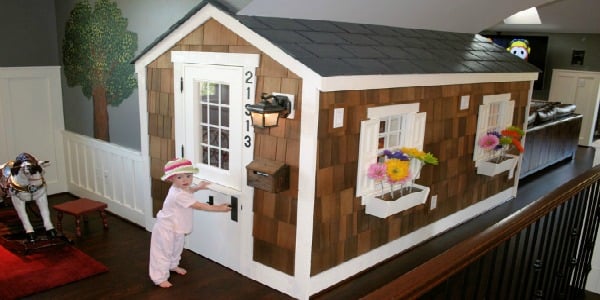
An indoor playhouse can turn an ordinary corner into a bakery, fire station, moon base, reading retreat, veterinary clinic, or suspiciously expensive restaurant where every plastic sandwich costs $47. For children, it is a stage for imaginative play. For adults, it is a clever way to encourage screen-free entertainment without permanently sacrificing the sofa cushions to another blanket-fort engineering project.
The best indoor playhouses come in many forms, including washable canvas tents, collapsible cottages, cardboard houses, wooden Montessori structures, themed pop-up tents, and activity-packed indoor climbers. Some disappear into a closet after playtime. Others are substantial enough to become the unofficial headquarters of the entire playroom.
This guide covers more than 25 standout options and styles for different ages, budgets, room sizes, and play preferences. Product availability changes, but the names and categories below provide useful starting points for comparing current models.
Why Indoor Playhouses Are Worth Considering
Pretend play is more than an adorable excuse to serve invisible tea. It gives children opportunities to practice language, cooperation, storytelling, problem-solving, and emotional expression. A playhouse creates a defined environment where a child can adopt roles, establish rules, act out familiar situations, and invent entirely new ones.
Unlike toys with one predetermined function, a simple indoor play tent can become something different every day. Add a toy cash register and it becomes a store. Add stuffed animals and it becomes a wildlife hospital. Add pillows and books and, suddenly, it is a quiet reading nook where whispering is apparently mandatory.
The 30 Best Indoor Playhouses for Kids
1. Tiny Land Natural Cream Playhouse Tent: Best Overall
Tiny Land’s house-shaped tent balances appearance, interior space, and open-ended play. Its neutral cream fabric fits comfortably into a bedroom or family room without making the space resemble a carnival midway. Curtains and house-style windows encourage role-play, while the roomy footprint can accommodate pillows, books, dolls, or a small play mattress.
2. Lalo Wood and Canvas Play Tent: Best Minimalist Design
The Lalo Play Tent combines a natural canvas cover with a beechwood frame, creating a clean Scandinavian look. It is especially appealing for adults who want a children’s hideaway that blends with modern furniture. The washable canvas is a practical advantage because snack crumbs have an extraordinary ability to migrate into every fabric structure a child owns.
3. Pottery Barn Kids My Very Own Playhouse: Best Classic Canvas House
This cotton-canvas playhouse has the familiar cottage shape many children immediately understand. Front windows and a roll-up entrance support games involving visitors, deliveries, restaurants, and housework. Its relatively restrained design also leaves room for children to determine what the structure represents instead of being locked into one theme.
4. Crate & Kids Collapsible Canvas Play Tent: Best for Easy Storage
A collapsible frame makes this option well suited to multipurpose living spaces. It can remain open during a weekend of pretend camping and then fold down when adults would like to see the floor again. Cotton fabric, a ventilation window, and a flap-style entrance make it useful for reading, resting, and imaginative play.
5. Tiny Land Large Cozy Tent With Star Lights: Best Reading Nook
This roomy tent is designed to feel more like a tiny private room than a basic pop-up shelter. Soft lighting can create a cozy atmosphere for books, quiet play, and bedtime wind-down routines. Battery packs and light cords should always be secured according to the instructions and kept inaccessible to younger children.
6. Costway 6-in-1 Wooden Indoor Playhouse: Best Activity Center
This multifunctional structure combines a tent, floor mat, chalkboard, table, chair, and storage area. It works well for families seeking more than a hideout because children can move between drawing, reading, pretend play, and snack time. The integrated furniture also helps define the playhouse as a miniature room rather than a temporary fort.
7. Honeyjoy Large Play Tent With Padded Mat: Best for Siblings
A broad floor area and included mat give multiple children enough space to play without immediately negotiating an international border dispute. Breathable windows help with airflow and visibility, while the house-shaped interior can hold books, stuffed animals, pretend-food sets, and other accessories. Measure the intended floor space carefully before buying.
8. SUGIFT Kids Play Tent With Lights and Cotton Mat: Best Complete Set
This option bundles several popular features into one package: a roomy fabric house, padded floor covering, decorative lights, and mesh ventilation. It is a convenient choice for buyers who do not want to purchase every accessory separately. The larger interior is particularly helpful for playdates or parent-and-child story sessions.
9. Costway Solid-Wood Castle Playhouse: Best Sturdy Fabric Castle
Many castle tents rely on thin pop-up wire, but this version uses a solid-wood frame for additional stability. The washable mat and spacious interior make it appropriate for dress-up games, puppet shows, and quiet play. Its castle styling is imaginative without requiring every game to involve a princess waiting for somebody else to solve the problem.
10. LoveShackFancy Collapsible Play Tent: Best Decorative Splurge
Floral fabric, ruffled details, and a folding wood frame make this a statement piece for a carefully designed bedroom or playroom. It costs more than a basic tent, but its decorative quality may justify the investment for families who expect the playhouse to stay visible. The structure can also become a photo-friendly reading and dress-up corner.
11. Pacific Play Tents Club House: Best Traditional Play Tent
The Club House format delivers exactly what many families need: lightweight walls, recognizable windows, a front entrance, and enough room for pretend play. It is less elaborate than furniture-style structures, which can be an advantage. Children supply the story, while adults get a playhouse that is usually simpler to move and store.
12. Melissa & Doug Fire Truck Play Tent: Best Vehicle Playhouse
Instead of looking like a stationary cottage, this large fabric tent resembles a fire truck. Multiple children can climb inside and invent rescue missions, station routines, and emergency calls. The vehicle shape gives active pretend players a strong starting theme while preserving the open interior of a traditional indoor playhouse.
13. Martha Stewart Kids Camper Play Tent: Best Pretend Road Trip
This camper-inspired playhouse includes illustrated details such as wheels, windows, camping equipment, and an awning. It is an entertaining choice for children fascinated by family trips or outdoor adventures. Add a toy lantern, sleeping bag, map, and pretend campfire to create an indoor camping setup without mosquitoes, mud, or mysterious nighttime rustling.
14. MindWare Pretend Camping Playhouse: Best Camping Activity Set
MindWare’s camper-style option works especially well when paired with pretend camping accessories. Children can pack supplies, prepare imaginary meals, and plan expeditions across the living room. The defined theme gives parents easy ideas for extending play while still allowing the tent to function as a general hideaway.
15. IKEA CIRKUSTÄLT Children’s Tent: Best Circus Theme
The striped circus shape adds color and height without requiring a complicated frame. It is a good option for children who like performance games, stuffed-animal shows, or dramatic entrances. Because it has a relatively compact footprint, it can fit into bedrooms where a wide cottage-style playhouse would consume too much floor space.
16. Rocket Ship Pop-Up Tent: Best for Space Fans
Rocket-shaped pop-up tents are widely available and generally inexpensive. Printed controls, windows, planets, and spacecraft details encourage children to invent missions and alien encounters. Look for mesh ventilation, smooth seams, protected wire edges, and a carrying bag. Pop-up models are easy to store once adults relearn the mysterious art of folding them.
17. Easy Playhouse Gingerbread House: Best Holiday Playhouse
This color-in cardboard playhouse combines a craft project with pretend play. Children can decorate candies, windows, doors, and holiday details before moving inside their creation. It is affordable and recyclable, although it will not survive moisture or months of enthusiastic body-checking. Consider it a memorable seasonal activity rather than permanent furniture.
18. Easy Playhouse Police and Fire Station: Best Color-In Role-Play House
Printed emergency-service details let children customize a combined police and fire station using crayons, markers, or stickers. Once decorated, it becomes a headquarters for rescue games and story time. Cardboard construction keeps the structure lightweight, but adults may need to reinforce frequently handled edges with child-safe paper tape.
19. Bankers Box at Play Color-In Playhouse: Best Budget Craft Option
Bankers Box at Play houses arrive as flat cardboard panels that children can decorate before or after assembly. They offer generous creative value for the price and can keep several children occupied during parties or rainy afternoons. Choose washable art supplies unless a permanent abstract mural on the nearby wall sounds delightful.
20. Antsy Pants Build & Play Kit: Best Reconfigurable Playhouse
This construction system uses lightweight poles, connectors, and covers to create forts and playhouses in different shapes. Its major advantage is flexibility: today’s cottage can become tomorrow’s tunnel or puppet theater. It also introduces basic planning and construction concepts, although younger builders will probably need adult help creating stable frames.
21. Crazy Forts Construction Set: Best Fort-Building System
Crazy Forts provides rods and connector balls that children use to build domes, tunnels, castles, and other structures. A sheet or lightweight blanket completes the hideaway. It is best for children who enjoy designing as much as playing inside the finished result. Verify that every rod is securely inserted before covering the frame.
22. Avenlur Evergreen Montessori Playhouse: Best Art-and-Play Combination
The Evergreen combines a wooden playhouse with a reversible chalkboard-style roof that can function as an easel or art surface. It supports drawing, collaborative play, and child-directed activities in one structure. The birch construction is more substantial than fabric tents, so it is best for families with dedicated playroom space.
23. Montoddler Birch Plywood Montessori Playhouse: Best Open-Ended Wooden House
A simple birch-plywood frame creates a durable play zone without prescribing a single theme. Children can turn it into a shop, kitchen, library, workshop, or home using accessories they already own. The open sides improve supervision and airflow, while the understated design works particularly well in Montessori-inspired rooms.
24. Montessori Activity Playhouse With Storage Bin: Best Organized Play Space
Wooden Montessori-style activity houses sold through major retailers often combine a floor mat, storage compartment, tabletop, and open frame. These designs are useful when adults want the playhouse to organize toys instead of becoming another place where toys disappear. Confirm weight limits and assembly requirements before purchase.
25. Pottery Barn Kids Indoor Gym and Climber Tent: Best Luxury Climbing Playhouse
This substantial indoor structure combines a tent-like retreat with gross-motor features such as a slide, monkey bars, or climbing elements. It can provide far more physical activity than a standard fabric cottage, but it requires considerable floor space, careful assembly, appropriate clearance, and active adult supervision.
26. Little Tikes Cape Cottage: Best Molded-Plastic Option
The Cape Cottage is often marketed for indoor or outdoor use and offers a durable molded-plastic structure with doors and windows for role-play. It can work in a basement, large playroom, or converted garage where a fabric tent might receive rough treatment. Check the assembled dimensions because plastic cottages rarely fold for storage.
27. Step2 Neat & Tidy Cottage: Best for Heavy Everyday Use
Step2 cottages are known for thick plastic walls and familiar household details. A plastic playhouse is easier to wipe down than canvas and can tolerate enthusiastic pretend cooking, repeated door slamming, and busy playdates. The trade-off is permanence: once assembled, it becomes a roommate that does not contribute to the mortgage.
28. Kiddie Play Supermarket Tent: Best Pretend Store
A supermarket-themed fabric playhouse gives children a ready-made setting for sorting food, making shopping lists, operating a register, and practicing social exchanges. Add empty clean food boxes, reusable bags, play money, and a small basket. Remove packaging pieces that could become choking hazards for younger siblings.
29. Fun2Give Pop-It-Up Fire Station With Street Map: Best Playhouse and Mat Set
This pop-up fire station is paired with a street-map playmat, connecting indoor hideaway play with toy vehicles and floor play. The combination gives children a larger imaginary environment without requiring a huge permanent structure. Polyester construction also makes the set lighter and easier to put away than a wooden station.
30. Costway Princess Castle Tent With Mat: Best Castle-Style Hideaway
A roomy castle tent with a floor mat provides a comfortable setting for dress-up, reading, and make-believe celebrations. Castle themes work best when the interior remains flexible enough for many stories. Today it may host a royal banquet; tomorrow it can become a dragon research center with surprisingly strict visitor hours.
How to Choose the Best Indoor Playhouse
Measure the Full Footprint
Check length, width, and height before ordering. Include space for doors, curtains, slides, or climbing components to operate safely. Use painter’s tape to outline the footprint on the floor. A playhouse that looks compact in a white-background product photo can become a suburban development after entering a small apartment.
Match the Material to Your Household
Canvas looks attractive and may be washable, but fabric can collect dust and stains. Polyester pop-up tents are lightweight and easy to move. Cardboard is affordable and customizable but temporary. Plastic is durable and wipeable but difficult to store. Wood offers stability and visual appeal, although it usually costs more and requires assembly.
Consider Storage Before Falling in Love
Families with limited space should prioritize folding A-frame tents, pop-up models, or construction kits that break down into a bag. A large wooden or plastic playhouse is better treated as furniture. Decide where it will live before the delivery arrives and everyone begins pretending the enormous box was always part of the decorating plan.
Choose Open-Ended Features
Highly themed playhouses can be exciting, but neutral designs often remain useful longer because children can reinvent them. Look for windows, counters, chalkboards, curtains, or removable accessories that support multiple stories. Electronic sounds may provide quick excitement, while simpler props often encourage children to create their own dialogue and effects.
Plan for Cleaning
Removable fabric covers and washable mats are valuable in homes with toddlers. Review cleaning directions before buying; some canvas covers are machine washable, while others require spot cleaning. Plastic houses are generally the easiest to wipe down. Cardboard models should be kept away from drinks, damp floors, and experimental indoor weather systems.
Indoor Playhouse Safety Checklist
Follow the manufacturer’s age recommendation and assembly instructions. Look for current compliance information relevant to toys sold in the United States, including applicable ASTM F963 requirements. Examine the structure regularly for broken connectors, exposed wire, loose magnets, cracked wood, unstable poles, sharp edges, or torn fabric.
Choose a playhouse with adequate ventilation and openings that let adults see inside. Keep fabric tents away from heaters, fireplaces, candles, cooking appliances, and other heat sources. Never place an ordinary play tent inside a crib or play yard, and do not add long cords, drawstrings, or unsecured decorative lights.
Children should not climb onto a roof or frame unless the product is specifically engineered as climbing equipment. Indoor climbers require clear space around the structure and an appropriate impact-absorbing surface. Check the U.S. Consumer Product Safety Commission recall database before using a secondhand playhouse or an older model with missing labels.
Real-World Experiences With Indoor Playhouses
The first experience many families have with an indoor playhouse is the grand opening. Adults assemble the frame, arrange cushions, take several photos, and briefly believe the playroom has reached its final form. Children rush inside, close the curtain, and announce that parents are not allowed. This is usually a sign of success, even when the adults purchased and assembled the property.
After the initial excitement settles, location becomes the biggest influence on how often the playhouse is used. A tent hidden in an isolated room may be forgotten, while one positioned near everyday family activity tends to become part of regular play. A corner of the living room, playroom, or child’s bedroom works well when the entrance remains visible and the structure does not block walkways, doors, vents, or emergency exits.
Families also discover that the playhouse itself is only the beginning. A small rotation of accessories can refresh it without another major purchase. A basket containing menus, toy dishes, and an apron creates a café. A flashlight, map, and stuffed bear create a campsite. Bandages and a toy stethoscope transform it into a clinic. Books and a soft pillow turn it into a reading retreat. Rotating these props every few weeks often produces more lasting interest than filling the house with every accessory at once.
Another common lesson involves size. A tent advertised for several children may technically hold them, but that does not mean those children will agree on what happens inside. Siblings may benefit from defined roles or separate activity baskets. One child can operate the store while another shops. One can be the veterinarian while the other brings in stuffed patients. Clear roles reduce arguments and give quieter children a way to join the game.
Cleanup is easier when the playhouse has a simple reset routine. Keep one flexible basket nearby for books, costumes, and props. At the end of play, everything returns to the basket rather than being carefully organized into 17 tiny categories that no preschooler has agreed to maintain. Avoid treating the interior as permanent storage, or the house may gradually become a fabric-covered toy closet that no child can enter.
Parents often get the best results by joining briefly and then stepping back. An adult might knock on the door, order a ridiculous sandwich, or ask for help repairing an imaginary spaceship. That short interaction can launch a story that continues independently. Constantly directing the game, however, can turn free play into another adult-managed activity. The playhouse is most valuable when children feel ownership over its changing identity.
Durability expectations matter as well. Cardboard houses provide excellent creative value but should be viewed as temporary. Pop-up tents are convenient but may bend when children lean against the walls. Canvas houses offer a balance of appearance and longevity, while wood and plastic are better for intense daily use. Choosing the right material prevents disappointment and makes the purchase feel appropriate for the household rather than merely attractive in photographs.
Over time, a successful indoor playhouse becomes less of a single toy and more of a dependable setting. It supports energetic social games one day and quiet solo reading the next. It can help a nervous child rehearse a doctor visit, encourage siblings to negotiate a restaurant menu, or simply provide a calm little space in a busy home. That versatility is what separates the best indoor playhouses from oversized toys that receive one exciting weekend before beginning a long career as laundry storage.
Final Thoughts
The best indoor playhouse is not necessarily the largest, fanciest, or most heavily accessorized model. It is the one that fits the available room, matches the child’s developmental stage, supports multiple kinds of play, and can be maintained without exhausting the adults who live nearby.
Choose a collapsible canvas tent for flexible everyday use, cardboard for affordable creative projects, plastic for durability, or wood for a permanent playroom centerpiece. Then add a few adaptable props and let children take over the storytelling. They will probably establish a restaurant, rewrite the laws of commerce, and inform you that bedtime is not recognized within the property.
Note: Product names are provided as comparison and shopping starting points. Before purchasing, verify current dimensions, included accessories, age recommendations, assembly instructions, availability, safety certifications, and recall status. Prices and product specifications may change.