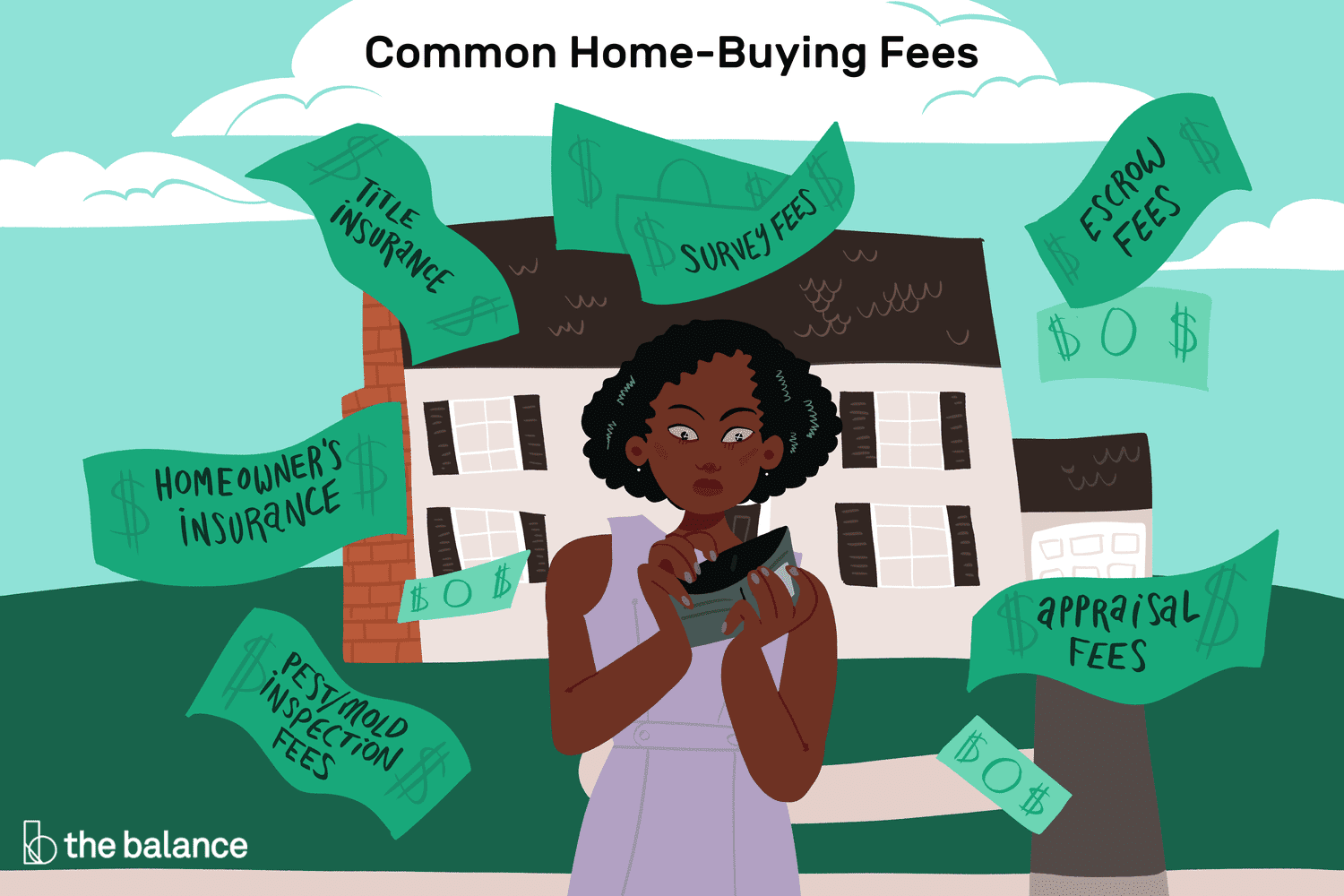
Buying a home is exciting. It is also one of the fastest ways to discover that the sticker price is not, in fact, the whole price. The listing might say $400,000, but your bank account will quickly meet a supporting cast of characters: the down payment, earnest money, appraisal fees, title charges, prepaid taxes, insurance, moving costs, and the mysterious moment when your new place somehow “needs” a ladder, a lawn mower, and three trips to a home improvement store.
That does not mean buying a home is a bad idea. It means you need the full picture before you fall in love with a charming bungalow that also comes with a monthly HOA fee and a water heater with one foot in the afterlife. The smartest buyers are not just shopping for a house. They are shopping for the real cost of owning it.
This guide breaks down the major costs of buying a home, the fees buyers often forget, and the practical ways to budget without draining every last dollar from your savings. If you want to make a confident move instead of a financially dramatic one, this is the map.
The True Cost of Buying a Home Starts Before Closing Day
Most buyers focus on the down payment first, which makes sense. It is big, obvious, and tends to get all the attention. But the real cost of buying a home begins earlier and stretches much farther than that one number.
In simple terms, your costs usually fall into three buckets: upfront cash, closing costs, and ongoing ownership expenses. Upfront cash includes your down payment, earnest money deposit, inspection fees, and appraisal costs. Closing costs cover lender fees, title services, prepaid items, taxes, and settlement charges. Ongoing costs include your mortgage payment, property taxes, homeowners insurance, mortgage insurance if required, utilities, maintenance, repairs, and possibly HOA dues.
Think of it this way: buying a home is not one purchase. It is an opening ceremony for a long-term financial relationship. A lovely one, hopefully. But still a relationship.
Upfront Costs Buyers Need To Plan For
1. Down Payment
Your down payment is the chunk of cash you pay toward the home price at closing. Many buyers still think 20% is mandatory, but that is not always true. Some conventional loans allow much lower down payments, and government-backed programs may require less or even none in certain cases. Still, a larger down payment can lower your monthly payment, reduce interest costs over time, and help you avoid private mortgage insurance on many conventional loans.
That said, putting every available dollar into the down payment is not always wise. A buyer who empties their emergency fund to hit a round number may feel proud for approximately 12 minutes, right up until the first repair bill arrives. A healthier strategy is to balance the down payment with post-closing cash reserves.
2. Earnest Money Deposit
Earnest money is the “I am serious” deposit you submit with an offer. It is usually credited toward your down payment or closing costs later, but it still requires cash up front. In many markets, buyers put down around 1% to 3% of the purchase price, though the amount can vary depending on competition and local norms.
This is where buyers sometimes get tripped up. They save for the down payment but forget they may need to produce earnest money much earlier in the process. If you are targeting a $350,000 home, even a 2% earnest money deposit means having $7,000 ready to go.
3. Home Inspection
A home inspection is one of the smallest checks you will write and one of the most useful. It helps uncover major issues with the roof, plumbing, electrical systems, foundation, HVAC, and more. Skipping it can save a few hundred dollars today and cost you thousands later. That is the sort of math nobody enjoys.
Inspection costs vary by location and home size, but buyers should budget a few hundred dollars and more if they add specialty inspections for things like radon, pests, sewer lines, septic systems, or wells. Older homes, especially, love to surprise people.
4. Appraisal
If you are financing the purchase, your lender will usually require an appraisal to confirm the home’s value. This protects the lender, but it also protects you from overpaying. If the property appraises below the purchase price, you may need to renegotiate, bring more cash to closing, or walk away if your contract allows it.
In many markets, buyers should expect the appraisal to cost several hundred dollars. It is not glamorous, but neither is discovering you agreed to pay champagne prices for a sparkling-water property.
Closing Costs: The Part That Sneaks Up on People
Closing costs are the bundle of fees and prepaid expenses you pay when the transaction is finalized. They usually include lender charges, title and settlement services, government recording fees, prepaid taxes, prepaid homeowners insurance, and initial escrow deposits.
For many buyers, closing costs land somewhere around 2% to 5% of the home’s purchase price, though they can run higher or lower depending on your loan type, state, taxes, and local fees. On a $400,000 home, that could mean roughly $8,000 to $20,000 on top of your down payment. Yes, the comma belongs there.
Lender Fees
These may include application fees, underwriting charges, processing fees, origination fees, rate-lock charges, discount points, and credit report fees. Some lenders list these cleanly. Others itemize them like they are auditioning for a very boring mystery novel. The key is not the label on each line item. It is the total cost.
This is why comparing Loan Estimates from multiple lenders matters so much. Two lenders may advertise similar interest rates but have very different fee structures. Shopping lenders is not rude. It is financially adult.
Title and Settlement Fees
Title services help make sure the property can legally transfer to you without unresolved ownership claims, liens, or recording problems. Buyers may pay for title search fees, settlement or escrow fees, and lender’s title insurance. In some markets, an owner’s title insurance policy is optional, but many buyers choose it for added protection.
Title charges can vary by state, transaction size, and local custom. They are not the flashiest line item at the closing table, but they are part of what keeps your purchase from turning into a legal headache with landscaping.
Prepaid Costs and Escrow Funding
Here is the part many first-time buyers do not see coming: closing costs are not just “fees.” They also include prepaid expenses. Your lender may collect upfront money for homeowners insurance, property taxes, and prepaid daily interest. If your loan requires an escrow account, you may need to fund several months of taxes and insurance at closing.
That means the money due at closing is not just the cost of getting the mortgage. It is also the cost of getting a head start on future bills. Not fun, but at least it is honest.
Mortgage Insurance and Loan-Specific Fees
If you put down less than 20% on a conventional loan, you will often have to pay private mortgage insurance, or PMI. This increases your monthly housing cost until you build enough equity to remove it under the applicable rules.
Government-backed loans come with their own versions of extra costs. FHA loans typically include upfront mortgage insurance plus ongoing mortgage insurance premiums. VA loans may charge a one-time funding fee, although some borrowers are exempt. USDA loans can include an upfront guarantee fee and an annual fee. These programs can make homeownership more accessible, but “lower down payment” does not mean “free lunch.” It usually means the costs are structured differently.
The Monthly Costs That Matter Just as Much as the Purchase
Plenty of buyers can technically get to the closing table. The bigger question is whether the monthly payment still feels comfortable after move-in. That payment is often more than just principal and interest.
Property Taxes
Property taxes vary wildly by state, county, and municipality. Two similarly priced homes can produce very different tax bills depending on location. Buyers who focus only on the home price often miss this. A cheaper house in a high-tax area can still create a bigger monthly burden than a slightly pricier home somewhere else.
Homeowners Insurance
Insurance costs also vary based on location, home value, construction type, claims history, and local risk factors such as storms, wildfire exposure, or flooding. In some markets, insurance has become a major affordability issue, not a small side note. Buyers should get real quotes early instead of relying on wishful thinking and vibes.
HOA Fees
If the home is in a condo, townhome community, planned subdivision, or development with shared amenities, you may owe monthly or quarterly HOA dues. These fees can cover landscaping, exterior maintenance, amenities, reserves, and common-area upkeep. They can also quietly reshape your budget if you ignored them during house hunting.
Even modest HOA dues can materially affect affordability. A home that looks perfect at first glance may become less attractive once an extra recurring fee enters the chat.
Maintenance and Repairs
Renters call the landlord. Homeowners call their savings account. Routine maintenance, surprise repairs, appliance replacements, pest treatment, yard tools, paint, locks, gutters, and plumbing mishaps all belong in your budget. The old rule of thumb about setting aside money for maintenance is popular for a reason: houses are wonderful, but they are never fully done needing things.
The Costs Buyers Commonly Forget
These are the expenses that do not always show up in the lender conversation but absolutely show up in real life:
- Moving trucks, movers, or storage fees
- Utility deposits and setup charges
- New furniture, window coverings, or appliances
- Lock changes, security systems, and smart devices
- Immediate repairs you want done before move-in
- Lawn equipment, cleaning supplies, and basic tools
- Flood insurance or supplemental coverage if needed
- A larger emergency fund because now you own the roof
This is why many buyers feel “house poor” even when the mortgage payment looked reasonable on paper. The paper did not include the garage shelving, curtain rods, mailbox fix, and emergency plumber.
How To Budget for the Real Cost of Buying a Home
Compare Loan Estimates, Not Just Interest Rates
Ask multiple lenders for Loan Estimates and compare both the rate and the fees. A slightly lower rate with significantly higher upfront costs is not automatically a better deal. Also compare whether taxes and insurance are escrowed, whether mortgage insurance is required, and whether discount points are being charged.
Review the Closing Disclosure Carefully
Before closing, review the final Closing Disclosure and compare it with the earlier Loan Estimate. This is where buyers catch unexpected fees, shifted amounts, or simple mistakes. Your goal is to be pleasantly bored at the closing table, not financially ambushed.
Keep a Post-Closing Cash Cushion
Buying the home is not the finish line. It is the starting line. Preserve money for repairs, moving, utilities, and life in general. An emergency fund is not a luxury item. It is the difference between “minor inconvenience” and “why is homeownership doing this to me?”
Negotiate When Appropriate
Depending on the market, buyers may be able to negotiate seller concessions, repair credits, or price reductions. You may not always get them, but asking smart questions can reduce your cash-to-close. A good agent and a clear budget can save real money.
Example: What Buying a $400,000 Home Might Really Cost
| Cost Category | Estimated Amount |
|---|---|
| Down payment (5%) | $20,000 |
| Earnest money deposit | $4,000–$8,000 |
| Home inspection | $350–$700+ |
| Appraisal | $400–$800+ |
| Closing costs (2%–5%) | $8,000–$20,000 |
| Moving, setup, and immediate purchases | $2,000–$6,000+ |
| Recommended repair/emergency cushion | $5,000+ |
That means a buyer putting 5% down on a $400,000 home may need far more than $20,000 available. Realistically, the total cash needed could easily climb into the $35,000 to $55,000 range depending on loan type, location, insurance, taxes, and how much setup work the home needs after closing.
The Bottom Line
The cost of buying a home is never just the purchase price. It is the down payment, the closing costs, the prepaid taxes and insurance, the inspection, the appraisal, the moving bill, the first repair, and the monthly expenses that continue long after the keys are in your hand.
That is the bad news only if you go in blind. If you plan for the full cost, compare lenders carefully, keep reserves after closing, and treat home shopping like a budget exercise instead of a reality show, you put yourself in a much stronger position. Homeownership can be a smart long-term move. It just works best when your numbers are grounded in reality, not optimism wearing loafers.
Buyer Experiences: What This Looks Like in Real Life
The examples below are composite experiences based on common buyer situations.
One buyer saved aggressively for two years and felt ready the moment she reached her down payment goal. She had enough for 10% down and assumed the hard part was over. Then the numbers started multiplying. There was earnest money due with the offer, an inspection fee a few days later, and an appraisal charge after she went under contract. At closing, she discovered her cash needed was much higher than expected because the lender required prepaid insurance, property taxes, and extra escrow reserves. Nothing on the Closing Disclosure was outrageous, but together the total was eye-opening. Her biggest lesson was simple: saving for the down payment alone is like packing for a weeklong trip with only one sock.
Another buyer focused almost entirely on the monthly mortgage estimate he saw in online calculators. The principal and interest payment looked manageable, so he stretched for a home at the top of his range. What he had not fully priced in were taxes, insurance, and HOA dues. Once all three were added, the monthly payment was no longer “comfortable.” It was “technically survivable with fewer dinners out and a suspicious relationship with instant noodles.” He still bought a home, but not the first one he wanted. He chose a less expensive property in a lower-tax area with no HOA, and that decision gave him breathing room. His experience shows why affordability is about the full monthly payment, not the mortgage headline number.
A third buyer got a bargain on paper. The home price was attractive, the seller accepted the offer quickly, and the buyer was already mentally arranging furniture before the inspection happened. Then the inspection report arrived with several glamorous discoveries: an aging roof, a worn-out water heater, and drainage issues around the foundation. None of these problems made the home unbuyable, but together they changed the budget completely. Instead of walking away, the buyer negotiated a credit and adjusted the emergency fund target before closing. It was not the dreamy, cinematic version of home buying, but it was smart. The buyer moved in prepared instead of panicked.
These stories all point to the same truth: the most stressful home purchases are not always the most expensive homes. They are the purchases where buyers underestimated the side costs, the timing of those costs, or the financial life that begins after the paperwork ends. People often think the scary part is getting approved for the mortgage. In reality, the more important challenge is making sure the house still fits your finances three months later, after the boxes are unpacked and the first surprise repair appears like a jump scare with plumbing.
The best buyer experiences usually come from planning, not perfection. Buyers who ask for real estimates early, compare lenders carefully, read every disclosure, question every recurring fee, and leave themselves a cash cushion tend to sleep much better after move-in. They may not get the most dramatic story to tell at parties, but they do get something better: a home that feels exciting instead of financially chaotic.