Cholecystitis may sound like a word invented to win a spelling bee, but it describes a very real and often painful condition: inflammation of the gallbladder. The gallbladder is a small, pear-shaped organ tucked under the liver. Its job is simple but important: store bile, a digestive fluid that helps break down fats. When everything works well, the gallbladder quietly does its thing after meals. When something blocks bile from leaving, however, this tiny organ can throw a dramatic protest.
That protest often shows up as sharp or steady pain in the upper right abdomen, sometimes after a fatty meal. Add nausea, vomiting, fever, and tenderness, and the body is waving a fairly bright red flag. Cholecystitis can become serious if it is ignored, because trapped bile may lead to infection, tissue damage, or even gallbladder rupture. In other words, this is not the kind of belly pain you should try to negotiate with over peppermint tea and positive thinking.
This guide explains cholecystitis symptoms, causes, diagnosis, treatment options, possible complications, and practical recovery experiences in plain American English. It is educational and not a substitute for medical care, but it will help you understand what doctors are looking for and why quick treatment matters.
What Is Cholecystitis?
Cholecystitis is inflammation of the gallbladder. It most often happens when a gallstone blocks the cystic duct, the narrow tube that allows bile to flow out of the gallbladder. When bile gets trapped, pressure builds, the gallbladder wall becomes irritated, and inflammation begins. If bacteria become involved, infection can develop as well.
There are two major forms: acute cholecystitis and chronic cholecystitis. Acute cholecystitis develops suddenly and usually causes intense symptoms that require urgent medical attention. Chronic cholecystitis develops over time, often after repeated gallbladder attacks or ongoing irritation from gallstones. Chronic cases may cause recurring pain, indigestion, bloating, or discomfort after meals.
Acute vs. Chronic Cholecystitis
Acute cholecystitis is the “drop everything and get checked” version. Pain is usually strong, persistent, and often located in the upper right side of the abdomen. Fever, chills, nausea, and vomiting may join the party like uninvited guests.
Chronic cholecystitis is usually less dramatic but still important. It may feel like repeated episodes of gallbladder pain, especially after greasy or heavy meals. Over time, the gallbladder can become scarred, stiff, and less able to function properly.
Common Symptoms of Cholecystitis
The hallmark symptom of cholecystitis is pain in the upper right abdomen. The pain may also appear in the upper middle abdomen, spread to the right shoulder, or travel to the back between the shoulder blades. Many people describe it as steady, deep, and difficult to ignore. Unlike ordinary indigestion, the pain from acute cholecystitis often lasts for hours and does not simply vanish after a burp or a walk around the block.
Key Warning Signs
- Severe pain in the upper right or upper middle abdomen
- Pain that spreads to the right shoulder or back
- Tenderness when the abdomen is touched
- Nausea or vomiting
- Fever or chills
- Bloating or a feeling of fullness
- Pain after eating, especially after fatty meals
- Yellowing of the skin or eyes, also called jaundice
- Dark urine or pale stools, which may suggest bile duct blockage
Symptoms may be worse after a rich meal because fat triggers the gallbladder to squeeze and release bile. If the exit is blocked, that squeeze becomes painful. Think of it as pressing toothpaste from a tube with the cap still on. Nothing good happens.
When to Seek Emergency Care
Some abdominal pain can wait for a routine appointment. Suspected acute cholecystitis usually should not. Seek urgent medical help if you have severe or persistent upper abdominal pain, especially if it comes with fever, vomiting, chills, yellow skin or eyes, confusion, fainting, or a rapid heartbeat.
Emergency care is especially important for older adults, pregnant people, people with diabetes, people with weakened immune systems, and anyone who is already seriously ill. In these groups, symptoms may be less obvious, while complications can develop faster.
What Causes Cholecystitis?
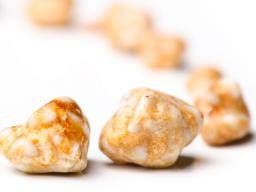
The most common cause of cholecystitis is gallstones. Gallstones are hardened deposits that form from substances in bile, such as cholesterol or bilirubin. Some are tiny, like grains of sand. Others are large enough to make the gallbladder question its career choices.
When a gallstone lodges in the cystic duct, bile cannot drain properly. The trapped bile irritates the gallbladder and causes swelling. This is called calculous cholecystitis because it involves stones. It accounts for the majority of cases.
Acalculous Cholecystitis
Acalculous cholecystitis means gallbladder inflammation without gallstones. It is less common but can be more dangerous because it often affects people who are already very sick, such as patients in intensive care, people recovering from major trauma or burns, or those with severe infections. In these cases, reduced blood flow, bile sludge, infection, or poor gallbladder emptying may contribute to inflammation.
Other Possible Causes
- Tumors that block bile flow
- Bile duct narrowing or scarring
- Severe illness or injury that reduces blood flow to the gallbladder
- Certain infections
- Bile sludge, which is thickened bile that may block drainage
Risk Factors for Cholecystitis
Because gallstones are the leading cause, the risk factors for gallstones also matter for cholecystitis. These include being female, being over age 40, having obesity, rapid weight loss, pregnancy, diabetes, family history, certain liver conditions, and diets high in refined carbohydrates or low in fiber. Estrogen exposure, including pregnancy and some hormone therapies, can also increase gallstone risk.
Rapid weight loss deserves special mention. Losing weight can be healthy, but crash dieting can make bile chemistry more likely to form stones. The gallbladder prefers a steady plan, not a dramatic “I only eat air and cucumber slices now” situation.
How Doctors Diagnose Cholecystitis
Diagnosis usually begins with symptoms, a physical exam, blood tests, and imaging. A clinician may press gently on the upper right abdomen and ask you to breathe in. If this causes sharp pain and you stop inhaling, it may suggest a positive Murphy’s sign, a classic finding in gallbladder inflammation.
Blood Tests
Blood tests may show signs of infection or inflammation, such as an elevated white blood cell count. Doctors may also check liver enzymes, bilirubin, pancreatic enzymes, and other markers to look for bile duct blockage, liver irritation, or pancreatitis.
Ultrasound
Abdominal ultrasound is commonly the first imaging test for suspected gallbladder disease. It can show gallstones, gallbladder wall thickening, fluid around the gallbladder, and bile duct enlargement. Ultrasound is widely used because it is fast, noninvasive, and does not use radiation.
HIDA Scan
A HIDA scan, also called cholescintigraphy, tracks how bile moves from the liver into the gallbladder and small intestine. If the gallbladder does not fill properly, it may indicate a blockage or acute cholecystitis. This test may be used when ultrasound results are unclear.
CT Scan, MRI, or MRCP
CT scans can help detect complications such as perforation, abscess, or other abdominal problems that mimic gallbladder pain. MRI or MRCP may be used to look more closely at the bile ducts, especially if doctors suspect a stone in the common bile duct.
Treatment for Cholecystitis
Treatment depends on the severity of the condition, the patient’s overall health, and whether complications are present. Acute cholecystitis often requires hospital care. The main goals are to control inflammation, treat infection if present, relieve pain, and prevent recurrence.
Hospital Care
Initial treatment may include fasting to rest the gallbladder, intravenous fluids to prevent dehydration, pain medicine, anti-nausea medicine, and antibiotics if infection is suspected. These steps can stabilize symptoms, but they do not always fix the underlying problem. If gallstones caused the attack, symptoms may return unless the gallbladder is removed.
Cholecystectomy: Gallbladder Removal
The definitive treatment for many cases of cholecystitis is cholecystectomy, which means surgical removal of the gallbladder. Most procedures are done laparoscopically, using small incisions, a tiny camera, and specialized instruments. Laparoscopic surgery usually means less pain, smaller scars, and faster recovery than open surgery.
Some people need open surgery, especially if there is severe inflammation, scar tissue, infection, or anatomy that makes laparoscopic surgery unsafe. Surgeons may start laparoscopically and switch to open surgery if needed. That is not a failure; it is a safety decision.
Gallbladder Drainage
If a person is too sick for immediate surgery, doctors may place a drainage tube into the gallbladder. This procedure, called percutaneous cholecystostomy, can reduce pressure and infection risk. Surgery may be considered later when the patient is stronger.
ERCP for Bile Duct Stones
If a stone blocks the common bile duct, doctors may perform endoscopic retrograde cholangiopancreatography, or ERCP. During ERCP, a flexible tube is passed through the mouth into the digestive tract so the doctor can find and remove the blockage. ERCP treats duct stones, but it does not remove the gallbladder itself.
Can You Live Without a Gallbladder?
Yes. Most people live normal lives without a gallbladder. After removal, bile flows directly from the liver into the small intestine instead of being stored first. Some people notice temporary loose stools, gas, or trouble with very fatty meals after surgery. For many, digestion improves over time as the body adjusts.
Doctors may recommend smaller meals, gradual reintroduction of fats, and attention to trigger foods during recovery. This does not mean you must swear off pizza forever. It means your digestive system may appreciate diplomacy before you reintroduce the extra-cheese, double-pepperoni lifestyle.
Possible Complications If Cholecystitis Is Untreated
Untreated cholecystitis can lead to serious complications. The gallbladder may become filled with pus, a condition called empyema. Tissue may die from poor blood flow, known as gangrenous cholecystitis. The gallbladder can tear or rupture, causing infected fluid to spill into the abdomen. Stones can also move into the common bile duct, causing jaundice, cholangitis, or pancreatitis.
These complications are the reason doctors take persistent upper right abdominal pain seriously. Cholecystitis is treatable, but delay can turn a manageable problem into a medical emergency.
Prevention: How to Lower Your Risk
You cannot control every risk factor, but you can reduce your chances of gallstones and gallbladder attacks with healthy habits. Aim for gradual weight loss if needed, regular physical activity, a balanced diet rich in vegetables, fruits, whole grains, lean proteins, and healthy fats, and fewer highly processed foods. Avoid crash diets, because rapid weight loss may increase gallstone risk.
Hydration and steady eating patterns may also help. Skipping meals frequently may contribute to bile sitting in the gallbladder longer. The gallbladder likes routine. It is basically the digestive system’s tiny operations manager.
Recovery After Cholecystitis Treatment
Recovery depends on the treatment. After laparoscopic gallbladder removal, many people return to light activities within a few days and gradually resume normal routines. Heavy lifting and strenuous exercise may need to wait until the surgeon gives the green light. Open surgery usually requires a longer recovery period.
After hospital treatment, follow-up matters. Patients should take prescribed antibiotics exactly as directed, watch for fever or worsening pain, keep surgical sites clean if surgery was performed, and call a doctor if symptoms return. A low-fat diet may be recommended at first, but long-term restrictions vary by person.
Experiences Related to Cholecystitis: What Patients Often Notice
Many people describe their first gallbladder attack as confusing because it does not always feel like “stomach pain.” One common experience is pain that starts after dinner, especially after a rich meal like fried chicken, creamy pasta, burgers, or buttery desserts. At first, someone may assume it is heartburn, gas, or food poisoning. Then the pain keeps building, settles under the right ribs, and may shoot toward the right shoulder blade. That shoulder pain surprises people. The gallbladder may be small, but apparently it knows how to send messages across town.
Another common experience is the “it comes in waves, but it never really leaves” pattern. Biliary colic from gallstones may improve after a few hours, but acute cholecystitis tends to linger and intensify. People may try antacids, ginger tea, walking, stretching, or lying in strange positions that make the living room look like a beginner yoga class gone wrong. When fever, chills, vomiting, or severe tenderness appear, the situation usually becomes harder to dismiss.
Patients often report feeling nervous when surgery is recommended. That is understandable. Nobody wakes up excited to hear, “Good news, we found the problem; less-good news, it involves an operating room.” Still, many are relieved after treatment because the recurring attacks stop. People who had months of post-meal anxiety often describe gallbladder removal as getting their schedule back. Instead of planning life around whether lunch might cause pain, they can gradually return to normal eating with guidance from their care team.
Diet after cholecystitis treatment varies. Some people tolerate most foods quickly, while others need time. A practical approach is to start with smaller meals and lower-fat choices, then slowly test foods. For example, grilled chicken, rice, soup, oatmeal, bananas, toast, and vegetables may feel easier early on. Later, people may reintroduce eggs, dairy, avocado, nuts, or restaurant meals in modest portions. The key is not panic; it is observation. A simple food diary can help identify what causes bloating or loose stools during recovery.
Another experience patients mention is fatigue. Even when laparoscopic surgery goes smoothly, the body has still been through inflammation, anesthesia, healing, and sometimes infection. Rest is not laziness; it is repair work. Many people feel better when they walk a little each day, drink fluids, follow lifting restrictions, and avoid turning recovery into a competitive sport.
The biggest lesson from real-world cholecystitis stories is simple: do not ignore severe upper abdominal pain that lasts. The gallbladder is not known for subtle poetry. When it complains loudly, especially with fever, vomiting, or jaundice, it is time for medical evaluation. Prompt care can prevent complications and usually leads to a smoother recovery.
Conclusion
Cholecystitis is inflammation of the gallbladder, most often caused by gallstones blocking bile flow. Its main symptoms include upper right abdominal pain, nausea, vomiting, fever, chills, and tenderness. Diagnosis usually involves a physical exam, blood tests, and imaging such as ultrasound, HIDA scan, CT, MRI, or MRCP. Treatment may include hospital care, IV fluids, pain control, antibiotics, gallbladder drainage, ERCP for duct stones, and often gallbladder removal.
The good news is that cholecystitis is highly treatable when recognized early. The not-so-good news is that waiting too long can raise the risk of serious complications. If symptoms suggest a gallbladder attack or acute cholecystitis, getting medical care quickly is the smart move. Your gallbladder may be small, but when it gets inflamed, it deserves attention.
Note: This article is for educational purposes only. It should not replace diagnosis, treatment, or personalized advice from a licensed healthcare professional. Seek urgent medical care for severe abdominal pain, fever, persistent vomiting, jaundice, fainting, or symptoms that rapidly worsen.