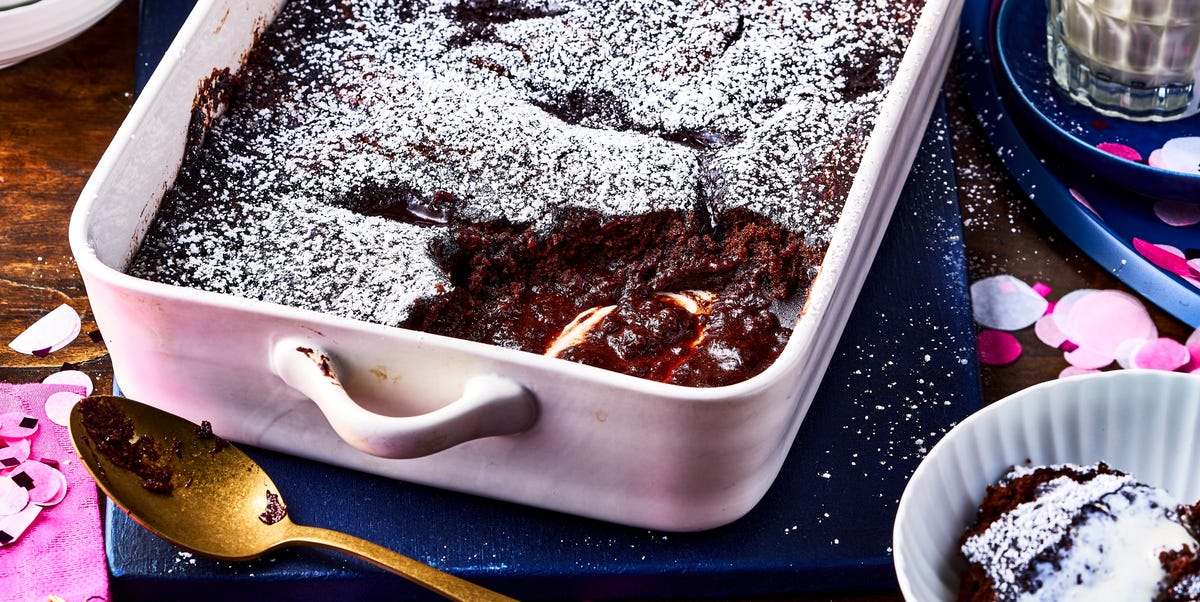
Chocolate and whisky self-saucing pudding sounds like the kind of dessert that walks into a dinner party wearing a velvet jacket. It is rich, dramatic, warm, and just a little mysterious. But the best part is this: it is not fussy. No pastry degree, no sugar thermometer, no panic-whisking over a double boiler while questioning your life choices. This dessert creates its own glossy chocolate sauce in the oven, which feels like kitchen magic but is really just smart baking science.
For a web-friendly, family-safe version, this article focuses on a whisky-inspired chocolate self-saucing pudding using deep, smoky, caramel-like flavors without relying on alcoholic ingredients. Think strong coffee, vanilla, brown sugar, cocoa, and a whisper of malted warmth. The result still gives you that grown-up dessert energy: dark chocolate, roasted notes, buttery softness, and a sauce that pools under the sponge like a delicious secret.
If chocolate cake and hot fudge sauce had a very cozy baby, this would be it. Spoon it into bowls, add vanilla ice cream, and prepare for silence at the tablethe good kind, where everyone is too busy eating to speak.
What Is Chocolate and Whisky Self-Saucing Pudding?
A self-saucing pudding is a baked dessert that separates into two layers as it cooks: a tender cake-like sponge on top and a warm sauce underneath. The batter goes into the baking dish first. Then a dry mixture of cocoa and sugar is sprinkled over the top. Finally, hot liquid is poured over everything without stirring. Yes, it looks wrong. No, you should not panic.
As the pudding bakes, the cake rises and sets while the liquid travels downward, dissolving the sugar and cocoa into a thick chocolate sauce. The top becomes soft and cakey, the bottom becomes molten and spoonable, and everyone acts like you did something extremely complicated. Let them believe that.
The “whisky” idea in this dessert comes from flavor pairing. Whisky is known for notes such as oak, caramel, smoke, vanilla, spice, toasted grain, and dried fruit. Those same notes can be echoed beautifully with pantry ingredients: dark brown sugar for molasses depth, espresso or strong coffee for roasted bitterness, vanilla for warmth, malted milk powder for grain-like sweetness, and a tiny pinch of salt to sharpen the chocolate.
Why Chocolate and Whisky-Style Flavors Work So Well
Chocolate loves contrast. It wants bitterness, sweetness, fat, salt, and aroma all working together like a tiny dessert orchestra. Dark cocoa provides intensity. Brown sugar adds caramel depth. Butter brings richness. Coffee enhances the chocolate without making the pudding taste like a latte. Vanilla smooths the edges. A whisky-inspired flavor profile adds warmth and complexity, making the pudding taste less like a simple weeknight cake and more like something served at a candlelit restaurant.
The trick is balance. Too much bitterness makes dessert feel stern, like it wants you to file taxes. Too much sugar makes it flat. The best chocolate self-saucing pudding has a soft cake layer, a generous sauce layer, and a flavor that keeps unfolding with each spoonful.
Ingredients That Build a Better Self-Saucing Pudding
1. Cocoa Powder
Use unsweetened cocoa powder. Natural cocoa gives a sharper, fruitier chocolate taste, while Dutch-process cocoa gives a smoother, darker flavor. Either works, but Dutch-process cocoa often makes the dessert feel richer and more luxurious. Sift it if it looks lumpy. Cocoa lumps are tiny villains, and we do not negotiate with them.
2. Brown Sugar
Brown sugar is essential for the sauce. It dissolves into the hot liquid and creates a caramel-like base. Dark brown sugar gives stronger molasses notes, which pair especially well with chocolate, coffee, and whisky-style flavors.
3. Strong Coffee or Espresso
Hot coffee is one of the best liquids for the sauce layer because it intensifies chocolate flavor. The pudding will not necessarily taste like coffee; it will simply taste more chocolatey. If you prefer not to use coffee, hot water works, but coffee gives the dessert more depth.
4. Malted Milk Powder
Malted milk powder is optional but highly recommended. It adds a toasted, grain-like sweetness that helps create a whisky-inspired flavor without using alcohol. It also makes the dessert taste slightly nostalgic, like a chocolate malt met a warm brownie and decided to move in.
5. Butter and Milk
Butter gives the sponge richness, while milk keeps it tender. Whole milk is ideal, but 2% milk works too. Avoid overmixing once the wet and dry ingredients meet; a gentle hand keeps the cake layer soft.
6. Vanilla and Salt
Vanilla adds roundness, and salt makes the chocolate pop. Even sweet desserts need salt. Without it, chocolate can taste oddly muted, like it is speaking through a pillow.
Chocolate and Whisky-Inspired Self-Saucing Pudding Recipe
This recipe is designed for an 8-inch square baking dish and serves 6 people. It is cozy enough for a family dessert and polished enough for guests.
Ingredients for the Cake Layer
- 1 cup all-purpose flour
- 1/2 cup granulated sugar
- 1/4 cup unsweetened cocoa powder
- 2 teaspoons baking powder
- 1/4 teaspoon fine salt
- 1/3 cup malted milk powder
- 1/2 cup whole milk
- 1/4 cup unsalted butter, melted
- 1 teaspoon vanilla extract
- 1 teaspoon coffee extract or 1 tablespoon cooled strong coffee
Ingredients for the Sauce Layer
- 3/4 cup packed dark brown sugar
- 1/4 cup unsweetened cocoa powder
- 1 1/4 cups hot strong coffee
- 1 teaspoon vanilla extract
- Pinch of salt
Optional Toppings
- Vanilla ice cream
- Lightly whipped cream
- Chocolate shavings
- Toasted pecans or walnuts
- Flaky sea salt
Step-by-Step Instructions
Step 1: Prepare the Baking Dish
Preheat the oven to 350°F. Lightly butter an 8-inch square baking dish. Place the dish on a rimmed baking sheet to catch any bubbling sauce. This is not pessimism; it is wisdom wearing an apron.
Step 2: Mix the Dry Ingredients
In a medium bowl, whisk together the flour, granulated sugar, cocoa powder, baking powder, salt, and malted milk powder. Whisking helps distribute the leavening evenly, which gives the pudding a more consistent texture.
Step 3: Add the Wet Ingredients
Add the milk, melted butter, vanilla extract, and coffee extract or cooled strong coffee. Stir gently until the batter is just combined. It should look thick, glossy, and spreadable. Do not beat it aggressively. This is pudding, not a gym membership.
Step 4: Spread the Batter
Spoon the batter into the prepared baking dish and spread it evenly. The layer will be fairly shallow, but that is normal. The cake rises as it bakes, and the sauce forms underneath.
Step 5: Add the Dry Sauce Topping
In a small bowl, combine the dark brown sugar, cocoa powder, and a pinch of salt. Sprinkle this mixture evenly over the batter. Do not stir. The dry topping is what helps create the sauce layer.
Step 6: Pour Over the Hot Coffee
Mix the hot strong coffee with vanilla extract. Slowly pour it over the back of a spoon across the surface of the pudding. Pouring gently helps avoid craters in the batter. Again, do not stir. It will look like a mistake. It is not. This is the awkward stage before greatness.
Step 7: Bake Until Set on Top
Bake for 32 to 38 minutes, or until the top looks set and slightly springy. The pudding should still feel soft underneath. If you insert a spoon near the edge, you should see sauce bubbling below the cake layer.
Step 8: Rest Before Serving
Let the pudding rest for 8 to 10 minutes before serving. This gives the sauce time to thicken slightly. Serve warm with vanilla ice cream or whipped cream.
How to Know When Self-Saucing Pudding Is Done
The biggest mistake is overbaking. A self-saucing pudding should not bake until dry like a standard cake. The top should be cooked, but the bottom should remain saucy. Look for a cake layer that has risen and set, with edges that gently pull away from the dish. The center may wobble slightly, which is good. A dry center means the sauce has gone into hiding, and nobody wants that.
If your oven runs hot, start checking around 30 minutes. If your dish is glass or ceramic, the pudding may take a few extra minutes because those materials heat more slowly than metal. The goal is not perfection in appearance; the goal is spoonable drama.
Flavor Variations
Mocha Chocolate Self-Saucing Pudding
Increase the coffee flavor by adding instant espresso powder to the sauce topping. This creates a bolder, darker pudding that tastes like a brownie with excellent manners.
Salted Caramel Chocolate Pudding
Add a pinch of flaky sea salt before serving and drizzle with warm caramel sauce. The caramel brings out the brown sugar notes and makes the pudding taste extra indulgent.
Orange Chocolate Pudding
Add 1 teaspoon of orange zest to the batter. Chocolate and orange are classic partners, and the citrus brightens the dessert without making it feel heavy.
Smoky Campfire Chocolate Pudding
Add a tiny pinch of smoked salt to the sauce topping. Use restraint; smoked salt is powerful. You want “cozy fireplace,” not “dessert survived a barbecue accident.”
Nutty Brown Butter Version
Brown the butter before adding it to the batter. Brown butter contributes toasted, nutty flavors that pair beautifully with cocoa, coffee, and malt.
Serving Ideas for Maximum Dessert Glory
Chocolate and whisky-style self-saucing pudding is best served warm. The classic pairing is vanilla ice cream because the cold cream melts into the hot sauce, creating a silky contrast. Whipped cream is lighter and lets the chocolate take center stage. For crunch, add toasted pecans, walnuts, or hazelnuts.
If serving for a dinner party, bake the pudding just before dessert. You can mix the dry ingredients ahead of time and keep them covered. You can also prepare the sauce topping in a separate bowl. When guests are almost ready for dessert, assemble, pour, bake, and let the oven do the showmanship.
For a cozy night in, serve it in shallow bowls with a spoonful of ice cream and a pinch of flaky salt. No plating tweezers required. This is comfort food, not a museum exhibit.
Common Mistakes and How to Avoid Them
Stirring After Adding the Hot Liquid
Do not stir once the hot coffee has been poured over the batter. Stirring blends the layers and prevents the sauce from forming properly. Trust the process, even when it looks suspicious.
Using Too Small a Dish
The pudding needs room to bubble. If the dish is too small, the sauce may overflow. An 8-inch square dish works well, especially when placed on a baking sheet.
Overbaking
Overbaking turns the sauce into cake. The top should be set, but the bottom should remain molten. Remember: the sauce is the point.
Skipping the Salt
Salt is not there to make the dessert salty. It sharpens the chocolate, balances the sugar, and makes every bite taste fuller.
Using Weak Cocoa
Because cocoa is the main flavor, quality matters. Choose a cocoa powder with a deep aroma and clean flavor. If it smells dusty or stale, your pudding will taste tired.
Storage and Reheating Tips
This pudding is best eaten warm from the oven, but leftovers are still worth saving. Let the pudding cool, cover it, and refrigerate it within two hours. Reheat individual servings in the microwave until warm. The sauce will thicken after chilling, so add a small splash of milk or coffee before reheating if you want to loosen it.
Leftover pudding can usually be enjoyed for several days when stored properly in the refrigerator. For the best texture, reheat gently and avoid overheating, which can make the cake layer rubbery.
Why This Dessert Belongs on Your Comfort Food List
Some desserts are impressive because they are precise. Others are impressive because they make people happy. Chocolate and whisky-inspired self-saucing pudding belongs to the second group. It is not about sharp edges, perfect layers, or glossy decorations. It is about warmth, aroma, and the joy of digging a spoon through soft cake into hidden chocolate sauce.
It also has a rare advantage: it feels special without being stressful. You can make it with common pantry ingredients, serve it straight from the dish, and still earn the kind of compliments usually reserved for desserts with French names.
Extra Experiences: Living With Chocolate and Whisky Self-Saucing Pudding
The first time you make chocolate and whisky-style self-saucing pudding, the process may test your faith. You spread a normal-looking chocolate batter into a dish. Fine. You sprinkle sugar and cocoa on top. Still fine. Then you pour hot coffee over the whole thing and every sensible baking instinct in your body shouts, “Absolutely not.” This is the moment when self-saucing pudding separates the cautious from the brave.
But then the oven takes over. After ten minutes, the kitchen begins to smell like brownies, roasted coffee, and warm caramel. After twenty minutes, the top starts to rise and crack slightly. By thirty minutes, the dessert has transformed into something that looks humble but smells like it should have its own fan club.
The real magic happens at the table. The first spoonful breaks through the cake layer and reveals the sauce underneath. It is the dessert equivalent of finding a secret room in a house. People lean in. Someone says, “Wait, how did it do that?” This is your opportunity to smile mysteriously and say, “Science,” while accepting praise you only partly earned.
This pudding is especially good on cold evenings, rainy weekends, or any day that has involved too many emails. It is also a great dessert for people who claim they “do not like sweets” and then somehow eat half the dish. The chocolate is deep enough to feel grown-up, while the sauce keeps it playful and comforting.
One of the best experiences is serving it with vanilla ice cream. The ice cream melts into the sauce and turns the bottom of the bowl into a creamy chocolate river. If you add toasted nuts, you get crunch. If you add flaky salt, the chocolate becomes sharper and more intense. If you add whipped cream, the whole thing becomes lighter, though only emotionally. It is still dessert. Let us not pretend it is a salad.
This pudding also teaches a useful baking lesson: not every great dessert requires perfect technique. Some recipes reward patience, some reward precision, and some reward the ability to leave things alone. Self-saucing pudding falls into that final category. Do not stir. Do not poke. Do not keep opening the oven door like a nervous stage parent. Give it time, and it will handle itself.
For home cooks, that reliability is part of the charm. You can make it for guests without assembling layers or decorating anything. You can make it for family without dirtying every bowl in the kitchen. You can make it for yourself and eat it in pajamas while watching a movie. It adapts to the mood.
The whisky-inspired flavor profile gives the dessert a sophisticated edge while keeping it approachable. The combination of coffee, malt, brown sugar, vanilla, and cocoa creates a warm, rounded flavor that feels deeper than ordinary chocolate cake. It tastes like something that took longer than it did, which is one of the great victories of home baking.
In the end, chocolate and whisky-style self-saucing pudding is not just a recipe. It is a small event. It asks for a spoon, a warm bowl, and maybe five quiet minutes where nobody needs anything from you. That alone makes it worth baking.
Conclusion
Chocolate and whisky self-saucing pudding is the kind of dessert that proves comfort food can still feel elegant. With a soft chocolate sponge, a hidden fudgy sauce, and whisky-inspired notes of coffee, malt, vanilla, and brown sugar, it delivers big flavor with surprisingly little effort. The method is simple: layer the batter, sprinkle the cocoa-sugar topping, pour over hot liquid, and let the oven create the sauce. Serve it warm with ice cream, whipped cream, or toasted nuts, and you have a dessert that feels cozy, dramatic, and deeply satisfying.