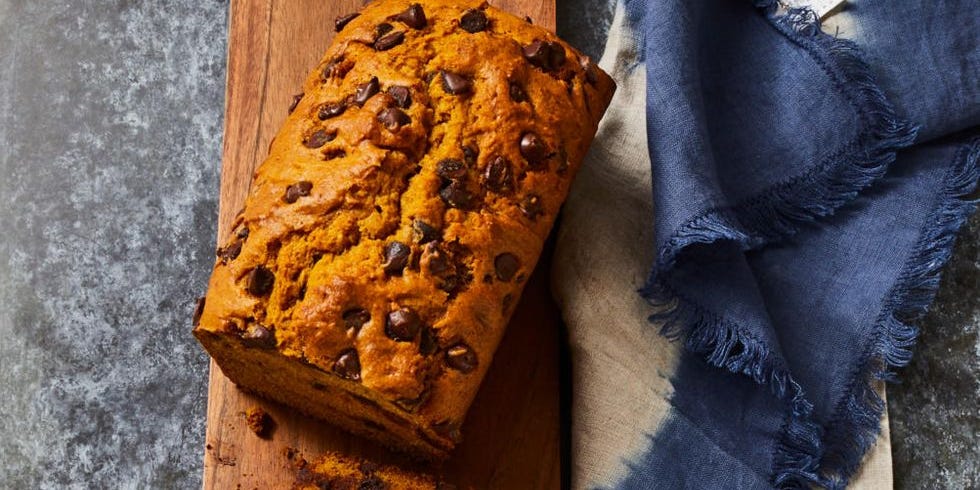
Some fall recipes politely suggest that cooler weather has arrived. Pumpkin chocolate chip bread kicks open the kitchen door wearing a cinnamon-scented sweater. It is moist, warmly spiced, generously studded with chocolate, and easy enough to make without hauling out a stand mixer.
This recipe strikes the sweet spot between pumpkin bread and snack cake. Pumpkin puree and oil keep the crumb tender, brown sugar adds a subtle caramel flavor, and semisweet chocolate chips provide rich pockets of chocolate without overpowering the spices. Best of all, the batter comes together in two bowls with ordinary grocery-store ingredients.
The method matters as much as the ingredient list. Accurate flour measurement, gentle mixing, the correct loaf pan, and enough cooling time prevent the usual quick-bread troubles: a gummy center, dry edges, sunken chocolate chips, or a loaf that crumbles like it has lost all confidence.
Why This Is the Best Pumpkin Chocolate Chip Bread
A great pumpkin chocolate chip bread should taste distinctly like pumpkin, not merely like cinnamon cake wearing an orange disguise. It should also be moist without feeling wet or heavy. This version delivers that balance through a carefully proportioned mixture of pumpkin puree, oil, eggs, sour cream, and flour.
- Deep fall flavor: Cinnamon, ginger, nutmeg, and cloves complement the pumpkin without turning every bite into a mouthful of potpourri.
- Soft, moist texture: Pumpkin, neutral oil, brown sugar, and sour cream help the loaf remain tender for several days.
- Chocolate in every slice: Semisweet chips add sweetness and contrast while still allowing the pumpkin spice flavor to shine.
- No electric mixer required: A whisk, a spatula, and two bowls can handle the entire operation.
- Freezer-friendly: The loaf freezes well whole or in individual slices, making it useful for holidays, breakfasts, and snack emergencies.
Ingredients for Pumpkin Chocolate Chip Bread
This recipe makes one standard 9-by-5-inch loaf, or approximately 10 generous slices.
Dry Ingredients
- 1 3/4 cups all-purpose flour, preferably weighed at 210 grams
- 1 teaspoon baking soda
- 1/2 teaspoon baking powder
- 3/4 teaspoon fine salt
- 2 teaspoons ground cinnamon
- 1/2 teaspoon ground ginger
- 1/4 teaspoon ground nutmeg
- 1/8 teaspoon ground cloves
Wet Ingredients and Mix-Ins
- 2 large eggs, at room temperature
- 3/4 cup packed light brown sugar
- 1/3 cup granulated sugar
- 1 cup plain pumpkin puree
- 1/2 cup neutral oil, such as canola, vegetable, or avocado oil
- 1/4 cup full-fat sour cream
- 2 teaspoons pure vanilla extract
- 3/4 cup semisweet chocolate chips, plus 2 tablespoons for the top
Important note: Use plain canned pumpkin puree, not pumpkin pie filling. Pie filling already contains sugar and spices, so substituting it would change both the flavor and the structure of the bread.
How to Make Pumpkin Chocolate Chip Bread
1. Prepare the Oven and Pan
Preheat the oven to 350°F. Lightly grease a 9-by-5-inch metal loaf pan. Line it with parchment paper, leaving an overhang along the long sides so the finished bread can be lifted out easily.
A light-colored metal pan produces the most predictable results. Glass and dark metal pans absorb heat differently and may brown the outside before the middle has finished baking. If either is your only option, begin checking the loaf early.
2. Combine the Dry Ingredients
In a medium bowl, whisk together the flour, baking soda, baking powder, salt, cinnamon, ginger, nutmeg, and cloves. Whisk for about 30 seconds so the leaveners and spices are evenly distributed.
This small step prevents unfortunate pockets of baking soda. Nothing interrupts a cozy fall moment quite like a bite that tastes faintly of household cleaning supplies.
3. Mix the Wet Ingredients
In a large bowl, whisk the eggs, brown sugar, and granulated sugar until smooth. Add the pumpkin puree, oil, sour cream, and vanilla. Continue whisking until the mixture is evenly blended and no streaks of sour cream remain.
Room-temperature ingredients combine more readily, but there is no need for a laboratory-level temperature check. If the eggs are cold, place them in a bowl of warm tap water for five minutes.
4. Make the Batter
Add the dry ingredients to the pumpkin mixture. Fold gently with a flexible spatula until only a few thin streaks of flour remain. Fold in 3/4 cup of chocolate chips, stopping as soon as the batter looks evenly combined.
Do not beat or aggressively stir the batter. Excess mixing encourages gluten development, which can make quick bread rubbery or tough. A few tiny flour specks are less dangerous than a five-minute whisking marathon.
5. Fill the Pan
Transfer the batter to the prepared loaf pan and spread it evenly into the corners. Scatter the remaining 2 tablespoons of chocolate chips over the top. Besides looking attractive, those visible chips announce exactly what kind of excellent decision is waiting inside.
6. Bake Until Set
Bake for 55 to 65 minutes. Begin checking at 50 minutes because oven temperatures and loaf pans vary. The bread is ready when the top springs back lightly and a wooden pick inserted near the center comes out with a few moist crumbs but no wet batter.
A pick that hits melted chocolate will naturally look wet, so test in two or three places. If using an instant-read thermometer, the center should be close to 200°F. If the top becomes dark before the middle is done, loosely cover it with aluminum foil for the remaining baking time.
7. Cool Before Slicing
Cool the loaf in its pan for 15 minutes. Use the parchment overhang to lift it onto a wire rack, then let it cool for at least one hour before cutting.
Warm pumpkin bread smells persuasive, but slicing too soon compresses its delicate interior and can create a gummy-looking line. Waiting allows steam to escape and the crumb to set. Consider this cooling period a character-building exercise.
The Ingredients That Create a Moist, Tender Loaf
Pumpkin Puree
Pumpkin puree contributes moisture, color, mild earthy sweetness, and body. Canned puree is especially reliable because its consistency is more uniform than homemade puree. Fresh pumpkin can work, but it may contain substantially more water.
If using homemade pumpkin puree, choose a sugar or pie pumpkin rather than a large carving pumpkin. Roast it until tender, blend the flesh, and drain watery puree through cheesecloth or a fine-mesh strainer before measuring one cup.
Oil and Sour Cream
Neutral oil remains liquid at room temperature, helping the bread stay soft even after it has cooled. Sour cream adds richness and mild acidity while supporting a tender crumb. Full-fat plain Greek yogurt can replace the sour cream in an equal amount, although its tang may be slightly more noticeable.
Brown and Granulated Sugars
Brown sugar contains molasses, which brings deeper flavor and additional moisture. Granulated sugar helps the loaf rise and gives the crust a delicate structure. Using both produces a better balance than relying entirely on either one.
Warm Spices
Cinnamon provides the dominant flavor, ginger adds warmth, nutmeg supplies nuttiness, and cloves contribute a concentrated aromatic note. Cloves are powerful, so the small measurement is intentional. This is pumpkin bread, not a spice cabinet initiation ceremony.
Semisweet Chocolate Chips
Semisweet chocolate offers enough sweetness for a classic loaf without making it cloying. Mini chips distribute more evenly, while standard chips create larger melted pockets. Dark chocolate chips offer a less-sweet variation, and milk chocolate works for anyone who prefers a dessert-like result.
Common Pumpkin Bread Problems and Solutions
Why Is the Center Gummy?
A gummy center usually means the loaf was underbaked, sliced while too warm, or made with excess pumpkin or flour. Test the bread in multiple places and let it cool fully. Accurate measuring is particularly important because quick-bread batter has little room for spontaneous ingredient improvisation.
Why Did the Bread Sink?
A loaf may sink when it is removed before the center has set, when too much leavening is used, or when the oven door is opened repeatedly during the first part of baking. Measure baking soda and baking powder carefully, preheat the oven completely, and avoid checking before 45 minutes.
Why Is the Bread Dry?
Too much flour and excessive baking are the most common causes. For the greatest accuracy, weigh the flour. Otherwise, fluff it, spoon it into the measuring cup, and level the top without packing it down. Remove the bread when the tester shows moist crumbs rather than waiting until it is completely dry.
Why Did the Chocolate Chips Sink?
Chocolate chips may settle when the batter is unusually thin or the chips are especially large. This batter is thick enough to suspend standard chips, but mini chips are the safest choice for perfectly even distribution. Make sure the pumpkin measurement is level rather than generously heaped.
Why Is There a Crack on Top?
A lengthwise crack is normal. The outside of a quick bread sets before the center finishes expanding, so steam pushes through the weakest point. That rustic split is a feature, not a baking scandal.
Easy Variations
- Pumpkin pecan bread: Replace 1/4 cup of the chocolate chips with toasted chopped pecans.
- Dark chocolate pumpkin bread: Use bittersweet chips and sprinkle a small pinch of flaky salt on top before baking.
- Orange-spiced loaf: Add 1 tablespoon of finely grated orange zest to the wet ingredients.
- Streusel topping: Combine brown sugar, flour, cinnamon, and cold butter, then crumble it over the batter before baking.
- Whole-wheat variation: Replace up to half of the all-purpose flour with white whole-wheat flour. The texture will be slightly heartier.
- Mini loaves: Divide the batter among greased mini loaf pans and begin checking after 25 minutes.
- Pumpkin chocolate chip muffins: Fill lined muffin cups about three-quarters full and bake at 350°F for approximately 18 to 22 minutes.
How to Store and Freeze Pumpkin Chocolate Chip Bread
Allow the loaf to cool completely before wrapping it. Trapping warmth encourages condensation, which can make the surface sticky and shorten its storage life.
Store pumpkin chocolate chip bread in an airtight container at room temperature for up to three days. Place a paper towel beneath the loaf if the kitchen is humid. For longer storage, refrigerate it for up to one week, although refrigeration may make the crumb feel firmer.
To freeze the entire loaf, wrap it tightly in plastic wrap and then in aluminum foil or place it in a freezer-safe bag. Freeze for up to three months. Thaw it overnight at room temperature while still wrapped so moisture stays in the bread rather than collecting on its surface.
Individual slices are even more convenient. Wrap each one separately and freeze them together in a labeled container. Let a slice thaw on the counter, or warm it briefly in a microwave or toaster oven.
Serving Ideas
A plain slice is excellent with coffee, black tea, or cold milk. For breakfast, warm it gently and add salted butter, cream cheese, almond butter, or maple-sweetened Greek yogurt. For dessert, serve a thicker slice with vanilla ice cream and a drizzle of warm caramel sauce.
The loaf also makes a practical edible gift. Let it cool fully, wrap it in parchment, and tie it with kitchen twine. Add a label noting that it contains wheat, eggs, dairy, and chocolate. If nuts were included, mention those clearly as well.
Kitchen Experience: Lessons From Making Better Pumpkin Bread
The most noticeable lesson from comparing pumpkin bread methods is that moisture can be both the hero and the troublemaker. A generous amount of pumpkin sounds unquestionably better, but adding more puree without changing the flour or baking time can produce a heavy stripe near the bottom. The loaf may look finished on top while the interior remains closer to pudding than bread. One measured cup provides bold pumpkin character while preserving a tender, sliceable crumb.
Canned pumpkin consistently gives the easiest results. Homemade puree can be delicious, especially when made from roasted sugar pumpkins, but every batch behaves differently. One pumpkin may produce thick puree that sits proudly on a spoon; another may produce something resembling orange soup. Draining loose homemade puree before baking makes a striking difference. It concentrates the flavor and prevents the batter from becoming too wet.
The pan can also change the outcome more than many bakers expect. In a light metal 9-by-5-inch pan, the loaf generally rises evenly and develops a gently browned crust. A smaller pan creates a taller loaf but may require more baking time. Dark pans can produce firm edges early, while glass retains heat and continues cooking the bread after it leaves the oven. When a familiar recipe suddenly acts unfamiliar, the pan deserves questioning before the pumpkin does.
Another useful experience is learning what “do not overmix” actually means. The batter does not need to look polished. Folding until the flour has almost disappeared, adding the chips, and stopping after a few final turns creates a softer crumb. Continued stirring makes the batter smoother but the baked bread tougher. In quick-bread baking, visual perfection in the bowl can be suspicious.
Chocolate choice changes the personality of the loaf. Milk chocolate makes it sweeter and especially appealing to children. Bittersweet chocolate emphasizes the earthy pumpkin and spices. Semisweet chips land comfortably in the middle and tend to please the widest audience. Mini chips offer chocolate in nearly every bite, while chopped chocolate creates irregular puddles and dramatic streaks. Both are excellent; they are simply different kinds of excellent.
Cooling is perhaps the hardest lesson because fresh bread makes the kitchen smell unfairly good. A slice cut after ten minutes may taste wonderful, but it often looks compressed and damp. After an hour on a rack, the same loaf cuts cleanly and has a more balanced texture. By the following morning, the spices taste deeper and the moisture has redistributed through the crumb. Pumpkin chocolate chip bread is one of those rare foods that can genuinely improve while everyone is asleep.
Finally, the recipe is forgiving when variations remain modest. A handful of toasted pecans adds crunch. Orange zest brightens the warm spices. A pinch of espresso powder deepens the chocolate without making the loaf taste like coffee. Problems usually begin when several substitutions happen at once. Replacing the flour, reducing the sugar, changing the fat, and adding extra pumpkin may create a fine loaf, but it is no longer a small variationit is a culinary group project with no assigned leader.
Final Thoughts
The best pumpkin chocolate chip bread does not need complicated equipment, rare ingredients, or decorative gymnastics. It needs dependable proportions, plain pumpkin puree, fragrant spices, good chocolate, and enough patience to bake and cool properly.
Follow the recipe as written for your first loaf, then make it your own with nuts, orange zest, dark chocolate, or a crumbly topping. Whether served for breakfast, packed into a lunchbox, shared at a holiday gathering, or eaten over the sink after everyone else has gone to bed, this moist pumpkin chocolate chip bread is exactly the sort of fall recipe worth repeating.