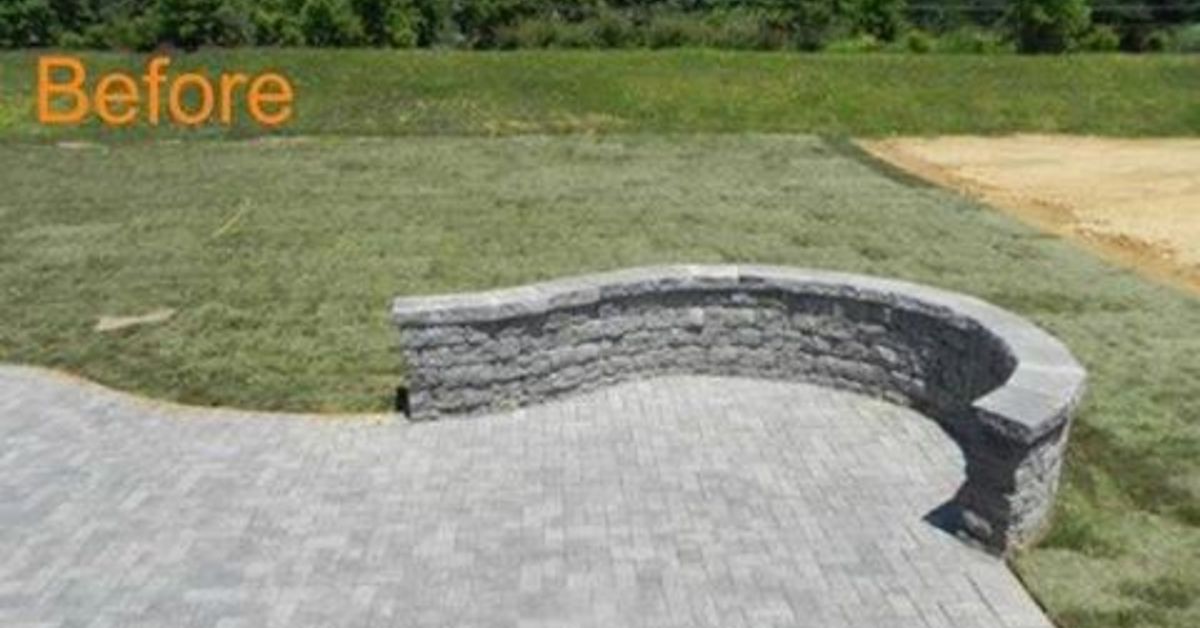
A curved patio already has personality. It refuses to be a boring rectangle. It says, “I have flow, I have charm, and yes, I probably look better in sunset photos than your driveway.” But when you add a pergola to that curved patio, the whole outdoor space can shift from “nice place to sit” to “where did you get this backyard, a magazine?”
The challenge is that pergolas are usually square, rectangular, or at least very fond of straight lines. Curved patios, meanwhile, love arcs, soft edges, fan-shaped layouts, rounded seating areas, and graceful transitions into the garden. So the trick is not forcing a box onto a curve. The trick is designing a pergola that respects the patio’s shape while adding shade, structure, comfort, and a clear outdoor living zone.
Whether your patio is made of concrete, pavers, flagstone, brick, or natural stone, adding a pergola can make it more usable during sunny afternoons, more inviting for dinner, and more dramatic after dark. This guide walks through planning, design, materials, footings, layout, shade options, landscaping, and real-world experience so your pergola looks intentionalnot like a wooden hat dropped onto your patio by a confused giant.
Why a Pergola Works So Well on a Curved Patio
A pergola is an outdoor structure made with posts, beams, and rafters. Its roof is usually open or partially covered, so it provides filtered shade rather than full shelter. That makes it perfect for patios where you want sunlight, airflow, and a defined gathering space without closing off the yard.
On a curved patio, a pergola does three important jobs. First, it creates a visual anchor. Curved patios can feel relaxed and organic, but sometimes they need a strong focal point to keep the furniture from looking as if it wandered in from three different yards. Second, a pergola adds vertical interest. Instead of everything happening at ground levelpavers, chairs, planters, a grill, the dog’s tennis ball collectionthe eye moves upward. Third, it gives the patio a purpose. Under a pergola, a dining table becomes an outdoor dining room. A sofa becomes a lounge. A pair of chairs becomes a coffee nook where you can pretend you are “checking the garden” while avoiding email.
Start With the Patio Shape, Not the Pergola Catalog
The most common mistake when adding a pergola to a curved patio is choosing the pergola first. A standard 10-by-12-foot kit may be convenient, but if it ignores the curve of your patio, it can look awkward. Before buying anything, study the patio’s geometry.
Is the patio a half-circle? A soft kidney shape? A curved extension off a rectangular slab? A round paver patio with a fire pit? A sweeping arc that follows the garden bed? The answer affects where posts should go, how large the pergola should be, and whether the structure should be freestanding, attached to the house, or custom-built.
Use the “Furniture First” Method
Before marking post locations, place your furniture where it actually feels good. Set up the dining table, chairs, grill cart, lounge seating, or outdoor rug. Leave walking space around the furniture. Then imagine the pergola framing that activity zone. This prevents the classic mistake of building a beautiful pergola in exactly the wrong spot, which is like hanging a chandelier over the dishwasher.
For dining areas, allow enough space to pull out chairs comfortably. For lounging, keep the seating centered under the rafters or slightly forward toward the best view. For grilling, avoid placing smoke directly under low rafters unless you enjoy seasoning your pergola with burger fumes.
Best Pergola Layouts for a Curved Patio
There are several smart ways to place a pergola on a curved patio. The right one depends on the patio size, sun direction, house location, and how much of the curved edge you want to highlight.
1. Centered Rectangular Pergola
This is the simplest option. A rectangular pergola sits in the middle of the curved patio, usually framing a table or seating set. The contrast between the straight pergola and the rounded patio can look elegant if the pergola is scaled correctly. The key is leaving visible curved patio edges around the structure. If the posts sit too close to the rounded border, the patio can feel cramped.
2. Offset Pergola Along One Side
An offset pergola works well when the curved patio has multiple zones. For example, the pergola can cover the dining area while the open curved section holds a fire pit or container garden. This layout keeps the patio feeling spacious and lets the curve remain part of the design instead of hiding it under the structure.
3. Fan-Inspired Pergola
For a truly custom look, the rafters can follow a fan pattern. The posts may form a rectangle or trapezoid, while the overhead boards angle outward to echo the curved patio edge. This is more complex than a standard kit, but it can look stunning when designed by a skilled carpenter or landscape contractor.
4. Attached Pergola With Curved Patio Below
If the patio curves away from the house, an attached pergola can create a natural indoor-outdoor transition. One side connects to the home, while the outer posts land on or near the patio. This approach works beautifully outside kitchens, dining rooms, and family rooms. However, attached structures require careful attention to flashing, wall strength, drainage, and local permits.
5. Small Corner Pergola
Not every pergola needs to dominate the entire patio. A smaller pergola placed at one end of a curved patio can create a cozy reading spot, bistro corner, or plant-covered retreat. This is especially helpful for smaller patios where a large structure would make the space feel like it is wearing shoulder pads from the 1980s.
Measure the Curve Like a Pro
Curves can fool the eye. A patio may look spacious until you try to place four posts, a dining table, and six chairs on it. Before construction, mark the pergola footprint with painter’s tape, marking paint, stakes, or temporary string lines.
For circular or semi-circular patios, identify the center point and radius. For irregular curves, use a garden hose or rope to trace the edge. Then measure from the house, from fixed landscape features, and from the patio border. If the patio is made of pavers, note where the strongest base areas are and whether any edge restraints might be affected by post placement.
A helpful trick is to mark the actual post bases on the patio with cardboard squares. Walk around them. Pull out chairs. Carry a tray through the space. If you bump into a cardboard post three times, congratulationsyou just saved yourself from bumping into a real post for the next decade.
Footings and Anchoring: The Serious Part With No Room for Guessing
A pergola may look light and airy, but wind treats it like a sail. That means secure anchoring matters. The best footing method depends on your patio material, soil, climate, pergola size, and local code requirements.
Concrete Patio
If the curved patio is poured concrete and in good condition, some pergolas can be anchored with approved post bases and concrete anchors. The slab must be thick and sound enough for the fasteners and loads. Cracked, thin, or poorly supported concrete may not be suitable. In that case, separate footings may be needed.
Paver Patio
Pavers are not usually designed to hold structural loads by themselves. For a pergola on a paver patio, posts typically need footings below the paver surface. The pavers are removed where posts land, holes are dug, concrete footings are poured, and post bases are installed. The pavers are then cut and fitted neatly around the posts or base trim.
Flagstone or Natural Stone Patio
Natural stone varies widely in thickness and stability. Posts should not simply be bolted into loose stone. A contractor may need to remove stone pieces, create proper footings, then reset or trim the stones around the post locations.
Call Before You Dig
Any project that requires digging should begin with an 811 utility locate request in the United States. It is free, practical, and much cheaper than discovering a gas line with a post-hole digger. Contact 811 a few business days before digging and wait for utilities to mark buried lines.
Permits, Codes, and Homeowner Association Rules
Permit requirements vary by city, county, and state. Some areas allow small freestanding pergolas without a permit. Others require permits for structures over a certain size, height, or attachment type. If the pergola attaches to the house, uses electrical wiring, supports a solid roof, or sits near property lines, expect more rules.
Before construction, check local building department requirements and homeowner association guidelines. Ask about setbacks, maximum height, footing depth, wind load, snow load, and whether engineered drawings are needed. This step may feel about as exciting as reading the terms and conditions for a toaster, but it can prevent expensive changes later.
Choosing Materials for a Pergola on a Curved Patio
The material you choose affects appearance, maintenance, cost, and durability. It also affects how well the pergola blends with the patio curve and surrounding landscape.
Wood Pergolas
Wood is classic, warm, and easy to customize. Cedar, redwood, and pressure-treated lumber are common choices. Wood works especially well on curved patios because beams and rafters can be cut, extended, angled, or detailed to suit the shape. The trade-off is maintenance. Expect staining, sealing, painting, or occasional repairs depending on climate and exposure.
Vinyl Pergolas
Vinyl pergolas are low-maintenance and clean-looking. They resist rot and do not need painting. However, they are less flexible for custom curves and often come in standard kit sizes. Vinyl can work beautifully on a formal patio, but it may not be the best choice for an irregular organic layout unless the dimensions fit perfectly.
Aluminum or Steel Pergolas
Metal pergolas can feel modern and sleek. Aluminum is lightweight and resistant to rust, while steel can provide strength with a slim profile. Many metal pergolas include adjustable louvers, retractable canopies, or integrated gutters. On a curved patio, a metal pergola can create a striking contrast, especially when paired with large-format pavers or contemporary furniture.
Composite Materials
Composite pergolas combine durability with lower maintenance. They can mimic painted wood while resisting insects and moisture. They are usually more expensive than basic lumber but may be worth considering in wet or humid climates.
Design Details That Make the Pergola Fit the Curve
The difference between “nice pergola” and “wow, that belongs there” often comes down to details.
Echo the Patio’s Radius
You do not need to build a curved pergola roof to honor a curved patio. You can repeat the curve through furniture placement, a rounded outdoor rug, circular planters, curved bench seating, or an arched planting bed around the posts.
Use Overhangs Carefully
Rafter overhangs add style, but on a curved patio they must be balanced. Too much overhang on one side can make the pergola look off-center. Use consistent overhangs unless the design intentionally responds to a specific view, doorway, or seating area.
Soften Straight Posts With Plantings
Posts are vertical and straight; curved patios are soft and flowing. Bridge the difference with ornamental grasses, climbing vines, large planters, or low shrubs near the post bases. This visually tucks the pergola into the landscape.
Match or Complement the House
A pergola should connect to the home’s style. A craftsman house may suit stained wood with decorative rafter tails. A modern home may look better with black aluminum and clean lines. A farmhouse-style patio may love white posts, warm wood beams, and string lights doing their charming little sparkle routine.
Shade Options: From Dappled Light to “Finally, I Can Sit Here at 3 P.M.”
A basic pergola provides partial shade, but the amount depends on rafter spacing, orientation, and roof additions. If your patio gets intense afternoon sun, consider extra shade features.
Rafter Direction
Rafters can be oriented to block more sun during the hottest part of the day. Study where the sun hits your patio in the morning, afternoon, and evening. A pergola that looks great at noon may be less helpful if the low western sun turns your dinner guests into rotisserie vegetables.
Retractable Canopy
A retractable canopy gives flexibility. Open it for stargazing, close it for shade. Choose outdoor-rated fabric and make sure the system is designed for wind and weather.
Shade Cloth or Sail Panels
Fabric panels can be added between rafters for a soft, resort-style look. They are usually less expensive than motorized louvers and can be replaced when worn.
Climbing Plants
Vines can turn a pergola into a living shade structure. Popular options include clematis, climbing roses, wisteria, trumpet vine, grapevine, and jasmine depending on region. Choose carefully. Some vines are vigorous enough to treat your pergola like a jungle gym with a long-term lease.
Louvered Roof
Adjustable louvers offer more control over sun and rain. They cost more than simple rafters, but they can make the patio more usable across seasons. This is a strong option for homeowners who want a polished outdoor room rather than a purely decorative feature.
Lighting, Fans, and Electrical Planning
Lighting turns a pergola into an evening destination. String lights are popular because they are affordable, warm, and forgiving. Pendant lights can work over dining tables. Low-voltage landscape lights can highlight posts, nearby plants, and the curved patio edge.
If you want outlets, ceiling fans, heaters, speakers, or motorized louvers, plan electrical work before construction. Hire a licensed electrician for permanent wiring. Outdoor electrical installations require weather-rated fixtures, proper protection, and safe routing. Do not run an indoor extension cord across a patio and call it “temporary” for three summers. The cord knows. Your guests know. The rain definitely knows.
Furniture Placement Under a Pergola
Furniture should support the shape of the patio and the purpose of the pergola. A round table looks natural on a curved patio and can soften a square pergola footprint. A rectangular dining table works well under a rectangular pergola but may need curved planters or rounded chairs to keep the overall look from becoming too rigid.
For lounge areas, try a curved sectional, two chairs angled around a coffee table, or a loveseat facing the garden view. Avoid pushing all furniture against the edge. Curved patios often feel best when seating follows the arc but leaves open circulation through the center.
Landscaping Around the Pergola
Landscaping makes the pergola feel rooted. Around a curved patio, plant beds can follow the patio’s arc and soften the transition between hardscape and lawn. Use layered planting: low groundcovers near the edge, medium perennials behind them, and taller shrubs or ornamental grasses near the posts.
Container gardens are especially useful because they can be moved as the sun changes. Place large pots at the pergola corners to visually connect the structure to the patio. Choose planters that match the patio styleterracotta for Mediterranean warmth, concrete for modern calm, glazed ceramic for color, or metal for industrial flair.
Drainage and Patio Surface Considerations
Before installing a pergola, inspect drainage. Water should move away from the house and not pool around post bases. If the curved patio has low spots, sunken pavers, cracked concrete, or loose stones, fix those issues first. A pergola will not solve drainage problems; it will simply give them shade and make them feel more official.
For paver patios, check the base, edge restraints, and joint sand. If posts require cutting into the patio, repair the base properly around each footing. Poor patching can lead to settling, uneven pavers, and wobbly furniture.
Budgeting for the Project
The cost of adding a pergola to a curved patio depends on size, materials, anchoring, customization, labor, electrical features, and shade upgrades. A simple DIY kit may be relatively affordable. A custom wood pergola with footings, lighting, fan wiring, decorative rafter tails, and stain can cost much more. Louvered aluminum systems usually sit at the higher end.
When budgeting, include more than the structure itself. Plan for permits, delivery, concrete, anchors, post bases, tools, stain or paint, furniture adjustments, lighting, landscaping, and possible patio repairs. The pergola may be the star, but the supporting cast still wants a paycheck.
DIY or Hire a Professional?
A confident DIYer can assemble many pergola kits, especially on a flat concrete patio with clear instructions and proper anchors. Custom pergolas, attached pergolas, large structures, uneven patios, paver modifications, electrical work, and complex footings are better suited for professionals.
Hire a contractor if the pergola must integrate with the house, if the patio curve requires custom angles, if the site is windy, if local code requires engineered plans, or if you simply prefer not to spend your weekend holding a beam in the air while questioning your life choices.
Common Mistakes to Avoid
Ignoring Scale
A pergola that is too small looks timid. A pergola that is too large overwhelms the curve and makes the patio feel crowded. Match the size to the furniture zone, not just the total patio size.
Putting Posts in Traffic Paths
Posts should frame the space, not ambush people carrying lemonade. Test walkways before finalizing locations.
Forgetting the Sun Angle
Shade is the main reason many people want a pergola. Study the sun before you build, or you may create shade for a part of the patio nobody uses.
Bolting Into Weak Surfaces
Do not assume every slab, paver, or stone can support a pergola. Use proper footings and hardware.
Skipping Maintenance Planning
Wood needs upkeep. Vines need pruning. Fabric needs cleaning. Lights need weather-safe installation. A pergola is low drama only when you plan for care.
Experience-Based Tips for Adding a Pergola to a Curved Patio
After seeing how curved patios behave in real backyards, one lesson stands out: the curve is not a problem to hide. It is the feature to celebrate. The best pergola designs do not fight the shape. They frame it, repeat it, or leave enough of it visible so the patio still feels graceful.
One practical experience is to spend a full day observing the patio before making decisions. Morning light may reveal that the best coffee spot is near the inner curve. Afternoon sun may show that the dining table needs shade farther west than expected. Evening use may reveal where lighting should go. Homeowners often design from a flat drawing, but patios are lived in under moving light, shifting shadows, wind, and the occasional neighbor’s leaf blower concert.
Another useful lesson is to mock up the pergola height. Standard pergolas often sit around room-like proportions, but the right height depends on the house, patio size, and desired feeling. Too low, and the pergola feels heavy. Too high, and it loses intimacy and shade performance. A simple mockup using poles, ladders, or temporary boards can help you visualize the overhead plane before committing.
Post placement deserves patience. On a curved patio, equal measurements from the patio edge may not produce the best result because the edge is constantly changing. Instead, align the pergola with the house, the main view, or the furniture zone. Then use landscaping to reconcile the straight structure with the curved hardscape. This creates a more natural composition than trying to make every post equally distant from a curved border.
If the patio is made of pavers, plan for a neat finish around posts. Rough cuts around post bases can make even an expensive pergola look unfinished. Use trim, skirts, border pavers, or a small decorative stone ring to make the transition look intentional. It is similar to tailoring a suit: the fabric matters, but the edges tell the truth.
For comfort, add shade in layers. Rafters alone may not be enough in hot climates. A retractable canopy, outdoor curtains, vines, or side screens can make the space usable for more hours of the day. However, avoid adding every shade feature at once. Start with the structure, observe how it performs, then add what is needed. This prevents the patio from turning into a fabric fort.
Lighting is another area where experience pays off. Many people string lights across the top and stop there. That works, but the best curved patio pergolas often combine overhead glow with low lighting along the patio edge. This highlights the curve at night and makes the entire patio feel designed, not just decorated. Warm, subtle lighting usually looks better than bright fixtures that make guests feel as if they are being interviewed.
Finally, think about maintenance access. Can you reach the rafters to clean them? Can vines be pruned without gymnastics? Can fabric panels be removed before storms? Can leaves be cleared from the top? The prettiest pergola in the world becomes less charming when it requires a stepladder, a prayer, and three hours every Saturday.
Adding a pergola to a curved patio is part design puzzle, part construction project, and part lifestyle upgrade. Done well, it gives the patio shade, structure, and atmosphere while preserving the soft movement that made the patio attractive in the first place.
Conclusion
Adding a pergola to a curved patio is about balance. The patio brings movement; the pergola brings structure. The curve softens the yard; the beams define the outdoor room. When the design respects both, the result feels natural, useful, and surprisingly elegant.
Start by understanding how you use the patio. Mark furniture zones, study the sun, check drainage, and choose a pergola layout that works with the curve instead of flattening its personality. Use proper footings, safe anchors, local permits, and materials suited to your climate. Then finish the space with lighting, plants, comfortable furniture, and shade features that match your lifestyle.
A curved patio with a pergola can become the best room you never technically added to the house. It is where morning coffee tastes better, dinners last longer, and even Tuesday feels slightly more like vacation. And if the neighbors suddenly become very interested in your backyard project, just smile. Pergolas have that effect.