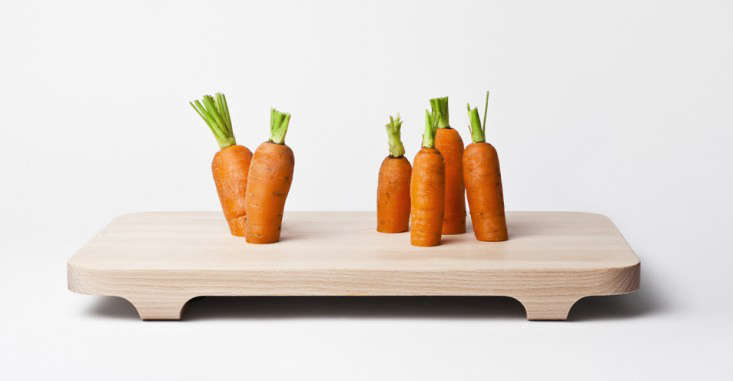
There are kitchen tools that shout for attentionespresso machines with more buttons than a spaceship, stand mixers in colors named after fruit, and gadgets that promise to spiralize your life into wellness. Then there are the quiet heroes: the sturdy chopping block and the humble vegetable brush. They do not blink, beep, or demand counter space like a diva. They simply make fresh food cleaner, prep smoother, and your kitchen feel a little more like a sunlit French farmhouse where lunch somehow includes linen napkins.
A chopping block and vegetable brush set à la Française is not just about looking charming beside a bowl of radishes. It is about returning to the basics of good cooking: clean produce, a reliable work surface, natural materials, and a slower, more intentional rhythm. In French kitchens, beauty and usefulness often share the same chair at the table. A wooden board is not hidden away like an embarrassing appliance manual. It is part of the room. A vegetable brush is not an afterthought. It is the first step toward carrots that taste like carrots, potatoes that roast beautifully, and mushrooms that do not carry half the garden into your pan.
Why This Simple Set Deserves a Permanent Spot in Your Kitchen
The best kitchen tools earn their place by being used every day. A quality chopping block gives you a stable, generous surface for slicing fruit, prepping herbs, trimming vegetables, assembling sandwiches, or serving cheese and bread. A vegetable brush helps remove soil and debris from firm produce under running water, especially root vegetables, cucumbers, apples, squash, and melons.
The pairing makes sense because produce prep is a two-step dance. First, clean the ingredient. Then, prepare it on a clean surface. Skip either step and your meal can suffer. No one wants gritty leeks in soup or a potato that tastes like it was lightly seasoned with backyard.
Food-safety guidance consistently supports washing fresh produce under running water before cutting or eating. Soap, detergents, bleach, and many commercial produce washes are not recommended for fruits and vegetables because produce can absorb residues. A clean brush is especially helpful for firm-skinned produce. Once washed, produce should be dried and moved to a clean cutting surface.
What Makes It “à la Française”?
The French approach to kitchen tools is wonderfully practical. A good object should work hard, last long, and look good enough to leave out. This is why beechwood brushes, simple cutting boards, linen towels, stoneware bowls, and well-used market baskets feel so natural in French-inspired kitchens. They are not decoration pretending to be useful. They are useful things that happen to be beautiful.
A chopping block and vegetable brush set à la Française often emphasizes:
- Natural materials such as beechwood, maple, walnut, or plant-fiber bristles
- Simple shapes that feel good in the hand
- Durability over trendiness
- Easy storage, often with a hanging loop or compact footprint
- A warm, lived-in aesthetic that improves with age
Think of it as the opposite of a novelty gadget. It will not dice an onion by yelling at it. It will not connect to Wi-Fi. It will, however, make washing potatoes and prepping vegetables feel calmer, cleaner, and more satisfying.
The Chopping Block: The Foundation of Good Prep
A chopping block is more than a board. It is the stage where dinner begins. The best ones feel steady under your hands, offer enough room for real cooking, and resist sliding around the counter. Wood remains a favorite because it is attractive, durable, and comfortable to work on. End-grain boards are often prized because their construction exposes the ends of wood fibers, creating a surface that can be gentler on kitchen tools and resilient under regular use. Edge-grain boards are usually more affordable, easier to find, and still excellent for daily cooking.
Best Materials for a French-Inspired Chopping Block
Maple is a classic choice. It is hard, handsome, and widely used in quality cutting boards. It has a pale, clean look that fits beautifully in bright kitchens.
Beechwood has a European feel and is common in French kitchen tools. It is smooth, warm-toned, and practical for everyday prep.
Walnut brings a darker, more dramatic look. It feels elegant without being fussy, like a black turtleneck for your countertop.
Teak is valued for durability and moisture resistance, though it can feel harder than some other woods. It is a good option for cooks who want a sturdy board with rich color.
Bamboo is popular and affordable, but it is technically a grass rather than wood. Some cooks like its sustainability and firmness, while others find it less forgiving than hardwood. The best choice depends on your budget, cooking habits, and willingness to maintain the board.
The Vegetable Brush: Small Tool, Big Difference
A vegetable brush is one of those tools people forget they need until they use one. Then suddenly every potato looks underdressed without it. The brush helps remove surface dirt from firm produce while you rinse under running water. It is especially useful for carrots, beets, potatoes, radishes, cucumbers, winter squash, apples, and melons.
A good brush should fit comfortably in your palm, have bristles firm enough to lift dirt but not so aggressive that they damage produce, and dry quickly after use. Many French-style brushes use wood handles and natural fibers, which gives them that market-kitchen charm. Some brushes have two bristle textures: a firmer side for root vegetables and a softer side for delicate skins.
Soft Brush vs. Firm Brush
A firm vegetable brush is best for root vegetables and thick-skinned produce. Potatoes, carrots, parsnips, turnips, and beets can handle a little scrubbing. A softer brush is better for mushrooms, tomatoes, peaches, apricots, and other delicate produce. Some cooks keep two brushes: one for rugged vegetables and one for gentle cleaning. That may sound fancy, but so does “mise en place,” and we all survived that phrase.
Food Safety: Clean Produce, Clean Board, Clean Habits
Beautiful tools still need responsible habits. The safest routine is simple: wash your hands, rinse produce under running water, scrub firm produce with a clean brush, dry it, then prep it on a clean board. Keep raw meat, poultry, seafood, and eggs separate from produce, bread, herbs, and foods that will not be cooked.
If a board has been used for raw animal products, it needs thorough washing with hot, soapy water and proper sanitizing. Many households use separate boards to reduce cross-contamination. A dedicated produce board is a smart idea, especially if you cook often. It keeps salad prep, fruit slicing, and vegetable chopping organized and safer.
Replace any cutting board that develops deep cracks, persistent odors, mold, or grooves that are difficult to clean. A board should look lived-in, not like it survived a medieval siege.
How to Care for a Wooden Chopping Block
Wooden boards reward care. Wash them by hand with warm, soapy water. Rinse well. Dry immediately with a clean towel, then let the board stand upright so air can circulate. Do not leave it soaking in the sink. Do not trap it flat on a wet countertop. And unless the manufacturer specifically says otherwise, avoid the dishwasher. High heat and prolonged moisture can warp or crack wood.
To prevent dryness, condition the board with food-grade mineral oil or a board cream made for cutting surfaces. Avoid cooking oils such as olive oil or vegetable oil because they can become sticky or develop unpleasant odors over time. A well-oiled board resists water better and stays smoother longer.
A Simple Monthly Board-Care Routine
- Wash the board with warm, soapy water.
- Dry it completely.
- Apply food-grade mineral oil with a clean cloth.
- Let the oil absorb.
- Wipe away excess oil.
- Store the board upright or in a dry, airy spot.
This small ritual takes only a few minutes, but it can help extend the life of the board for years. Also, it makes you feel like the responsible adult in a cooking show. Enjoy that moment.
How to Care for a Vegetable Brush
The brush needs care too. After use, rinse it thoroughly to remove dirt and food particles. Shake off extra water and let it dry bristle-side down or hanging in open air. Avoid letting a wood-handled brush sit in a puddle near the sink. Moisture is useful for washing vegetables, not for creating a tiny swamp under your brush.
Clean the brush regularly with hot, soapy water. If it develops odor, stains, loose bristles, or a tired flattened shape, replace it. A vegetable brush is affordable, but the freshness it supports is valuable.
How This Set Changes the Way You Cook
The magic of a chopping block and vegetable brush set is not dramatic. It is cumulative. You wash produce more often because the brush is right there. You prep more confidently because the board is stable. You waste less because you can scrub carrots or potatoes instead of peeling everything by default. You may even eat more vegetables because the process feels inviting instead of annoying.
For example, scrub small potatoes, dry them, halve them on the board, toss with olive oil and herbs, and roast until golden. Scrub carrots and slice them for a quick salad with lemon, parsley, and a little mustard vinaigrette. Clean cucumbers before cutting them into spears for a snack plate. Brush dirt from mushrooms with a soft brush before sautéing. The set nudges you toward real food, simply prepared.
Buying Guide: What to Look For
1. Size Matters
A small board is useful for lemons, herbs, and quick snacks. But for daily vegetable prep, choose a board with enough surface area to hold both whole produce and chopped ingredients. A board around 14 by 18 inches is a practical size for many kitchens, though compact spaces may need something smaller.
2. Weight and Stability
A heavier board feels more stable. If your board slides, place a damp towel or non-slip mat underneath. Stability is not glamorous, but neither is chasing a rolling beet across the counter.
3. Reversible Design
A reversible board doubles your work surface. One side can be used for everyday vegetable prep, while the other can be reserved for serving bread, cheese, or fruit.
4. Bristle Type
Choose bristles based on your cooking habits. Firm bristles are ideal for root vegetables. Softer bristles are helpful for delicate produce. A dual-texture brush gives you both in one tool.
5. Easy Drying
A brush with a hanging loop or a compact shape dries better and stores neatly. A board with side grips or a manageable thickness is easier to move and clean.
Styling the Set in a French-Inspired Kitchen
The French kitchen look is not about perfection. It is about ease. Leave the board leaning against a backsplash. Store the brush in a small ceramic cup or hang it from a rail. Add a linen towel, a bowl of lemons, and a bunch of herbs, and suddenly your kitchen has main-character energy.
For a rustic style, pair a pale beechwood brush with a thick maple board and stoneware bowls. For a Paris apartment feel, choose a slim walnut board, a simple brush, and stainless-steel accents. For a farmhouse mood, use a large butcher-block-style board with baskets of onions, potatoes, and garlic nearby.
Why It Also Makes a Thoughtful Gift
A chopping block and vegetable brush set is a practical gift that still feels personal. It works for housewarmings, weddings, birthdays, college apartments, first kitchens, and anyone trying to cook more at home. Add a small bottle of food-grade mineral oil, a linen towel, and a handwritten recipe for roasted market vegetables. Suddenly, you are not just giving kitchen tools; you are giving a tiny lifestyle upgrade.
of Real-Life Experience: Living With the Set
The first thing you notice after using a proper chopping block and vegetable brush set is how much less chaotic vegetable prep feels. Before, washing produce might have meant a quick rinse, a paper towel, and a vague hope that the potato was now socially acceptable. With a brush nearby, cleaning becomes an actual habit. Carrots get scrubbed instead of automatically peeled. Small potatoes look fresh and rustic. Cucumbers feel cleaner before they become salad. Even radishes seem to stand a little taller, as if they know they are about to be admired.
The chopping block changes the rhythm too. A flimsy board makes cooking feel temporary, like you are preparing dinner in a hotel room. A solid wooden block creates a sense of place. You can set down a bunch of parsley, a lemon, a few tomatoes, and a loaf of bread, and suddenly the counter looks like the beginning of a meal instead of a mess. The board becomes the prep zone, serving tray, snack station, and sometimes the unofficial centerpiece.
In daily use, the set is especially helpful for weeknight cooking. Imagine coming home tired, opening the fridge, and seeing a few vegetables that need attention. With the brush and board ready, the barrier to cooking drops. Scrub potatoes, chop them, roast them. Brush carrots, slice them, toss with vinaigrette. Rinse and scrub a cucumber, cut it into rounds, add salt and yogurt. None of this feels like a production. It feels like cooking the way people cooked before every task required a plug and a password.
The vegetable brush also makes seasonal produce more enjoyable. Farmers market carrots often arrive with personality, which is a polite way of saying dirt. Fresh beets look dramatic but need a good scrub. Winter squash can carry dust in its grooves. A firm brush helps handle all of that without wasting edible skin. The result is less peeling, less trash, and more flavor. There is something satisfying about letting vegetables keep their natural shape and texture instead of stripping them down like they are late for a spa appointment.
The care routine becomes part of the charm. At the end of cooking, you wash the board, dry it, and stand it upright. You rinse the brush and hang it to dry. Once a month, you oil the board and watch the wood deepen in color. This is not fussy; it is grounding. In a kitchen full of disposable packaging and overcomplicated gadgets, maintaining a wooden board feels refreshingly human.
After a few weeks, the set starts to influence what you buy. You may choose whole carrots over bagged baby carrots. You may buy potatoes with the skins on because you know they will clean up nicely. You may reach for mushrooms, radishes, turnips, or apples because prep feels easier. That is the quiet power of good tools: they do not just help you cook; they gently persuade you to cook better.
Conclusion: A Small Set With Big Kitchen Energy
A must-have chopping block and vegetable brush set à la Française proves that the most useful kitchen upgrades are often the simplest. A well-made board gives you a dependable prep surface. A good brush helps clean fresh produce properly. Together, they support better food safety, reduce waste, encourage home cooking, and add a warm French-inspired beauty to the counter.
You do not need a kitchen full of expensive gadgets to cook well. Sometimes you need a sturdy board, a clean brush, good vegetables, and the confidence to begin. Add a little butter, a pinch of salt, and perhaps a linen towel casually thrown over your shoulder for flair. Très practical. Très charming.