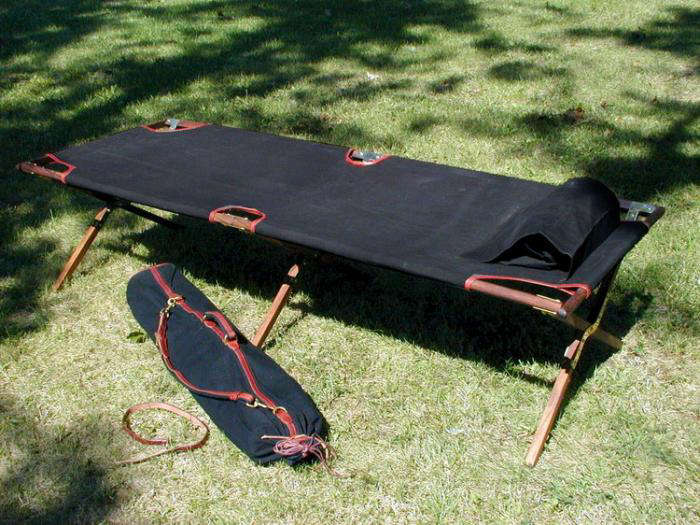
There are two kinds of campers in this world: people who believe sleeping on the ground builds character, and people who have already built enough character, thank you very much. High/Low Wood and Canvas Camp Cots belong firmly to the second group. They bring together old-school camping charm, practical comfort, and a surprisingly stylish look that works just as well in a canvas tent as it does on a porch, in a guest room, or beside a cabin fireplace.
A wood and canvas camp cot is not just a bed you unfold when the air mattress betrays you at 2 a.m. It is a piece of portable furniture with a long outdoor heritage. Inspired by military field beds, safari cots, and classic folding daybeds, today’s versions blend hardwood frames, durable canvas or heavy-duty woven fabric, and smart folding mechanisms. Some sit high enough to create storage space underneath; others stay low for a more grounded, stable sleep setup. Either way, they prove that camping comfort does not have to look like shiny aluminum tubing and neon nylon.
In this guide, we will explore what makes high and low wood-and-canvas camp cots different, how to choose the right one, where they shine, what to avoid, and how to make them feel less like “camp gear” and more like “I accidentally invented glamping.”
What Are High/Low Wood and Canvas Camp Cots?
High/low wood and canvas camp cots are folding sleeping platforms made with a wooden frame and a suspended fabric sleeping surface. The “high/low” idea can refer to two things. First, it may describe height: high cots sit farther off the ground, while low cots keep the sleeper closer to the tent floor. Second, it can describe design range: high-end heritage cots with premium hardwood and brass details versus more affordable, practical models built for regular camping use.
The classic formula is simple: a sturdy wooden structure supports a taut canvas bed. The fabric creates a flexible but supportive surface, similar to a hammock that learned discipline. Unlike an inflatable mattress, a cot does not depend on air pressure. Unlike a foam pad, it lifts you away from cold, uneven, rocky, root-filled ground. And unlike your friend’s “minimalist sleep system,” it does not require pretending that hip pain is spiritual growth.
Why Wood and Canvas Still Matter
Modern camping gear is full of aluminum, polyester, carbon fiber, and clever names that sound like secret government projects. Yet wood and canvas remain popular because they offer warmth, durability, and timeless character. A wood frame feels more like furniture than equipment. Canvas has a natural, rugged texture that looks at home in traditional camps, bell tents, cabins, and backyard lounging setups.
Wood Adds Strength and Style
Hardwood frames are valued for their stability and visual appeal. A well-built wooden cot feels solid when you sit down, roll over, or reach for your flashlight after hearing a mysterious forest noise that is probably just a squirrel but emotionally feels like a bear. Wood also ages beautifully when cared for properly. Small scratches and patina often add charm rather than making the cot look worn out.
Canvas Offers Breathability and Support
Canvas and heavy-duty woven fabrics are strong enough to hold tension while still offering a little give. That slight flex helps distribute body weight more comfortably than a rigid board. Traditional cotton canvas feels breathable and classic, while modern polyester canvas or 600-denier fabric can offer better resistance to moisture, abrasion, and stretching.
High Camp Cots vs. Low Camp Cots
Choosing between a high and low cot depends on your camping style, tent size, mobility needs, and how much gear you like to bring. Some campers travel with one duffel and a noble sense of restraint. Others arrive with enough supplies to open a small outdoor store. Your cot height should match your reality.
Benefits of High Wood and Canvas Camp Cots
A high cot usually sits around 16 to 20 inches off the ground. That height makes it easier to sit down, stand up, change socks, tie boots, or use the cot as a bench during the day. It also creates valuable storage space underneath for shoes, bags, blankets, or the snacks you swore you packed “for the group.”
High cots are especially useful in roomy tents, wall tents, canvas bell tents, hunting camps, and family camping setups. They help keep bedding away from damp ground and make camp feel more organized. For campers with stiff knees, sore backs, or limited mobility, a higher cot can be much easier to use than crawling down to a sleeping pad.
Drawbacks of High Cots
The main downside is bulk. High wood-and-canvas cots tend to be heavier and less compact than low-profile camping beds. They are better for car camping, cabin use, overlanding, base camps, and backyard lounging than backpacking. They also require enough tent headroom. A tall cot in a low tent can make you feel like a sandwich ingredient.
Benefits of Low Wood and Canvas Camp Cots
Low cots sit closer to the ground, often under 10 inches high. They feel stable, fit better in smaller tents, and reduce the chance of rolling off from a dramatic height. Low cots can also be more packable, though wood-frame versions are still usually heavier than ultralight aluminum models.
A low cot is a good choice if you want a simple sleeping platform that lifts you off rocks and roots without dominating the tent. It is also a smart pick for kids, minimalist car campers, and anyone who prefers a lower center of gravity.
Drawbacks of Low Cots
The biggest tradeoff is reduced storage space. You may not be able to slide a duffel or boot bin underneath. Low cots can also be harder to get in and out of, especially after a long hike when your legs have filed an official complaint.
Who Should Buy a Wood and Canvas Camp Cot?
A wood and canvas camp cot is best for people who care about comfort, durability, and appearance as much as portability. It is not the lightest sleep system, but it may be one of the most satisfying for the right setting.
Best Uses
- Car camping: Ideal when weight is less important than comfort.
- Glamping tents: Perfect for bell tents, canvas wall tents, and styled outdoor spaces.
- Cabins and guest rooms: A folding cot can become a rustic spare bed.
- Porches and patios: Add pillows and a throw, and the cot becomes a casual daybed.
- Hunting and fishing camps: Durable enough for repeated seasonal use.
- Backyard camping: Great for kids, visitors, or adults who want nostalgia without spinal regret.
Who Should Skip It?
If you are backpacking, bikepacking, or counting every ounce, a wood and canvas cot is probably not your best friend. These cots are more about comfort and character than ultralight efficiency. If your campsite is several miles from the trailhead, choose a lightweight aluminum cot or insulated sleeping pad instead.
Key Features to Look For
Not all camp cots are created equal. Some are heirloom-worthy. Some squeak like a haunted screen door. Before buying, pay attention to the details that affect comfort, safety, and long-term value.
Frame Material
Look for hardwood frames such as beech, oak, ash, maple, or other strong woods. The frame should feel smooth, sturdy, and well-finished. Avoid flimsy wood that flexes too much or has rough edges that could damage fabric over time.
Fabric Quality
Traditional cotton canvas looks beautiful and feels breathable, but it may require more careful drying and maintenance. Modern canvas-style polyester or heavy-duty woven fabric can resist mildew and stretching better. Either way, the fabric should be thick, tightly attached, and reinforced at stress points.
Weight Capacity
Always check the manufacturer’s stated weight capacity. A quality cot should support the sleeper plus bedding and any extra pressure from sitting down. Many full-size camping cots are rated around 250 to 375 pounds, with some heavy-duty models rated higher. Do not treat weight capacity like a friendly suggestion. Gravity is famously strict.
Size and Sleeping Area
Length and width matter. Taller campers should look for extra-long cots around 80 inches or more. Side sleepers may prefer a wider platform because elbows need real estate. Before buying, compare the cot dimensions with your tent floor space, and leave room for gear, shoes, and midnight exits.
Setup Mechanism
A good cot should fold and unfold without requiring advanced engineering skills or a second cup of coffee. Check whether the cot uses tension bars, locking hinges, hook-and-loop support, or removable end rails. The best designs feel secure once assembled and do not wobble when you shift your weight.
Packed Size and Carry Bag
Wood cots are not tiny, but they should still fold neatly. A carry bag with a shoulder strap makes transportation easier. If you plan to use the cot often, make sure it fits in your vehicle, closet, garage, or camp trailer without turning storage into a game of furniture Tetris.
Comfort Tips for Better Sleep
A wood and canvas cot is comfortable on its own, but a few simple upgrades can make it feel close to a real bed. The goal is to combine support, insulation, and softness.
Add a Sleeping Pad
Cots lift you off the ground, but they do not automatically provide insulation. Air circulates under the cot, which can make you feel colder in cool weather. Add a foam pad, self-inflating pad, or camping mattress on top for warmth and cushioning.
Use Real Bedding When Possible
For car camping or cabin use, sheets, a blanket, and a proper pillow can transform the cot. A sleeping bag works well, too, especially in cooler weather. In warm conditions, a cotton sheet and light quilt may feel more comfortable than a mummy bag.
Keep the Surface Taut
Fabric that sags too much can create pressure points or a banana-shaped sleeping posture. Check the cot’s tension system and adjust it as recommended. If the canvas becomes loose over time, some models allow replacement fabric or tightening.
Style: From Campsite Bed to Instant Daybed
One reason wood and canvas cots keep showing up in design blogs and stylish outdoor spaces is their versatility. They are practical at night and attractive during the day. Place one on a covered porch with striped pillows and a wool throw, and suddenly it looks intentional, not like you forgot to put away camping gear.
In a bell tent, two matching wood-and-canvas cots create a boutique camp atmosphere. In a cabin, a cot can serve as a spare bed without the visual heaviness of a metal rollaway. In a sunroom, it becomes a reading spot. Add a tray, lantern, and blanket, and you have a cozy corner that says, “I camp, but I also moisturize.”
Care and Maintenance
A good cot can last for years if you treat it well. The two main enemies are moisture and careless storage.
Clean the Fabric Gently
Brush off dirt, leaves, and sand after each trip. Spot-clean stains with mild soap and water. Avoid harsh cleaners that can weaken fibers or strip protective coatings. Most canvas should be air-dried completely before storage.
Protect the Wood
Wipe the frame after use, especially if it has been exposed to dew, rain, or mud. If the finish begins to look dry, use a wood-safe conditioner or finish recommended by the manufacturer. Keep hinges and folding points clean so they continue to move smoothly.
Store It Dry
Never pack a damp cot away for the season. Mildew is not a charming rustic detail. Store the cot in a dry, ventilated place, preferably in its carry bag or covered with breathable fabric.
Buying Advice: High-End vs. Budget-Friendly Options
High-end wood and canvas camp cots may include premium hardwoods, brass hardware, leather reinforcement, hand-finished details, and traditional military-inspired construction. These are often chosen as much for design as for sleeping. They look beautiful in cabins, luxury tents, and curated outdoor spaces.
Budget-friendly or mid-range wood cots usually focus on function: solid hardwood legs, strong fabric, folding portability, and dependable weight capacity. They may use polyester canvas instead of cotton canvas and simpler hardware instead of decorative brass. For most campers, this practical category offers the best value.
Before paying extra, ask yourself where the cot will live. If it will be displayed on a porch or used in a glamping setup, premium materials may be worth it. If it will ride in the back of a muddy truck every weekend, choose strength, easy cleaning, and replacement parts over fancy trim.
Common Mistakes to Avoid
Buying Without Measuring the Tent
A cot that looks perfect online may be too long, too wide, or too tall for your tent. Measure the tent floor and peak height before buying. Remember that tent walls slope inward, so usable space may be smaller than the footprint suggests.
Ignoring Weight
A 20- to 25-pound cot is manageable from car to campsite, but it is not something you want to haul down a long trail. Match the cot to your camping style.
Skipping Insulation
Cots can feel chilly because air moves underneath. In cool weather, pair the cot with an insulated pad or thick blanket.
Assuming “Canvas” Means Waterproof
Canvas may be durable, but not all canvas is waterproof. Some fabrics are water-resistant; others absorb moisture. Keep your cot inside the tent or under cover, and dry it thoroughly before storage.
Real-World Experience: Living With High/Low Wood and Canvas Camp Cots
The first thing you notice about a wood and canvas camp cot is that it changes the mood of camp. A standard metal cot says, “I brought gear.” A wood and canvas cot says, “I may also have packed enamel mugs and know how to make coffee without electricity.” It brings a small touch of ceremony to setting up camp.
On a practical level, the high version is the one I would choose for long weekends, family camping, or any trip where the tent is large enough. Being able to sit on the edge of the cot in the morning is underrated. You can pull on socks without performing yoga. You can slide boots underneath instead of stepping on them in the dark. You can tuck a duffel below the bed and keep the tent floor open. That makes the whole shelter feel calmer and less like a yard sale during a windstorm.
The low version feels different. It is more compact, more grounded, and often better for smaller tents. If you are someone who tosses and turns, sleeping closer to the ground can feel reassuring. It also keeps your sleeping setup below sloped tent walls, which matters when rain starts tapping overhead and you do not want your blanket brushing against condensation.
The canvas sleeping surface has a pleasant firmness when tensioned correctly. It is not squishy like an air mattress, and that is a good thing. Air mattresses can bounce, squeak, deflate, or turn into cold rafts by dawn. A cot feels steadier. Add a thin sleeping pad and a real pillow, and the setup becomes genuinely comfortable. For side sleepers, a little extra cushioning is helpful. For back sleepers, the cot alone may be enough in warm weather.
Wood does require care. After a damp weekend, you should open the cot at home, wipe the frame, and let the fabric dry fully. This is not difficult, but it does require five minutes of adulthood. The reward is longevity. A well-maintained cot can serve as camp bed, porch lounger, spare guest bed, and backyard nap station. That kind of versatility makes the extra weight feel reasonable.
One of the best uses is inside a canvas bell tent. A pair of wood and canvas cots instantly makes the space feel organized and inviting. Put a small rug between them, add wool blankets, hang a lantern, and suddenly you have a weekend retreat instead of a nylon cave. The cot also works beautifully at home. On a screened porch, it becomes a summer reading bed. In a guest room, it provides overflow sleeping without looking like emergency furniture. In a kid’s room, it can become an adventure bed, though adults should still check the setup and weight rating.
The main lesson is simple: buy the cot for the way you actually camp. If you drive to a campsite, stay in one place, and appreciate comfort, a high wood and canvas cot is a joy. If your tent is small or you prefer a lower profile, choose the low version. If you hike ten miles before sleeping, admire these cots from afar and bring a lightweight pad instead. No shame. Even beautiful furniture should not become punishment with handles.
Conclusion
High/Low Wood and Canvas Camp Cots are proof that outdoor comfort can be practical, durable, and good-looking at the same time. They combine the heritage appeal of wooden camp furniture with the everyday usefulness of a folding sleep platform. High cots offer easier access and gear storage. Low cots offer stability and better fit in smaller tents. Both can turn a campsite, cabin, porch, or guest room into a more comfortable place to rest.
The best choice depends on your space, mobility needs, packing style, and design preferences. Look for a sturdy hardwood frame, durable canvas or heavy-duty fabric, reliable hardware, a realistic weight capacity, and dimensions that match your body and tent. Add a sleeping pad when temperatures drop, keep the fabric dry, and store the cot carefully. Do that, and your cot may outlast several tents, a few lanterns, and at least one ambitious attempt to cook pancakes over a camp stove.
If camping is partly about getting closer to nature, a wood and canvas camp cot lets you do it without becoming one with every pebble beneath your tent. That is not cheating. That is wisdom with a folding frame.
SEO Tags
Note: This article is written for web publication in standard American English and is synthesized from current public product information, camping cot buying guidance, outdoor gear testing insights, and practical camp-sleep experience.