Note: This article is written for web publication in standard American English, with SEO structure, natural keyword use, and no external source links in the body copy.
Refreshing your home sounds simple until you are standing in the middle of the living room holding one cushion, questioning every decision you have made since 2019. Should the room feel calm and minimal? Rich and glamorous? Classic and full of character? Do you need a new sofa, or is your coffee table just quietly ruining the vibe?
That is where John Lewis homeware collections come in handy. Instead of sending you into the wilderness of endless beige baskets and suspiciously tiny decorative vases, the brand organizes its interiors around clear design styles. Three of the most useful for a modern home refresh are Modern Luxe, Scandi, and Heritage. Each has its own personality, color palette, materials, and mood, but all are designed to help ordinary rooms look more intentional without requiring a full renovation or a dramatic speech to your bank account.
Modern Luxe brings the glow-up: rich textures, sculptural silhouettes, chrome, warm woods, and a tasteful nod to 1970s glamour. Scandi keeps things clean, relaxed, and functional, with simple forms, honest materials, soft neutrals, and playful details. Heritage leans into traditional charm with elegant shapes, embroidered textiles, patterned accents, warm blues, nutmeg tones, and pieces that feel collected rather than cookie-cutter.
In other words, whether your home needs a hotel-lobby moment, a calm Nordic reset, or the cozy confidence of a countryside house with excellent tea, there is a John Lewis homeware style that can help you get there.
Why John Lewis Homeware Collections Work for Real Homes
The best home refreshes do not start with buying everything new. They start with choosing a direction. That is why curated collections are so useful. John Lewis homeware collections act like design road maps: they help you understand which colors, finishes, textures, and furniture shapes naturally belong together.
This matters because most homes are not blank showrooms. They are filled with hand-me-down chairs, practical storage, half-loved lamps, a dining table that has survived three apartments, and at least one object nobody remembers buying. A good collection does not demand perfection. It gives you a framework so you can add a few high-impact pieces and make the whole space look deliberate.
Across the current interiors landscape, homeowners are moving away from cold minimalism and toward rooms with warmth, texture, personality, and flexibility. Rich woods, layered textiles, vintage-inspired details, sculptural lighting, chrome accents, natural materials, and nostalgic patterns are all having a strong moment. John Lewis’ Modern Luxe, Scandi, and Heritage collections fit neatly into that shift because they offer three different routes to the same goal: a home that feels designed, comfortable, and lived in.
Modern Luxe: For Rooms That Want a Little Drama
Modern Luxe is the collection for anyone who wants their home to whisper, “I have great taste,” while also saying, “Yes, you may put your feet up, but please use a coaster.” It blends retro glamour with contemporary polish, using materials and shapes that feel elegant without turning your living room into a museum where nobody is allowed to eat snacks.
What Defines the Modern Luxe Look?
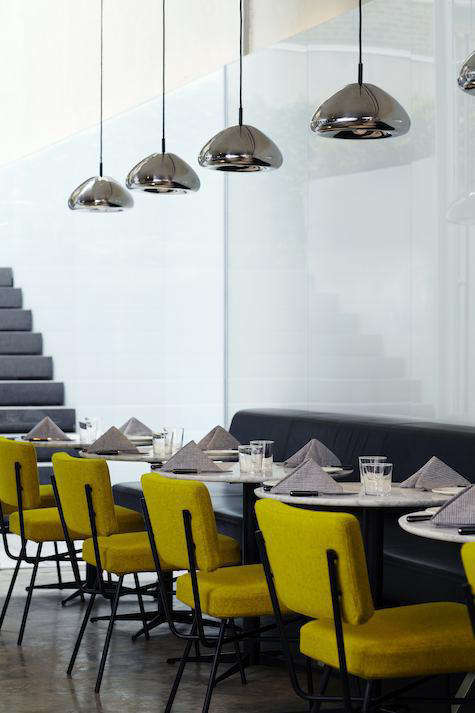
The Modern Luxe style is built around depth and contrast. Think cocoa brown upholstery, chrome frames, curved furniture, dark woods, polished surfaces, amber glass, marble-like finishes, sculptural lamps, and layered textures. The mood is warm, grown-up, and slightly cinematic.
One of the standout examples is the popularity of chrome-accented seating, including retro-inspired lounge and dining chairs. Pieces like a chocolate chenille armchair with a tubular chrome frame capture the essence of the trend: soft and sumptuous on one side, sleek and reflective on the other. It is basically the furniture version of wearing cashmere with great sunglasses.
Modern Luxe also works because it does not rely only on shine. The best version of the style balances glossy surfaces with soft fabrics, rounded shapes, and earthy tones. A room with chrome, glass, and dark wood can easily become too slick, so the collection’s use of chenille, velvet-like textures, warm browns, and sculptural curves keeps it inviting.
How to Use Modern Luxe at Home
Start with one statement piece. A curved accent chair, a sculptural coffee table, a chrome side table, or a domed table lamp can shift the entire mood of a room. You do not need to replace every item. In fact, Modern Luxe often looks better when mixed with existing pieces because contrast creates the layered, collected feeling that makes the style feel expensive.
For a living room, pair a chocolate or caramel-toned chair with a textured rug, a low coffee table, and cushions in olive, bronze, cream, or rust. Add lighting with a rounded shade or polished metal base. If your current sofa is neutral, Modern Luxe accessories can make it feel more current without requiring you to explain a furniture splurge to anyone.
In a dining space, look for curved dining chairs, warm wood finishes, smoked glassware, and a centerpiece that feels sculptural rather than fussy. A dark bowl, ribbed vase, or metallic candleholder can make a simple table feel styled. The goal is not to create a nightclub for forks. The goal is warmth, polish, and a little grown-up glamour.
Scandi: Calm, Clever, and Effortlessly Livable
Scandi style is the reliable friend of interior design. It shows up on time, brings good lighting, and somehow knows where to put the throw blanket. John Lewis’ Scandi collection is rooted in Scandinavian simplicity, but it is not cold or empty. The current interpretation adds mid-century touches, geometric patterns, classic wood tones, smoked glass, chrome, and gentle pops of avocado and ochre.
What Defines the Scandi Look?
At its core, Scandi homeware is about simplicity, function, and softness. The furniture tends to have clean lines. The materials feel honest: wood, wool, cotton, stoneware, woven textures, and matte finishes. The color palette often starts with warm neutrals, then adds gentle greens, muted yellows, soft grays, and natural browns.
The key word is balance. Scandi rooms are uncluttered, but they should not feel like a waiting room where joy has gone to fill out paperwork. The best Scandi interiors include texture, practical storage, cozy lighting, and a few playful details. A geometric cushion, a smoked glass lamp, a simple wooden side table, or a rug with subtle pattern can bring personality without overwhelming the room.
How to Use Scandi at Home
Scandi is especially useful for small spaces, open-plan apartments, bedrooms, and busy family homes because it makes rooms feel lighter and calmer. If your space feels crowded, start by simplifying the color palette. Choose two or three main tones, such as warm white, oak, and sage, then repeat them across textiles, furniture, and accessories.
Lighting is a major part of the look. Use table lamps, floor lamps, and soft bulbs to create pools of light instead of relying on one harsh ceiling fixture that makes everyone look like they are being interrogated. A rounded lamp, a paper-like shade, or a simple ceramic base can soften the room instantly.
Storage also matters. Scandi design loves function, but it prefers function with dignity. Choose baskets, sideboards, shelving, and trays that hide the mess while still looking calm. This is particularly helpful in entryways, where shoes and bags tend to gather like they are forming a small protest movement.
For a Scandi bedroom refresh, focus on breathable bedding, layered throws, simple bedside lighting, and natural textures. A neutral duvet, a wool-blend throw, and a small wooden table can make the room feel restful without becoming bland. Add one patterned cushion if you are feeling wild. Scandinavian style approves of fun, but only after it has been neatly folded.
Heritage: Classic Character Without the Dusty Museum Feeling
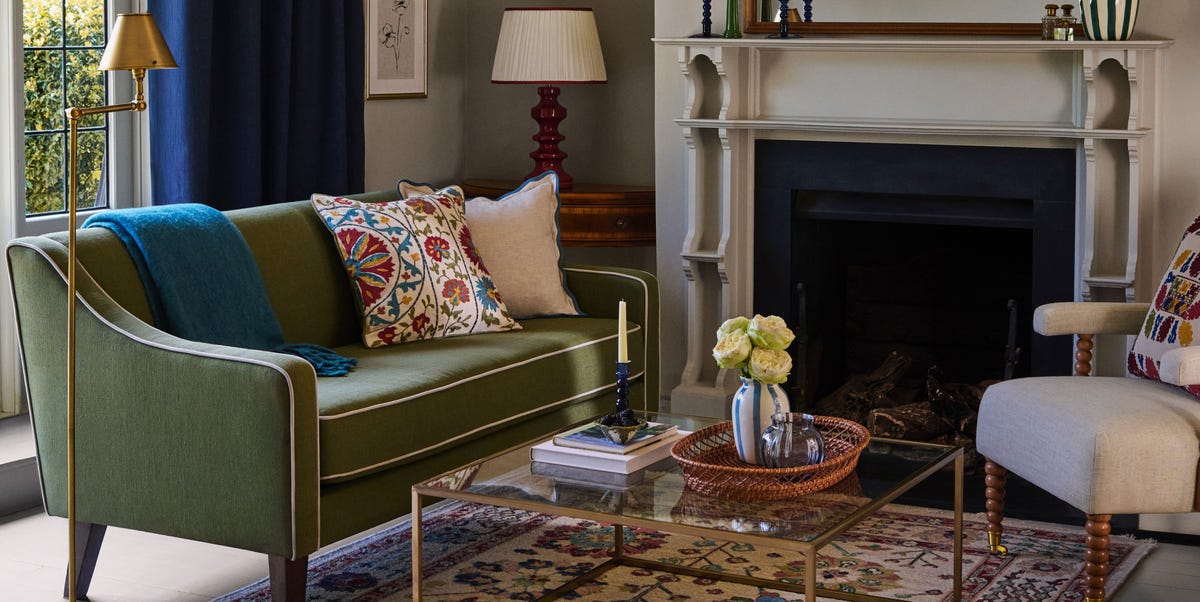
Heritage is for people who love character, pattern, detail, and the feeling that a room has a backstory. John Lewis’ Heritage collection is traditional, elegant, and eclectic, with classic silhouettes reimagined through linens, velvets, embroideries, jacquards, decorative trims, crafted handles, warm nutmeg tones, rich blues, and Morris-inspired prints.
What Defines the Heritage Look?
Heritage style is not about copying the past exactly. Nobody needs to live like they are waiting for a telegram. Instead, it borrows the best parts of traditional interiors: generous upholstery, thoughtful detailing, layered patterns, warm woods, elegant lighting, and textiles that feel tactile and meaningful.
This look works beautifully because it adds instant depth. A Heritage-style cushion with embroidery, a floral or botanical print, a classic armchair, a turned-leg table, or a blue-and-nutmeg color scheme can make a room feel more established. It is a strong choice for homes that currently feel a little too flat or newly built.
Heritage also suits the wider return of vintage-inspired interiors. Across design trends, people are embracing rooms that feel personal, layered, and collected. That does not mean cluttered. It means mixing old and new, using patterns with confidence, and choosing pieces that look like they will still make sense in ten years.
How to Use Heritage at Home
The easiest way to use Heritage style is through textiles. Start with cushions, curtains, a patterned rug, or a throw. Look for florals, stripes, jacquards, tapestry-inspired textures, or embroidered details. If your sofa is plain, Heritage accessories can do a lot of heavy lifting.
For a living room, combine a classic sofa with patterned cushions, a warm wood side table, a ceramic lamp, and framed art. Mix large and small patterns, but keep the palette connected. For example, a floral cushion, striped throw, and blue ceramic vase can work together if they share similar tones.
For a dining room, Heritage is a natural fit. Use table linens, patterned plates, glassware, candlesticks, and a centerpiece with seasonal foliage. The style loves hosting. It is the look most likely to say, “I made dessert,” even if dessert is store-bought and wearing a garnish for confidence.
In bedrooms, Heritage can feel cozy and restful. Choose bedding with subtle pattern, a quilted throw, warm bedside lighting, and maybe a small upholstered bench or classic chair. The trick is to avoid overloading the room. Heritage should feel charming, not like your pillows are auditioning for a period drama.
Modern Luxe vs. Scandi vs. Heritage: Which Style Is Right for You?
Choosing between Modern Luxe, Scandi, and Heritage depends on the mood you want to create and the pieces you already own.
Choose Modern Luxe If…
You like rich textures, dramatic furniture shapes, chrome, dark wood, sculptural lighting, and a space that feels polished. Modern Luxe is ideal for living rooms, dining rooms, and grown-up entertaining spaces. It works well if your home already has neutral walls and you want to add depth without repainting everything.
Choose Scandi If…
You want calm, order, warmth, and practical beauty. Scandi is perfect for small apartments, bedrooms, home offices, and busy homes where visual clutter quickly becomes emotional clutter. It is also the easiest style to live with every day because it values comfort and function as much as looks.
Choose Heritage If…
You love pattern, classic details, cozy textiles, and rooms with personality. Heritage is excellent for older homes, dining spaces, guest bedrooms, and anyone who wants a home that feels layered rather than showroom-perfect. It also mixes well with antiques, family pieces, and vintage finds.
Can You Mix the Three?
Absolutely. In fact, mixing styles can make your home feel more natural. Try a Scandi base with Heritage textiles, or a Modern Luxe chair in a room with classic artwork. Pair a Heritage rug with a sleek chrome lamp. Add Scandi storage to a glamorous living room. The key is to repeat colors and materials so the mix looks intentional.
For example, a living room could feature a clean-lined Scandi sofa, a Modern Luxe chrome side table, Heritage floral cushions, and a warm wood coffee table. The result feels layered, personal, and current. The secret is restraint. Do not invite every trend to the party. Three strong guests are enough; nobody wants the room to become a design buffet with anxiety lighting.
Easy John Lewis Homeware Refresh Ideas by Room
Living Room Refresh
Start with the largest visual anchors: seating, rug, coffee table, and lighting. If you want Modern Luxe, add a curved accent chair, chrome lamp, or rich brown cushion. If you prefer Scandi, bring in a natural rug, wooden side table, and soft neutral throws. For Heritage, layer patterned cushions, a classic lamp, and a warm-toned rug.
Bedroom Refresh
The bedroom is all about texture. Scandi works beautifully with breathable bedding, pale wood, and simple lighting. Heritage adds charm through quilts, embroidery, and patterned pillowcases. Modern Luxe can make a bedroom feel boutique with velvet-like cushions, dark wood, and sculptural lamps.
Dining Room Refresh
Dining rooms benefit from small changes with big personality. Try new tableware, glassware, placemats, candlesticks, or a statement centerpiece. Modern Luxe favors polished finishes and dramatic lighting. Scandi prefers simple stoneware and natural textures. Heritage loves patterned linens, classic plates, and layered place settings.
Entryway Refresh
An entryway sets the tone for the whole home. Add a mirror, a small console, a lamp, and storage baskets. Modern Luxe might include a dark wood console and metallic lamp. Scandi might use pale wood and woven storage. Heritage might add a patterned runner and a framed print. Bonus: an organized entryway makes you feel like the kind of person who knows where their keys are.
Smart Styling Tips for a Budget-Friendly Home Refresh
A stylish refresh does not require a full cart and a brave credit card. Start small and choose pieces that change the room’s mood quickly.
1. Update Lighting First
Lighting can make inexpensive furniture look better and expensive furniture look worth it. Add lamps at different heights and use warm bulbs. A sculptural table lamp, mushroom-style lamp, ceramic base, or metal task lamp can create instant atmosphere.
2. Repeat One Accent Color
Choose one accent color and repeat it three times. In Modern Luxe, that might be chocolate brown or bronze green. In Scandi, it could be ochre or sage. In Heritage, try rich blue, nutmeg, or burgundy. Repetition makes a room feel designed even when the pieces were collected over time.
3. Mix Textures, Not Just Colors
A room with cotton, chenille, wood, ceramic, glass, and metal will always feel richer than a room where everything has the same surface. Texture is the difference between “nice” and “please tell me where you got that.”
4. Use One Statement Shape
Curves, bobbin details, cylindrical backs, arched mirrors, and rounded lamps are all useful for softening a room. If your space has many straight lines, one curved piece can change the energy immediately.
5. Avoid the Matching Set Trap
Matching everything can make a room feel flat. Instead, coordinate. A Heritage chair can sit beside a Scandi table. A Modern Luxe lamp can work on a traditional sideboard. The goal is harmony, not a furniture lineup wearing uniforms.
Experience-Based Styling Notes: What It Feels Like to Refresh With These Collections
The most useful thing about choosing between Modern Luxe, Scandi, and Heritage is that each style solves a different emotional problem in a home. That may sound dramatic, but anyone who has ever stared at a sad corner knows that interiors have feelings. A poorly lit corner can lower morale. A good lamp can make you believe you are a person with a five-year plan.
Modern Luxe is the style I would choose when a room feels too plain or temporary. It gives a space confidence fast. One rich chair, a reflective side table, or a polished lamp can make existing furniture look sharper. The experience is similar to adding a great jacket to a basic outfit. Suddenly, the whole thing looks intentional. Modern Luxe is especially helpful in living rooms where the sofa is neutral and the walls are simple. Instead of repainting, you can add depth with chocolate, walnut, chrome, and sculptural forms. The room starts to feel warmer, more adult, and more evening-ready.
Scandi is the style I would use when life feels busy and the home needs to calm down. It is not boring when done well; it is thoughtful. The experience of a Scandi refresh is often less about showing off and more about breathing easier. You clear a surface, add a woven basket, swap harsh lighting for a soft lamp, fold a throw across the sofa, and suddenly the room stops shouting. Scandi is particularly good for bedrooms and work-from-home spaces because it reduces visual noise. A simple palette, natural textures, and practical storage can make the room feel more supportive, as if your furniture has finally agreed to help.
Heritage is the style I would choose when a space feels too new, too blank, or too impersonal. It brings the story. A patterned cushion, embroidered textile, warm wood table, or classic lamp can make a room feel as though it has history, even if the building was finished last Tuesday. The experience of Heritage is cozy and layered. It invites books, framed pictures, proper mugs, dinner with friends, and the kind of table setting that says, “Yes, napkins are involved.” It is also forgiving. A Heritage room can handle a little clutter because the whole style is built around character.
In practice, the best refresh often combines all three. A Scandi foundation keeps the room calm. A Modern Luxe piece adds polish. A Heritage textile brings personality. That mix feels realistic because real homes are rarely one pure style. They are a blend of taste, budget, memory, convenience, and the occasional impulse purchase that somehow becomes the star of the room.
The biggest lesson is to refresh with intention rather than panic. Do not buy ten random accessories because the room feels wrong. Decide what the room needs first. If it needs warmth, look to Heritage or Modern Luxe. If it needs calm, start with Scandi. If it needs sophistication, add Modern Luxe lighting or furniture. If it needs charm, bring in Heritage pattern. If it needs order, Scandi storage is your friend. And if it needs everything, begin with lighting and textiles before moving to furniture.
John Lewis homeware collections make this easier because they translate broad interior trends into shoppable, understandable looks. You are not left trying to decode whether your home is “warm minimalist,” “quiet luxury,” “retro revival,” or “grandmillennial-adjacent with a hint of mushroom lamp.” Instead, you can choose a collection, borrow its palette, add a few pieces, and let the room evolve. That is the best kind of refresh: stylish, practical, and unlikely to end with you trapped under a flat-pack bookcase at midnight.
Conclusion: A Stylish Home Refresh Starts With a Clear Direction
Modern Luxe, Scandi, and Heritage each offer a different way to refresh your space with John Lewis homeware. Modern Luxe gives you richness, shine, sculptural shapes, and a touch of retro glamour. Scandi offers calm, clean lines, natural materials, and everyday practicality. Heritage brings classic character, pattern, warmth, and a sense of collected charm.
The real beauty of these collections is that they make decorating less overwhelming. Instead of guessing which cushion belongs with which lamp or whether chrome and wood are speaking to each other, you can follow a curated design language. Better yet, you can mix the styles to create a home that feels personal rather than copied.
Start with the mood you want. Add texture. Improve lighting. Repeat colors. Choose one statement piece. Keep what you love, edit what no longer works, and let the new pieces support the life you actually live. A good home refresh should not make your space feel like a showroom. It should make it feel more like you, just with better lamps and fewer mystery corners.