Hotel Americano in New York City is one of those boutique hotel names that still carries a little downtown electricity. It sounds like an espresso, looks like an architecture student’s very expensive sketchbook, and sits in West Chelsea, where galleries, the High Line, and designer sneakers all seem to have a standing dinner reservation.
There is one important travel note before we fluff the pillows: the property many travelers remember as Hôtel Americano has changed names in public booking channels over time and is currently associated with Hotel Alameda High Line at 518 West 27th Street. That matters because older reviews often describe the Americano era, while current listings may show updated branding, amenities, food concepts, and room counts. In plain English: search both names before booking, unless you enjoy hotel confusion as a vacation activity.
Why Hotel Americano Still Matters in NYC Lodging
Hotel Americano opened in 2011 as Grupo Habita’s first New York City hotel, bringing the Mexican boutique-hotel group’s design-forward approach to one of Manhattan’s most visually interesting neighborhoods. The building was designed by Enrique Norten of TEN Arquitectos, with a distinctive metal mesh exterior that made the hotel look partly like a gallery installation and partly like it had dressed for a very chic rainstorm.
Its original identity was compact, stylish, and intentionally urban. This was not the “giant beige lobby with a fake ficus” school of hospitality. Hotel Americano belonged to the New York boutique hotel tradition: smaller footprint, stronger personality, and enough design confidence to make a minibar feel curated.
Today, the address remains relevant because West Chelsea has only become more desirable for travelers who want Manhattan without sleeping directly inside Times Square’s neon blender. The current Hotel Alameda High Line positions itself as a boutique retreat with Latin American artistic mood, dining and bar spaces, rooftop energy, and close proximity to the creative pull of Chelsea.
Location: West Chelsea, the High Line, and the Art District
The hotel sits on West 27th Street between Tenth and Eleventh Avenues, a pocket of Manhattan that rewards walkers, art lovers, architecture fans, and anyone who believes a good day can include both coffee and a dramatic rooftop view.
This part of Chelsea is known for its gallery scene, its industrial bones, and its proximity to the High Line. The High Line, built on a historic elevated rail structure, runs along Manhattan’s West Side and gives visitors a garden-lined perspective over the city. From the hotel, it is easy to turn a simple walk into a full afternoon of public art, architecture, people-watching, and quiet envy toward everyone who lives in those glassy apartments nearby.
Nearby places worth building your day around
The High Line is the obvious star. It connects visitors with gardens, art, elevated views, and a route that feels calmer than most Manhattan sidewalks. Chelsea Market, at 75 Ninth Avenue, offers food, shops, and excellent opportunities to buy something delicious you did not technically need. Hudson Yards is nearby for shopping, dining, Edge, Vessel, and the sort of shiny urban development that makes you wonder whether the future came with a receipt.
The hotel is also practical for visitors headed to the Javits Center, Hudson River Park, the Meatpacking District, the Whitney Museum of American Art, Penn Station, or Moynihan Train Hall. Subway access is not directly outside the door, so comfortable shoes are recommended. In New York, “a few blocks” can mean either a charming stroll or a personal endurance event, depending on your luggage wheels.
Design and Architecture: Chain Mail Meets Boutique Calm
Hotel Americano’s architectural signature has always been its exterior. The building’s glass form is softened and partly hidden by a metal mesh screen, giving the facade an unusual layered look. It is industrial, elegant, slightly mysterious, and exactly the kind of thing that makes people stop walking, tilt their heads, and say, “Is that a hotel?”
The design reflects its West Chelsea setting. This is a neighborhood of old warehouses, white-box galleries, high-end residential towers, and ambitious public spaces. A plain hotel would have looked underdressed. Instead, the Americano building joined the area’s ongoing conversation between grit and polish.
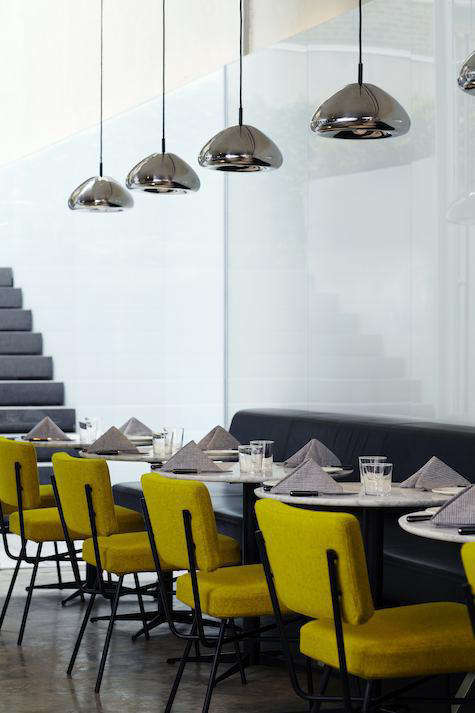
Inside, the original hotel leaned into concrete, wood, black-and-white contrasts, low-slung furniture, and a calm palette. Design coverage from the Americano era often described its mix of Latin, Japanese, mid-century, and industrial influences. Think platform beds, minimalist rooms, refined bathrooms, and social spaces that felt more like a private art-world hangout than a standard lobby.
Rooms: Compact, Stylish, and Very Chelsea
Rooms at the former Hotel Americano were widely described as compact but carefully designed. That is not unusual for Manhattan boutique hotels, where square footage is treated like beachfront property. The key question is not whether the room is huge; it is whether the space works.
In the Americano era, rooms were known for minimalist furnishings, platform-style beds, thoughtful storage, blackout shades, high-end bath products, minibars, personal iPads, and bathrooms with a modern, slightly theatrical feel. Current booking descriptions for the property may differ, so travelers should verify the exact room type, bed setup, and amenities before reserving.
Best for design-minded travelers
This is the kind of hotel that appeals to people who enjoy a room with a point of view. It is well suited for solo travelers, couples, gallery-weekend visitors, fashion and design professionals, and business travelers working around Hudson Yards, Chelsea, or the Javits Center.
Not ideal for every traveler
If you want oversized rooms, multiple double beds, a huge fitness center, or a classic grand-hotel atmosphere, this may not be your perfect match. Some older reviews mentioned snug rooms, limited views through the facade, seasonal rooftop access, and a location slightly farther from subway lines than more central Midtown hotels. None of those are deal-breakers for the right guest, but they are worth knowing before you arrive with three suitcases and a dream of ballroom-level space.
Dining, Bars, and Rooftop Energy
Food and drink have always been central to the hotel’s appeal. During the Hotel Americano years, the property was known for restaurant, bar, rooftop, and poolside concepts that attracted not only guests but locals as well. The rooftop was a major part of the hotel’s personality, with older travel coverage describing a seasonal pool, grill, lounge atmosphere, and views over West Chelsea and the Hudson-side skyline.
Current Hotel Alameda High Line messaging emphasizes fresh Mediterranean fare at the Lobby Bar & Garden, a rooftop bar, and a cellar-level listening bar. That mix makes the property feel less like a place where you simply sleep and more like a small social ecosystem: check in, drop the bag, pretend you are not tired, and drift toward the bar like a sophisticated moth.
Because hotel food concepts change often, especially in New York, always confirm operating hours, reservation policies, rooftop access, and seasonal offerings before planning your entire evening around them. Manhattan has no shortage of backup dinner options, but disappointment tastes better with a reservation somewhere else.
The Guest Experience: Who Will Love It Most?
Hotel Americano, now searched alongside Hotel Alameda High Line, is best understood as a Chelsea boutique hotel for travelers who care about neighborhood character. It offers a different mood from Midtown’s business hotels and Times Square’s tourist towers. Here, the appeal is the surrounding creative district: galleries by day, rooftop drinks at dusk, and a short walk to some of Manhattan’s most interesting west-side destinations.
Great for a culture-heavy NYC trip
If your New York itinerary includes galleries, the Whitney, the High Line, Chelsea Market, Hudson River Park, Little Island, or a night in the Meatpacking District, this location makes sense. You can build a full weekend with very little subway time. Start with coffee, walk the High Line, browse galleries, eat something from Chelsea Market, return to the hotel, and later head back out for dinner. That is not a vacation; that is choreography.
Good for couples and stylish solo stays
The property’s design and neighborhood make it a strong option for couples who want a less predictable Manhattan stay. Solo travelers may also appreciate the social spaces, compact rooms, and walkable access to restaurants and cultural stops. It is polished without feeling stiff, which is a delicate hotel trick.
Useful for work trips near Hudson Yards
Business travelers with meetings around Hudson Yards, West Chelsea, or the Javits Center may find the hotel convenient. It provides a more boutique alternative to larger corporate properties. The tradeoff is that you may need to allow extra time for subway transfers, rideshares, or walks, especially during bad weather.
Pros and Tradeoffs of Staying Here
Pros
The biggest advantage is location. West Chelsea gives visitors access to the High Line, galleries, Hudson Yards, Chelsea Market, and the far-west creative edge of Manhattan. The hotel’s design history also gives it a stronger identity than many standard city hotels. Rooftop and bar spaces add atmosphere, while the boutique scale makes the property feel more personal than a giant high-rise.
Tradeoffs
The location is stylish but not the most subway-convenient in Manhattan. Rooms may feel compact depending on the category. Older reviews and current listings may not always describe the same amenities, because the hotel’s branding and operations have evolved. Rooftop spaces can also bring noise or limited access if private events are happening. Before booking, check recent guest reviews, current amenity lists, and room photos from your booking platform.
Suggested One-Day Itinerary from the Hotel
Morning: Start with coffee near the hotel, then walk south along the High Line. Give yourself time to stop for art, gardens, and views. This is not a speed-walk situation. Nobody wins a medal for rushing past ornamental grasses.
Late morning: Exit near Chelsea Market and build a casual food crawl. Grab a pastry, tacos, seafood, noodles, or whatever your stomach decides is “research.”
Afternoon: Visit nearby galleries or continue toward the Whitney Museum and the Meatpacking District. If shopping is part of the plan, Hudson Yards offers a more polished, mall-like contrast to Chelsea’s gallery streets.
Evening: Return to the hotel to reset, then head to the rooftop or lobby bar if open. For dinner, choose between the hotel’s current dining concept and the many restaurants in Chelsea, the West Village, or the Meatpacking District.
Booking Tips for Hotel Americano / Hotel Alameda High Line
Search both names. Some travelers still use “Hotel Americano NYC,” while current listings may show “Hotel Alameda High Line.” Using both names helps you compare reviews, photos, and availability.
Verify the current amenities. Older articles may mention features from the Americano era, including rooftop pool details or specific restaurant names. Confirm what is available now, especially if a rooftop, pool, gym access, pet policy, or room service is important to your stay.
Compare room categories carefully. Boutique hotels often have room types that vary significantly in size, view, and layout. Do not assume every room looks like the best photo on the website. Hotel photography is a beautiful art form and occasionally a magician’s side hustle.
Ask about events. Rooftop bars, private events, and nightlife spaces can be a plus or a minus depending on your sleep schedule. If you are a light sleeper, request a quieter room and ask about event programming during your dates.
Consider transportation. The hotel is highly walkable for West Chelsea attractions, but subway stations require a walk. If you plan to spend most of your trip uptown, downtown, or in Brooklyn, map your routes before booking.
Experience Notes: What a Stay Feels Like
The Hotel Americano experience begins before you enter the building. West 27th Street has that unmistakable Chelsea rhythm: gallery doors, loading docks, polished residents, and the occasional person dressed so well you briefly reconsider your entire suitcase. The hotel’s mesh-covered facade does not shout. It murmurs. It looks like the sort of place that knows a very good architect and refuses to name-drop at brunch.
Arriving here feels different from arriving at a big Midtown hotel. There is no cavernous lobby swallowing tour groups whole. The mood is smaller, sharper, and more deliberate. You are close to the river, close to the High Line, and just far enough from the loudest tourist corridors to feel like you have made a clever decision. The city is still there, obviously. This is Manhattan; silence is available only in museums and even then someone will unwrap a mint. But the western edge of Chelsea has a softer tempo than Herald Square or Times Square.
A well-planned stay is all about using the neighborhood. Drop your bags, take a quick look at the room, and resist the urge to judge New York square footage by suburban standards. Boutique hotel rooms in Manhattan are not built for cartwheels. They are built for sleeping well, getting dressed efficiently, and feeling stylish while you look for your phone charger. The best versions of these rooms feel like compact cabins for city explorers: controlled lighting, clean lines, comfortable bedding, and enough design detail to remind you that someone cared about the chair.
The afternoon belongs to the High Line. Walk north or south depending on your appetite and shoe confidence. The elevated path gives you glimpses of old rail history, new architecture, pocket gardens, murals, sculptures, and that classic New York contrast of beauty and construction noise. From there, Chelsea Market is an easy food stop. It is best approached with an open mind and a flexible lunch plan. You may enter wanting coffee and leave with tacos, brownies, spices, and a tote bag that says something charmingly unnecessary.
Evening is when the hotel’s personality makes the most sense. Return from the neighborhood, freshen up, and head toward the bar or rooftop if it is open. The best Chelsea hotel nights do not require a complicated schedule. A drink, a skyline view, and the slow realization that you are not checking your email tonight can do wonders. If the rooftop is lively, lean into it. If it is quiet, even better. New York rarely gives away calm, so accept it graciously.
The next morning, the smart move is to wake early and walk before the neighborhood fully wakes up. West Chelsea in the morning is more practical than glamorous: deliveries, dog walkers, coffee cups, gallery staff, and joggers with the emotional intensity of Olympic finalists. It is a useful reminder that the best hotels are not only about rooms. They are about the version of the city they place at your door. At this address, that version is creative, walkable, design-conscious, and just weird enough to be memorable.
Final Verdict: Is Hotel Americano Worth Booking?
Hotel Americano in New York City remains a meaningful name in Chelsea boutique lodging, even as the property’s current public identity is tied to Hotel Alameda High Line. Its lasting appeal comes from architecture, location, and personality. This is not the obvious hotel for every visitor, and that is precisely the point.
Book it if you want a design-forward stay near the High Line, Chelsea galleries, Hudson Yards, and the creative west side of Manhattan. Think twice if you need large rooms, immediate subway access, a traditional luxury-hotel atmosphere, or guaranteed versions of amenities described in older reviews. The smartest traveler will treat the Americano name as part of the hotel’s story, then verify the current details before booking.
For the right guest, this address delivers what many New York hotels promise but not all achieve: a real sense of place. It gives you Chelsea at your doorstep, design in the walls, and enough rooftop possibility to make even a short stay feel like a scene from a better-dressed version of your life.