Note: This article is for general health education and should not replace medical care. If throat swelling comes with trouble breathing, drooling, severe allergic symptoms, or rapidly worsening swallowing difficulty, seek emergency help immediately.
What Is a Swollen Uvula?
A swollen uvula can feel like your throat has suddenly installed a tiny, dramatic punching bag. The uvula is the small, teardrop-shaped piece of tissue that hangs at the back of the soft palate. Most people ignore it until it swells, hurts, tickles, or starts touching the tongue like an unwanted roommate. When the uvula becomes inflamed, the condition is called uvulitis.
Uvulitis is usually not a standalone mystery. It is often a reaction to something else happening in or around the throat: infection, allergy, dryness, irritation, acid reflux, snoring, mouth breathing, trauma, or, less commonly, a more serious airway condition. A swollen uvula may look red, enlarged, elongated, or puffy. It can cause a sore throat, gagging feeling, trouble swallowing, hoarseness, coughing, or the strange sensation that something is stuck in the back of the mouth.
The good news: many mild cases improve with hydration, rest, and simple home care. The important news: uvular swelling can sometimes be part of an allergic reaction or infection that needs medical treatment. So while your uvula may look like it is auditioning for a medical drama, the real question is: why is it swollen?
Common Symptoms of Uvulitis
Symptoms can range from annoying to urgent. Mild uvulitis may feel like a scratchy throat or a tickle that will not stop. More noticeable swelling can make swallowing uncomfortable or trigger a gag reflex. Some people wake up and feel as if the uvula is resting on the tongue. That is unpleasant, but not automatically dangerous.
Typical symptoms include:
- Sore throat or throat irritation
- Red, swollen, or enlarged uvula
- Pain or discomfort when swallowing
- Gagging sensation
- Feeling like something is stuck in the throat
- Coughing or throat clearing
- Hoarse voice
- Dry mouth, especially after sleeping
- Fever, swollen glands, or tonsil changes if infection is involved
Symptoms that involve breathing deserve special attention. If swelling is sudden, severe, or paired with wheezing, throat tightness, hives, facial swelling, drooling, or difficulty breathing, do not wait for it to “calm down.” That can be an emergency, especially if an allergic reaction or epiglottitis is involved.
What Causes a Swollen Uvula?
Uvulitis has several possible causes. Some are simple, like sleeping with your mouth open. Others need testing or prescription medication. The same symptomone angry little uvulacan come from very different sources.
1. Viral Infections
Viral infections are a common reason for throat inflammation. A cold, flu-like illness, viral pharyngitis, or upper respiratory infection can irritate the throat and make the uvula swell. Viral uvulitis often comes with congestion, cough, mild fever, fatigue, runny nose, or general “I have been defeated by a tissue box” energy.
Antibiotics do not treat viruses. Care usually focuses on fluids, rest, pain relief, humidified air, and time. Most viral sore throats improve within several days. If symptoms worsen instead of improving, or if fever and swallowing pain become more intense, a healthcare provider may check for bacterial infection.
2. Bacterial Infections, Including Strep Throat
Bacterial infections can also inflame the uvula. One important example is group A strep throat, which often causes sudden sore throat, fever, pain with swallowing, swollen lymph nodes in the front of the neck, red or swollen tonsils, and sometimes white patches or tiny red spots on the roof of the mouth.
Strep throat matters because it is treatable with antibiotics, and proper treatment can reduce complications and limit spread. A clinician may use a rapid strep test or throat culture. Penicillin or amoxicillin is commonly used when group A strep is confirmed, though the exact medication depends on allergies, age, and medical history.
3. Allergies and Angioedema
Allergic reactions can cause swelling in the throat, including the uvula. Sometimes this is mild irritation from seasonal allergies or postnasal drip. Other times, it may be part of angioedema, which is deeper swelling under the skin or mucous membranes. Foods, medications, insect stings, latex, and environmental allergens may trigger reactions in sensitive people.
Anaphylaxis is the emergency version of an allergic reaction. It can include throat swelling, trouble breathing, wheezing, hives, vomiting, dizziness, chest tightness, hoarseness, or fainting. A swollen uvula plus breathing symptoms is not a “sip some tea and see what happens” situation. It requires immediate emergency care.
4. Dryness, Dehydration, and Mouth Breathing
Many people notice a swollen uvula in the morning. The culprit may be dehydration, dry indoor air, sleeping with the mouth open, nasal congestion, or snoring. When the throat dries out overnight, tissues can become irritated and puffy. The uvula, being small and dramatic, may respond first.
This type of uvular swelling may improve with water, a humidifier, saline nasal spray, treating allergies or congestion, and avoiding alcohol before bed. If morning throat irritation happens often, it may be worth evaluating snoring, nasal blockage, or possible sleep apnea.
5. Snoring and Obstructive Sleep Apnea
Snoring can vibrate and irritate the soft tissues in the back of the throat. Over time, this may contribute to soreness, uvular swelling, dry mouth, and morning throat discomfort. Obstructive sleep apnea can also cause repeated airway narrowing during sleep, often with loud snoring, gasping, daytime sleepiness, morning headaches, and dry mouth.
A swollen uvula alone does not prove sleep apnea, but recurring morning swelling plus loud snoring or daytime fatigue is a clue worth taking seriously. Treating sleep-disordered breathing can improve sleep quality and reduce throat irritation.
6. Acid Reflux and Laryngopharyngeal Reflux
Acid reflux does not always announce itself with classic heartburn. In laryngopharyngeal reflux, stomach contents can irritate the throat and voice area. This may lead to chronic throat clearing, hoarseness, cough, lump-in-throat sensation, sore throat, and sometimes uvular irritation.
Reflux-related throat symptoms may be worse after late meals, spicy foods, fatty foods, caffeine, alcohol, or lying down soon after eating. Lifestyle changessuch as not eating close to bedtime, raising the head of the bed, reducing trigger foods, and managing weight when appropriatecan help. Some people need medical evaluation and acid-reducing treatment.
7. Irritants: Smoke, Vaping, Pollution, and Chemicals
The uvula is not a fan of harsh air. Tobacco smoke, vaping aerosols, strong chemical fumes, air pollution, and very dry environments can irritate the throat. Irritation can lead to swelling, scratchiness, coughing, and mucus production.
Reducing exposure is often the most effective treatment. That means avoiding smoke, improving indoor air quality, using ventilation when cleaning with strong products, and giving irritated throat tissue a chance to recover. Your uvula is tiny, but it is not built to be an air filter.
8. Trauma or Medical Procedures
The uvula can swell after mechanical irritation. This may happen after intubation, endoscopy, tonsil surgery, dental procedures, or even aggressive coughing and vomiting. Hot foods or drinks can also irritate the throat. In these cases, the swelling is usually temporary, but severe pain, bleeding, fever, or worsening symptoms should be checked.
9. Less Common Causes
Less commonly, uvular swelling may relate to hereditary angioedema, medication reactions, immune conditions, or nearby infections such as peritonsillar abscess. Persistent swelling, recurrent episodes, one-sided throat pain, muffled voice, trouble opening the mouth, or neck swelling should be evaluated by a healthcare professional.
When Is a Swollen Uvula an Emergency?
Most swollen uvulas are uncomfortable rather than dangerous. But certain symptoms suggest the airway may be at risk or a serious infection may be present.
Seek emergency care immediately if you have:
- Trouble breathing or noisy breathing
- Rapidly worsening throat swelling
- Drooling or inability to swallow saliva
- Severe throat pain with a muffled voice
- Swelling of the lips, tongue, face, or neck
- Hives, wheezing, dizziness, or fainting
- High fever with stiff neck or severe illness
- Symptoms after a suspected food, medication, or insect-sting allergy
Epiglottitis, although less common, is a dangerous infection involving tissue near the airway. It may cause severe sore throat, drooling, difficulty breathing, and noisy breathing. This is not something to self-diagnose at home. If airway symptoms appear, emergency evaluation is the safest move.
How Doctors Diagnose Uvulitis
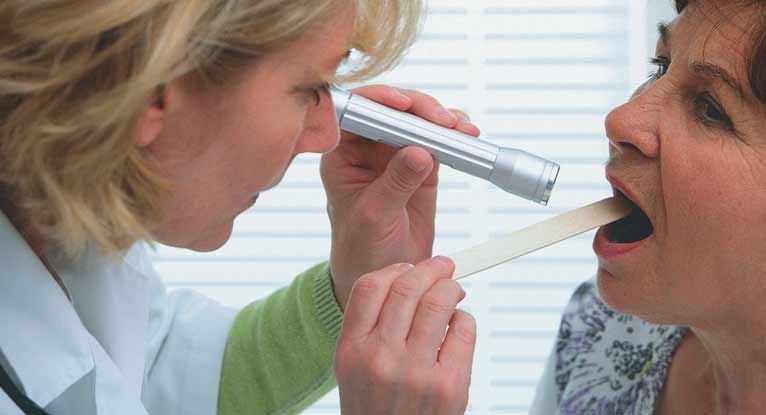
A healthcare provider usually begins with a throat exam and a symptom history. They may ask when swelling started, whether it appeared suddenly, whether fever is present, whether you were exposed to allergens, and whether you snore or have reflux symptoms.
Depending on the situation, diagnosis may include a rapid strep test, throat culture, allergy assessment, blood tests, or examination by an ear, nose, and throat specialist. If there are signs of a serious airway problem, clinicians focus first on making sure breathing is safe before doing anything else.
Treatment for a Swollen Uvula
Treatment depends on the cause. This is where uvulitis can be sneaky: two people may have the same swollen-looking uvula but need totally different care.
Home Care for Mild Uvulitis
If symptoms are mild and there are no emergency warning signs, supportive care may help reduce irritation:
- Drink plenty of fluids.
- Gargle with warm salt water.
- Use a cool-mist humidifier.
- Try ice chips, cold drinks, or soothing warm liquids.
- Use throat lozenges if age-appropriate and safe.
- Avoid smoke, vaping, alcohol, and harsh fumes.
- Rest your voice if speaking worsens irritation.
- Consider over-the-counter pain relievers according to label directions.
Soft foods can make eating easier. Think soup, yogurt, smoothies, scrambled eggs, mashed potatoes, and oatmealnot tortilla chips, hot sauce, and crunchy snacks that feel like tiny throat villains.
Medical Treatment for Infection
If bacterial infection is suspected or confirmed, a clinician may prescribe antibiotics. Strep throat is one reason this matters. Do not use leftover antibiotics or borrow someone else’s medication. Wrong-dose, wrong-drug antibiotic adventures are a bad idea, and bacteria do not admire creativity.
For viral infections, antibiotics are not helpful. Treatment focuses on symptom relief while the immune system clears the infection.
Treatment for Allergic Swelling
Allergy-related uvulitis may improve with antihistamines or corticosteroids, depending on severity and medical advice. Severe allergic reactions require emergency treatment. People with known severe allergies may be prescribed epinephrine auto-injectors and should follow their emergency action plan.
Treatment for Reflux-Related Uvulitis
When reflux is the driver, treatment may include dietary changes, avoiding late meals, elevating the head during sleep, reducing trigger foods, and using medications recommended by a healthcare provider. Reflux management is not glamorous, but neither is waking up with a throat that feels like it hosted a campfire.
Treatment for Snoring or Sleep Apnea
If snoring or sleep apnea is suspected, a clinician may recommend a sleep evaluation. Treatment can include nasal allergy care, weight management when relevant, oral appliances, positional therapy, or CPAP therapy. The goal is to keep the airway open and reduce repeated irritation.
How Long Does Uvulitis Last?
Mild uvulitis from dryness, snoring, or a minor viral illness may improve within a day or two. Viral sore throat symptoms often improve over several days. Bacterial infections may start improving after appropriate antibiotics, but the full course should be taken as prescribed unless a clinician says otherwise.
Swelling that lasts more than a few days, keeps recurring, gets worse, or comes with fever, rash, pus, dehydration, or significant swallowing pain deserves medical attention. Persistent hoarseness, a neck lump, or unusual throat changes should also be evaluated.
How to Prevent a Swollen Uvula
You cannot prevent every case of uvulitis, but you can lower the odds. Hydration helps keep throat tissue moist. Good hand hygiene reduces infection risk. Managing allergies can limit postnasal drip and irritation. Treating reflux can protect throat tissue from acid exposure. Avoiding smoke and vaping reduces chemical irritation. Addressing snoring or sleep apnea can reduce nighttime throat trauma.
Prevention is often boring, which is annoying because it works. Drink water. Sleep well. Avoid smoke. Do not eat a giant spicy meal and immediately lie down like a satisfied dragon guarding treasure. Your throat will thank you.
Practical Experience: What a Swollen Uvula Feels Like in Real Life
People often describe uvulitis in surprisingly vivid ways. One person may say, “It feels like there is a piece of popcorn stuck in my throat.” Another says, “My uvula is touching my tongue, and now I am aware of every swallow I have ever swallowed.” That foreign-body feeling is one of the most common experiences. It can be distracting, especially at night or first thing in the morning.
A common scenario is waking up after a dry night of snoring, mouth breathing, or sleeping in a room with low humidity. The throat feels scratchy, the mouth is dry, and the uvula looks longer or puffier than usual. After drinking water, using a humidifier, and giving the throat a few hours to calm down, the swelling may improve. This pattern often points toward dryness or mechanical irritation, especially if there is no fever, rash, severe pain, or breathing problem.
Another experience is uvular swelling during a sore throat. In that case, the uvula may not be the only irritated structure. The tonsils may look red, the back of the throat may be inflamed, and swallowing may hurt. If the sore throat starts suddenly, comes with fever and swollen neck glands, or has white patches on the tonsils, a strep test may be needed. This is where guessing can waste time. Viral infections and strep can feel similar, but treatment is different.
Allergy-related uvular swelling can feel more sudden. A person may notice throat tightness, itchiness, swelling, hives, or a hoarse voice after eating a trigger food or taking a medication. Mild seasonal allergy irritation is one thing; sudden throat swelling with breathing symptoms is another. The experience may be frightening because the throat is involved, and rightly so. Any sign that airflow is affected should be treated as urgent.
Reflux-related swelling tends to be sneaky. Some people do not feel heartburn at all. Instead, they wake with throat clearing, hoarseness, a sour taste, cough, or a swollen-feeling uvula. They may notice symptoms after late meals, caffeine, alcohol, chocolate, fried foods, or spicy dinners. The pattern is often the clue. If throat symptoms keep returning without obvious infection, reflux deserves a place on the suspect list.
After procedures, uvular swelling can be alarming because it appears after something medical, such as anesthesia, intubation, dental work, or endoscopy. In many cases, irritation improves with time and supportive care, but patients should follow discharge instructions and call their clinician if swelling worsens, pain is severe, fever appears, or swallowing becomes difficult.
The most useful real-world advice is simple: look at the whole picture. A mildly swollen uvula after snoring is different from a swollen uvula with hives and wheezing. A sore uvula during a cold is different from severe throat pain with drooling and noisy breathing. The uvula may be the most visible troublemaker, but the cause is often hiding in the larger pattern.
Conclusion
A swollen uvula, or uvulitis, is usually a sign of irritation, infection, allergy, dryness, reflux, snoring, or trauma. Mild cases often improve with hydration, warm salt-water gargles, humidified air, rest, and avoiding irritants. However, uvular swelling should not be ignored when it is sudden, severe, recurring, or paired with fever, trouble swallowing, drooling, allergic symptoms, or breathing difficulty.
The smartest approach is to match treatment to the cause. Antibiotics may help bacterial infections but do nothing for viruses. Antihistamines may help allergy-related swelling but are not a cure for strep throat. Reflux care helps acid-related irritation, while sleep evaluation may help recurring morning swelling linked to snoring or sleep apnea.
Your uvula may be small, but when it swells, it gets your full attention. Listen to the warning signs, use supportive care wisely, and get medical help when symptoms suggest something more serious than a cranky throat ornament.