Retirement would be much easier if money came with a polite instruction manual. Instead, most people arrive at retirement with a nest egg, a spreadsheet, a vague sense of optimism, and one giant question: How much can I safely spend without turning my future self into a professional coupon hunter?
That is where rules of thumb come in. And lately, the phrase “the 4 year rule for retirement spending” has been popping up more often. Here is the catch: many people really mean the 4% rule, the classic withdrawal guideline. Others are talking about a newer 4-year cash reserve strategy, where retirees keep about four years of spending needs in safe assets and lean on that reserve during ugly markets.
Both ideas aim to solve the same problem: turning savings into income without panicking every time the market sneezes. This article breaks down what the 4 year rule means, how it compares with the 4% rule, when it can help, where it can backfire, and how to build a retirement spending plan that feels realistic instead of theoretical.
What Does the “4 Year Rule” Mean in Retirement?
There are really two different concepts living under one very similar label.
The classic 4% rule
The traditional rule says you withdraw 4% of your portfolio in the first year of retirement, then increase that dollar amount each year for inflation. If you retire with $1 million, you start by taking $40,000 in year one. If inflation runs 3%, year two becomes $41,200. The appeal is obvious: it is simple, predictable, and easy to budget around.
But simplicity comes with a trade-off. The 4% rule does not care whether the market is soaring, slumping, or behaving like a caffeinated squirrel. You keep taking your inflation-adjusted amount, which can be rough in the early years of retirement if your investments are down.
The newer 4 year rule
The newer version is less about a fixed withdrawal percentage and more about cash-flow management. In plain English, the idea is this: keep about four years of portfolio-funded living expenses in cash or cash-like holdings such as money market funds, short-term CDs, or other very conservative assets.
Then use that reserve strategically. When markets are healthy, withdrawals can come from growth assets. When markets are falling hard, you draw from the cash reserve instead of selling stocks at painful prices. Once markets recover, you gradually refill the reserve.
Think of it as a storm shelter for your spending plan. You hope not to live in it forever, but you are awfully glad it exists when the weather gets weird.
Why Retirement Spending Is Harder Than Retirement Saving
Saving for retirement is mostly about discipline. Spending in retirement is about judgment. And judgment is tricky when your paycheck disappears and your portfolio becomes your new employer.
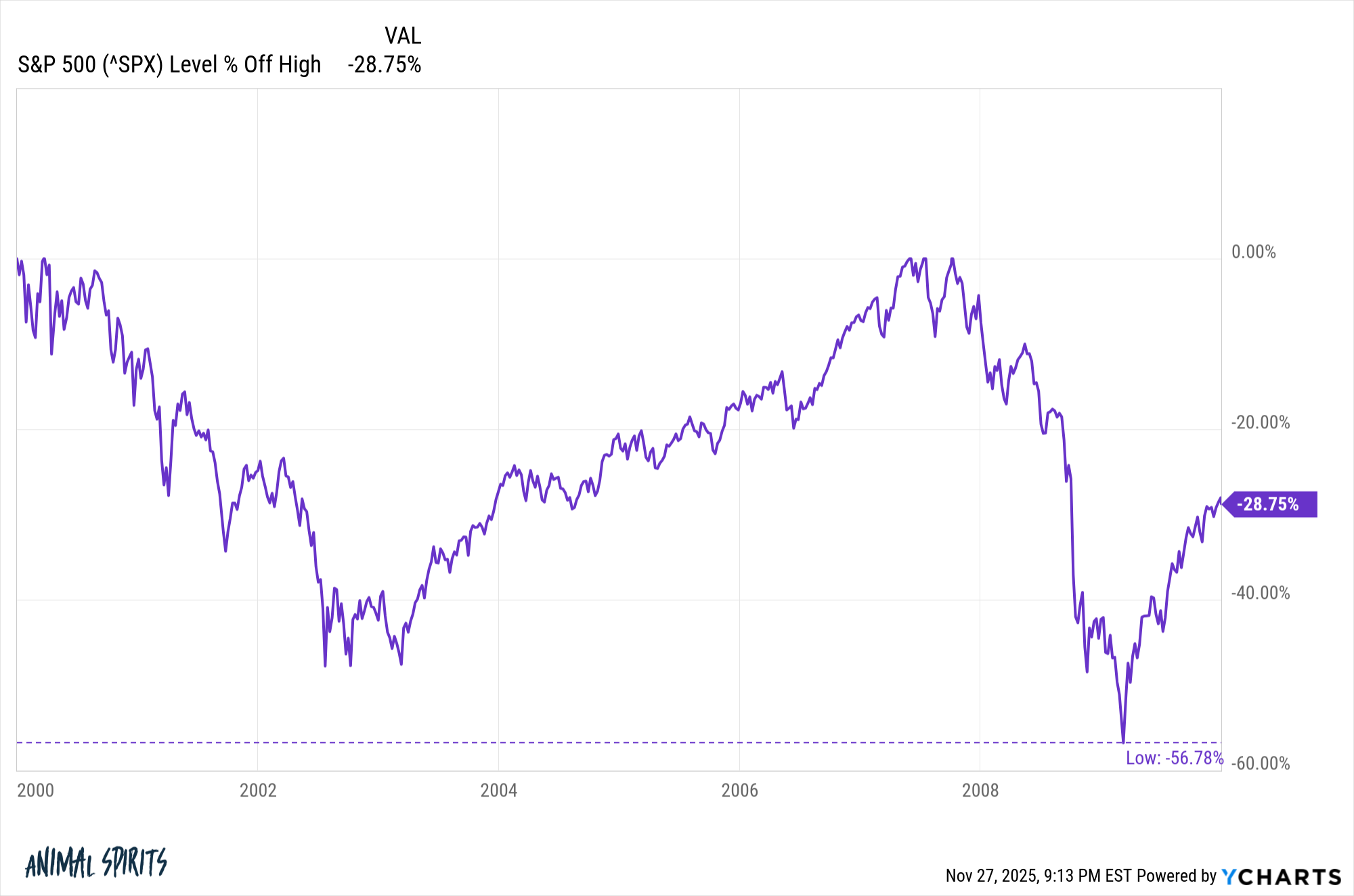
One of the biggest challenges is sequence-of-returns risk. That is the danger of getting poor market returns early in retirement while also taking withdrawals. Two retirees can earn the same average return over time and still end up with wildly different outcomes based on the order in which those returns happen. Early losses hurt more because you are not just watching your balance fall; you are pulling money out while it is already down.
Then there is inflation, which has a rude habit of making groceries, utilities, travel, and health care steadily more expensive. Add taxes, required minimum distributions, and the possibility that retirement could last 25, 30, or even 35 years, and suddenly any “easy” spending rule starts to look more like a helpful starting point than a sacred law of the universe.
That is exactly why the 4 year rule gets attention. It tries to address the emotional and practical side of retirement spending, not just the math.
How the 4 Year Rule Works in Practice
At its core, the 4 year rule is a bucket-style withdrawal strategy. Here is what it generally looks like in real life:
1. Figure out your annual spending gap
Start with your total yearly spending. Then subtract guaranteed income sources such as Social Security, pensions, or steady part-time income. What remains is the amount your portfolio must cover.
If you expect to spend $90,000 a year and Social Security plus a small pension will cover $42,000, your portfolio needs to supply $48,000 annually.
2. Build four years of that gap in safe assets
Using the example above, four years of portfolio-funded spending would be $192,000. That amount sits in cash or very conservative holdings, where market volatility is limited and access is easy.
3. Leave the rest invested for growth
The remaining portfolio stays invested in a diversified mix that may include stocks and bonds. This portion is designed to provide long-term growth, because retirement is not a weekend getaway. It is a multi-decade road trip, and your money still needs to work.
4. Use the reserve during bad markets
When the market drops sharply, you temporarily take withdrawals from the cash bucket instead of selling growth assets at depressed prices. This can reduce the damage from locking in losses.
5. Refill the reserve after recovery
When markets recover and portfolio values stabilize, you begin replenishing the cash reserve. The refill process is usually gradual, not dramatic. Retirement planning rarely improves when accompanied by interpretive dance and large all-or-nothing trades.
4 Year Rule vs. 4% Rule: What Is the Difference?
The easiest way to understand the difference is to remember that the 4% rule is a withdrawal formula, while the 4 year rule is a withdrawal management system.
The 4% rule answers the question, “How much can I start with?” The 4 year rule answers, “Where should the money come from when markets are messy?”
That makes the newer 4 year approach attractive to retirees who want psychological comfort. A four-year reserve can make market downturns feel less catastrophic because the next several years of spending are not hanging entirely on tomorrow’s stock prices.
Still, there is no free lunch in finance. Holding several years of cash may reduce stress, but cash usually grows more slowly than stocks over long periods. Too much cash can drag on portfolio growth and reduce long-term spending power, especially during inflationary periods. In other words, your portfolio may sleep better, but it might also jog slower.
A Simple Example of the 4 Year Rule
Let’s say Mia and Daniel retire at 66 with $1.3 million invested. They estimate annual spending at $100,000. Social Security will provide $38,000 this year, so their portfolio must cover $62,000.
Under a 4 year rule framework, they would aim to hold roughly $248,000 in cash and short-term reserves. The remaining $1,052,000 stays invested.
If markets behave reasonably well during their first three years, they might take withdrawals mostly from dividends, interest, rebalancing proceeds, or appreciated assets while maintaining their reserve. But if a nasty bear market hits right after retirement, they could spend from the reserve instead.
This does not eliminate risk. It does not promise portfolio survival. It does not magically turn a weak plan into a strong one. But it may help them avoid the classic mistake of selling stocks after a sharp drop just to fund ordinary living costs.
What the 4 Year Rule Gets Right
It respects market risk in the early years
Retirement is most fragile at the beginning. A cash reserve can provide breathing room when markets are under pressure.
It helps anxious retirees stay invested
Many retirees do not fail because of bad math. They fail because fear pushes them into bad behavior. A visible reserve can reduce panic selling.
It blends well with real life
Real retirement spending is not perfectly smooth. Travel, home repairs, medical bills, gifts to family, and one very determined HVAC system can all disrupt the plan. A flexible reserve can absorb some of that chaos.
It works nicely with bucket planning
Schwab, BlackRock, and other firms discuss bucket approaches because they can make a long-term plan easier to understand. People often spend more confidently when they can mentally separate near-term money from long-term growth money.
Where the 4 Year Rule Can Go Wrong
Too much cash can hurt growth
Four years of expenses is a meaningful amount of money. If a retiree parks too much in low-yield holdings for too long, the portfolio may struggle to keep up with inflation.
It can encourage market timing
The strategy sounds simple until someone has to decide whether the market is “down enough,” “recovered enough,” or “close enough to a high.” Those decisions can become subjective fast.
It is not a substitute for a withdrawal rate
You still need to know whether your spending level is sustainable. A cash bucket does not rescue a plan with excessive withdrawals.
Taxes still matter
Where you take money from matters almost as much as how much you take. Traditional IRA and 401(k) withdrawals can raise taxable income. Roth accounts are generally more tax-friendly in retirement. A smart withdrawal plan should consider both market conditions and tax consequences.
How to Make the 4 Year Rule Smarter
The strongest retirement spending plans combine rules of thumb with flexibility. Here are a few ways to make the 4 year rule more practical.
Pair it with a reasonable starting withdrawal rate
The classic 4% rule is still a useful benchmark, but it is just that: a benchmark. Some recent research suggests slightly lower starting rates may be more prudent for new retirees, while other analysts argue many retirees can spend more depending on asset mix, market conditions, and flexibility. Translation: 4% is a starting conversation, not a magic password.
Delay Social Security when it makes sense
For many households, especially couples, delaying Social Security can increase guaranteed lifetime income. Bigger guaranteed income can reduce pressure on the portfolio and shrink the amount your cash reserve needs to cover.
Use tax-efficient withdrawal sequencing
Many planners suggest coordinating withdrawals across taxable, tax-deferred, and Roth accounts. The best order depends on income, bracket management, future RMDs, and legacy goals. A sloppy withdrawal sequence can quietly hand extra money to the IRS.
Expect spending to change over time
Retirement is not one giant flat line. Early retirement can be more expensive because people travel, socialize, and finally sign up for that hobby they swore would “basically pay for itself.” Later years may bring lower discretionary spending but higher health-related costs. Your plan should allow for a spending curve, not just a fixed annual number.
Review annually, not obsessively
A yearly spending review is wise. Checking your retirement plan every six hours like it is a pizza delivery tracker is less wise. Good planning needs regular maintenance, not constant drama.
Experiences Related to the 4 Year Rule For Retirement Spending
One of the most interesting things about retirement spending is that people rarely struggle with the numbers alone. They struggle with the feeling of spending. Someone who spent 35 years saving faithfully can still freeze when it is finally time to use the money. That emotional shift is real.
A common experience goes like this: a newly retired couple has enough on paper, but the first market dip sends their confidence tumbling. Even routine withdrawals start to feel reckless. In that situation, a four-year reserve can provide a surprising amount of calm. Instead of feeling like every grocery run is coming straight out of a falling stock fund, they can see that near-term bills are already covered. That visual separation often matters more than spreadsheets admit.
Another common pattern shows up in the first five years of retirement. People often spend more than expected, not less. They travel, help adult children, renovate a kitchen, replace an old car, and celebrate the freedom they spent decades building. The spending is not always irresponsible. Sometimes it is the point. But retirees who assume every year will look identical may get blindsided. A retirement plan built around flexibility tends to fit real life better than a plan built around perfect consistency.
There is also the experience of partial retirement, which is increasingly common. Many people do not retire in one dramatic movie scene where they close the laptop, wave goodbye, and ride into the sunset on a weekday. They ease out. They consult. They work seasonally. A spouse may still be employed while the other retires. In that kind of in-between phase, the 4 year rule can be especially useful because the spending gap is smaller at first and easier to fund conservatively.
Then there are the hard years. A retiree may face a bear market, a medical issue, or the loss of a spouse. These are the seasons when retirement planning stops being theoretical. People who have a cash reserve often describe a sense of control during periods that otherwise feel chaotic. The reserve does not solve grief or illness, of course, but it can remove one layer of financial pressure when life is already heavy.
On the flip side, some retirees discover they have become too cautious. They sit on large cash balances year after year, spend less than they comfortably could, and slowly realize they are protecting money they may never use. That is the hidden danger of every conservative rule: it can keep you safe, but it can also keep you small. Retirement should not feel like a permanent dress rehearsal.
The best real-world experience with the 4 year rule is usually not perfection. It is balance. Enough cash to sleep at night. Enough growth exposure to keep up with inflation. Enough flexibility to adjust when life changes. And enough confidence to actually enjoy the money you worked so hard to save.
Final Thoughts
The 4 year rule for retirement spending is best understood as a practical spending buffer, not a miracle formula. It can be a smart way to manage withdrawals during rough markets, especially when paired with a realistic starting withdrawal rate, diversified investments, tax planning, and a thoughtful Social Security strategy.
The biggest takeaway is this: retirement spending is not just about finding one perfect number. It is about building a system that helps your money last while still letting you live. If the classic 4% rule gives you a starting line, the 4 year rule gives you a little shock absorber for the bumps along the way.
And that may be the real goal of retirement planning: not mathematical perfection, but a plan sturdy enough that you can stop staring at the market and get back to enjoying Tuesday afternoon.