There are two kinds of mornings: the calm, sunbeam-through-the-window kind and the “why is everyone hungry at the same time?” kind. A jar of homemade pancake mix is useful for both. It gives you the cozy flavor of from-scratch pancakes without forcing you to measure flour while half-awake and negotiating with a coffee maker.
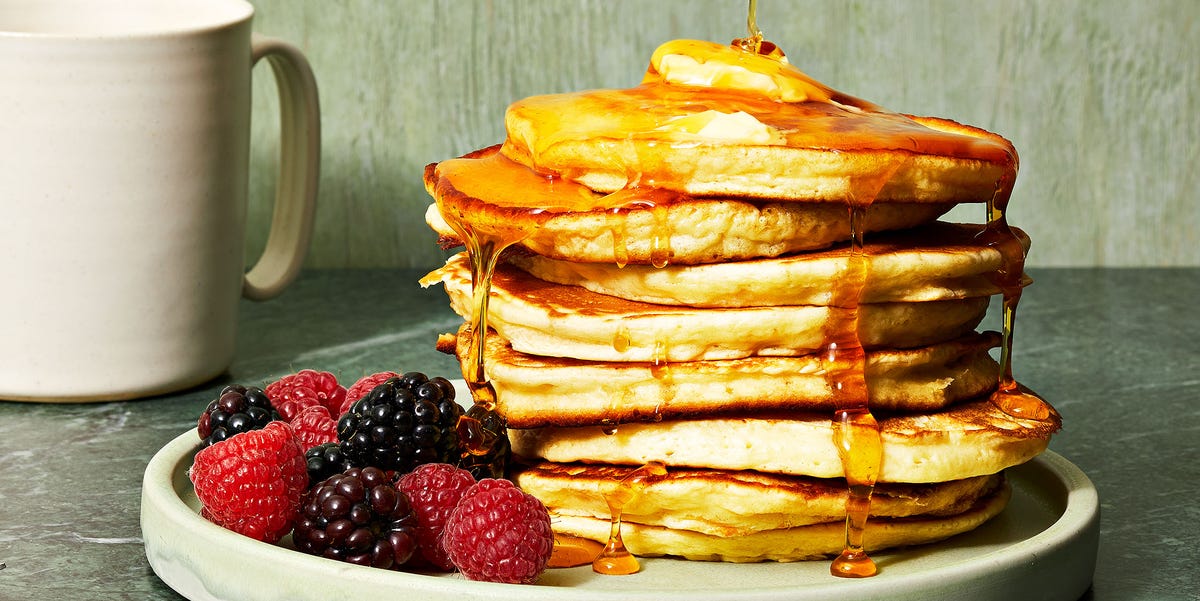
This best homemade pancake mix recipe is designed to be simple, fluffy, pantry-friendly, and flexible. You mix the dry ingredients once, store them in an airtight container, and use the mix whenever pancakes need to appear quickly and heroically. The result is a stack of tender, golden pancakes with crisp edges, soft centers, and enough breakfast charm to make boxed mix look slightly embarrassed.
Why Make Homemade Pancake Mix?
Homemade pancake mix gives you control. You decide the flour, sugar level, salt, leavening, and add-ins. You can make it plain for everyday pancakes, slightly sweet for kids, whole-grain for extra heartiness, or diner-style with malted milk powder. The biggest win is convenience: once the dry mix is ready, breakfast only needs milk, eggs, butter or oil, and a hot pan.
It is also budget-friendly. Most pancake mix ingredients are everyday baking staples: all-purpose flour, baking powder, sugar, and salt. You are not paying for a fancy box, mystery “natural flavors,” or a cartoon pancake smiling at you from the pantry shelf. You are paying for ingredients that actually become breakfast.
The Best Homemade Pancake Mix Recipe
This recipe makes about 7 cups of dry pancake mix, enough for roughly 4 family-size batches. Each batch makes about 10 to 12 medium pancakes, depending on how enthusiastically you pour.
Dry Pancake Mix Ingredients
- 6 cups all-purpose flour
- 1/2 cup granulated sugar
- 1/4 cup baking powder
- 1 tablespoon fine salt
- 2 teaspoons baking soda, optional for buttermilk pancakes
- 1/2 cup powdered milk, optional for richer “just add water” flavor
How to Make the Dry Mix
- Use a very large bowl so the flour does not stage a tiny kitchen snowstorm.
- Whisk together flour, sugar, baking powder, salt, and optional baking soda.
- If using powdered milk, whisk it in thoroughly so the mix is evenly blended.
- Transfer to an airtight jar, canister, or food-safe storage container.
- Label the container with the date and basic cooking instructions.
For the smoothest mix, sift the ingredients or whisk longer than you think you need to. Baking powder and salt like to hide in pockets, and nobody wants one pancake that tastes like a science experiment while the next one refuses to rise.
How to Make Pancakes from Homemade Pancake Mix
Ingredients for One Batch
- 1 3/4 cups homemade pancake mix
- 1 cup milk, plus 1 to 3 tablespoons more if needed
- 1 large egg
- 3 tablespoons melted butter or neutral oil
- 1 teaspoon vanilla extract, optional
Cooking Instructions
- Add pancake mix to a large bowl.
- In a separate bowl, whisk milk, egg, melted butter, and vanilla.
- Pour the wet ingredients into the dry mix.
- Stir gently until just combined. A few lumps are good. Overmixing is where fluffy pancakes go to lose their dreams.
- Let the batter rest for 5 to 10 minutes while the griddle heats.
- Heat a nonstick skillet or griddle over medium heat. Lightly grease with butter or oil.
- Scoop about 1/4 cup batter per pancake.
- Cook until bubbles appear on top and the edges look set, about 2 minutes.
- Flip once and cook the second side for 1 to 2 minutes, until golden brown.
- Serve warm with maple syrup, fruit, butter, honey, jam, or whatever makes your breakfast table happy.
The Secret to Fluffy Homemade Pancakes
The secret is not complicated. Use fresh baking powder, avoid overmixing, and let the batter rest. Baking powder creates bubbles that lift the pancakes. Resting gives flour time to hydrate, which helps the batter thicken and cook evenly. Stirring too much develops gluten, which can make pancakes chewy instead of soft.
Your batter should look thick but pourable. If it is so thin it runs across the pan like pancake soup, add a spoonful of mix. If it sits in the bowl like cement with breakfast ambitions, add a splash of milk. Pancake batter should move slowly, not sprint.
Ingredient Notes and Smart Substitutions
Flour
All-purpose flour makes classic, tender pancakes. You can replace up to half of it with white whole wheat flour or finely ground oats for a heartier mix. Whole-grain pancakes usually need a little more liquid and a slightly longer cooking time because the grains absorb moisture differently.
Sugar
A small amount of sugar adds flavor and helps browning. If you prefer less sweetness, reduce the sugar to 1/4 cup in the dry mix. If you love diner-style pancakes, replace part of the sugar with malted milk powder for a toasty, nostalgic flavor.
Baking Powder
Baking powder is the main leavening. Make sure it is fresh. Old baking powder may still look innocent, but it can leave you with flat pancakes that resemble tiny edible coasters.
Salt
Do not skip the salt. It balances sweetness and makes the pancakes taste complete. Without salt, pancakes can taste strangely dull, even under a heroic amount of syrup.
Milk, Buttermilk, or Water
Milk gives better flavor and tenderness than water. Buttermilk adds tang and creates a thicker, softer pancake. If using buttermilk, include the optional baking soda in the dry mix or add a pinch to the batter. If you added powdered milk to the dry mix, water can work in a pinch, though milk still gives the richest result.
Storage Tips for Homemade Pancake Mix
Store homemade pancake mix in an airtight container in a cool, dry, dark place. Heat and moisture are the enemies of good leavening. A pantry shelf away from the stove is better than a cabinet above the oven.
For best flavor and rise, use the mix within 3 to 4 months. If your kitchen is humid or you use whole wheat flour, store the mix in the refrigerator or freezer. Whole-grain flours contain natural oils that can turn stale faster than refined white flour.
Write the date on the jar. Future you will appreciate it, especially when standing in the pantry wondering whether the mystery mix is from last month or the previous presidential administration.
How to Test Baking Powder Before Making Pancakes
Before making a big batch, test your baking powder if it has been open for a while. Spoon a little into a cup and add hot water. If it bubbles actively, it is still strong. If it sits there doing absolutely nothing, replace it. Pancakes need lift, and baking powder is the tiny engine under the hood.
Food Safety Note: Do Not Taste Raw Batter
Raw pancake batter can contain uncooked flour and raw egg. Flour may look harmless, but it is a raw agricultural product and should be cooked before eating. Enjoy the pancakes after they hit the griddle, not from the mixing spoon. Wash bowls, utensils, counters, and hands after handling raw batter.
Flavor Variations for Homemade Pancake Mix
Classic Vanilla Pancakes
Add 1 teaspoon vanilla extract to the wet ingredients. This is the basic weekend pancake: soft, golden, and ready for butter.
Blueberry Pancakes
Sprinkle fresh or frozen blueberries directly onto each pancake after pouring the batter onto the griddle. This prevents the whole bowl from turning purple-gray, unless purple-gray breakfast is your personal brand.
Chocolate Chip Pancakes
Add 1/2 cup mini chocolate chips to one batch of batter. Mini chips distribute better than large chips and make every bite feel like dessert got invited to breakfast.
Banana Cinnamon Pancakes
Mash one ripe banana into the wet ingredients and add 1/2 teaspoon cinnamon. Use slightly less milk because banana adds moisture.
Whole Grain Pancakes
Replace 2 cups of the all-purpose flour in the dry mix with white whole wheat flour or oat flour. Add an extra tablespoon or two of milk when making the batter, and cook until bubbles are well-formed before flipping.
Buttermilk Pancakes
Use buttermilk instead of milk and include baking soda in the dry mix. The batter will be thicker, tangier, and wonderfully tender.
Common Pancake Mistakes and How to Fix Them
My Pancakes Are Flat
Your baking powder may be old, or the batter may have sat too long after mixing. Make the batter right before cooking and use fresh leavening.
My Pancakes Are Tough
You probably overmixed the batter. Stir gently until no large dry patches remain. Lumps are normal. Lumps are friends.
My Pancakes Burn Outside but Stay Raw Inside
The heat is too high. Pancakes need medium heat so the inside cooks before the outside gets too dark. If butter burns immediately when it hits the pan, lower the heat.
My Pancakes Stick
Preheat the pan properly and lightly grease it. Too much butter can cause uneven browning, while too little fat can make pancakes cling dramatically to the skillet.
My Batter Is Too Thick
Add milk one tablespoon at a time. Thick batter makes tall pancakes, but overly thick batter can cook unevenly.
Can You Use Homemade Pancake Mix for Waffles?
Yes, with a small adjustment. For waffles, use the same mix but add a little more fat. For one batch, combine 1 3/4 cups pancake mix, 1 cup milk, 1 large egg, 4 tablespoons melted butter or oil, and 1 teaspoon vanilla. Waffle batter should be slightly richer so the outside crisps while the inside stays tender.
How to Freeze Pancakes for Busy Mornings
Cook pancakes as usual, then cool them completely. Place them in a single layer on a baking sheet and freeze until firm. Transfer to a freezer bag with parchment between layers. Reheat in the toaster, microwave, or oven. This is how you turn one relaxed cooking session into several future breakfasts that feel suspiciously organized.
Serving Ideas That Make Pancakes Feel Special
Maple syrup and butter are classics for a reason, but homemade pancakes are also excellent with berries, sliced bananas, toasted pecans, whipped cream, lemon curd, peanut butter, Greek yogurt, or warm apple compote. For a savory twist, reduce the sugar in the mix and serve pancakes with fried eggs, bacon, or sausage.
If you are feeding a crowd, set up a pancake bar. Keep pancakes warm in a 200°F oven, then offer toppings in small bowls. Kids love it, adults pretend they are too mature for it, and then everyone adds chocolate chips anyway.
Why This Recipe Works
This homemade pancake mix keeps the dry ratio balanced: enough baking powder for lift, enough sugar for browning, enough salt for flavor, and enough flour for structure. The wet ingredients bring richness and tenderness. Resting the batter helps the flour absorb liquid, while gentle mixing keeps the pancakes soft.
The recipe is also practical. It does not require specialty ingredients, but it leaves room for creativity. You can make plain pancakes on a weekday, blueberry pancakes on Sunday, or chocolate chip pancakes when morale requires immediate action.
Experience Notes: What I Learned Making Homemade Pancake Mix
The first time I made homemade pancake mix, I treated it like a casual pantry project. Flour, baking powder, sugar, salthow dramatic could it be? Then I made the rookie mistake of storing it in an unlabeled container. Two weeks later, I stood in the kitchen holding a jar of white powder like a confused detective. Was it pancake mix? Self-rising flour? A science fair project? Label your jar. Breakfast should not require forensic analysis.
Once I fixed the labeling issue, the homemade mix became one of those small kitchen habits that made mornings noticeably easier. The biggest difference was not speed, though speed definitely helped. The real benefit was consistency. Instead of measuring five dry ingredients every time, I could scoop one mix, add wet ingredients, and get reliable pancakes. The pancakes tasted fresher than boxed mix and had a softer, more homemade texture.
I also learned that pan temperature matters more than people admit. A pan that is too cool makes pale pancakes that absorb grease. A pan that is too hot turns the outside brown before the inside has a chance to cook. Medium heat is the sweet spot. I like to test the pan with a small spoonful of batter first. The test pancake is rarely beautiful, but it tells the truth. Consider it the pancake intern.
Another useful lesson: stop flipping too early. Pancakes tell you when they are ready. Look for bubbles forming on top, edges that look slightly dry, and a bottom that is golden when you peek carefully. Flip once. Repeated flipping presses out steam and can make pancakes flatter. Pancakes are not gym equipment; they do not need reps.
For flavor, melted butter gives the richest result, but oil is convenient and keeps the crumb tender. Vanilla is optional, yet it makes the kitchen smell like someone has their life together. Buttermilk is wonderful when available, especially for thick weekend pancakes. For everyday mornings, regular milk works beautifully.
My favorite add-in method is sprinkling extras onto the pancakes after pouring the batter into the skillet. Blueberries, chocolate chips, chopped nuts, and banana slices distribute better that way. It also lets each person customize a pancake without dividing the batter into several bowls. Fewer dishes, fewer arguments, better breakfast.
The greatest advantage of this homemade pancake mix is that it makes pancakes feel easy enough for normal days. Not just birthdays. Not just holidays. Not just mornings when everyone magically wakes up cheerful. A good jar of pancake mix turns ordinary ingredients into a warm stack of comfort, and sometimes that is exactly what a kitchen needs.
Conclusion
The best homemade pancake mix recipe is simple, flexible, and genuinely useful. With flour, sugar, baking powder, salt, and a few smart storage habits, you can keep a ready-to-use mix in your pantry for fast homemade pancakes anytime. Use fresh baking powder, mix gently, rest the batter briefly, and cook on medium heat for pancakes that are fluffy inside and golden outside.
Whether you prefer classic maple syrup pancakes, blueberry pancakes, whole grain pancakes, or diner-style stacks with extra butter, this dry mix gives you a dependable starting point. It is cheaper than boxed mix, easy to customize, and much more satisfying than trying to measure flour before coffee.