Note: This article is written for general wellness and educational purposes. If you have balance issues, recent injuries, chronic pain, or a medical condition, practice near a stable chair or wall and ask a qualified healthcare professional before starting a new exercise routine.
Why Tai Chi Is a Perfect Starting Point for Beginners
Tai chi looks like slow-motion poetry, but do not let the peaceful vibe fool you. Beneath those smooth, graceful movements is a smart full-body practice that trains balance, posture, breath, coordination, and focus. It is gentle enough for beginners, yet deep enough that people can practice it for decades and still discover new layers. In other words, tai chi is the rare workout that does not shout at you, demand neon shoes, or make you feel like you have been chased by a lawn mower.
For beginners, tai chi is especially appealing because it is low-impact, equipment-free, and easy to modify. You can practice in a living room, on a porch, in a quiet corner of the park, or beside your bed before the day gets loud. The movements are slow and controlled, which gives your body time to understand where it is in space. That matters because good balance is not only about strong legs. It also depends on awareness, posture, breathing, and the ability to shift weight smoothly without rushing.
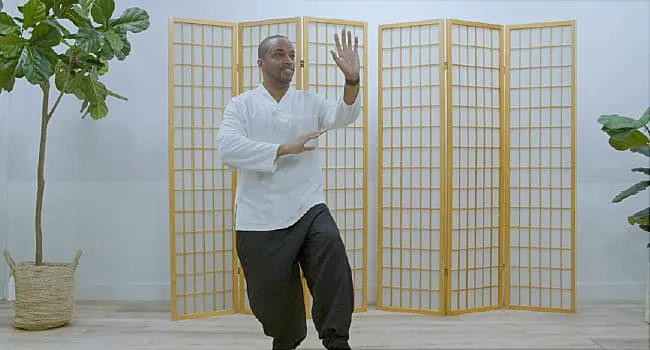
The three tai chi movements below are beginner-friendly, practical, and widely used in traditional tai chi training: Commencement, Parting the Wild Horse’s Mane, and Wave Hands Like Clouds. Together, they introduce the basic building blocks of tai chi: grounding, weight shifting, coordinated arm movement, soft knees, relaxed shoulders, and steady breathing. Think of them as the “hello, nice to meet you” of tai chi.
Before You Begin: Simple Tai Chi Setup Tips
Choose a Safe Practice Space
Start with a flat, uncluttered area where you can step side to side without bumping into furniture, pets, laundry baskets, or that mysterious chair everyone uses as a closet. Wear comfortable clothing and supportive shoes, or practice barefoot if the floor is safe and not slippery. Keep a chair nearby if you want extra balance support.
Use the “Soft but Stable” Rule
In tai chi, the body is relaxed but not floppy. Stand tall, but do not lock your knees. Let your shoulders drop away from your ears. Keep your chest open without puffing it out. Imagine the crown of your head gently floating upward while your feet settle into the floor. This combination of lightness and rootedness is one of the secrets behind tai chi’s calm power.
Breathe Naturally
Beginners often try to match every tiny movement to an exact breath count. That can turn tai chi into a math quiz, and nobody came here for algebra in pajamas. Instead, breathe slowly and naturally. As a general guide, inhale when your body opens or rises, and exhale when your body lowers, turns, or settles. The breath should support the movement, not boss it around.
Movement 1: Commencement
Best for: posture, grounding, breath awareness, shoulder relaxation, and starting a tai chi routine with control.
Commencement is often the opening movement in tai chi forms. It may look simple, but it teaches one of the most important beginner lessons: calm movement starts from stable standing. This movement helps you connect your breath with your body while gently waking up the arms, shoulders, knees, and spine.
How to Do Commencement
- Stand with your feet about shoulder-width apart. Let your toes point forward or slightly outward.
- Soften your knees. Do not squat deeply; just unlock the joints.
- Let your arms rest naturally by your sides with your palms facing inward.
- Inhale slowly as you raise both arms in front of you to about shoulder height. Keep the elbows relaxed and the wrists soft.
- Exhale as you gently lower your hands, bending the knees slightly as if your body is settling into the ground.
- Repeat 5 to 8 times, moving slowly and smoothly.
Beginner Form Tips
Keep your shoulders relaxed as your arms rise. If your shoulders creep up toward your ears, politely send them back down. Your hands should feel light, as if they are floating on water. When your hands lower, imagine smoothing the air in front of you. Avoid forcing your knees to bend too much. The motion should feel comfortable, steady, and quiet.
Why This Movement Helps
Commencement trains body awareness. It teaches you to move without rushing, breathe without straining, and settle your weight evenly through both feet. It is also useful as a quick reset during the day. After sitting at a desk, scrolling on your phone, or having a dramatic staring contest with your email inbox, a few rounds of Commencement can help you loosen your shoulders and return to your body.
Movement 2: Parting the Wild Horse’s Mane
Best for: weight shifting, leg coordination, balance, hip mobility, and learning how the upper and lower body work together.
Parting the Wild Horse’s Mane has one of the best names in beginner tai chi. It sounds like something from a fantasy novel, but the movement itself is practical and elegant. You step forward while one arm rises and the other lowers, creating a gentle opening motion through the chest and torso. It introduces a key tai chi skill: shifting weight from one leg to the other with control.
How to Do Parting the Wild Horse’s Mane
- Begin with your feet shoulder-width apart and your knees soft.
- Turn slightly to your right and bring your hands near your right side as if holding a beach ball. Your right hand is on top, left hand underneath.
- Step forward gently with your left foot. Place the heel down first, then roll the foot onto the floor.
- Shift your weight slowly onto the left leg.
- As you shift forward, let your left arm rise diagonally, palm facing inward or slightly upward. Your right hand lowers near your right hip.
- Return to center or continue to the other side: hold the imaginary ball on the left, step forward with the right foot, and open the right arm as the left hand lowers.
- Practice 4 to 6 repetitions on each side.
Beginner Form Tips
The most common beginner mistake is stepping too far. A huge step may look dramatic, but tai chi is not a runway show. Use a small, comfortable step that lets you shift weight smoothly. Keep your front knee aligned over your toes, not collapsing inward. Let your torso turn naturally with the movement, but avoid twisting aggressively. Your arms should feel rounded, not stiff or locked.
Why This Movement Helps
This movement improves coordination because your legs, arms, torso, and breath must cooperate. It also teaches controlled weight transfer, which is essential for balance. In daily life, weight shifting happens constantly: walking upstairs, stepping off a curb, reaching for something, turning in the kitchen, or avoiding a rogue sock on the floor. Parting the Wild Horse’s Mane helps make those transitions smoother and more mindful.
Movement 3: Wave Hands Like Clouds
Best for: side-to-side movement, coordination, gentle spinal rotation, balance, and relaxation.
Wave Hands Like Clouds is one of the most recognizable tai chi movements. It has a flowing side-to-side rhythm that makes the body feel calm and connected. The name is perfect because the hands drift across the body like clouds moving through the sky. Ideally, very graceful clouds. Not the stormy kind that look like they are late for a meeting.
How to Do Wave Hands Like Clouds
- Stand with your feet slightly wider than hip-width apart.
- Soften your knees and relax your shoulders.
- Bring one hand up near chest height and the other hand lower near the waist, palms facing inward.
- Shift your weight slowly to the right as your hands float across your body to the right.
- Let your waist and torso turn gently in the same direction. Keep your head relaxed and your gaze soft.
- Switch the hand positions as you shift your weight to the left, allowing the hands to float across the body.
- Continue side to side for 1 to 3 minutes, moving slowly and evenly.
Beginner Form Tips
Do not swing your arms from the shoulders like windshield wipers. The movement should begin from your center: feet, legs, hips, waist, torso, then arms. Keep the elbows slightly bent. Imagine your hands are being carried by the turning of your body rather than doing all the work by themselves. Your knees should stay soft, and your steps or weight shifts should be small enough to feel stable.
Why This Movement Helps
Wave Hands Like Clouds is excellent for practicing calm coordination. It teaches you to move laterally, which many workouts ignore. Walking and jogging mostly move forward, but real life happens in all directions. You step sideways in the kitchen, turn to grab a bag, rotate to open a door, and shift around furniture. This movement gently trains those patterns while encouraging breath awareness and relaxation.
How to Turn These 3 Tai Chi Movements Into a Beginner Routine
You do not need a long routine to receive value from tai chi. A short, consistent practice is better than one heroic session followed by three weeks of “I should really do that again.” Start with 5 to 10 minutes. Once your body understands the movements, increase gradually.
A Simple 10-Minute Tai Chi Routine
- Minute 1: Stand quietly, soften the knees, relax the shoulders, and breathe naturally.
- Minutes 2–3: Practice Commencement slowly for several rounds.
- Minutes 4–6: Practice Parting the Wild Horse’s Mane on both sides.
- Minutes 7–9: Practice Wave Hands Like Clouds with smooth side-to-side weight shifts.
- Minute 10: Return to stillness, breathe, and notice how your body feels.
For beginners, the goal is not perfection. The goal is awareness. Tai chi rewards patience. The slower you go, the more you notice. The more you notice, the better you move. And the better you move, the less likely you are to treat your coffee table like an unexpected obstacle course.
Common Beginner Mistakes and How to Fix Them
Mistake 1: Trying Too Hard
Tai chi is not about forcing your body into impressive shapes. If your face looks like you are solving a tax problem, soften your effort. Keep the movements comfortable and smooth. You should feel focused, not strained.
Mistake 2: Locking the Knees
Locked knees make movement stiff and can reduce stability. Keep a gentle bend in the knees throughout your practice. Think “springy,” not “soggy.” Your legs should support you without becoming rigid.
Mistake 3: Moving Only the Arms
Many beginners wave their arms around while the rest of the body stands frozen. In tai chi, the whole body participates. Let the feet, legs, hips, waist, spine, shoulders, arms, and hands work together in one connected chain.
Mistake 4: Holding the Breath
When concentrating, beginners often hold their breath. This makes the movement feel tense. Let your breathing remain easy. If you lose the rhythm, pause, take a natural breath, and begin again.
Who Can Practice These Beginner Tai Chi Movements?
These movements can be adapted for many ages and fitness levels. People who want a gentle exercise routine, better balance, improved posture, stress relief, or a low-impact way to move may find tai chi especially useful. It can also be appealing for people who dislike noisy workouts or intense gym environments. Tai chi does not require you to jump, sprint, count burpees, or pretend to enjoy burpees.
That said, beginners should respect their limits. If you feel sharp pain, dizziness, chest discomfort, or unusual shortness of breath, stop practicing and seek medical guidance. If balance is a concern, practice beside a wall, countertop, or sturdy chair. Tai chi should feel safe, controlled, and comfortable.
How Often Should Beginners Practice Tai Chi?
Start with 5 to 10 minutes, three to five days per week. If that feels good, build toward 15 to 20 minutes. Consistency matters more than duration. A short daily routine can help you develop smoother coordination and better body awareness over time.
One helpful approach is habit stacking. Add tai chi to something you already do. Practice after brushing your teeth, before your morning coffee, during an afternoon screen break, or before bed. The routine becomes easier when it has a regular home in your day.
Experience-Based Reflections: What Beginners Often Notice When Practicing These 3 Tai Chi Movements
The first experience many beginners have with tai chi is surprise. They expect something easy because the movements are slow. Then, about two minutes into Wave Hands Like Clouds, they realize slow movement requires attention. The legs begin to wake up. The shoulders reveal years of secret tension. The mind, which was previously running twelve browser tabs at once, starts to settle. Tai chi is gentle, but it is not empty. It asks you to be present, and that can feel unfamiliar at first.
With Commencement, beginners often notice how difficult it is to simply raise and lower the arms without rushing. The movement looks almost too simple, but that is the point. It teaches control. When you lift the arms slowly, you may notice one shoulder rising faster than the other, your knees locking, or your breath pausing. These small discoveries are useful. Tai chi is like a quiet mirror. It shows you how you move when you are not paying attention.
Parting the Wild Horse’s Mane usually feels more like “real tai chi” to beginners because it includes stepping, turning, and flowing arm patterns. At first, coordinating the hands and feet may feel like trying to pat your head, rub your stomach, and remember your email password at the same time. That is normal. The trick is to slow down. Practice the footwork first. Then add the arms. Then connect the breath. Once the pieces come together, the movement begins to feel smooth and satisfying.
Wave Hands Like Clouds is often the favorite because it has a calming rhythm. The side-to-side motion feels natural once you stop overthinking it. Many beginners describe it as soothing for the shoulders and upper back, especially after long hours sitting at a desk. The gentle turning of the waist can make the spine feel more awake without forcing a stretch. It is also a great movement for mental reset. After a few slow rounds, the body feels less like a pile of folded laundry and more like an actual living system again.
A helpful beginner experience is practicing in front of a window or mirror, not to judge yourself, but to observe. Notice whether your head leans forward, whether your knees collapse inward, or whether your hands become stiff. Then make small adjustments. Tai chi improvement is not dramatic. It is quiet. One day your weight shift feels smoother. Another day your shoulders relax faster. Eventually, you realize you are moving with more patience in ordinary life too.
Beginners may also notice emotional benefits. Tai chi gives the mind one clear job: follow the movement. That simplicity can be refreshing. You are not competing, measuring, or chasing a number. You are practicing how to stand, breathe, shift, and flow. For people who feel intimidated by fitness routines, this can be encouraging. Tai chi does not demand that you become a different person overnight. It simply invites you to move a little better today than you did yesterday.
The best experience comes from treating tai chi as practice, not performance. Your first attempts may look less like ancient martial wisdom and more like a person politely directing invisible traffic. That is perfectly fine. Every skilled practitioner started with awkward steps, confused hands, and the occasional “wait, which foot is this?” moment. Stay patient, keep the movements small, and let the practice become familiar.
Conclusion
Tai chi is one of the most beginner-friendly ways to build balance, coordination, posture, and calm focus. The three movements in this guideCommencement, Parting the Wild Horse’s Mane, and Wave Hands Like Cloudsoffer a simple foundation for anyone who wants to start practicing without feeling overwhelmed. They teach you how to breathe naturally, shift weight safely, relax unnecessary tension, and move with intention.
You do not need perfect form, special equipment, or a silent mountain courtyard to begin. A few minutes, a safe space, and a willingness to move slowly are enough. Start small, practice consistently, and let tai chi do what it does best: turn ordinary movement into mindful movement. And if your first session feels awkward, congratulations. That means you are learning.