Brick has a way of looking charming even when it is a little dusty. That is part of the appeal. A clean brick fireplace feels cozy, an exterior brick wall adds curb appeal, and a brick patio can make a backyard look like it has its life together. But when soot, algae, white mineral deposits, mud, grease, and mysterious “what even is that?” stains show up, brick stops looking rustic and starts looking neglected.
The good news is that cleaning brick is usually a do-it-yourself project. The better news is that you do not need to attack it like a medieval castle wall. Brick is tough, but it is also porous. That means it absorbs water and cleaners quickly, especially if the surface is older, unsealed, or sunbaked. The secret is to start gently, work in small sections, keep the brick from drying too fast, and rinse like you mean it.
This guide explains three practical ways to clean bricks: a gentle indoor method, an exterior wash method, and a stain-specific method for stubborn problems like soot, mildew, mortar haze, and efflorescence. You will also learn what not to do, because sometimes the best brick-cleaning tool is restraint wearing gloves.
Before You Start: Read the Brick Before You Scrub the Brick
Before choosing a cleaner, take one minute to inspect the surface. Are the mortar joints cracked or crumbly? Is the brick painted? Is it antique or part of a historic home? Are there white powdery stains, black soot, green algae, or greasy kitchen splatter? Different stains need different approaches, and using the strongest cleaner first can damage the surface, lighten the brick unevenly, or make stains worse.
Gather basic supplies: a vacuum with a brush attachment, a broom, a masonry sponge, nylon-bristle brushes, buckets, clean water, mild dish soap, baking soda, white vinegar, protective gloves, goggles, drop cloths, and a garden hose for outdoor jobs. Avoid wire brushes whenever possible. They can scratch brick and mortar, and tiny pieces of metal may lodge in the surface and rust later. Congratulations, you cleaned the wall and accidentally decorated it with orange freckles.
Always test any cleaner in a hidden area first. Wait until the spot dries before judging the result. Brick often looks darker when wet, so do not panic halfway through and repaint your entire personality.
Way 1: Clean Interior Brick with Mild Soap, Water, and Patience
This method is best for interior brick walls, fireplaces, mantels, kitchen brick veneers, decorative brick, and lightly soiled indoor masonry. It is the safest starting point and works surprisingly well on everyday dust, light soot, mild grease, and dull-looking brick.
Step 1: Remove Dry Dirt First
Dry debris turns into muddy sludge when water hits it, so begin with a dry clean. Use a vacuum with a brush attachment to remove dust from the brick face and mortar joints. For a fireplace, make sure all ashes are completely cool before cleaning. Use a small brush to loosen debris from crevices, then vacuum again.
Step 2: Pre-Wet the Brick
Brick is porous, so do not apply cleaner directly to a dry surface. Mist the brick with clean water or wipe it with a damp masonry sponge. This helps keep the cleaning solution on the surface instead of allowing it to sink deep into the pores, where it may leave residue or discoloration.
Step 3: Use Warm Water and Dish Soap
Mix a few drops of mild dish soap into a bucket of warm water. Dip a sponge or soft nylon brush into the solution and clean from top to bottom. Work in small sections so dirty water does not run over areas you have already finished. For soot or grease, make a paste with dish soap and baking soda, apply it to stained areas, let it sit for about 10 minutes, then scrub gently.
If you are cleaning fireplace brick, a little table salt mixed with dish soap can act as a mild abrasive. Use a light touch. The goal is to lift the soot, not sand the brick into submission.
Step 4: Rinse Thoroughly
Rinse with a clean sponge and warm water until no soap remains. Change the rinse water often. Soap left behind can attract dirt later, which is basically brick asking for a second cleaning session.
When to Use Vinegar Indoors
A 50/50 mixture of white vinegar and water may help with light grime and smoky odors on newer brick. However, vinegar is acidic, so use it carefully, do not let it sit too long, and avoid it on fragile, very old, or deteriorating masonry. Rinse well afterward. Never combine vinegar with bleach, ammonia, TSP, or other chemical cleaners.
Way 2: Clean Exterior Brick with a Hose, Brush, or Low-Pressure Washer
Exterior brick collects dust, pollen, moss, algae, smoke, mud splash, and weather stains. The right method depends on the age and condition of the wall, patio, walkway, or outdoor fireplace. Newer, sturdy brick can often handle more water pressure. Older brick needs a softer approach.
Step 1: Choose the Right Day
Clean brick on a mild, overcast day if possible. Hot sun can dry cleaner too quickly, leaving streaks or residue. Cold weather is not ideal either, especially if freezing temperatures are possible. A comfortable day for you is usually a comfortable day for the brick. Very scientific, but also true enough.
Step 2: Protect the Area
Cover nearby plants, painted trim, metal fixtures, outdoor lights, outlets, windows, and delicate landscaping. If using any cleaner stronger than dish soap, read the label and protect runoff areas. Move furniture, grills, planters, and décor out of the splash zone.
Step 3: Inspect and Repair First
Do not pressure wash loose mortar, cracked joints, or damaged brick. Water can force its way into cracks and make problems worse. Patch failing mortar or call a masonry professional if the wall is old, historic, bowed, or heavily deteriorated.
Step 4: Start with Water and a Nylon Brush
For many exterior surfaces, a garden hose and a stiff nylon brush are enough. Rinse the brick from top to bottom, scrub with soapy water, and rinse again. For patios and walkways, sweep first, wet the surface, scrub problem areas, then rinse away loosened dirt.
Step 5: Use Low Pressure Only When Appropriate
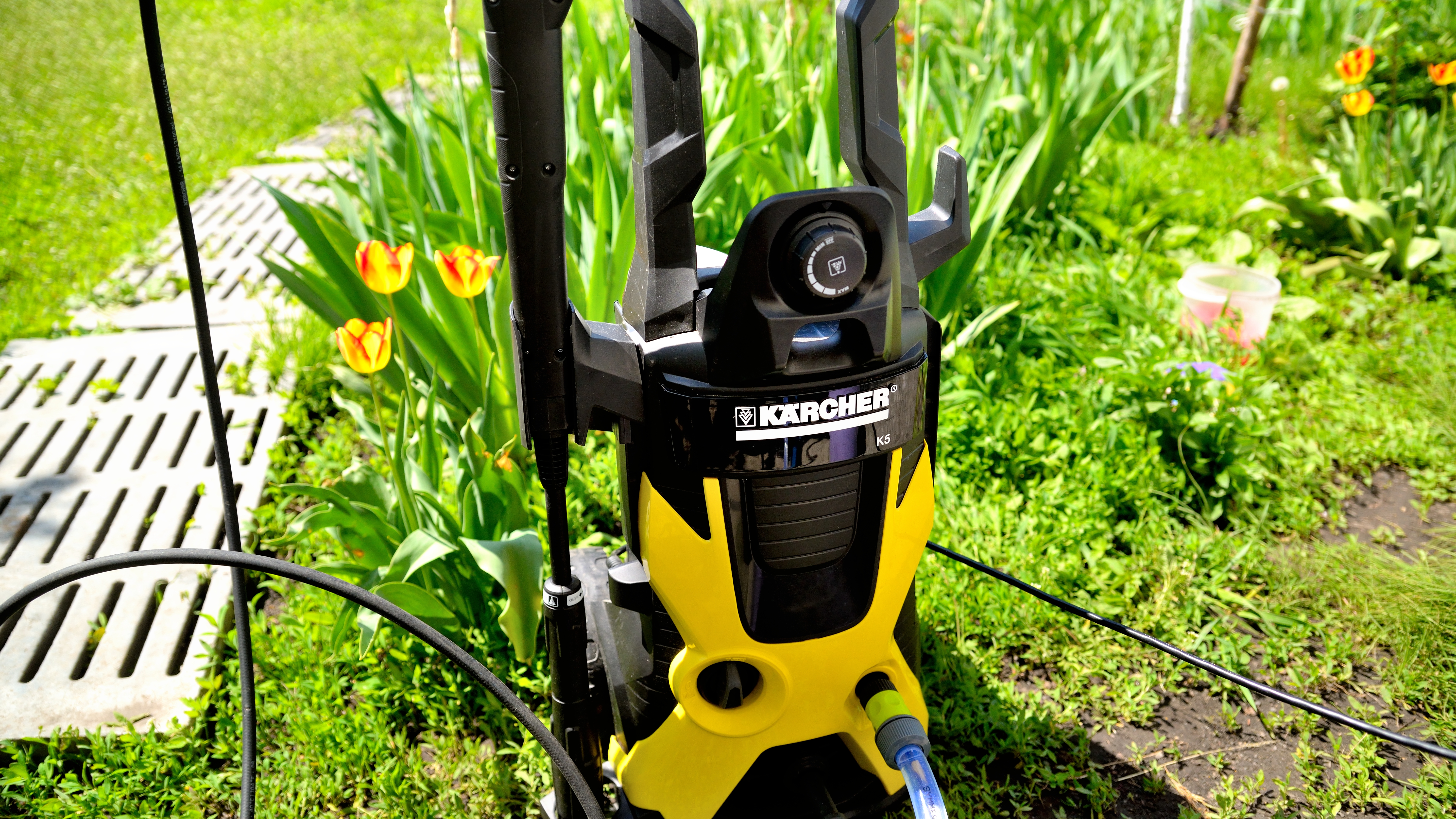
A pressure washer can speed up exterior brick cleaning, but it can also damage mortar if used carelessly. Use the lowest effective pressure, a wide-angle nozzle, and keep the spray moving. Do not aim directly into mortar joints. Avoid pressure washing painted brick unless you are planning to repaint, because the water jet can strip paint or leave patchy areas.
For older homes, especially those around 80 years old or more, consider skipping the pressure washer and using hand cleaning instead. Old mortar may look solid until pressurized water starts convincing it to retire.
Way 3: Treat Specific Brick Stains the Smart Way
Some brick stains need targeted treatment. Before reaching for a heavy-duty chemical, identify the stain and choose the mildest option that has a realistic chance of working.
How to Remove Efflorescence
Efflorescence is the white, powdery deposit that appears when water carries soluble salts to the brick surface and then evaporates. It often looks dramatic, but light efflorescence can usually be removed with a dry stiff brush or a brush and clean water.
If the white deposit keeps returning, the issue may be moisture. Check gutters, downspouts, cracks, drainage, sprinklers, soil grading, and leaks. Cleaning the stain without addressing water entry is like mopping the floor while the sink is still overflowing. Technically active, emotionally exhausting.
For stubborn efflorescence, use a cleaner made specifically for brick or masonry, following the manufacturer’s instructions. Test first, pre-wet the brick if directed, work in small sections, and rinse thoroughly. Do not seal brick while trapped moisture or active efflorescence is still present.
How to Remove Soot from Fireplace Brick
Soot is greasy and fine, so dry vacuuming comes first. Then use warm water and dish soap. For tougher soot, scrub with a dish soap and baking soda paste or a dish soap and salt paste. Let it sit briefly, scrub with a nylon brush, and rinse with clean water.
For heavy, old soot stains, a store-bought brick and stone cleaner may be worth using. Follow the label exactly, ventilate the room, wear gloves and goggles, and keep children and pets away until the area is dry and rinsed.
How to Remove Mildew, Moss, or Algae
Green or black growth usually appears in damp, shaded areas. Start by brushing away loose growth, then clean with warm soapy water. If growth remains, use a masonry-safe exterior cleaner or a carefully diluted bleach solution only when appropriate. Protect plants, rinse the brick thoroughly, and never mix bleach with vinegar, ammonia, acids, or other cleaners.
How to Remove Mortar Smears or Construction Haze
New brickwork often has mortar smears, haze, or construction dust. Large mortar chunks should be removed before wet cleaning, using wooden or plastic tools rather than metal scrapers. Cleaning chemicals alone will not magically dissolve big pieces of hardened mortar.
If you need an acidic masonry cleaner, use one approved for your brick type. Pre-wet the brick thoroughly, apply the cleaner according to the label, do not allow it to dry on the wall, scrub with a stiff fiber or nylon brush, and rinse completely. Muriatic acid should be treated as a last resort, not a personality trait. It can burn skin, damage mortar, discolor brick, and create dangerous fumes if mixed with other products.
Common Brick Cleaning Mistakes to Avoid
Using the Strongest Cleaner First
Start mild and move up slowly. Warm water, dish soap, and a nylon brush solve more problems than people expect. Stronger cleaners should be used only when the stain actually calls for them.
Letting Cleaner Dry on the Brick
Cleaner that dries on brick can leave residue, streaks, or scum. Work in small sections and keep the surface damp until you rinse.
Skipping the Rinse
Rinsing is not optional. It removes loosened dirt and chemical residue. If brick feels slippery, smells strongly of cleaner, or shows chalky residue after drying, rinse again.
Pressure Washing Old Mortar
Old mortar is often the weakest part of brickwork. High pressure can erode joints, drive water behind the wall, and speed up deterioration. When in doubt, scrub by hand or call a pro.
Mixing Cleaning Products
Do not mix bleach, vinegar, ammonia, acids, TSP, or other cleaners. Chemical reactions can release dangerous fumes. Use one cleaner at a time, rinse completely, and let the brick dry before trying another method.
Brick Cleaning Experience: What Real Projects Teach You
Anyone who has cleaned brick more than once learns the same lesson: brick rewards patience and punishes overconfidence. The first instinct is often to grab the strongest product on the shelf, because the wall looks tough and the stains look rude. But real brick cleaning is more like coaxing than conquering.
On indoor fireplaces, the biggest surprise is how much soot comes off before any liquid cleaner is used. A vacuum and dry brush can remove an impressive amount of loose dust. If you skip that step, the moment soap and water hit the surface, the soot turns into gray soup and slides into every mortar line. Then you are not cleaning brick anymore; you are painting with fireplace sadness.
Another common experience is underestimating rinse time. Brick has texture, pores, and joints that trap soap and residue. A wall may look clean while wet, then dry with cloudy patches. That is usually not failure. It is a reminder to rinse again with clean water, wipe carefully, and let the surface dry before judging the result.
Outdoor brick teaches a different lesson: water management matters. A patio with algae may clean up beautifully, but if sprinklers hit it every morning and leaves sit in the joints, the green film will return. A wall with efflorescence may brush clean on Saturday and bloom again by Wednesday if moisture is still moving through the masonry. Cleaning improves appearance, but drainage, airflow, sunlight, gutters, and repairs keep the problem from coming back.
Pressure washing is another area where experience changes behavior. The first time people use a pressure washer, they often feel unstoppable. The brick brightens fast, and it is satisfying in the way only outdoor cleaning videos can be. Then they notice sand-like mortar grit on the ground or lines carved into older joints. That is when the lesson lands: low pressure, wide tips, and distance are not suggestions. They are the difference between cleaning brick and giving it dental surgery.
In most real projects, the best workflow is simple: inspect, dry clean, pre-wet, apply a mild cleaner, scrub gently, rinse thoroughly, and repeat only where needed. Stains that remain after that deserve a targeted cleaner, not random chemistry. The cleanest results usually come from restraint, not aggression. Brick may look like it can handle anything, but it has a long memory. Treat it kindly, and it will keep looking warm, textured, and timeless for decades.
Conclusion
Cleaning bricks is not difficult, but it does require choosing the right method for the surface. Use mild soap and water for indoor brick, a hose or low-pressure washer for sturdy exterior brick, and stain-specific treatments for soot, algae, mortar haze, or efflorescence. Always test first, pre-wet porous brick, avoid wire brushes, rinse thoroughly, and save strong chemical cleaners for situations that truly need them.
The best brick cleaning strategy is simple: start gentle, stay patient, and do not let your cleaning ambition outrun the mortar. A well-cleaned brick wall, patio, or fireplace should look refreshednot stripped, scarred, or chemically startled.