Note: This article is written in original American English for web publishing, based on real information about contemporary 3D food embroidery, textile art, and Youmeng Liu’s “Embroidered Edibles” project.
When Food Art Looks Delicious but Is Made Entirely of Thread
Some art makes you pause. Some art makes you think. And then there is art that makes your stomach loudly ask, “So… are we eating this or framing it?” That is exactly the delightful confusion sparked by the 31 3D embroideries of food created by artist Youmeng Liu, also known online as Embroiderycode.
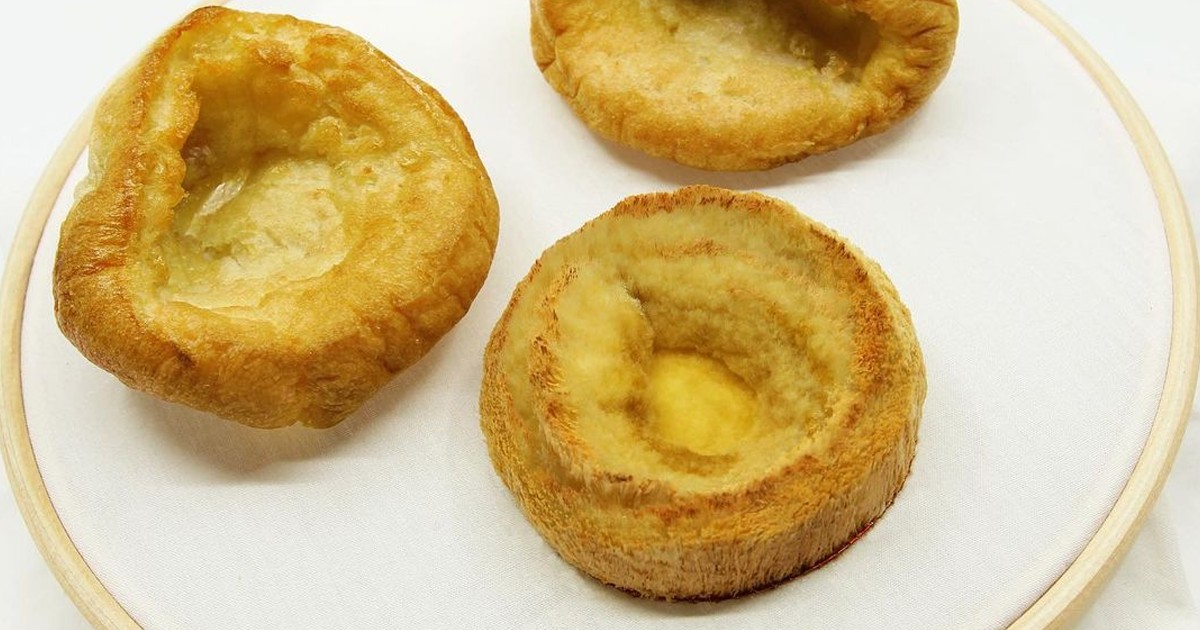
Her works look like little plates of edible joy: golden toast, fried eggs, juicy fruit, broccoli, sausages, beans, waffles, and other familiar bites. But no matter how convincing they appear, these foods are not meant for breakfast, lunch, dinner, or midnight snacking. They are built from thread, shaped by hand, and sculpted with a level of patience that makes most of us feel heroic for untangling earbuds.
What makes Liu’s food embroidery so visually addictive is not only the realism. It is the playful trick it performs on the brain. We recognize the food instantly, but the material refuses to behave the way we expect. A slice of watermelon appears soft and watery, yet it is made from fiber. A fried egg looks crisp around the edges, yet no pan was involved. It is a feast for the eyes in the most literal, charming, and slightly hunger-inducing way.
Who Is Youmeng Liu?
Youmeng Liu is a designer and embroidery artist whose work blends fashion, craft, sculpture, and food-inspired storytelling. Originally from Southwest China and later based in the United Kingdom, Liu developed a distinctive artistic language rooted in embroidery traditions, hands-on experimentation, and a fascination with everyday edible objects.
Her project, often known as “Embroidered Edibles,” turns common foods into small, sculptural textile pieces. The idea is both simple and wildly ambitious: create hundreds of embroidered artworks inspired by foods people recognize, crave, and emotionally connect with. The 31 featured food embroideries show why the project has captured so much attention. They transform ordinary meals into miniature textile illusions, proving that a humble thread can have the dramatic range of a stage actor who also bakes.
Liu’s practice is not just decorative. It is deeply technical. Her work uses a 3D punch needle approach, silk and cotton threads, layered construction, and careful scissor sculpting. Instead of relying on felting, paint, or digital tricks, she builds volume through thread itself. This matters because the final pieces do not simply imitate food from a flat surface; they rise, curve, fluff, shine, and sit in space like tiny edible sculptures.
What Makes These 3D Food Embroideries So Impressive?
They Turn Thread Into Texture
The first thing viewers notice is texture. Toast has toasted edges. Eggs have soft whites and sunny centers. Fruit looks fresh enough to belong in a picnic basket. Broccoli has tiny clustered buds. These effects are not accidental. In 3D embroidery, texture is the whole magic show.
Liu uses thread density, height, color changes, trimming, and layering to create surfaces that imitate food. A fried egg needs a different texture from a slice of orange. A sausage needs a different surface from a fluffy waffle. Each food item becomes a miniature material study. The artist must ask: Is this food glossy, matte, bumpy, fibrous, crispy, soft, airy, or slightly chaotic like baked beans trying to escape a plate?
They Use Color Like a Chef Uses Seasoning
Realistic food art depends heavily on color. A strawberry is not just red. It is red with pink highlights, darker shadows, pale seeds, and green leafy contrast. Toast is not simply brown. It has gradients of cream, gold, tan, and darker toasted edges. Liu’s food embroideries succeed because the colors are carefully chosen and layered, creating the illusion of warmth, freshness, and depth.
This is where embroidery becomes surprisingly close to painting. Instead of brushstrokes, the artist uses strands of thread. Instead of blending wet pigment, she builds color through fiber placement. The result feels tactile and visual at the same time, which is why the works are so satisfying to look at. Your eyes recognize the food before your logic catches up and says, “Wait a second, that watermelon has thread hair.”
They Are Sculptures, Not Just Pictures
Traditional embroidery often sits on fabric like a drawing made with thread. Liu’s 3D food embroidery pushes beyond that flat format. Her works stand out from the base, creating volume and shadow. This makes the food feel more present, almost as if it belongs on a table rather than inside a frame.
The three-dimensional quality changes the viewer’s relationship with the piece. You do not merely look at it; you want to inspect it from multiple angles. That sense of curiosity is important. It turns a small artwork into an experience. One moment you are admiring the craftsmanship. The next moment you are wondering whether your brain would lose a staring contest with an embroidered egg.
The Technique Behind the Magic: 3D Punch Needle Embroidery
Punch needle embroidery is a textile technique that uses a special needle to push loops of thread through fabric. In many traditional forms, the result can resemble a plush, carpet-like surface. Liu expands that foundation into something more sculptural. She builds up layers, controls thread height, and trims the surface to create food-like forms.
The process requires planning and improvisation. A flat sketch can guide the shape, but the real work happens as thread accumulates. The artist must judge the thickness, spacing, tension, and direction of the stitches. After the form is built, scissors become a sculpting tool. Trimming turns excess fiber into crisp edges, soft curves, or fluffy textures.
This combination of embroidery and sculpting explains why the works look so convincing. The thread is not only decoration; it is the body of the object. A broccoli crown becomes a forest of tiny green loops. A slice of toast becomes a raised surface with toasted fibers. A fried egg becomes a white-and-yellow landscape that could make brunch jealous.
Why Food Is the Perfect Subject for 3D Embroidery
Food is universal. Everyone has memories attached to meals, snacks, family kitchens, lunch boxes, restaurants, school cafeterias, grocery stores, and the heroic smell of toast when you are already late. By choosing common foods, Liu gives viewers an immediate entry point into the artwork.
There is also a funny tension in embroidered food. We usually judge food by smell, taste, and texture. Embroidery removes taste and smell, then exaggerates the visual and tactile cues. The viewer is left with a strange and enjoyable contradiction: the artwork looks edible but is clearly not edible. It triggers appetite and admiration at the same time.
Food also provides endless variety. Fruits offer color and translucency. Breakfast foods offer browns, whites, yellows, and crispy edges. Vegetables offer organic shapes and clustered textures. Desserts bring softness, layers, cream, sponge, and decorative details. In other words, food gives the embroidery artist a full playground of surfaces. It is basically art class, culinary school, and a very strict “do not bite the artwork” rule rolled into one.
From Craft to Contemporary Art
Embroidery has a long history as a textile practice, but contemporary artists continue to stretch its possibilities. Museums and art institutions increasingly recognize textile work as a serious part of visual culture, not merely a domestic or decorative craft. This matters because artists like Liu show how embroidery can operate as sculpture, illusion, design, humor, and storytelling.
Her food embroideries belong to a broader movement in which fiber art is being reexamined and celebrated. Textiles are no longer treated as background material. They are central to conversations about labor, identity, culture, design, and touch. Liu’s work fits beautifully into that conversation because it is approachable without being simple. A viewer may first say, “That looks tasty,” but the longer they look, the more they notice the artistic intelligence underneath.
The best contemporary craft often does this: it welcomes people with charm, then quietly reveals complexity. Liu’s embroideries are cute, yes. They are fun, absolutely. But they are also technically demanding objects that require training, patience, and a precise understanding of material behavior.
31 Tiny Meals, One Big Visual Joke
The collection of 31 3D food embroideries works partly because it feels like a menu from a restaurant where everything is made of thread and the chef owns very sharp scissors. The variety keeps the viewer engaged. One piece might celebrate the crisp simplicity of toast. Another might focus on the plump shape of a vegetable. Another may capture the bright drama of fruit.
As a group, the works become more than individual objects. They form a visual catalog of edible textures. Crispy, juicy, soft, wrinkled, shiny, fluffy, roasted, fresh, and fried all become textile problems to solve. That problem-solving is part of the pleasure. Viewers can almost reverse-engineer the process: How did she make that seed? How did she create that browned edge? How did a thread suddenly become a noodle?
The humor is gentle but constant. These embroideries invite the viewer to be fooled, then reward them for noticing the trick. It is not a prank. It is a wink. The art says, “Yes, this looks like food. No, you cannot eat it. Please admire the thread before your snack instincts embarrass everyone.”
Why These Food Embroideries Go Viral
Art that performs well online often has a strong “wait, what?” factor. Liu’s work has that instantly. In a fast-scrolling digital environment, a realistic embroidered egg or watermelon slice can stop people mid-scroll. The image reads quickly, but the surprise unfolds slowly.
There are three reasons these pieces are especially shareable. First, the subject is familiar. People do not need an art history degree to understand toast. Second, the technique is surprising. Thread is not expected to behave like food. Third, the pieces are visually satisfying. They offer color, texture, detail, and a little bit of delicious confusion.
That combination makes the work perfect for platforms focused on visual discovery. It also explains why viewers often respond with disbelief. The question “Is this really embroidery?” becomes part of the artwork’s appeal. In the world of online art, curiosity is currency, and Liu’s food embroideries are rich in it.
Lessons Artists Can Learn From Youmeng Liu’s 3D Food Embroidery
Start With the Familiar
One reason Liu’s work connects so quickly is that she chooses subjects people already know. Artists often feel pressure to be obscure or overly complicated, but familiar subjects can be powerful. A fried egg, a piece of toast, or a slice of fruit can become extraordinary when the technique transforms it.
Master the Material
The realism in these works comes from understanding what thread can do. Liu does not fight the material; she uses its strengths. Thread can be soft, dense, fluffy, fine, layered, and sculptural. By respecting those qualities, she makes fiber behave like food without hiding its identity.
Let Humor Make the Work More Human
These embroideries are impressive, but they are also funny. That humor makes them memorable. Art does not always have to stare solemnly into the distance while wearing a black turtleneck. Sometimes it can look like toast and still be brilliant.
The Viewer Experience: Looking at Food That Refuses to Be Food
There is a special kind of joy in looking at an artwork that fools you for half a second. That tiny moment of confusion is where Liu’s 3D food embroidery shines. The viewer sees a familiar meal, accepts it as food, then suddenly realizes the surface is made of thread. It is a small visual plot twist, and it works every time.
The experience feels oddly personal because food is tied to memory. A toasted slice may remind someone of breakfast before school. A fried egg may bring back weekend mornings. A bright piece of fruit may suggest summer, picnics, or the optimistic belief that buying fruit automatically makes a person healthier. These associations make the artwork emotionally accessible.
At the same time, the pieces invite close looking. The more carefully you observe them, the more impressive they become. What seemed like a simple food shape reveals hundreds or thousands of small decisions. Thread direction, color choice, trimming, density, and height all work together. The viewer begins with hunger and ends with respect.
This is one of the reasons 3D embroidery feels so satisfying in a digital age. So much of modern life is flat: screens, feeds, icons, thumbnails, and endless rectangles. Liu’s work reminds us that handmade objects still have physical presence. They cast shadows. They have edges. They contain labor. They ask us to slow down and notice.
And yes, they may also make us want a snack.
Experience Notes: What These 3D Food Embroideries Teach Us About Seeing, Making, and Craving
Spending time with the idea of Youmeng Liu’s 3D food embroideries feels like walking into a tiny textile bakery where nothing is edible but everything looks suspiciously delicious. The first experience is surprise. Most people expect embroidery to be flat, decorative, or framed on a wall. Then suddenly there is a fried egg with raised edges, a piece of toast that looks browned by heat, or a slice of watermelon with soft color transitions and thread-like rind texture. The brain pauses, checks its files, and announces: “Food. No, art. No, food-shaped art. Please advise.”
The second experience is admiration. These works make patience visible. In everyday life, we often see finished objects without thinking about the hours behind them. A 3D embroidery of food changes that. You can almost imagine the repeated punching of thread into fabric, the building of layers, the trimming, the color adjustments, and the careful shaping. It becomes clear that realism is not one big trick. It is many small choices stacked together until the illusion becomes convincing.
The third experience is nostalgia. Food art has a way of opening memory drawers. Toast can feel like a childhood kitchen. Fruit can feel like summer. A breakfast plate can remind viewers of slow mornings, family tables, or the small comfort of eating something warm. Liu’s work does not need to explain these memories; it simply gives them a soft place to land. That is part of why the pieces feel friendly. They are technically sophisticated, but they do not keep viewers at a distance.
The fourth experience is humor. There is something wonderfully absurd about wanting to eat embroidery. The works create a harmless kind of confusion that makes people smile. They invite comments like “I thought that was real” or “How is that thread?” This reaction matters because it turns art viewing into a shared social moment. People want to show someone else. They want a second opinion. They want proof that their eyes were not acting dramatically again.
The final experience is inspiration. Liu’s embroidered foods remind us that creativity often begins by looking again at ordinary things. A piece of toast, a vegetable, or a fruit slice can become remarkable when seen through a different material. For artists, crafters, designers, and curious viewers, that is a powerful lesson. You do not always need a grand subject. Sometimes you need a familiar object, a fresh technique, and enough patience to turn thread into something that makes people hungry for beauty.
Conclusion: A Feast Made From Fiber
Youmeng Liu’s 31 3D embroideries of food prove that embroidery can be playful, sculptural, realistic, and deeply engaging. Her “Embroidered Edibles” are not just clever imitations of meals; they are celebrations of texture, memory, patience, and visual surprise. Each piece asks viewers to look twice, smile once, and maybe check the fridge afterward.
In a world filled with fast images and disposable content, these handmade food sculptures offer something slower and more satisfying. They remind us that thread can carry emotion, humor, and astonishing detail. They also prove that art does not need to be distant or difficult to be meaningful. Sometimes it can look like breakfast.
And if an embroidered fried egg can make people rethink both food and fiber art, then yes, we can safely say this collection is a true feast for the eyes.