Note: This guide is written for adult hosts and legal-age guests. If alcohol is present, keep it optional, modest, and secondary to the food. A soba party works beautifully with sparkling water, roasted barley tea, green tea, yuzu lemonade, or alcohol-free pairing drinks.
A simple soba/sake party sounds like the kind of gathering that requires a Kyoto courtyard, a ceramic collection inherited from a mysterious aunt, and at least one guest who can explain the difference between “minimalist” and “I forgot to decorate.” Good news: it does not. The charm of this look is that it is calm, easy, and deeply practical. Cold soba noodles, a few crisp toppings, small bowls, clean lines, and thoughtful drinks can turn an ordinary table into a dinner party that feels intentional without looking like it has been bullied by Pinterest.
The heart of the party is soba, Japan’s beloved buckwheat noodle. Soba has a nutty flavor, a pleasant chew, and the rare gift of being both humble and elegant. It can be served chilled with dipping sauce, warm in broth, tossed with vegetables, or arranged on bamboo trays like it has its own interior designer. For a party, chilled soba is the easiest move: cook the noodles, rinse them well, chill them, and let guests build their bowls or dip their own portions. It is refreshing, affordable, and mercifully low-drama.
The “sake” side of the phrase should be handled with care and context. In Japanese food culture, sake is more than a drink; it is connected to craft, hospitality, agriculture, fermentation, and ceremony. For adult gatherings, it can be presented as one optional element among many, not the star of the evening. The real star is the atmosphere: relaxed, small-scale, seasonal, and quietly beautiful. Think “effortless Tokyo apartment supper,” not “themed party aisle exploded in my dining room.”
Why a Soba Party Works So Well
Soba is one of the most party-friendly noodles because it is meant to be simple. Unlike pasta that begs for a bubbling sauce or ramen that wants a broth with the emotional complexity of a novel, soba can shine with a short list of ingredients: noodles, dipping sauce, scallions, nori, grated daikon, sesame, wasabi, cucumber, mushrooms, or a soft egg. The table becomes interactive without requiring guests to assemble a ten-step science project.
Cold soba, often served as zaru soba, is especially useful for entertaining. Traditionally, the noodles are served chilled on a bamboo tray or strainer, with a soy-dashi dipping sauce called mentsuyu or tsuyu on the side. Guests dip small bundles of noodles into the sauce, adding scallions, nori, daikon, or wasabi as they like. It is neat, refreshing, and wonderfully customizable. The person who wants a mountain of scallions can have their mountain. The person who fears wasabi like it personally insulted them can quietly opt out.
Another advantage: soba does not need to be served piping hot. That means you are not trapped at the stove while your guests make polite conversation with your houseplant. You can prep the toppings, rinse and chill the noodles, set out small bowls, and actually enjoy your own party. Revolutionary concept, apparently.
The Look: Calm, Textured, and Slightly Imperfect
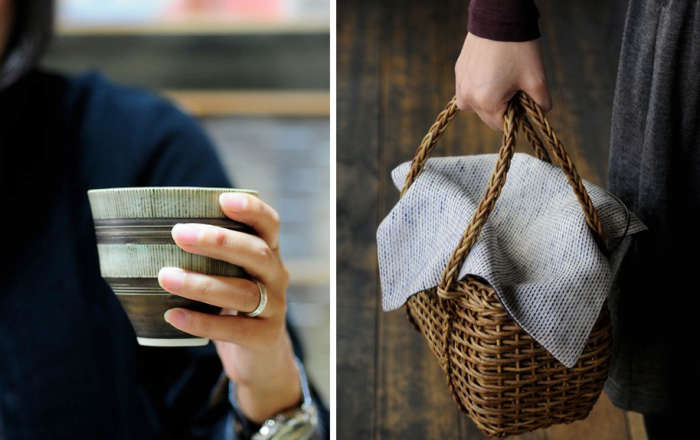
The visual style of a simple soba/sake party is built around natural materials and small contrasts. Use ceramics, wood, linen, bamboo, paper, glass, and matte surfaces. Instead of matching every bowl and plate, lean into variety. Japanese-inspired table settings often look best when pieces relate to each other without being identical. A gray bowl beside a speckled white dish, a dark wooden tray under pale noodles, a tiny blue plate for picklesthese little differences create rhythm.
Start with a bare table or a neutral runner. Add low bowls, chopsticks, small dipping cups, and a few shared plates. Keep flowers low and simple: one branch, a few stems, or a small bunch of herbs in a narrow vase. If the centerpiece blocks eye contact, it is no longer décor; it is a shrub with boundary issues.
Color Palette
Use a restrained palette: black, white, warm wood, stone gray, indigo, and one fresh green accent. The green can come from scallions, shiso, cucumber, or a tiny arrangement of leaves. Food should provide much of the color. Pale noodles, glossy seaweed, pink radishes, golden eggs, and dark dipping sauce already create a beautiful table without requiring confetti, banners, or anything labeled “party pack.”
Tableware
You do not need traditional Japanese tableware to get the look. Use what you have, then add one or two thoughtful pieces. A bamboo tray, small sauce bowls, plain chopsticks, a linen napkin, or a ceramic pitcher can do a lot. If you have shallow bowls, use them for soba. If you have small cups, use them for dipping sauce. If you have a wooden cutting board, use it as a serving board for toppings. The goal is not authenticity theater; it is respectful inspiration and practical beauty.
The Menu: Simple, Seasonal, and Easy to Scale
A good soba party menu should feel abundant without becoming a catering spreadsheet. Choose one main soba dish, two or three sides, a crunchy pickle, a fresh vegetable, and a light dessert. The best menus have contrast: cool noodles, salty sauce, crisp vegetables, something rich, something bright, and something sweet at the end.
Main Dish: Chilled Soba with Dipping Sauce
For the main dish, serve chilled soba with dipping sauce and toppings. Cook the noodles according to package directions, then rinse them thoroughly under cold water. This step is not optional. Rinsing removes excess starch and gives the noodles their clean, springy texture. Skip it, and the soba may clump together into a beige emotional support blanket.
Set the noodles in small bundles on a tray or in individual bowls. Add small dishes of sliced scallions, shredded nori, grated daikon, sesame seeds, cucumber matchsticks, and wasabi for guests who enjoy it. For a heartier version, add jammy eggs, mushrooms, tofu, shrimp, or grilled vegetables. Keep the season in mind: cucumber and radish in summer, mushrooms and greens in cooler weather, citrus zest when the table needs a little sparkle.
Side Dish Ideas
To keep the menu balanced, choose sides that can be made ahead. A cucumber salad with rice vinegar and sesame is quick and clean. Edamame adds color and casual snacking energy. Miso-glazed eggplant feels rich without being heavy. A small plate of pickled radish or quick-pickled carrots brings crunch. If you want protein, serve grilled salmon, teriyaki tofu, or simple chicken skewers on the side.
The trick is not to make every dish complicated. If the soba is the centerpiece, the sides should support it. A dinner party is not a talent show where every vegetable must perform a solo.
Dessert
Finish lightly. Try mochi, fresh melon, sliced oranges, matcha cookies, black sesame ice cream, or pears with a drizzle of honey. A soba meal has a clean, restrained feeling, so dessert should not arrive like a marching band. Small, cool, and not too sweet is the move.
Adult Drink Options and Nonalcoholic Pairings
For legal-age adults, sake may appear as a small, optional pairing, but it should never be the whole point of the evening. Keep the emphasis on food, conversation, and hospitality. Because sake is rooted in fermentation and rice culture, it has a natural connection to Japanese meals, but guests should always have equally thoughtful nonalcoholic choices.
Offer chilled barley tea, sparkling water with yuzu or lemon, iced green tea, cucumber-mint water, ginger lemonade, or an alcohol-free sparkling tea. These drinks pair beautifully with soba because they refresh the palate and do not overpower the nutty noodles or savory dipping sauce. They also make the table more inclusive for guests who do not drink, cannot drink, or simply prefer to keep the evening lighter.
If alcohol is served to adult guests, present it with moderation and food. Avoid making refills a performance. Small cups, water on the table, and plenty of snacks help keep the gathering comfortable and responsible. The best host is not the person who pushes drinks; it is the person who notices when someone needs more noodles.
How to Set the Table
Begin with place settings that feel simple and useful. Put a shallow bowl or plate at each seat, a small dipping cup to the side, chopsticks on a rest or folded napkin, and a small plate for toppings. If you are serving shared soba, place the noodle tray in the center. If you prefer individual servings, pre-portion the noodles and let guests add toppings themselves.
Use negative space. This is the secret sauce of the look. A table does not need to be covered from edge to edge to feel festive. In fact, soba looks best when it has room to breathe. Let the shape of the bowls, the lines of chopsticks, and the texture of the noodles do the work.
Lighting
Soft lighting makes everything better, including your noodles and your guests’ belief that you have your life together. Use candles, a small lamp, or warm overhead light. Avoid harsh lighting that makes the table feel like a dental exam. A soba party should feel calm, not clinically documented.
Music
Choose music that stays in the background. Instrumental jazz, ambient playlists, Japanese city pop, acoustic guitar, or soft piano all work. The playlist should say, “Welcome, have a seat,” not “Please admire how aggressively curated I am.”
A Simple Shopping List
For a basic soba party, gather soba noodles, mentsuyu or ingredients for dipping sauce, scallions, nori, daikon, cucumber, sesame seeds, wasabi, edamame, rice vinegar, seasonal vegetables, and a light dessert. For the table, use small bowls, sauce cups, chopsticks, napkins, a tray, and one small arrangement of flowers or branches.
Do not overbuy. The elegance of this party comes from restraint. A few high-impact details are better than a crowded table full of panic purchases. If you are tempted to add twelve more items, pause and ask: “Will this make the party better, or am I just emotionally shopping?” We have all been there. Put down the third bamboo basket.
Timing Plan for a Low-Stress Evening
The day before, wash serving pieces, make or buy the dipping sauce, prepare pickles, and plan the table layout. A few hours before guests arrive, slice vegetables, cook sides, chill drinks, and set the table. Cook the soba closer to serving time, then rinse and chill it thoroughly. Arrange the noodles just before guests sit down so they look fresh and inviting.
If you want to serve everything family-style, place toppings in small bowls down the center of the table. If you prefer a cleaner look, set up a small soba station on a sideboard. Guests can build their bowls, and the dining table stays uncluttered. This is especially useful in small apartments, where every square inch of table space is precious real estate.
Small Details That Make the Party Feel Special
Use folded napkins instead of paper towels. Add a handwritten menu card. Place a small dish of sesame seeds at each setting. Tie chopsticks with a thin strip of paper or linen. Serve the dipping sauce in small cups instead of large bowls. These details are inexpensive, but they make the meal feel considered.
Another lovely touch is to create a topping tray. Arrange scallions, nori, grated daikon, cucumber, sesame, and herbs in separate little piles. It looks beautiful and gives guests control. People love control at dinner. It makes them feel powerful, especially when the power is deciding how much seaweed belongs on noodles.
Common Mistakes to Avoid
First, do not overcook the soba. It should be tender but not mushy. Second, do not skip the rinse. Cold running water is the difference between elegant noodles and a sticky noodle brick. Third, do not drown the table in decorations. The food is already beautiful. Fourth, do not make the menu too large. A small, well-balanced spread feels more sophisticated than a buffet that looks like it is trying to win an argument.
Finally, do not make guests feel pressured around drinks. The best version of a soba/sake party is inclusive, relaxed, and food-first. Thoughtful nonalcoholic drinks should be presented with the same care as anything else. Hospitality is not about what is in the cup; it is about whether people feel welcome at the table.
Experience Notes: What a Simple Soba/Sake Party Feels Like in Real Life
The first thing you notice about this kind of gathering is how calm it feels compared with the usual dinner party marathon. There is no giant roast demanding attention, no sauce threatening to split at the exact moment the doorbell rings, and no frantic last-minute search for a serving spoon that somehow migrated to the laundry room. A soba party is built around prep, assembly, and ease. The host can breathe. The guests can settle in. The noodles, bless them, do not require applause.
In practice, the best moment comes when the table is full of small bowls. One has scallions, another has shredded nori, another has sesame, another has cucumber, and suddenly everyone starts building their perfect bite. Conversation becomes natural because the food gives people something to do. Someone asks what daikon tastes like. Someone else discovers they love the combination of cold soba and sesame. A third person adds too much wasabi, makes a brave face, and briefly sees through time. These are the tiny moments that make a party memorable.
The visual experience is also satisfying. Cold soba has a quiet beauty: pale brown strands, dark sauce, green toppings, black nori, white ceramic, warm wood. It photographs well without trying too hard. More importantly, it feels good in the room. The table looks composed but not stiff. Guests do not feel like they have stepped into a museum exhibit where using the wrong fork might trigger an alarm. Everything is approachable.
Another real-life benefit is flexibility. This party can be casual or polished depending on the guest list. For close friends, serve noodles from a big tray and let everyone reach in family-style. For a more refined evening, portion the soba into individual bowls and arrange toppings neatly. For a small apartment, use a coffee table and floor cushions. For a backyard meal, set the soba over ice and keep the sides crisp and cold. The format adapts instead of fighting you.
The best version of this party also respects different preferences. Some guests may want a traditional dipping experience. Others may prefer a tossed soba salad with vegetables. Some may be vegetarian, some may avoid gluten, and some may skip alcohol entirely. With a little planning, everyone can still participate. Use gluten-free 100% buckwheat soba if needed, offer tofu or mushrooms for plant-based guests, and make sure nonalcoholic drinks are not treated like the sad consolation prize. A sparkling yuzu drink in a pretty glass can absolutely hold its own.
Cleanup is pleasantly manageable. Small bowls stack easily. The menu does not leave behind greasy pans or a battlefield of baking trays. Leftover soba can become lunch the next day with sesame dressing and vegetables. Extra toppings can go into rice bowls, salads, omelets, or soups. Even the table styling can be reused: the same runner, bowls, and chopsticks work for dumpling night, sushi bowls, miso soup dinners, or a quiet solo meal when you want to feel like a person who owns matching socks.
Most importantly, a simple soba/sake party teaches a useful hosting lesson: atmosphere does not have to be expensive. It comes from rhythm, restraint, and care. Cook one thing well. Set the table with intention. Offer choices without chaos. Keep the lighting soft. Let the food invite conversation. That is the look worth stealingnot because it is flashy, but because it makes people comfortable. And honestly, any party that can do that while serving excellent noodles deserves a permanent spot in the hosting rotation.
Conclusion
A simple soba/sake party is less about copying a perfect Japanese table and more about borrowing the principles that make the style work: balance, seasonality, texture, restraint, and respect for the food. With chilled soba, a few toppings, small bowls, calm lighting, and inclusive drink options, you can create a dinner that feels elegant without becoming fussy. Keep the menu short, the table uncluttered, and the mood relaxed. That is how you steal the look without stealing your entire weekend.