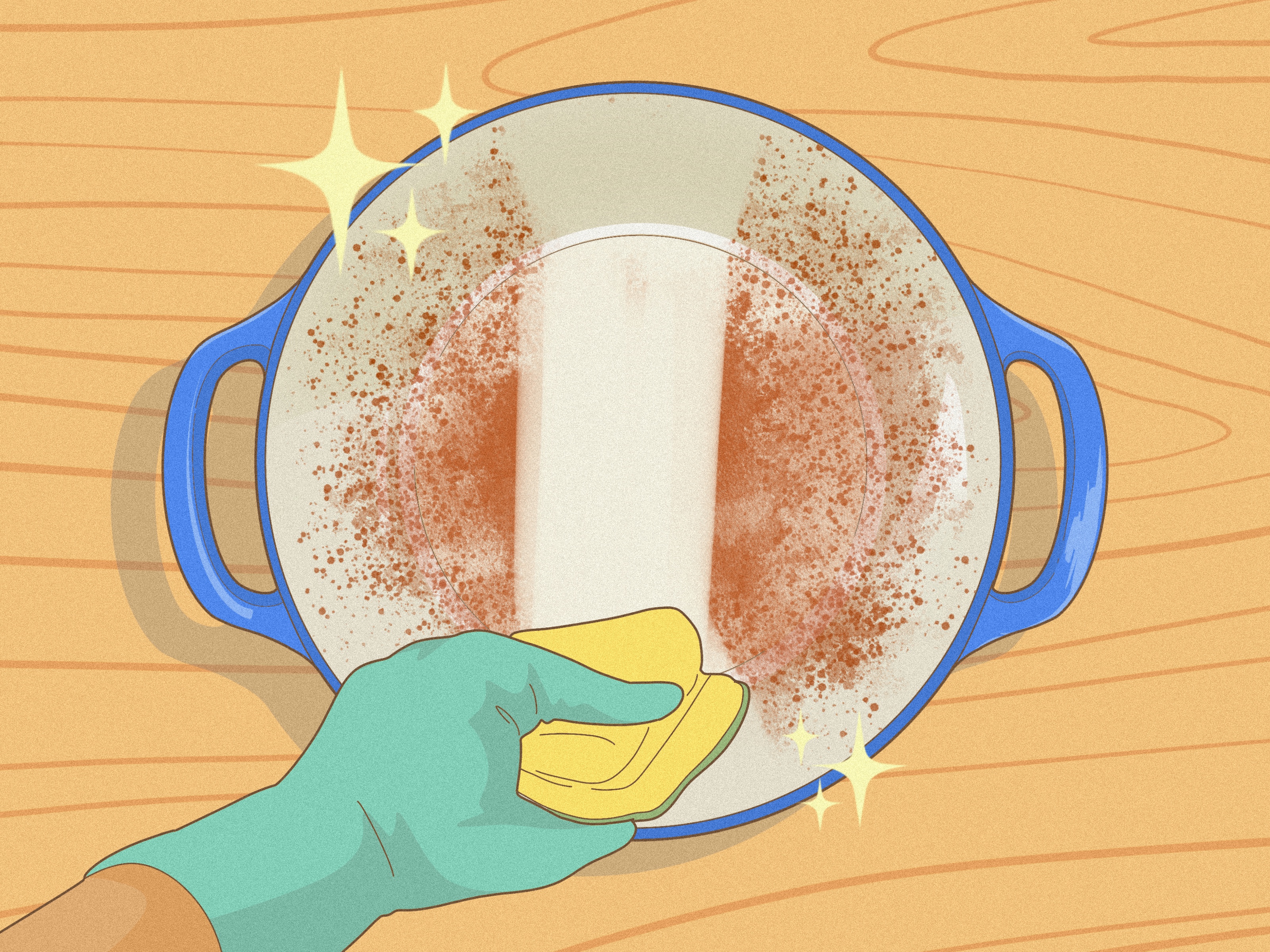
Enameled cast iron is the kitchen equivalent of a well-dressed workhorse. It can braise short ribs, simmer chili, bake crusty bread, roast vegetables, and still look pretty enough to bring straight to the table. But once dinner is done and the bottom of your beautiful Dutch oven looks like it survived a tiny food volcano, one question appears: how do you clean enameled cast iron without ruining it?
The good news: enameled cast iron is easier to care for than traditional bare cast iron because it does not need seasoning. The not-so-good news: the enamel coating is tough, but it is not indestructible. Harsh scrubbers, sudden temperature changes, metal scraping, and lazy storage can dull, scratch, stain, or chip the surface. Treat it right, and your pot may outlast several phones, a few coffee makers, and possibly your current obsession with sourdough.
This guide covers the best way to clean enameled cast iron, how to remove stains and burnt-on food, what not to do, and how to store your cookware so it stays glossy, useful, and ready for the next one-pot masterpiece.
What Is Enameled Cast Iron?
Enameled cast iron is cast iron cookware coated with a layer of porcelain enamel. The cast iron core gives the pan excellent heat retention, while the enamel coating creates a smooth, nonreactive surface that does not require seasoning. That means you can cook tomato sauce, wine-braised meats, soups, stews, and acidic ingredients without worrying the way you might with bare cast iron.
Common enameled cast iron pieces include Dutch ovens, braisers, skillets, grill pans, cocottes, and baking dishes. Popular brands often promote them as heirloom-quality cookware, and for good reason: when handled properly, they can last for decades. The key phrase, however, is “handled properly.” Enameled cast iron is sturdy, but the enamel is essentially a glass-like coating fused to iron. It can stain, craze, chip, or scratch if abused.
How to Clean Enameled Cast Iron After Everyday Cooking
For normal messes, you do not need a laboratory, a magic wand, or a dramatic sigh. Warm water, mild dish soap, and a soft sponge are usually enough. The goal is to clean the enamel without grinding away at it.
Step 1: Let the Cookware Cool First
Always allow enameled cast iron to cool before washing it. Do not take a hot Dutch oven from the stove and fill it with cold water. That sudden temperature swing can cause thermal shock, which may crack or damage the enamel. Let the pot sit until it is warm or room temperature. Yes, waiting is annoying. So is replacing a cracked Dutch oven.
Step 2: Wash With Warm, Soapy Water
Add warm water and a small amount of mild dish soap. Use a soft sponge, dishcloth, or nylon brush to wash the inside and outside of the cookware. Focus on gentle pressure and circular motions. You are cleaning cookware, not sanding a deck.
Step 3: Rinse Thoroughly
Rinse away all soap and loosened food residue. Pay attention to the rim, handles, lid edges, and the area around the knob, where grease can hide like it owes rent.
Step 4: Dry Completely
Dry the cookware immediately with a clean towel. Even though the enamel coating resists moisture, exposed cast iron may exist around the rim or small unfinished areas, depending on the piece. Complete drying helps prevent rust and water spots.
How to Remove Stuck-On Food From Enameled Cast Iron
Stuck-on food happens to good cooks, distracted cooks, and anyone who thought, “I’ll just check my phone for one second.” If food clings to the bottom, avoid attacking it with steel wool or a metal spatula. Try soaking first.
The Gentle Soak Method
Fill the pot with warm water and a little dish soap. Let it soak for 15 to 30 minutes. After soaking, use a nylon scraper, silicone spatula, or non-abrasive sponge to loosen the food. Most residue will soften enough to lift away without a fight.
The Baking Soda Simmer Method
For stubborn stuck-on food, baking soda is one of the safest and most effective options. Add enough water to cover the stained or stuck-on area, then stir in 2 to 4 tablespoons of baking soda. Bring the mixture to a gentle simmer for several minutes. Turn off the heat, let it cool slightly, and use a wooden spoon, silicone spatula, or nylon scraper to loosen the residue.
Baking soda is mildly abrasive and alkaline, which helps break down cooked-on food without scratching the enamel when used properly. This method works especially well for rice, oatmeal, sauces, caramelized bits, and the mysterious brown layer that appears when dinner gets a little too enthusiastic.
How to Remove Stains From Enameled Cast Iron
Light-colored enamel interiors are famous for showing stains. Tea-colored marks, gray utensil lines, tomato sauce shadows, and oil discoloration can appear over time. These stains usually do not affect cooking performance, but they can make your pot look older than it is.
Use a Baking Soda Paste
Mix baking soda with a small amount of water to create a paste. Apply it to the stained area and rub gently with a soft sponge or cloth. Let the paste sit for 10 to 15 minutes if the stain is stubborn. Rinse well and dry completely.
Try a Cookware Cleaner Made for Enamel
Some brands sell cleaners specifically designed for enameled cast iron. These can help remove discoloration, metal marks, and stubborn residue while being gentler than harsh household abrasives. Always follow the product directions, test lightly, and avoid cleaners that warn against use on enamel.
Be Careful With Bleach
Some cookware manufacturers allow a diluted bleach soak for severe staining, but this should be a rare deep-cleaning method, not a weekly ritual. If you use bleach, dilute it properly, avoid prolonged soaking beyond recommended directions, rinse extremely well, and never mix bleach with vinegar, ammonia, or other cleaners. When in doubt, stick with baking soda and patience.
How to Clean Burnt Enameled Cast Iron
A burnt Dutch oven can look terrifying, especially when the bottom is blackened and crusty. Before you panic, remember: enamel often looks worse than it is. The best strategy is controlled softening, not aggressive scraping.
Burnt-On Food Cleaning Method
- Let the pot cool completely.
- Remove loose food with a soft spatula or paper towel.
- Add water until the burnt area is covered.
- Stir in 2 to 4 tablespoons of baking soda.
- Simmer for 5 to 10 minutes.
- Turn off the heat and let the water cool until safe to touch.
- Use a nylon scraper or soft sponge to lift loosened residue.
- Wash with mild dish soap, rinse, and dry.
If residue remains, repeat the process. Do not escalate straight to metal scrubbers. Enameled cast iron rewards patience. It does not reward rage-cleaning.
Can You Put Enameled Cast Iron in the Dishwasher?
Many enameled cast iron pieces are technically dishwasher safe, but hand-washing is usually recommended to preserve the finish. Dishwashers can dull the exterior gloss over time, and harsh detergents may contribute to fading or surface wear. The cookware may still function, but it may lose that polished, “I have my life together” look.
Use the dishwasher only if the manufacturer says it is allowed and you accept the possibility of cosmetic changes. For everyday care, hand-washing is the safer choice.
What Not to Use on Enameled Cast Iron
The fastest way to shorten the life of enameled cast iron is to clean it like it is a grill grate. Avoid anything that can scratch, chip, or dull the enamel.
Avoid These Cleaning Tools and Products
- Steel wool
- Metal scouring pads
- Harsh abrasive powders
- Sharp metal scrapers
- Oven cleaner, unless the cookware maker specifically approves it
- Undiluted bleach
- Highly acidic cleaners used repeatedly
Also avoid banging utensils against the rim. A tiny chip can grow over time, especially if the piece is frequently heated, cooled, stacked, or knocked around in a cabinet.
How to Prevent Stains and Sticking
Cleaning starts before food ever hits the pan. A few cooking habits can prevent most messes from becoming major cleaning projects.
Use Medium or Low Heat Most of the Time
Enameled cast iron holds heat extremely well. Once it gets hot, it stays hot. Medium heat is often enough for browning, simmering, and sautéing. High heat can cause food to scorch, especially if the pan is dry or lightly oiled.
Preheat Gradually
Do not blast an empty enameled pan over high heat. Add oil, butter, liquid, or food before heating when appropriate, and let the cookware warm gradually. This protects the enamel and improves cooking control.
Use Enough Fat or Liquid
For sautéing and searing, use enough oil or butter to coat the cooking surface. For soups, sauces, and braises, stir occasionally to prevent ingredients from settling and scorching at the bottom.
Choose Wooden, Silicone, or Nylon Utensils
Metal utensils can leave marks or scratches, especially if used aggressively. Wooden spoons, silicone spatulas, and nylon tools are kinder to enamel and less likely to cause damage.
How to Care for the Outside of Enameled Cast Iron
The colorful exterior deserves care, too. Grease splatters, burner marks, and baked-on drips can dull the outside if ignored.
Wash the exterior with warm soapy water and a soft sponge. For stubborn stains, use a baking soda paste and rub gently. Avoid dragging the pot across rough grates or countertops because the bottom enamel can scuff. Lift it instead. Yes, it is heavy. Consider it your upper-body workout with dinner benefits.
How to Store Enameled Cast Iron Properly
Good storage prevents chips, rust, trapped odors, and moisture problems. Before storing, make sure the cookware is completely clean and dry.
Store With the Lid Slightly Ajar
If storing a Dutch oven with the lid on, place a folded paper towel, soft cloth, or pot protector between the lid and the pot. This allows airflow and helps prevent chips along the rim. It also keeps the interior from trapping moisture or odors.
Avoid Stacking Without Protection
If you stack cookware, use pan protectors, towels, or soft liners between pieces. Enameled surfaces can scratch or chip when heavy pans rub against each other.
Choose a Dry Storage Spot
Store enameled cast iron in a dry cabinet or on a sturdy shelf. Avoid damp areas, especially if the cookware has exposed cast iron around the rim. Moisture can lead to rust on unfinished edges.
What to Do If the Rim Rusts
Some enameled cast iron has exposed cast iron along the rim. If that area develops light rust, do not panic. Clean the rust gently with a damp cloth or nylon pad, dry thoroughly, and rub a very thin layer of cooking oil along the exposed edge. Wipe away excess oil before storing.
If rust appears under chipped enamel or spreads significantly, inspect the cookware carefully. Deep chips inside the cooking surface may make the piece unsafe for food use because chips can worsen and enamel fragments may break away.
Can You Use Chipped Enameled Cast Iron?
It depends on where the chip is. A small chip on the outside may be mostly cosmetic. A chip inside the cooking surface is more serious. Once the cooking surface is chipped, food can catch in the damaged area, moisture can reach the iron, and the enamel may continue to flake.
If the interior enamel is chipped, contact the manufacturer for warranty guidance or replacement options. Do not keep cooking in a pot if pieces of enamel are coming loose. Crunchy enamel is not a seasoning blend.
Quick Cleaning Guide by Problem
Everyday Grease
Use warm water, mild dish soap, and a soft sponge. Rinse and dry completely.
Sticky Sauce
Soak with warm soapy water for 15 to 30 minutes, then clean with a nylon brush or sponge.
Burnt Food
Simmer water with baking soda, cool slightly, scrape gently with a nylon or silicone tool, then wash normally.
Interior Stains
Apply a baking soda paste, let it sit briefly, rub gently, rinse, and dry.
Exterior Marks
Use a soft sponge and baking soda paste. Avoid abrasive pads and harsh cleaners.
Rust on Rim
Clean gently, dry thoroughly, and apply a thin layer of cooking oil to exposed iron edges.
Common Mistakes That Damage Enameled Cast Iron
Even careful cooks sometimes make mistakes with enameled cast iron. The most common problem is thermal shock: putting a hot pot into cold water or adding cold liquid to a very hot empty pan. Another common issue is using high heat too often. Because cast iron retains heat so efficiently, high heat can scorch food and stress the enamel.
Other mistakes include using metal tools aggressively, cleaning with steel wool, storing the pot while damp, stacking heavy cookware without padding, and letting burnt food sit for days. The longer residue stays on the enamel, the harder it becomes to remove. Future you will not appreciate present you’s “I’ll clean it tomorrow” energy.
Do You Need to Season Enameled Cast Iron?
No, enameled cast iron does not need seasoning like bare cast iron. The porcelain enamel coating protects the surface and creates a nonreactive cooking area. However, some pieces have exposed cast iron rims that benefit from a light wipe of oil after washing and drying.
If the interior is matte black enamel, it may develop a natural patina over time. That is normal and can improve cooking performance. Do not try to scrub it back to a brand-new look after every meal. Clean off food residue, but do not obsessively polish away normal use marks.
Experience-Based Tips for Cleaning and Living With Enameled Cast Iron
After using enameled cast iron regularly, one lesson becomes very clear: the best cleaning method is the one you start early. Not immediately while the pot is blazing hot, of course, but soon after dinner. If you let a pot cool, add warm water, and give it a short soak while you eat, cleanup becomes dramatically easier. By the time plates are cleared, the stuck bits have usually softened enough to slide away with a sponge or silicone scraper.
One practical habit is to treat the Dutch oven like part of the cooking process, not an afterthought. After removing soup, stew, or braised meat, pour in enough warm water to cover the bottom and leave it on the counter. If the meal involved tomato sauce, barbecue sauce, melted cheese, rice, or beans, add a drop of dish soap. This tiny step prevents the dreaded “cement layer” that forms when starches and proteins dry onto the enamel.
Another useful experience: baking soda works best when you give it time and heat. A baking soda paste is great for stains, but for burnt food, simmering baking soda with water is far more effective. The heat loosens the bond between food and enamel, while the baking soda helps break down the residue. After simmering, let the pot cool until it is safe to touch. Do not rush in with a sponge while the pot is too hot, unless your hobby is collecting minor kitchen regrets.
For light interiors, accept that some staining is normal. A cream-colored enamel Dutch oven will probably not look showroom-new forever if you actually cook in it. Coffee-colored marks from soups, stews, spices, and searing are part of its working life. The goal is clean and smooth, not museum-perfect. If the surface feels clean and there is no stuck-on food, a little discoloration is usually cosmetic.
Storage matters more than many people realize. Heavy lids can chip rims when placed directly on the pot, especially if the cookware gets moved often. A folded kitchen towel or paper towel between the pot and lid is a simple fix. It cushions the rim, absorbs any tiny trace of moisture, and allows airflow. For stacked cookware, soft pan protectors are worth using. Enameled cast iron is strong, but when two heavy pieces grind against each other, the enamel usually loses the argument.
One more real-world tip: keep metal utensils away from your enameled cookware whenever possible. A quick stir with a metal spoon may not destroy the pan, but repeated scraping can leave gray marks or scratches. Silicone spatulas and wooden spoons are quieter, gentler, and better suited for protecting the finish. Plus, they make you look like someone who owns matching measuring spoons and knows where they are.
Finally, do not be afraid to use your enameled cast iron. Some people baby expensive cookware so much that it becomes cabinet decoration. That is a shame. These pots are designed for cooking. Use them for chili, roast chicken, bread, beans, curry, pasta sauce, and cozy Sunday dinners. Clean them gently, dry them thoroughly, store them carefully, and they will reward you with years of dependable service. A few stains are proof that your kitchen is alive, not a cookware showroom guarded by invisible velvet ropes.
Conclusion
Learning how to clean enameled cast iron is mostly about using gentle methods consistently. Let the cookware cool, wash it with warm soapy water, use non-abrasive tools, and dry it completely before storage. For stuck-on food and stains, baking soda is your best friend. For long-term care, avoid thermal shock, high heat abuse, harsh scrubbers, and careless stacking.
Enameled cast iron may look elegant, but it is built to work. With the right cleaning and storage habits, your Dutch oven, skillet, or braiser can stay beautiful and functional for years. Treat it kindly, cook boldly, and remember: a little baking soda can solve a surprising number of kitchen dramas.