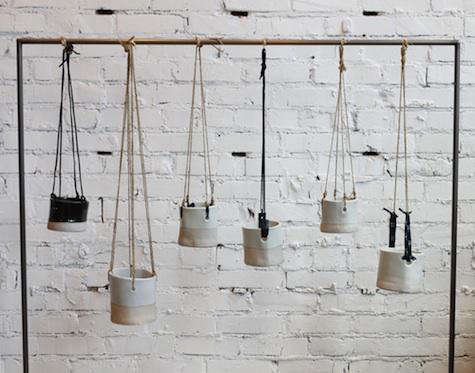
Some home accessories whisper. Others politely clear their throat, adjust their linen shirt, and say, “Yes, I was handmade in Los Angeles, and yes, your pothos would look better in me.” That is the quiet magic of the hanging pots by TW Pottery, the ceramics line associated with Los Angeles artist and designer Tracy Wilkinson. These rustic, handmade hanging planters are not loud statement pieces. They are the kind of objects that make a room feel layered, lived-in, and a little more human.
Originally admired by design editors for their mix of glazed and rough finishes, TW Pottery hanging pots arrived with cords for easy display and were shown in understated black and white glazes. Their appeal is simple: they bring plants into the air, free up precious surface space, and add an artisanal note that looks equally at home in a sunny California bungalow, a small apartment kitchen, or a relaxed patio corner.
In an era when many planters look mass-produced enough to have their own customer-service chatbot, TW Pottery’s hanging pots feel refreshingly personal. The surface variations, earthy texture, and casual suspension turn a plant container into a small sculptural moment. They are accessories, yes, but the useful kind: beautiful, practical, and capable of making a trailing plant look as if it has finally found its stage.
What Makes TW Pottery Hanging Pots Special?
The charm of TW Pottery hanging pots begins with contrast. The handmade vessels combine glazed areas with raw, rough ceramic surfaces, creating a tactile balance between polish and earthiness. Instead of looking too perfect, the pots celebrate the irregularities that make studio ceramics so desirable: subtle changes in form, finish, and feel.
This is especially important for hanging planters because they are viewed from more than one angle. A pot sitting on a shelf has a “front.” A hanging pot spins gently, catches light differently throughout the day, and becomes part of the room’s movement. A handmade ceramic surface makes that movement interesting. It invites a second look without begging for applause.
A Los Angeles Design Mood
TW Pottery fits naturally into the Los Angeles design language: relaxed but considered, rustic but not sloppy, artistic but not precious. Tracy Wilkinson’s creative background includes fashion design, ceramics, weaving, and other handcrafts, and that cross-disciplinary eye shows in the pots. They feel less like gardening equipment and more like small wearable objects for the home.
Los Angeles interiors often blur the line between indoors and outdoors. Windows stay open, patios become living rooms, and plants move around like quiet roommates. Hanging pots work beautifully in this environment because they add greenery without demanding floor space. They can hover near a window, soften a corner, or create a floating cluster above a table.
The Beauty of Rustic Ceramic Planters
Rustic ceramic planters have a quality that plastic and metal rarely capture: warmth. Clay has visual weight. It looks grounded, even when suspended from the ceiling. That little contradiction is part of the fun. A hanging ceramic pot feels both earthy and airy, which is exactly why it works so well in modern, bohemian, farmhouse, and minimalist interiors.
The rough-glaze combination also plays well with natural materials. Wood shelves, linen curtains, rattan chairs, concrete floors, and plaster walls all benefit from the handmade texture of ceramic. In a white room, a black or dark-glazed TW-style hanging pot adds punctuation. In a warm, layered space, a white or light-glazed version keeps the look fresh and calm.
Why Handmade Matters
Handmade pottery brings small differences that make a room feel less staged. A slight variation in shape or glaze is not a flaw; it is the receipt that proves a person made the object. For homeowners tired of cookie-cutter decor, this matters. The pot does not simply hold a plant. It contributes a story.
That story is especially appealing when the maker has a strong design point of view. Wilkinson’s work has been described through materials such as clay, cane, wood, and cotton, with a free-spirited, imperfect beauty. That approach gives TW Pottery hanging pots their easy confidence. They do not look like accessories chosen by algorithm. They look discovered.
How to Style Hanging Pots by TW Pottery
The best way to style hanging pots is to think in layers. A single pot can be beautiful, but a group of two or three at different heights can transform a blank corner into a small indoor garden. Varying the drop length keeps the arrangement casual and prevents it from looking like a plant choir lined up for rehearsal.
1. Create a Window Moment
Hang one ceramic pot near a bright window and plant it with something trailing, such as pothos, spider plant, hoya, or tradescantia. The plant gets light, the leaves cascade naturally, and the pot becomes a sculptural frame. This works especially well in kitchens, breakfast nooks, and home offices where counter space is limited.
2. Soften a Hard Corner
Every home has at least one awkward corner. You know the one: too empty for art, too narrow for furniture, too suspiciously perfect for collecting dust. A hanging pot can solve the problem. Suspend it from a ceiling hook, beam, or sturdy bracket and let a trailing plant soften the geometry.
3. Mix With Woven and Wooden Textures
Because TW Pottery has a rustic, handmade character, it pairs beautifully with woven baskets, cane furniture, wood stools, and linen textiles. Avoid making everything match too perfectly. A little variation gives the space personality. Think handmade ceramic, vintage wood, one soft textile, and a plant that looks like it has opinions.
4. Use Outdoors, But Thoughtfully
These pots can be styled outdoors in covered patios, balconies, garden sheds, or pergolas. Ceramic is durable, but hanging planters still need protection from hard knocks, severe weather, and drainage problems. A sheltered spot helps preserve the finish and keeps plants happier.
Best Plants for Ceramic Hanging Pots
Choosing the right plant matters because hanging pots place extra emphasis on shape. Upright plants can work, but trailing plants usually look best because they create movement and soften the pot’s edges. The goal is not just to grow a plant. The goal is to let the plant and pot perform a duet.
Pothos
Pothos is a reliable favorite for hanging planters. It tolerates a range of indoor conditions, grows quickly, and trails dramatically. In a black or white ceramic hanging pot, its heart-shaped leaves look clean, graphic, and effortless.
Spider Plant
Spider plants are cheerful, forgiving, and slightly retro in the best way. Their arching leaves and baby plantlets create a lively silhouette, especially in a simple ceramic pot.
String of Pearls or Burro’s Tail
Succulents such as string of pearls or burro’s tail can look stunning in hanging ceramics, but they need bright light and careful watering. Their sculptural forms pair especially well with rustic pottery because both plant and pot have strong texture.
Boston Fern
For a lush look, a Boston fern can turn a hanging pot into a green cloud. It prefers humidity and consistent moisture, so it is a good choice for bathrooms or shaded patios where conditions stay gentle.
Care Tips for Hanging Ceramic Planters
A hanging pot may be beautiful, but gravity is always participating. Before planting, think about weight, drainage, placement, and watering habits. A ceramic pot with wet soil is heavier than it looks. Add a mature plant, and suddenly your cute decor idea becomes a physics lesson with leaves.
Check the Weight Before Hanging
Always weigh or estimate the full weight of the pot after watering. Moist soil is much heavier than dry soil. Use a strong hook, ceiling joist, beam, bracket, or other secure support rated for more than the planter’s full weight. Avoid hanging plants from light fixtures, fire sprinklers, smoke alarms, curtain rods not designed for load-bearing use, or anything that looks sturdy only because you are feeling optimistic.
Prioritize Drainage
Healthy container plants need proper drainage. If a ceramic hanging pot has a drainage hole, use a saucer system or remove the plant for watering so excess water does not drip onto floors or furniture. If the pot does not have drainage, keep the plant in a plastic nursery liner inside the ceramic vessel and remove it to water. Let it drain fully before placing it back.
Use the Right Potting Mix
Most houseplants prefer a light, well-draining potting mix rather than heavy garden soil. Succulents need a grittier cactus or succulent mix. Ferns and tropical plants usually appreciate a moisture-retentive but still airy mix. The wrong soil can turn a beautiful planter into a tiny swamp, and no one wants a decorative swamp unless they are raising frogs.
Water Based on the Plant, Not the Calendar
Do not water simply because it is Tuesday and your plant looked at you funny. Check the soil with your finger. Many indoor plants prefer the top layer of soil to dry before watering again. Container-grown plants may dry faster than plants in the ground, especially near sunny windows or heating vents, so observe conditions and adjust.
Why Hanging Pots Are Perfect for Small Spaces
Hanging pots are one of the smartest accessories for apartments, studios, and compact homes. They use vertical space, keep surfaces clear, and bring greenery to rooms that may not have room for large planters. In small spaces, every object has to earn its keep. A hanging ceramic pot does double duty as plant home and wall sculpture.
They also make a room feel taller. By drawing the eye upward, hanging plants create visual lift. This is especially useful in rooms with low furniture, neutral walls, or minimal decor. One suspended plant can make a room feel more finished without adding clutter.
How TW Pottery Fits Today’s Home Decor Trends
The renewed interest in handmade home goods is not just about aesthetics. It reflects a broader desire for slower, more meaningful interiors. People want objects that feel personal, durable, and connected to craft. TW Pottery hanging pots fit this perfectly because they are functional objects with artistic presence.
They also align with the popularity of biophilic design, which focuses on bringing natural elements into living spaces. Plants, clay, texture, sunlight, and organic shapes all help a home feel calmer. A hanging ceramic planter combines these ideas in one simple object.
Minimalist, But Not Cold
Minimalist spaces can sometimes feel sterile. Handmade ceramics solve that problem by adding texture without visual chaos. A white TW-style hanging pot against a white wall creates a subtle tone-on-tone effect. A black-glazed pot adds contrast without overwhelming the room.
Bohemian, But Not Messy
Bohemian interiors love plants, texture, and handcrafted pieces. The trick is keeping the look intentional. A ceramic hanging pot is more refined than a random plastic planter and more grounded than overly decorative macrame. It gives the room soul without making it look like the accessories aisle exploded.
Buying and Availability Notes
The original TW Pottery hanging pots were featured years ago with prices listed in the $50 to $60 range. Because handmade ceramics, studio lines, and artist inventories change over time, current availability, finishes, and pricing may vary. TW Pottery is also connected with the broader TW Workshop identity, so collectors and design fans may search for both names when looking for Wilkinson’s work.
If you are shopping for similar pieces, look for handmade ceramic hanging planters with strong cords, quality clay bodies, secure hanging points, and finishes that complement your room. The best options should feel balanced, not too heavy for their intended location, and appropriate for the plant you plan to use.
500-Word Experience Section: Living With Hanging Pots by TW Pottery in Los Angeles
There is something very Los Angeles about a hanging ceramic pot catching late-afternoon light. The city has a way of turning ordinary domestic objects into little cinematic moments. A clay pot near a window, a trailing plant moving slightly in the breeze, a patch of sun crawling across the wallit is not dramatic, exactly, but it feels intentional. That is the experience these TW Pottery hanging pots create.
Imagine placing one in a small Silver Lake kitchen where counter space is already occupied by coffee tools, citrus, and that one jar of wooden spoons nobody remembers buying. A hanging pot solves the space problem immediately. It lifts the plant out of the clutter and gives the room a vertical focal point. Suddenly, the kitchen feels styled, not crowded. The plant is no longer “that thing near the sink.” It becomes part of the architecture.
In a Los Angeles apartment, these pots are especially useful because outdoor space can be unpredictable. Some renters have balconies. Some have fire escapes they are absolutely not supposed to decorate. Others have one heroic window and a dream. A hanging ceramic planter makes the most of whatever light is available. Place it near a bright window with pothos or hoya, and the plant begins to soften the hard edges of apartment living.
On a covered patio, the experience becomes more atmospheric. The rough ceramic surface feels at home next to stucco, wood, and weathered outdoor furniture. A pair of hanging pots at different heights can frame a seating area without blocking the view. Add succulents or trailing greenery, and the patio starts to feel like a tiny garden room. It is the design equivalent of putting on sunglasses and suddenly feeling more interesting.
The tactile quality is another part of the pleasure. Many modern accessories are made to be looked at, not touched. Handmade pottery invites touch. The contrast between glazed and unglazed surfaces gives the pot personality. You notice the maker’s hand, the slight irregularity, the surface that refuses to behave like factory plastic. That imperfection is calming because it lets the rest of the room relax too.
There is also a ritual to caring for a hanging pot. You check the soil, lift the plant down if needed, water it carefully, let it drain, and return it to its spot. It slows you down for a minute. In a city famous for traffic, deadlines, and people saying “Let’s do lunch” with no calendar intention whatsoever, that small ritual feels surprisingly grounding.
The best experience comes from restraint. One beautiful hanging pot can be enough. Three can be wonderful. Twelve may begin to suggest that your ceiling is starting a plant-based rebellion. Let each pot have breathing room. Pair it with the right plant, hang it securely, and allow the handmade ceramic to do what it does best: bring warmth, texture, and a little suspended poetry into everyday life.
Conclusion
Accessories may seem small, but the right one can change the mood of an entire room. Hanging pots by TW Pottery in Los Angeles prove that practical objects can still feel soulful. With handmade ceramic texture, understated glazes, and an easy indoor-outdoor spirit, these planters offer more than a place for greenery. They create height, softness, and a sense of craft.
Whether used in a sunny kitchen, a calm bedroom corner, a compact apartment, or a covered patio, TW Pottery hanging pots bring together plant styling and studio pottery in a way that feels timeless. They are rustic without being rough, elegant without being fussy, and useful without being boring. In other words, they are exactly the kind of accessory a thoughtful home deserves.
Note: Product availability, pricing, finishes, and naming may change over time. This article is written for editorial and informational use, with styling and care guidance based on real design and plant-care practices.