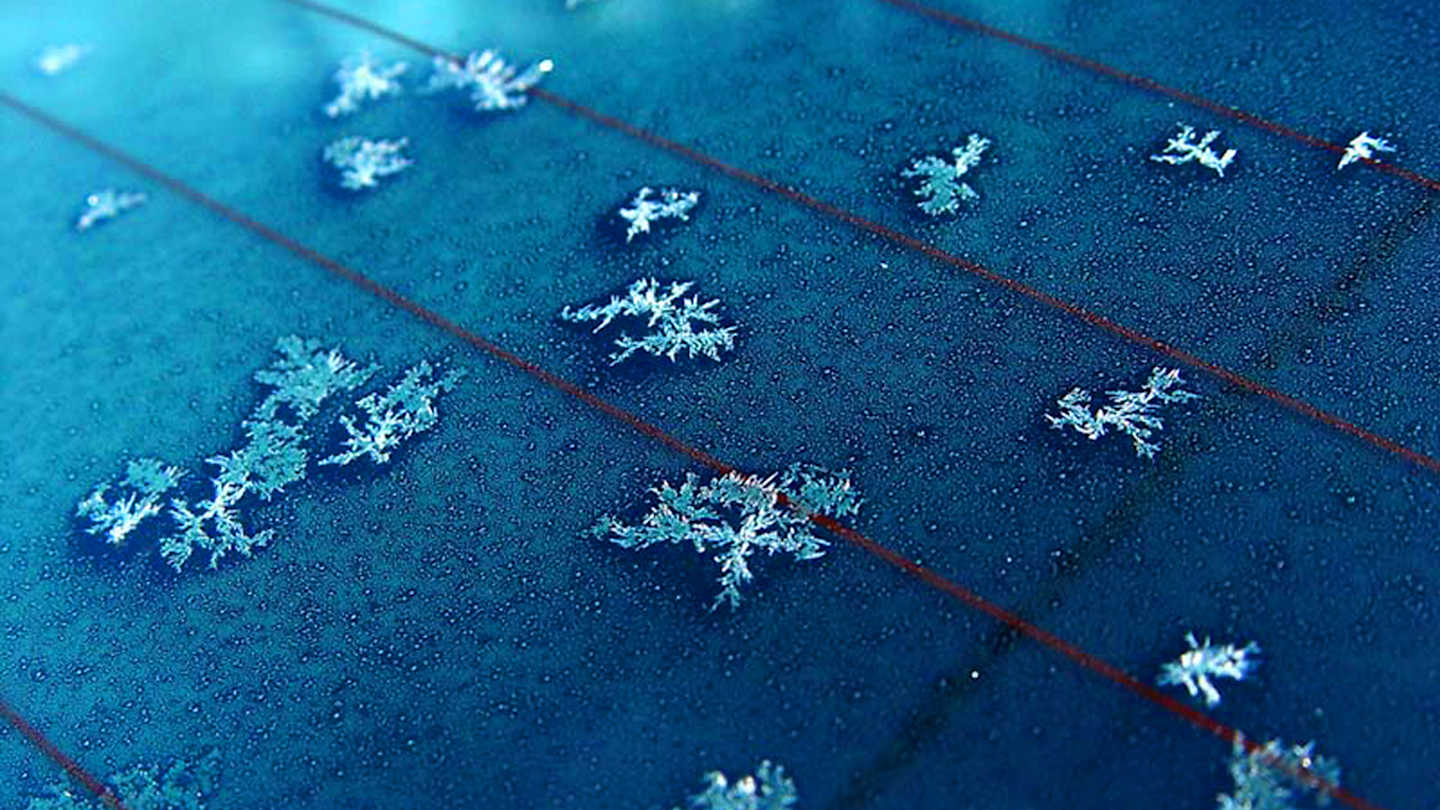
If you have ever sat in traffic and stared at the car in front of you, you may have noticed thin horizontal lines stretching across its rear windshield. Maybe you wondered whether they were decorative, part of the glass, a secret spy gadget, or just one more mysterious car feature nobody explains until it breaks. Good news: those lines are not random, and your car is not trying to communicate in Morse code.
Those lines on a car’s rear windshield are usually part of the rear window defroster, also called the rear defogger. They are thin conductive strips that heat up when electricity passes through them, helping clear fog, frost, snow, and light ice from the back glass. In some vehicles, certain lines in or near the rear glass may also work as radio antenna elements. So yes, that humble rear window is doing more than giving you a view of tailgaters and drive-thru menus.
Understanding how rear windshield lines work can help you use them correctly, clean them safely, diagnose problems, and avoid expensive damage. Let’s break it down in plain English, with just enough car science to make you feel clever at your next oil change.
The Short Answer: They Are Rear Window Defroster Lines
The most common purpose of the lines on a rear windshield is defrosting and defogging. Unlike the front windshield, which is cleared by warm air blowing through dashboard vents, the rear windshield usually does not have air ducts aimed at it. Automakers solved that problem by placing an electrical heating grid directly on the glass.
When you press the rear defroster button, electricity flows through those thin lines. The lines resist the electrical current, and that resistance produces heat. The heat warms the glass surface, helping moisture evaporate and loosening frost or thin ice. It is the same basic idea behind an electric blanket, a toaster, or the warm side of your laptop after too many browser tabs are open.
Why Cars Need Rear Windshield Lines
Rear visibility matters. Drivers use the rear windshield when backing up, changing lanes, checking traffic, parking, and confirming what is behind the vehicle. Rearview cameras and side mirrors help, but a clear rear window is still important, especially in rain, cold weather, fog, and early morning condensation.
Without rear defroster lines, the back glass could stay foggy long after the rest of the cabin clears. That is annoying on a mild morning and potentially dangerous in winter. The rear defroster grid quietly protects visibility, which is why many drivers do not appreciate it until one cold morning when only three sad stripes clear and the rest of the window looks like a bathroom mirror after a hot shower.
How Rear Defroster Lines Actually Work
The Heating Grid
The lines are typically made from a conductive material such as a metal-based coating or a metal-and-resin mixture. They may be printed, bonded, or otherwise integrated onto the inside surface of the rear glass. The exact design varies by manufacturer, but the concept is consistent: create a controlled electrical pathway that spreads heat across the glass.
The Bus Bars
Look closely at many rear windows and you will see wider vertical strips along the left and right sides of the glass. These are commonly called bus bars. They feed electricity into the horizontal grid lines and help distribute current across the system. If one of the main electrical tabs connected to these side strips becomes loose or broken, the entire rear defroster may stop working.
The Switch, Fuse, Relay, and Timer
The rear defroster is not just glass and lines. It is part of an electrical circuit. The system usually includes a dashboard button, wiring, a fuse, a relay, and often an automatic timer. Many vehicles turn the rear defroster off after a set period to reduce electrical load and prevent unnecessary heating. If you have ever wondered why the button light turns off by itself, no, your car is not bored. It is saving power.
Are the Lines Inside the Glass or on the Surface?
On many vehicles, the rear defroster grid is on the inside surface of the glass. That is why you can sometimes feel the raised texture of the lines if you gently run a finger across them. In other designs, heating elements may be embedded differently, but the important point for owners is this: the inner side of the rear windshield deserves careful treatment.
Scraping, aggressive cleaning, harsh chemicals, poorly removed stickers, and rough cargo can damage the grid. Once a line is scratched deeply enough to break the conductive path, that section may stop heating. The result is usually a horizontal band of fog or frost that refuses to clear while the rest of the window behaves normally.
Do Rear Windshield Lines Also Work as Antennas?
Sometimes, yes. Many modern vehicles hide antennas in the glass instead of using the old-school metal mast antenna. Depending on the vehicle, glass-mounted antenna elements may be used for AM/FM radio, satellite radio, GPS, cellular features, or keyless-entry systems. These antenna patterns can appear as lines in the rear windshield, rear quarter glass, or side glass.
However, not every line on the rear windshield is an antenna. The long horizontal lines across the main rear glass are usually the defroster grid. Antenna elements may look slightly different, may be arranged vertically or in special patterns, and may appear in side windows as well. If you see unusual shapes or extra lines beyond the standard defroster grid, they may be part of the vehicle’s antenna system.
Why Rear Defroster Lines Can Stop Working
1. A Broken Grid Line
The most common visible failure is a broken defroster line. If one horizontal section does not clear while the others do, that line may have a tiny scratch or gap. It does not take much. A small break can interrupt the circuit like cutting a garden hose: the flow stops beyond the damage.
2. Loose or Broken Electrical Tabs
Small metal tabs connect the vehicle’s wiring to the rear defroster grid. If a tab comes loose from the glass, the system may stop working entirely or become intermittent. This can happen from age, vibration, careless cargo loading, or someone tugging on trim like they are trying to open a treasure chest.
3. Blown Fuse or Bad Relay
If the whole rear defroster does nothing, the problem may not be the glass at all. A blown fuse, faulty relay, bad switch, damaged wiring, or poor ground connection can shut the system down. Electrical diagnosis is often needed when no part of the grid heats up.
4. Window Tint Problems
Window tint can usually be installed over rear defroster lines when done properly, but tint removal is where trouble often begins. Scrapers, strong adhesive removers, and rushed peeling can lift or break the delicate conductive lines. If your rear window tint is old, bubbling, or purple enough to look like grape soda, have it removed by someone who knows how to protect defroster grids.
5. Abrasive Cleaning
Steel wool, razor blades, rough pads, and aggressive scrubbing are enemies of rear defroster lines. The rear glass may look tough, but those thin conductors are more delicate than they appear. Clean the inside of the rear windshield with a soft microfiber cloth and a mild glass cleaner. Your defroster grid is not a casserole dish; do not attack it like one.
How to Tell If Your Rear Defroster Lines Are Damaged
The easiest clue is the clearing pattern. Turn on the rear defroster when the window is fogged or lightly frosted. A healthy grid should clear fairly evenly across the heated lines. If one stripe stays foggy, that specific grid line may be broken. If half the window clears and half does not, there may be a connection issue on one side. If nothing clears at all, check the fuse, switch, wiring, relay, or main tabs.
You can also inspect the lines visually. Look for scratches, missing sections, discoloration, or places where the line appears interrupted. A tiny break can be difficult to see, so good lighting helps. Some repair shops use a voltmeter or test light to trace where the electrical current stops. That is a more accurate method than squinting at the window while saying, “I think I found it,” which is how many weekend repairs begin.
Can You Repair Rear Windshield Defroster Lines?
Yes, many minor defroster grid problems can be repaired. Auto parts stores sell rear window defroster repair kits that include conductive paint or adhesive. For a small break in a grid line, conductive paint can bridge the gap and restore electrical continuity. For a detached tab, a special electrically conductive adhesive may reattach the connector.
The basic process usually involves cleaning the area, masking around the broken line, applying the conductive repair material, allowing it to cure, and testing the system. Instructions matter because cure times and application steps vary. Using the defroster too soon after a repair can weaken the bond or ruin the fix. Patience is cheaper than replacing rear glass.
That said, not every problem is a perfect DIY project. If the glass is cracked, shattered, heavily damaged, or if the entire system is dead and electrical testing points beyond the grid, professional diagnosis is smarter. Rear windshield replacement may be necessary when the glass itself is compromised. A new rear windshield must preserve any defrost, antenna, sensor, or technology features built into the original glass.
How to Protect the Lines on Your Rear Windshield
Use the Right Cleaning Method
Clean the inside of the rear windshield gently. Use a soft microfiber cloth and a glass cleaner suitable for automotive interiors. Wipe with the direction of the lines rather than scrubbing across them. Avoid razor blades, abrasive pads, and heavy pressure.
Be Careful With Stickers and Suction Cups
Stickers, decals, suction-cup accessories, and temporary permits can cause problems if placed over the grid. Removing adhesive from defroster lines is risky. If you need to remove residue, use patience, mild products, and soft materials. If the sticker fights back like it has a personal grudge, get help before you damage the grid.
Load Cargo Thoughtfully
In hatchbacks, SUVs, and wagons, cargo may sit close to the rear glass. Long boards, boxes, tools, pet crates, and sports gear can rub against the lines. One careless shove can scratch the grid. Secure cargo and keep hard objects away from the inside of the rear windshield.
Choose Professional Tint Work
If you tint the rear window, choose an installer who understands defroster lines and glass antennas. The same goes for tint removal. Good technique can preserve the grid; bad technique can turn a simple style upgrade into an expensive visibility problem.
Are Rear Windshield Lines Safe to Touch?
Generally, yes. Rear defroster lines do warm up, but they are not supposed to become dangerously hot during normal operation. You should not poke, scrape, peel, or test them with metal tools, but normal contact during gentle cleaning is fine. If you smell burning, see smoke, notice melted tint, or find a section getting unusually hot, turn the system off and have it checked.
Why the Lines Are Horizontal
Horizontal lines provide broad, even coverage across the rear windshield. They help distribute heat where moisture collects and where the driver needs a clear view through the rearview mirror. The spacing is designed to balance clearing performance, electrical load, visibility, and manufacturing cost. In other words, they are not horizontal because a designer had a ruler and extra coffee. They are horizontal because the layout works.
Common Myths About Rear Windshield Lines
Myth: They Are Just for Looks
Nope. They are functional heating elements, and in some vehicles, related glass lines may also serve antenna purposes. If they were decorative, automakers probably would have made them more exciting than brownish-orange stripes.
Myth: The Rear Defroster Blows Hot Air
The front defroster usually uses the HVAC system to blow air onto the windshield. The rear defroster normally uses electricity and heated grid lines. That is why you can hear the front fan working but hear almost nothing from the rear window.
Myth: A Broken Line Means You Need New Glass
Not always. Small breaks can often be repaired with conductive paint. A broken connector tab may also be fixable. Replacement becomes more likely when the glass is damaged, the grid is severely degraded, or integrated technology cannot be restored another way.
Myth: Window Tint Always Ruins Defroster Lines
Quality tint installation does not automatically ruin the grid. The bigger risks are poor installation, careless cleaning, and rough tint removal. A skilled installer treats rear defroster lines like fragile electronics, not like a kitchen window.
When Should You Use the Rear Defroster?
Use the rear defroster when condensation, frost, snow, or light ice blocks your rear view. It is especially helpful during cold starts, rainy weather, humid mornings, and temperature swings. Turn it on early enough to clear the glass before driving if visibility is poor. Many vehicles shut it off automatically, but you can turn it off manually once the window is clear.
Do not rely on the rear defroster to melt thick ice quickly. If the glass is heavily iced over, clear the outside safely before driving. The grid helps, but it is not a magical force field. Treat it as a visibility tool, not a replacement for common sense and a good ice scraper.
What If Only Some Lines Work?
If only some lines work, the most likely cause is a break in one or more grid lines. Each horizontal strip acts like a small heating path. When a section is broken, current cannot flow through that path properly, so the area around it stays foggy or icy. A repair kit may solve the problem if the break is visible and accessible.
If the top half works and the bottom half does not, or if the clearing pattern is unusual, the issue may involve a side bus bar, connector, or wiring path. In vehicles with glass-mounted antennas, a damaged line could also affect radio reception. If your favorite station suddenly sounds like it is broadcasting from inside a soup can, the rear glass system may be worth inspecting.
What If the Whole Rear Defroster Does Not Work?
When the entire rear defroster fails, start with simple checks. Does the button light come on? Is the fuse good? Do you hear a relay click? Are the connector tabs still attached to the glass? Is there visible damage to the wiring near the hatch or trunk? Hatchbacks and SUVs can develop wiring issues where harnesses flex repeatedly as the rear door opens and closes.
If basic checks do not reveal the issue, a technician can test voltage and continuity. Electrical diagnosis prevents guesswork. Replacing glass for a bad fuse would be like buying a new refrigerator because the kitchen light burned out: technically dramatic, financially painful, and not the right fix.
Real-World Experiences With Rear Windshield Lines
Most drivers discover the importance of rear windshield lines in one of three ways: a cold morning, a bad cleaning decision, or a window tint adventure. The cold morning story is the classic one. You start the car, the windshield slowly clears, the side mirrors look fine, and then you glance in the rearview mirror and see a gray blur. You press the rear defroster button, wait a few minutes, and suddenly neat horizontal bands appear through the fog. It looks almost magical, like your car is drawing blinds open one stripe at a time.
Another common experience happens after someone cleans the rear glass with too much enthusiasm. Maybe there was sticker residue, dog nose art, or the mysterious film that appears inside cars for no reason known to science. Out comes a rough sponge, a scraper, or a heavy-duty cleaner. The window shines afterward, but the next rainy morning one line refuses to clear. That is when the driver realizes those thin stripes were not just printed decorations. They were working parts.
Families with SUVs and hatchbacks often learn through cargo. A folding chair, a toolbox, a stroller, or a piece of lumber slides backward and scratches the inside of the glass. The damage may look tiny, but the defroster grid can be surprisingly sensitive. Later, a narrow fog stripe appears exactly where the object rubbed. It is a small reminder that the rear windshield is not just glass; it is glass with wiring attached to it.
Window tint experiences are also common. A good tint job can look great and still allow the rear defroster to work. Trouble often comes years later when old tint bubbles, fades, or peels. The owner decides to remove it and discovers that the film is bonded around the defroster lines like it signed a long-term lease. Pulling too hard can lift the lines. Scraping can cut them. That is why careful heat, patience, and professional removal matter.
There is also the “radio mystery” experience. A driver notices weak radio reception after rear glass work, tint removal, or damage near the back window. In vehicles that use glass-mounted antennas, the rear window may be part of the reception system. What looks like a defroster issue may also affect audio performance. The car still runs perfectly, but the radio starts acting like it lives in a tunnel.
The most useful lesson from all these experiences is simple: treat rear windshield lines like delicate electrical components. They do not demand much, but they do appreciate gentle cleaning, careful cargo loading, and thoughtful repair. When they work, you barely notice them. When they fail, you suddenly become very interested in horizontal brown lines. Car ownership has a funny way of turning tiny details into big lessons.
Conclusion
The lines on a car’s rear windshield are mainly rear defroster lines, designed to heat the glass and clear fog, frost, and light ice. They work by sending electrical current through a conductive grid, creating gentle heat across the back window. In some vehicles, nearby or integrated glass lines may also help with radio reception or other antenna functions.
These lines are small, but they play a big role in visibility and everyday driving comfort. Protect them by cleaning gently, avoiding scrapers on the inside of the glass, being cautious with tint, and keeping cargo away from the rear window. If a line stops working, a repair kit may fix minor damage, while larger electrical or glass problems may need professional attention.
Note: This article is for general educational and car-care guidance. For vehicle-specific repair instructions, always check the owner’s manual or consult a qualified automotive glass or electrical technician.