Note: This article is written in body-only HTML for easy copying into a CMS and is based on real Upper Midwest gardening guidance, Wisconsin shade-garden plant recommendations, and regionally appropriate Green Bay growing conditions.
A Cool Morning Walk Through a Green Bay Shade Garden
Early July in Green Bay, Wisconsin, has a personality all its own. The spring rush has faded, the Fourth of July petunias are doing their patriotic best, and the backyard shade garden finally looks like it has read the assignment. Under maples, oaks, fences, pergolas, and porch overhangs, the quiet corners of the yard begin to feel less like “the place where grass gave up” and more like a layered woodland retreat.
A backyard shade garden walk in Green Bay in early July is not about loud, tropical drama. It is about texture, patience, and small discoveries. Hosta leaves are broad and confident. Ferns unfurl into lacy green architecture. Astilbe sends up soft plumes that look like they were designed by a florist with a fondness for clouds. Wild ginger spreads low and glossy, while Solomon’s seal arches politely like it has excellent Midwestern manners.
For homeowners in northeastern Wisconsin, shade gardening is both a challenge and a gift. The challenge is obvious: less sunlight, tree-root competition, occasional dry soil, hungry deer, and slugs that appear to treat hostas as a midnight buffet. The gift is even better: shade gardens stay cooler, feel peaceful during summer heat, support pollinators when planted thoughtfully, and create a sense of place that suits Green Bay’s woodland edges, lake-influenced weather, and practical backyard lifestyle.
Why Early July Is a Beautiful Time for a Shade Garden Walk
Early July is a turning point. Spring ephemerals have mostly finished their brief performance, but summer shade perennials are stepping forward. The garden is no longer waking up; it is settling in. In Green Bay, this is often when the backyard begins to show which plants are truly happy and which ones are quietly filing a complaint with management.
By this time, hostas have reached impressive size, especially in beds with rich organic matter and steady moisture. Ferns are full and graceful. Heuchera, also known as coral bells, adds burgundy, caramel, lime, or silver foliage depending on the variety. Astilbe may be blooming or nearly blooming, especially where the soil stays evenly moist. Hydrangeas in part shade begin preparing their summer show, and native woodland plants add subtle but valuable layers for insects, birds, and the gardener’s own sanity.
The best time for a shade garden walk is morning. The air is cooler, leaves are hydrated, and the low angle of sunlight slips through branches in little golden patches. Afternoon can be beautiful too, but in July it may also come with humidity, mosquitoes, and the kind of heat that makes you reconsider every life choice involving mulch.
Understanding Shade in a Green Bay Backyard
Not all shade is the same. This matters because one shady corner may grow lush hostas, while another looks like a plant retirement home. A successful Green Bay shade garden starts with understanding the light.
Dappled Shade
Dappled shade is the gold standard for many shade perennials. It occurs beneath high tree canopies where sunlight filters through leaves. Hostas, astilbe, ferns, Solomon’s seal, and many native woodland plants often perform well here. The light changes throughout the day, giving plants enough energy without scorching their foliage.
Part Shade
Part shade usually means a site receives a few hours of direct sun, often in the morning or late afternoon. Morning sun is especially useful in Green Bay because it brightens foliage without the harsher stress of midafternoon heat. Gold and chartreuse hostas often develop better color with a little morning sun, while deep blue hostas usually prefer cooler, more protected spots.
Deep Shade
Deep shade is found under dense evergreens, close to north-facing walls, or beneath low, mature trees. Plants can survive there, but growth is slower, flowers are fewer, and soil may be dry. In these areas, foliage becomes the star. Think ferns, wild ginger, sedges, carex, and carefully chosen hostas rather than a nonstop flower parade.
The Plants That Steal the Show in Early July
A strong shade garden uses contrast. Big leaves next to fine leaves. Matte foliage beside glossy foliage. Upright plumes above low groundcovers. Without contrast, a shade bed can become a green blur, which is relaxing but slightly too “lettuce aisle.”
Hostas: The Reliable Stars
Hostas are the backbone of many Wisconsin shade gardens for good reason. They are hardy, long-lived, and available in an almost ridiculous range of sizes, colors, and leaf textures. In early July, they are usually at their best, with leaves still fresh before late-summer wear and tear arrives.
Use large blue-green hostas as anchors along a path or under a tree. Add smaller varieties with cream margins near the front of the border. For a brighter look, mix in gold or lime hostas where they receive gentle morning sun. Give them room to mature. A hosta planted too close to a sidewalk may eventually lean over the path like it owns the property, and honestly, it might.
Astilbe: The Feather Duster of Elegance
Astilbe brings softness and color to shade. Its feathery plumes can be white, pink, lavender, red, or raspberry, and its fernlike foliage remains attractive even when flowers fade. The key is moisture. Astilbe prefers rich, evenly moist soil. In a dry shade bed under thirsty tree roots, it may sulk. In a cool, compost-enriched pocket near a downspout or low area, it can look spectacular.
Ferns: Texture Without Fuss
Ferns are essential for a woodland mood. Lady fern, maidenhair fern, ostrich fern, and Japanese painted fern all bring different textures. Lady fern feels airy and classic. Japanese painted fern adds silver and burgundy tones that brighten dim corners. Ostrich fern can be bold and spreading, so place it where it has room or where you actually want that lush, tucked-away forest feeling.
Wild Ginger: The Quiet Groundcover
Wild ginger is a useful native-style groundcover for shady borders and woodland gardens. Its heart-shaped leaves form a low carpet, helping cover soil and reduce weeds. It is especially handsome along a winding path where visitors can notice its glossy leaves up close. It prefers moist, well-drained soil and can tolerate fairly dense shade, making it a smart choice for Green Bay yards with mature trees.
Solomon’s Seal: Grace on an Arching Stem
Solomon’s seal is one of those plants that makes a shade garden look intentional. Its arching stems and paired leaves create movement without shouting for attention. After its spring flowers fade, the foliage remains elegant through summer. In early July, it acts as a bridge between spring woodland charm and summer greenery.
Heuchera and Sedges: The Detail Work
Heuchera adds color when flowers are limited. Burgundy, bronze, amber, and lime varieties can make a shaded bed feel designed rather than accidental. Sedges, especially native or well-adapted carex varieties, bring grassy texture and help soften edges. Together, they create the middle layer that keeps a garden interesting from path level to knee height.
Designing a Walkable Shade Garden Path
A garden walk needs a path, even if it is only a few stepping stones through mulch. Paths slow people down. They invite looking. They also keep visitors from stepping directly into your favorite fern, which is good for friendship.
In a Green Bay backyard, a shade garden path can be made from natural stone, mulch, gravel, or reclaimed brick. Curved paths feel more relaxed and make small yards seem larger. A slight bend creates mystery: What is around the corner? Usually another hosta, but mystery is mystery.
Place taller plants toward the back or at turning points. Use low groundcovers along edges. Repeat key plants every few feet to create rhythm. For example, a path might begin with blue hostas, pass through a patch of wild ginger, curve past astilbe, and end near a bench framed by ferns. Repetition keeps the space calm; variety keeps it from becoming a salad.
Soil, Mulch, and Moisture: The Unflashy Heroes
Shade gardens often struggle less from lack of light than from lack of moisture and soil quality. Tree roots compete for water and nutrients. Large canopies can block rainfall. Dense shade can keep soil cool in spring but dry by midsummer.
Adding compost improves soil structure and supports healthy root growth. Mulch helps conserve moisture, reduce weeds, and keep soil temperatures more stable. In Wisconsin, organic mulch is usually best applied after the soil has warmed, which makes late June and early July a practical time to refresh beds. Keep mulch a few inches away from tree trunks and plant crowns. Mulch should look like a blanket, not a volcano.
Water deeply when the top several inches of soil become dry. A soaker hose or slow hand-watering at the base of plants is better than a quick overhead sprinkle. Wet leaves in a shady garden can encourage disease, and a shallow watering habit trains roots to stay near the surface. Deep watering says, “Grow strong.” Sprinkling says, “Good luck out there.”
Common Early July Shade Garden Problems
Slugs on Hostas
Slugs are common in cool, moist shade and are especially fond of hostas. Their damage appears as irregular holes in leaves. Good spacing, less debris around crowns, morning watering, and occasional monitoring can help. If slug pressure is high, use control methods labeled for garden use and follow instructions carefully.
Deer Browsing
Green Bay-area gardeners know that deer can turn a hosta collection into a sad bouquet of stems. No plant is perfectly deer-proof, but mixing hostas with ferns, ornamental grasses, aromatic herbs near edges, and less-favored perennials can reduce the buffet effect. Fencing and repellents may also help, especially when deer are frequent visitors.
Dry Shade
Dry shade is the classic problem under mature trees. Choose tough plants, water new plantings consistently, and avoid disturbing major tree roots. For the driest spots, consider sedges, epimedium, barrenwort, wild ginger once established, and carefully selected hostas rather than moisture-loving plants like astilbe.
Jumping Worm Awareness
Wisconsin gardeners should also be aware of invasive jumping worms. They can alter soil structure and are often associated with mulch, compost, soil, and potted plants. Inspect new plant material, avoid moving unknown soil from place to place, and source mulch and compost carefully. A beautiful shade garden starts below ground, where the real drama is apparently happening.
How to Make the Garden Feel Like Green Bay
A backyard shade garden in Green Bay should not feel like it was imported from a glossy catalog in a climate that has never heard of January. It should feel rooted in northeastern Wisconsin. That means choosing hardy perennials, embracing woodland textures, and designing for all-season interest.
Use native or regionally suitable plants where possible. Wild columbine, lady fern, Solomon’s seal, wild ginger, and woodland sedges connect the garden to local ecosystems. Add bird-friendly shrubs at the edges where light allows. Use fallen leaves as part of the soil-building cycle when appropriate. Let the garden feel a little natural, not messy, but not so polished that every leaf looks nervous.
Green Bay gardens also benefit from seating. A simple bench, a pair of weathered chairs, or a small bistro table makes the shade garden usable. After all, a garden walk should end somewhere. Ideally, that somewhere includes iced tea, coffee, or a quiet moment before the mosquitoes discover your ankles.
Early July Backyard Shade Garden Checklist
- Walk the garden in the morning to check moisture, pests, and plant health.
- Refresh mulch where soil is exposed, but keep it away from stems and trunks.
- Water deeply during dry spells, especially around new plantings.
- Remove weeds before they set seed.
- Watch for slug damage on hostas and other tender foliage.
- Deadhead spent flowers where it improves appearance or reduces unwanted seedlings.
- Make notes about plants that need dividing, moving, or replacing in fall.
- Photograph the garden from the same angles each week to track changes.
A Personal Garden Walk Experience: From the Shade Path
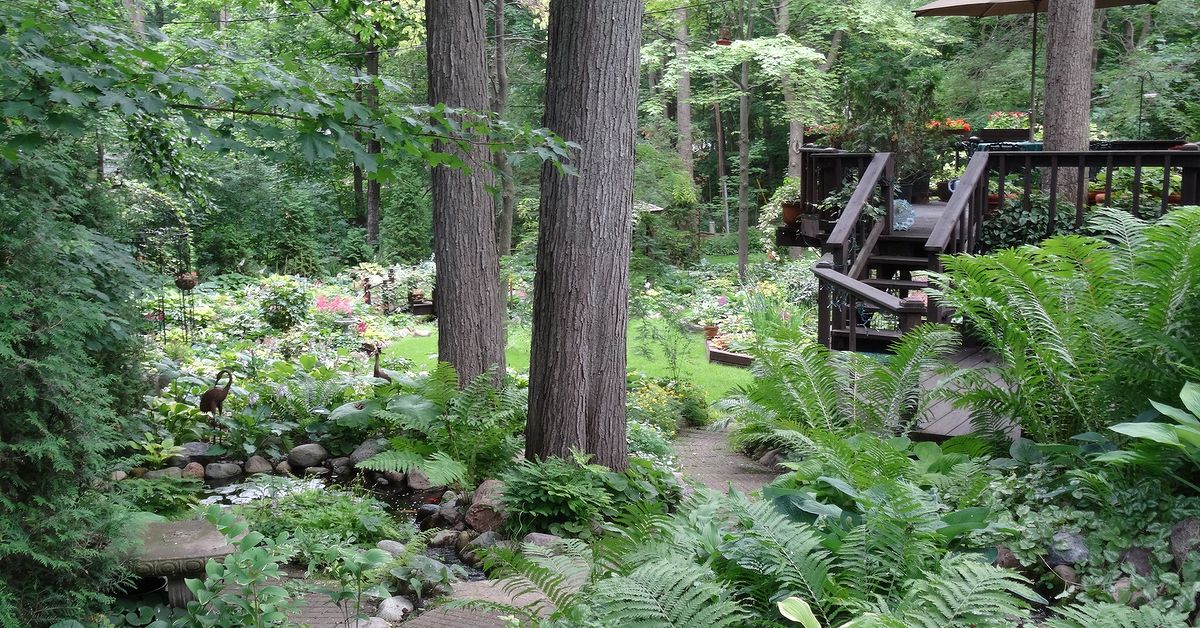
The best early July shade garden walk begins before the neighborhood fully wakes up. In Green Bay, the morning can feel cool enough to fool you into thinking summer is gentle. The lawn is damp, the air smells like leaves and mulch, and the first few birds are already conducting business in the shrubs. You step onto the path with a mug in hand and immediately notice that the garden changed overnight. This is one of gardening’s little tricks: nothing seems to happen for days, and then suddenly a hosta doubles in size like it signed a growth contract while you were sleeping.
The first stop is usually the hosta border. The big blue leaves hold beads of water like tiny glass buttons. A variegated hosta near the path catches the morning light and brightens the whole corner. You make a mental note to divide it someday, which in gardener language means “maybe next year, unless I forget.” Nearby, a small fern has filled in around a stone, softening the edge so beautifully that it looks planned, even though it was mostly luck and one rainy week.
As you move deeper into the shade, the garden becomes quieter. The street noise fades. The plants are not demanding attention the way sunflowers or roses might. Instead, they reward slower looking. The astilbe plumes are just beginning to color up, pink at the tips and pale beneath. A patch of wild ginger has knitted itself together under the shrubs, making a glossy green floor where weeds used to throw annual conventions. Solomon’s seal bends over the path with a graceful curve, as if politely asking you to duck.
This is when you notice the small jobs. One hosta leaf has slug holes. A maple seedling is trying to become a forest in the middle of the bed. Mulch has washed thin near the downspout. A fern planted too close to the path is making a bold bid for pedestrian control. None of this ruins the walk. In fact, these little imperfections make the garden feel alive. A shade garden is not a showroom. It is a conversation between weather, soil, trees, plants, wildlife, and the person holding the coffee.
By the time you reach the bench, the sun has started filtering through the canopy in brighter patches. The garden glows in pieces: one gold hosta, one silver fern, one line of light across a stepping stone. You sit for a minute and realize that shade gardening is not second-best gardening. It is its own art. It asks for patience, close attention, and a willingness to appreciate green in twenty different languages. In early July, a Green Bay backyard shade garden feels cool, layered, practical, and quietly generous. It does not shout. It invites. And on a warm Wisconsin morning, that invitation is more than enough.
Conclusion: The Quiet Magic of a Green Bay Shade Garden
An early July backyard shade garden walk in Green Bay, WI, is a reminder that beauty does not always need full sun. With hostas, ferns, astilbe, wild ginger, Solomon’s seal, heuchera, sedges, and thoughtful native plant choices, a shaded yard can become one of the most relaxing and visually rich spaces in the landscape.
The key is to work with the conditions instead of fighting them. Understand the type of shade. Improve the soil. Water deeply when needed. Mulch wisely. Watch for slugs, deer, and dry pockets. Most importantly, design the garden for walking, pausing, and noticing. Shade gardens reward attention. They are not lazy corners; they are cool little ecosystems with excellent taste.
In Green Bay’s early July warmth, the best backyard shade gardens offer a break from the bright world. They give you texture, movement, birdsong, and a place to breathe. That is not just good landscaping. That is summer therapy with leaves.