Note: This article is based on current public information about Dole’s Colada Royale pineapple, including its launch details, product characteristics, nutrition claims, and reported tasting impressions from food publications and produce-industry sources. Product availability, pricing, and retailer rollout may vary by region.
If a beach vacation could be sliced into cubes and eaten straight from a cutting board, it would probably taste like Dole’s new Colada Royale pineapple. Yes, a pineapple. Not a cocktail mix. Not a candy. Not a suspiciously neon grocery-store experiment that tastes like it was designed in a lab by someone wearing sunglasses indoors. This is a real fresh pineapple variety developed to taste naturally sweet, tropical, andhere is the part that made the internet do a collective double takesomewhat like a piña colada.
The Colada Royale pineapple is the kind of fruit that makes you stop mid-bite and stare at the counter like it just told you a secret. It has the bright tang you expect from pineapple, but layered with softer notes that people have described as coconut, vanilla, and creamy tropical sweetness. Basically, it is giving “resort drink with tiny umbrella,” minus the blender, rum, and awkward vacation sunburn.
For anyone who loves pineapple, tropical fruit, summer recipes, or grocery-store discoveries that feel genuinely new, this one is worth knowing about. It is not just another yellow pineapple with fancy branding. Dole says the Colada Royale was developed over more than 15 years using conventional, non-GMO breeding methods. The result is a lighter, cream-colored pineapple with a smaller core, juicy flesh, and a flavor profile meant to feel more luxurious than the everyday pineapple sitting politely in the produce aisle.
What Is the Dole Colada Royale Pineapple?
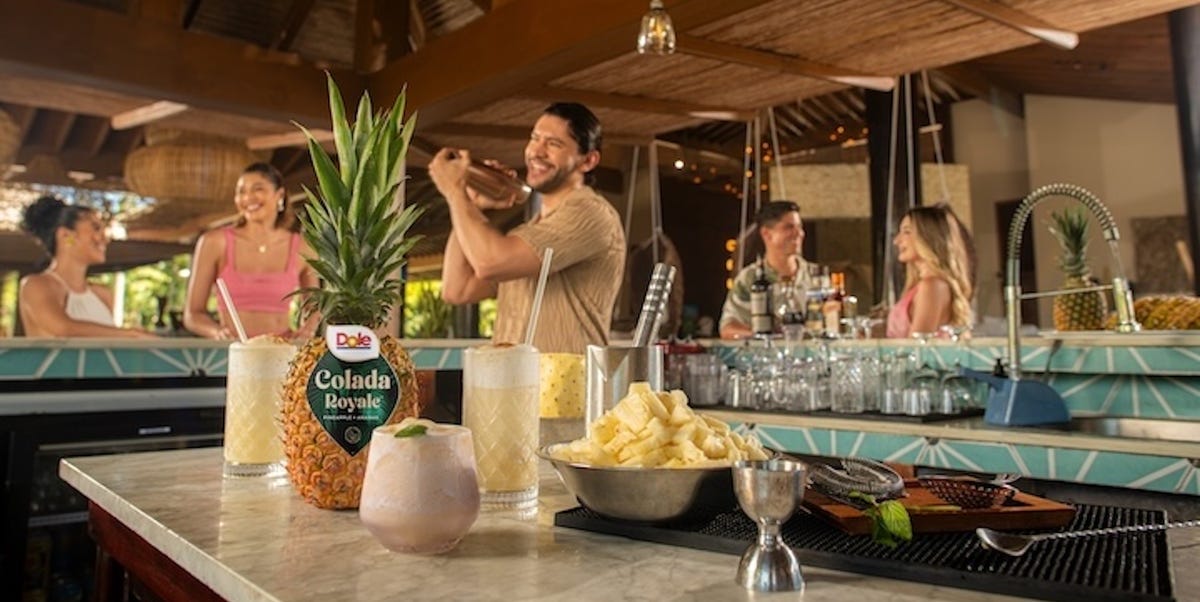
The Dole Colada Royale pineapple is a new premium pineapple variety created to deliver the flavor impression of a piña colada. Instead of relying on added flavoring, syrup, or artificial coconut taste, this pineapple was bred through traditional agricultural methods to produce a naturally sweeter, more aromatic eating experience.
On the outside, it still looks like a pineapple: spiky crown, textured shell, and that familiar tropical “I am difficult to cut but worth it” attitude. The difference shows up once you slice it open. The flesh is lighter than a typical golden pineapple, leaning cream or pale yellow rather than bright gold. That pale interior is one of the first clues that this fruit is not playing by the usual pineapple rules.
The flavor is where things get fun. Colada Royale still tastes like pineapple, but it is less sharp and more rounded. The sweetness comes forward quickly, followed by a soft coconut-like finish. Some tasters also pick up vanilla, banana, or general tropical fruit notes. That combination is why so many people compare it to a virgin piña colada: pineapple first, creamy island vibes second, no bartender required.
Why Everyone Is Talking About This Piña Colada Pineapple
Food trends come and go. One month everyone is freezing cottage cheese, the next month someone is trying to convince us that pickles belong in every beverage. But the excitement around Colada Royale feels different because the product itself is simple: it is fresh fruit. There is no gimmicky coating, no powdered seasoning packet, and no limited-edition cereal box mascot involved.
What makes this pineapple stand out is that it taps into several consumer trends at once. Shoppers are looking for fresh foods that feel exciting. They want flavor experiences that are special but not overly processed. They are also more willing than ever to try premium fruit, especially when it has a strong visual identity or a memorable taste story. We have already seen attention around pink pineapples, luxury melons, specialty grapes, and other “designer fruit” moments. Colada Royale fits neatly into that world, but its hook is flavor instead of color.
And honestly, “pineapple that tastes like a piña colada” is a very strong hook. It is the kind of phrase that makes even people who only buy bananas and apples pause and say, “Wait, what?” That curiosity is exactly what a new fresh fruit product needs in a crowded grocery aisle.
How Was Colada Royale Developed?
Dole has said the Colada Royale pineapple took more than 15 years of research and development. That matters because breeding a new fruit variety is not like launching a seasonal latte. You cannot simply brainstorm a fun name, print labels, and ship it next Tuesday. Fruit breeding takes patience, testing, field trials, crop evaluation, and a frankly rude amount of waiting.
The variety was developed through conventional breeding, which means it is non-GMO and does not rely on genetic modification. The goal was to create a pineapple that was indulgent, aromatic, and distinct from standard varieties while still being recognizable as fresh pineapple. It was developed in Honduras, connected to Dole’s long-running pineapple-growing operations in La Ceiba.
That long timeline also explains why the fruit feels more deliberate than a novelty item. When a company spends more than a decade trying to perfect a pineapple with coconut-like notes, the result has to do more than sound cute in a press release. It has to taste good enough for shoppers to buy it again after the initial “I saw this online” moment fades.
What Does Colada Royale Taste Like?
The short answer: like a very juicy pineapple that wandered through a coconut grove and came back with excellent vacation stories.
The longer answer is more interesting. Regular pineapple has a bright, acidic sweetness that can sometimes feel sharp on the tongue. Colada Royale keeps the juicy tropical intensity but softens the edges. The sweetness is more mellow and layered, with a creamy finish that suggests coconut without tasting like bottled coconut extract. That is important. Artificial coconut can go from “tropical” to “sunscreen” very quickly. Colada Royale avoids that problem by staying fruit-forward.
The piña colada comparison works because the classic cocktail is built around pineapple and coconut. Colada Royale naturally leans into that same flavor pairing. It does not taste like a blended frozen drink with cream of coconut, of course, because it is still fruit. But the aroma and aftertaste can make your brain connect the dots. One bite says pineapple; the next says, “Should I be near a pool right now?”
What Makes It Different From Regular Pineapple?
It Has a Lighter Interior
Most pineapples have golden-yellow flesh. Colada Royale is paler and creamier in appearance. That lighter color gives it a distinctive look on fruit boards, dessert plates, and cocktail garnishes. It also visually supports the flavor expectation: this is not just regular pineapple wearing a new sticker.
It Has a Smaller Core
One practical difference is the smaller core. Anyone who has cut a pineapple knows the center can be tough, fibrous, and slightly annoying. A smaller core means more edible fruit and less waste. That is especially helpful when the fruit is being positioned as a premium purchase. Nobody wants to pay for a luxury pineapple and then throw half of it into the compost bin like a sad tropical sacrifice.
It Offers More Vitamin B6
Dole has stated that a serving of Colada Royale contains about two and a half times more vitamin B6 than typical Dole pineapple. Vitamin B6 plays roles in metabolism, brain function, and immune support. Pineapple in general is also known for vitamin C, manganese, hydration, and fruit-based sweetness, making it a snack that feels indulgent without drifting into dessert territory.
It Is Built for Snacking and Recipes
Some fruit varieties are best eaten plain. Others are built for the spotlight. Colada Royale can do both. It is sweet and juicy enough to enjoy fresh, but the coconut-like notes also make it especially useful in drinks, desserts, salads, grilled dishes, and party boards.
How to Eat Colada Royale Pineapple
The easiest way to eat this pineapple is also the best first test: cut it into chilled chunks and eat it plain. No sugar. No lime. No whipped cream. No kitchen drama. This lets you understand the natural flavor before adding other ingredients.
Once you know what it tastes like, then you can start playing. Colada Royale is practically begging to be used in recipes that usually call for pineapple and coconut. It works in smoothies, mocktails, fruit salads, grilled skewers, sorbet, and tropical desserts. It can also be caramelized in a skillet or on the grill, where the sugars deepen and the coconut notes become even more dessert-like.
Fresh Snack Plate
Serve chilled cubes with lime wedges, toasted coconut flakes, and a pinch of flaky salt. The salt makes the sweetness pop, while the lime keeps the fruit bright. Add fresh mint if you want it to look like you have your life together.
Piña Colada Smoothie
Blend Colada Royale pineapple with coconut milk, ice, banana, and a squeeze of lime. The banana adds body, while the pineapple brings enough tropical flavor that you may not need extra sweetener. For a higher-protein version, add Greek yogurt or vanilla protein powder.
Grilled Pineapple Dessert
Brush thick pineapple slices with a little melted butter or coconut oil, grill until lightly caramelized, and serve with vanilla ice cream. Add toasted macadamia nuts if you want the dessert to taste like it has a timeshare in Maui.
Tropical Fruit Salsa
Dice the pineapple and mix it with jalapeño, red onion, cilantro, lime juice, and a pinch of salt. Spoon it over grilled fish, chicken tacos, shrimp bowls, or roasted vegetables. The sweet-coconut flavor gives the salsa extra depth without needing added sugar.
Can You Use It in Cocktails?
Absolutely. In fact, Colada Royale might be one of the rare fruits that sounds like it came with a cocktail destiny. It can be blended into a classic piña colada, muddled into rum drinks, shaken with lime and coconut water, or turned into a zero-proof tropical spritz.
For a simple mocktail, blend the pineapple with coconut water, lime juice, and ice, then top with sparkling water. For a cocktail, add white rum or coconut rum and a small amount of cream of coconut. Because the fruit is already sweet, taste before adding syrup. You may need less sugar than usual.
Another smart use is pineapple juice ice cubes. Blend the fruit, strain if desired, pour into an ice cube tray, and freeze. Drop the cubes into sparkling water, iced tea, lemonade, or rum punch. As they melt, they release tropical flavor instead of watering everything down. This is the kind of tiny kitchen move that makes guests think you are effortlessly brilliant, when really you just own an ice cube tray.
How to Choose a Good Pineapple at the Store
Because pineapples do not continue to get sweeter after harvest, choosing a good one matters. A ripe pineapple should look fresh, feel heavy for its size, and have a pleasant sweet aroma near the base. Avoid fruit with soft spots, bruising, mold, dried-out leaves, or a fermented smell. A little fragrance is good; a strong boozy smell means the pineapple may be past its prime.
Color alone is not always the best indicator of ripeness. Some pineapples stay greenish even when they are ready to eat. Instead, look for overall freshness, firmness, aroma, and weight. If the pineapple feels heavy, it is usually a sign of juiciness. If it feels light and dry, keep walking. Life is too short for disappointing pineapple.
Once you bring it home, do not wait forever. Whole pineapple can be kept at room temperature for a short time, but the best flavor comes from cutting and eating it soon. Once sliced, store it in an airtight container in the refrigerator. For smoothies, freeze chunks on a tray first, then transfer them to a freezer bag so they do not become one giant pineapple iceberg.
Why This Pineapple Feels Like a Bigger Food Trend
Colada Royale is part of a broader movement toward premium produce. Grocery shoppers are no longer only looking for basic fruit; they are increasingly interested in varieties with stories, colors, flavors, and specific eating experiences. Think cotton candy grapes, pink pineapples, golden kiwis, specialty apples, and tiny snackable peppers. These products turn produce into discovery.
That is good news for fruit. For years, the snack aisle has had the advantage of novelty. Chips can be spicy, smoky, cheesy, limited-edition, or shaped like cartoon lightning bolts. Fruit, by comparison, has often been expected to stand there quietly and be healthy. New varieties like Colada Royale remind shoppers that fresh produce can be exciting too.
The pineapple also arrives at a time when tropical flavors are booming. Coconut, mango, passion fruit, pineapple, yuzu, guava, and dragon fruit are showing up in drinks, desserts, snacks, sparkling waters, and restaurant menus. Colada Royale fits that flavor mood perfectly: it is bright, sunny, and a little escapist. In other words, it tastes like turning on your out-of-office reply.
Is Colada Royale Worth Trying?
If you love pineapple, yes. If you love piña coladas, double yes. If you are the kind of person who buys new grocery products just because they sound mildly ridiculous and potentially amazing, welcome home. This pineapple was made for you.
The main thing to remember is that this is still fresh fruit, not candy or a cocktail. Do not expect it to taste like a blended drink loaded with cream of coconut and rum. Expect pineapple with a softer, sweeter, more tropical finish. That expectation makes all the difference. When you treat it as fruit with a natural piña colada personality, it becomes genuinely impressive.
It may also cost more than standard pineapple, depending on the retailer and region. Premium fruit often does. Whether it is “worth it” depends on how you plan to use it. For everyday lunchbox chunks, regular pineapple is still a beautiful thing. For a party platter, brunch mocktail, summer dessert, or “I deserve something fun” grocery run, Colada Royale makes sense.
500 More Words: My Piña Colada Pineapple Experience
The first time you hear about a pineapple that tastes like a piña colada, your brain does a tiny systems check. Is this real? Is it another internet exaggeration? Did someone simply eat pineapple while standing too close to a coconut candle? Fair questions. But the idea is so charming that resistance feels pointless. You want to believe. You want the fruit bowl to have plot twists.
What makes the experience so memorable is the aroma. Pineapple already has one of the best smells in the fruit world, but a good Colada Royale-style pineapple experience is more layered. When you cut into it, the fragrance is juicy and tropical, but not aggressively acidic. It feels softer, like pineapple juice that has been hanging out with coconut cream and learning relaxation techniques.
The texture matters too. A great pineapple should be juicy without being mushy, firm without being woody, and sweet without making your mouth feel like it just lost an argument with acid. This kind of pineapple seems designed for people who love pineapple flavor but sometimes find regular pineapple too sharp. The bite is refreshing, but the finish is smoother. That is where the obsession starts. One cube becomes two. Two becomes “I should probably save some for later.” Later does not happen.
My favorite way to imagine serving it is at a lazy weekend brunch. Put chilled pineapple chunks in a wide bowl with toasted coconut, lime zest, and a little chopped mint. Add yogurt on the side, maybe a plate of waffles, maybe iced coffee, maybe a playlist that says “coastal grandmother, but she has excellent snacks.” Suddenly the pineapple is not just fruit; it is the main character.
It also belongs at a cookout. Grilled pineapple is already a summer hero, but a piña colada-style pineapple makes it even better. Heat caramelizes the natural sugars, the edges brown, and the tropical notes deepen. Serve it next to grilled chicken, shrimp, pork tenderloin, or even veggie skewers. Or go full dessert mode with vanilla ice cream, coconut whipped cream, and crushed macadamias. That combination is dangerous in the best way. People will ask for the recipe, and the recipe is basically “buy good pineapple and try not to eat it all while cutting it.”
The drink possibilities are where things get especially fun. A few chunks blended with coconut water and lime make a clean, refreshing mocktail. Add sparkling water and it becomes a poolside drink, even if the “pool” is actually your kitchen sink and a fan pointed at your face. Add rum and cream of coconut, and you are in full piña colada territory. The fruit gives the drink a fresher, less syrupy flavor than canned juice alone.
What I like most is that Colada Royale makes fruit feel exciting without making it complicated. It does not ask you to learn a new cooking technique or buy twelve specialty ingredients. You cut it, taste it, and immediately understand the appeal. It is cheerful. It is sunny. It is just dramatic enough to make grocery shopping feel like a treasure hunt. And in a world where many “new” foods are just familiar snacks wearing louder packaging, a genuinely different pineapple feels like a small tropical miracle.
Conclusion: A Pineapple That Deserves the Hype
Dole’s Colada Royale pineapple is more than a clever name. It is a carefully developed fresh fruit variety with a distinctive flavor, pale cream-colored flesh, a smaller core, and a naturally tropical profile that really does evoke pineapple and coconut. It shows how produce innovation can be fun, flavorful, and practical at the same time.
Will it replace regular pineapple? Probably not, and it does not need to. Classic pineapple is still one of the greatest fruits on earth. But Colada Royale offers something different: a premium, conversation-starting pineapple that feels made for smoothies, mocktails, desserts, fruit boards, and anyone who wants a bite of vacation without leaving the kitchen.
If you see it at your grocery store, grab one while you can. Chill it, slice it, taste it plain, then start dreaming up recipes. Just be warned: once a pineapple starts tasting like a piña colada, regular fruit salad may suddenly seem underdressed.