Squirrels are the tiny parkour athletes of the backyard. They leap like superheroes, chew like unpaid demolition contractors, and somehow locate every seed you hoped would stay inside the bird feeder. So instead of fighting the furry acrobats every weekend, why not give them their own snack station? A well-built DIY squirrel feeder can redirect squirrels away from birdseed, create a fun backyard wildlife-watching spot, and turn scrap wood, jars, bottles, or pine cones into something surprisingly useful.
This guide covers 6 ways to make a squirrel feeder, from a simple corn cob holder to a more polished mason jar feeder. Each idea is practical, affordable, and beginner-friendly. You do not need a professional workshop, a contractor’s license, or the emotional stamina required to assemble flat-pack furniture at midnight. You just need a few basic supplies, a safe location, and a little respect for the fact that squirrels are wild animals, not tiny tenants who owe you rent.
Before building, remember one important rule: feed squirrels responsibly. Offer small amounts, keep the feeder clean, avoid salty or sugary human snacks, and check local wildlife-feeding rules. The goal is not to make squirrels dependent on you. The goal is to create a controlled feeding spot that is safer, cleaner, and more entertaining than letting them raid everything in your yard like miniature pirates.
Why Build a DIY Squirrel Feeder?
A homemade squirrel feeder gives squirrels a designated place to eat. This can help reduce their interest in bird feeders, garden beds, patio pumpkins, and anything else they decide looks chewable. It also lets you place food where you can observe squirrels without encouraging them to come too close to doors, windows, pets, or people.
Another benefit is cost. Many squirrel feeders can be made from leftover lumber, a recycled plastic bottle, an old mason jar, or a single board from the hardware store. If you enjoy weekend projects, this is one of the rare DIY builds where the customer will test it within minutes and then hang upside down from it with shocking confidence.
Before You Start: Safe Materials and Smart Feeding Tips
Use untreated wood whenever possible, especially cedar, pine, or scrap lumber that has not been painted with old toxic finishes. If you seal the wood, choose an exterior finish labeled safe for outdoor use after curing, and do not apply it to surfaces that directly touch food. Use screws rather than weak glue when building anything that will hold weight. A squirrel may look small, but when one launches itself onto a feeder, it lands with the confidence of a bowling ball in a fur coat.
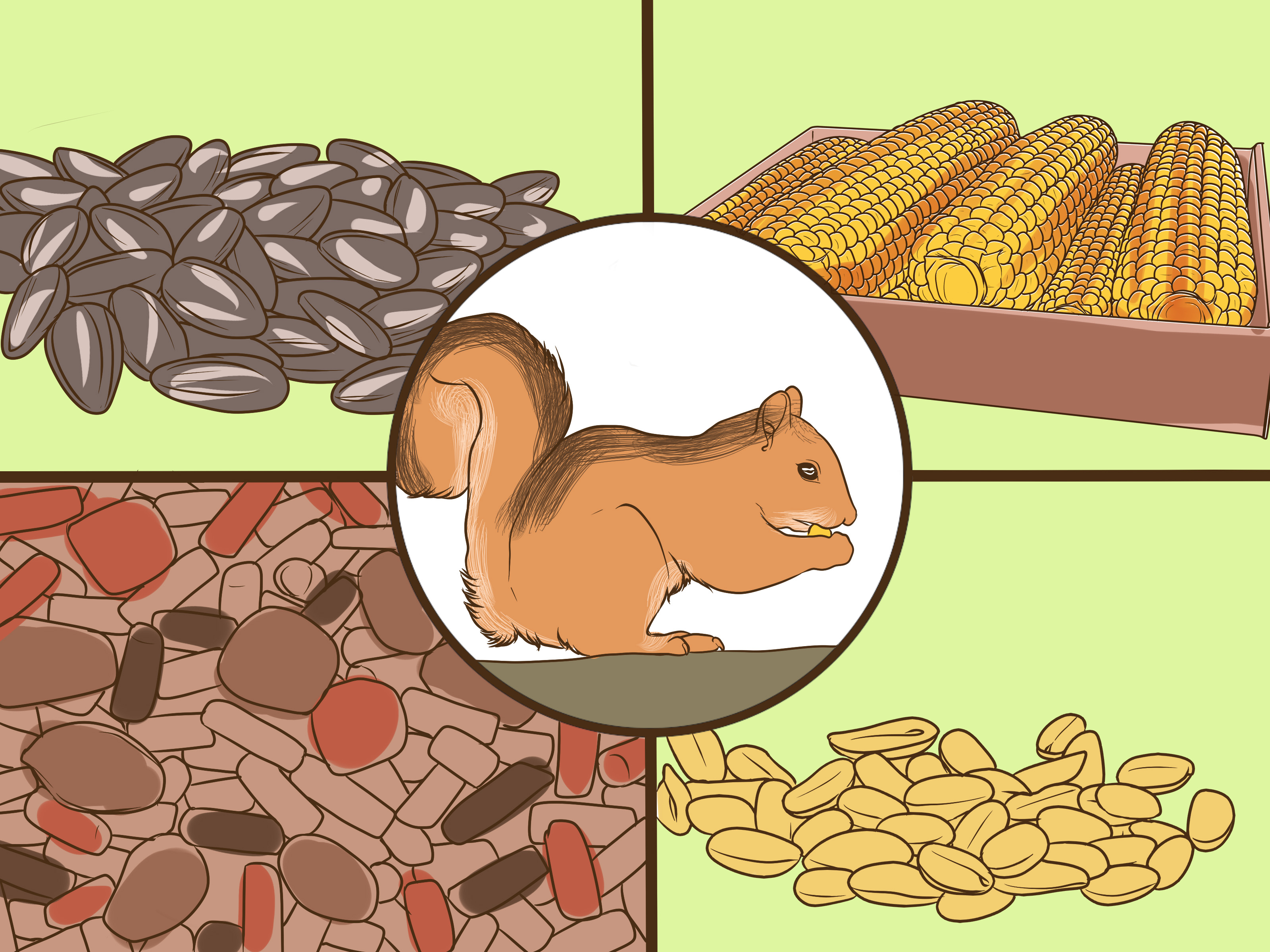
For food, keep it simple. Whole nuts in shells, unsalted nuts, small amounts of corn, sunflower seeds, apple slices, squash, and other natural foods are better than cookies, chips, bread, candy, or leftovers. Avoid salted nuts and processed foods. Also avoid overfilling the feeder. A small serving encourages natural foraging; a buffet encourages chaos, crowding, and possibly a squirrel Yelp review demanding more pecans.
1. Make a Classic Mason Jar Squirrel Feeder
Best for: Close-up squirrel watching
The mason jar squirrel feeder is one of the most popular DIY squirrel feeder plans because it creates a funny, clear viewing chamber. The squirrel climbs onto a wooden platform, reaches into the jar, and looks as if it has opened a tiny snack shop. This feeder is sturdy, reusable, and great for mounting on a fence, tree, or post.
Materials
- One 1-gallon glass jar or large mason-style jar
- One 6-foot untreated cedar or pine fence board
- Exterior wood screws
- Drill and drill bits
- Saw
- Sandpaper
- Measuring tape
How to build it
Cut a backboard about 18 to 24 inches long. Cut a base shelf wide enough to support the jar and long enough to give the squirrel a landing platform. Attach the shelf to the backboard with exterior screws. Then add two short side rails to stop the jar from rolling. The jar should sit horizontally, with its open mouth facing the platform.
Leave a little room at the mouth of the jar so the squirrel can reach in safely without getting stuck. Do not use a jar with a narrow opening. Large jars are better because they allow easy access and reduce the chance of injury. Sand all rough edges, then mount the feeder several feet above the ground on a stable fence post, tree trunk, or wooden pole.
Pro tip
Do not pack the jar full. Add a modest handful of food at a time. If rain blows into the jar, empty and dry it before refilling. Wet food can mold quickly, and nobody wants to run a squirrel restaurant with a health-code problem.
2. Build a Simple Corn Cob Feeder
Best for: The fastest backyard squirrel feeder
If you want a feeder that takes less time than making a sandwich, the corn cob feeder is the winner. It is basically a mounted spike that holds an ear of dried corn. Squirrels cling to the wood and chew the kernels off the cob. It is simple, rustic, and very effective.
Materials
- One untreated wooden board, about 12 to 18 inches long
- One long exterior screw, clean nail, or threaded hanger bolt
- Drill
- Dried corn cob
- Mounting screws
How to build it
Drill a pilot hole near the lower half of the board. Drive a long screw or hanger bolt through the board so several inches stick out from the front. This becomes the cob holder. Mount the board vertically on a tree, fence, or post, then twist the dried corn cob onto the protruding screw.
This is a great beginner project because there are no complicated cuts. The most important step is making sure the spike is secure and not sharp at an exposed angle. The corn should cover the pointed end. If children play nearby, mount the feeder away from high-traffic areas.
Pro tip
Use corn as a treat, not the entire squirrel diet. Corn is fun for squirrels to gnaw, but a healthy backyard setup should not rely on one food. Rotate occasional corn with nuts in shells, seeds, and small pieces of fruit or vegetables.
3. Create a Platform Squirrel Feeder
Best for: Feeding multiple squirrels without complicated construction
A platform feeder is simply a flat tray with raised edges. It works well for squirrels because they are comfortable sitting, standing, turning, and performing their usual dramatic snack inspections. This design is also easy to clean, which matters more than many people realize.
Materials
- One untreated wooden board for the base
- Four narrow wood strips for raised edges
- Exterior screws or nails
- Drill or hammer
- Sandpaper
- Optional: small drainage holes
How to build it
Cut a base around 10 by 12 inches. Attach narrow strips around the edge to create a shallow tray. Do not make the sides too tall; squirrels should be able to hop in and out easily. Drill a few small holes in the bottom for drainage. Sand the edges smooth, then mount the tray on a fence rail, stump, post, or sturdy tree branch.
This feeder is perfect for offering a variety of foods in small amounts. Try a few unsalted nuts in shells, a slice of apple, a small chunk of pumpkin, or sunflower seeds. Remove leftovers daily, especially fresh foods, because fruit can spoil and attract insects.
Pro tip
Place the platform feeder away from bird feeders. A separate squirrel feeding station can reduce competition, but only if it is not sitting directly under the birdseed like a furry drive-through window.
4. Make a Mini Picnic Table Squirrel Feeder
Best for: Backyard charm and funny photos
The mini picnic table feeder is the internet’s favorite squirrel feeder for one obvious reason: it makes squirrels look like tiny campers discussing mortgage rates. The design is cute, functional, and easier than it looks. It includes a small tabletop, two benches, and usually a screw in the center to hold corn or food.
Materials
- Small untreated wood scraps or craft boards
- Exterior screws
- Wood glue for temporary positioning
- Drill
- Saw
- Sandpaper
- Optional: one center screw for a corn cob
How to build it
Cut one small rectangle for the tabletop. Cut two narrower strips for benches. Use short support pieces underneath to connect the benches to the table. The structure does not need to support a human, obviously, unless you know a very tiny carpenter, but it does need to support a squirrel jumping onto it. Use screws for strength.
Attach the picnic table to a fence, tree, or deck post. If you add a center screw, use it to hold a corn cob, apple wedge, or other firm food. Keep the table level so food does not slide off. Sand everything carefully; squirrels grip with their paws and claws, so splintery edges are not welcome.
Pro tip
Mount it where you can see it from a window, but not so close that squirrels start associating your back door with snack delivery. Admire them from a distance. They are adorable, but they are still wild animals with teeth designed by nature’s hardware department.
5. Turn a Plastic Bottle Into a Gravity Squirrel Feeder
Best for: Recycling and low-cost feeding
A plastic bottle feeder is a good way to reuse a clean soda or water bottle. It works like a gravity feeder: food drops slowly through small openings as squirrels remove it. This design is light, inexpensive, and easy to replace if it wears out.
Materials
- One clean plastic bottle with cap
- Two wooden dowels or sturdy sticks
- Utility knife or scissors
- String or wire for hanging
- Small seeds, nuts, or squirrel food mix
How to build it
Wash and dry the bottle completely. Cut two small holes opposite each other near the lower third of the bottle and slide a dowel through to create a perch. Cut one or two small feeding openings just above the perch. Make the openings large enough for squirrels to reach food, but not so large that everything pours out in one dramatic snack avalanche.
Poke small holes near the top and thread wire or strong string through for hanging. Fill the bottle with a small amount of dry food, screw the cap on, and hang it from a sturdy branch or hook. Check it often. Plastic can become brittle in sun and cold, so replace it if it cracks.
Pro tip
This feeder is best for dry foods only. Do not use fresh fruit in a bottle feeder because moisture and sugar can create a sticky mess. Squirrels may be enthusiastic eaters, but they are not going to clean the bottle for you.
6. Make a Natural Pine Cone or Produce Skewer Feeder
Best for: Kids, beginners, and no-saw projects
If you want a squirrel feeder without cutting wood, try a pine cone feeder or a produce skewer feeder. These are simple, natural, and easy to refresh. They are also excellent family projects because children can help assemble them with supervision.
Materials for a pine cone feeder
- Large pine cone
- Natural twine
- Unsalted peanut butter or a wildlife-safe spread used sparingly
- Seeds or crushed unsalted nuts
Materials for a produce skewer feeder
- Natural twine or wire
- Apple slices, squash chunks, or pumpkin pieces
- Optional: a short untreated wooden dowel
How to build it
For the pine cone version, tie twine around the top of a clean pine cone. Spread a light coating of unsalted peanut butter into the scales, then roll it in seeds or crushed nuts. Hang it from a branch where squirrels can reach it safely.
For the produce skewer version, thread firm fruit or vegetable chunks onto natural twine or a wire skewer and hang it securely. Keep pieces large enough that they do not become choking hazards. Remove anything uneaten by the end of the day.
Pro tip
This feeder is temporary by design. Treat it like a seasonal snack project, not a permanent installation. It is ideal in fall when pumpkins, squash, and apples are already part of the backyard mood.
Where to Place a Squirrel Feeder
Good placement makes your feeder safer and more useful. Choose a spot away from roads, pet areas, and doors. Mount the feeder high enough that squirrels feel secure, but low enough that you can clean and refill it without inventing a new ladder-related emergency. A fence post, tree trunk, or dedicated wooden pole usually works well.
Keep squirrel feeders separate from bird feeders. If your purpose is distraction, distance matters. Place the squirrel feeder on the opposite side of the yard or at least far enough away that squirrels have a clear alternative. Also consider nearby cover. Squirrels prefer feeding spots with escape routes, such as trees or shrubs, because they are prey animals as well as seed thieves.
How to Keep a Squirrel Feeder Clean
A dirty feeder can spread disease, attract pests, and turn good intentions into a backyard problem. Clean wooden trays regularly with hot water and a brush. Let them dry fully before adding food. Empty jars and bottles if condensation appears. Remove moldy food immediately. If the feeder smells bad, looks slimy, or has mystery fuzz, it is not “aged for flavor.” It is time to clean it.
Fresh foods should be offered in tiny amounts and removed daily. Dry foods last longer, but they still need protection from rain. Drainage holes help, but they are not magic. After storms, check the feeder and replace wet food.
Common Mistakes to Avoid
Feeding too much
Overfeeding can attract too many animals and may encourage squirrels to depend on your yard. Offer small portions. Think “snack station,” not “all-you-can-eat woodland casino.”
Using salty or processed foods
Chips, crackers, candy, salted peanuts, and bread are not good choices. Stick with natural, unsalted foods. Squirrels may eat junk food, but that does not mean they should.
Placing the feeder too close to your house
Feeding squirrels near doors, windows, roofs, or attic openings can invite trouble. Keep the feeder away from structures where squirrels might nest or chew.
Ignoring local rules
Some neighborhoods, cities, or homeowner associations may restrict wildlife feeding. Check before installing a feeder, especially if you live in an area with raccoons, bears, or other wildlife that may be attracted to the same food.
of Real-World Experience: What Actually Happens When You Build a Squirrel Feeder
The first thing you learn after making a squirrel feeder is that squirrels do not need an invitation printed on handmade stationery. If the feeder contains food and is mounted in a reasonable spot, they will find it. Sometimes they find it so quickly that you suspect they were watching the construction process from a nearby branch, silently judging your screw alignment.
A mason jar feeder creates the best viewing experience, especially from a kitchen window. The squirrel usually approaches with caution, sniffs every surface, then suddenly commits to the project like a tiny explorer entering a snack cave. The funniest moment is when only the tail is visible outside the jar. However, this design also teaches the importance of using a wide-mouth jar and keeping the inside dry. If moisture builds up, the food clumps, and the jar becomes less charming very quickly.
The corn cob feeder is the easiest design to maintain, but it can create a small mess underneath. Squirrels shred kernels, drop bits of cob, and occasionally argue over ownership like they have discovered gold. Mounting it over mulch or soil makes cleanup easier than mounting it over a deck. If you use it near a patio, expect sweeping. Squirrels are delightful, but they have the table manners of confetti cannons.
The platform feeder is the most practical everyday option. It is easy to refill, easy to clean, and flexible enough for different foods. In experience, it also attracts the widest cast of characters: squirrels, chipmunks, blue jays, and sometimes a very suspicious-looking raccoon if food is left out overnight. That is why small portions matter. Feed during daylight, remove leftovers, and avoid turning your yard into a midnight diner for every animal within smelling distance.
The mini picnic table feeder wins on personality. It may not be the most efficient feeder, but it makes people laugh, and that counts for something. Place it where the background is clean if you enjoy photos. A fence line, tree trunk, or garden bed works better than a cluttered corner with hoses and trash cans. Squirrels do not care about visual composition, but your camera does.
The recycled bottle feeder is useful, but it needs regular inspection. Plastic weakens outdoors, especially in strong sun. It is best as a temporary or seasonal feeder rather than a permanent solution. The pine cone feeder is even more temporary, but it is perfect for children and quick weekend fun. It also reminds you that DIY does not always need to be complicated. Sometimes a pine cone, twine, and seeds are enough to bring a little wildlife theater to the backyard.
The biggest lesson is balance. A squirrel feeder should make wildlife watching easier without making squirrels dependent, aggressive, or too comfortable around people. Keep the feeder clean, keep portions small, rotate foods, and place it away from your home. Done well, a homemade squirrel feeder becomes one of those simple backyard projects that makes ordinary mornings more entertaining. You drink coffee. The squirrel eats breakfast upside down. Everyone wins.
Conclusion
Learning 6 ways to make a squirrel feeder gives you options for every budget, skill level, and backyard style. The mason jar feeder is perfect for close-up viewing. The corn cob feeder is fast and rustic. The platform feeder is practical and easy to clean. The mini picnic table adds humor. The plastic bottle feeder recycles household materials. The pine cone or produce skewer feeder keeps things natural and simple.
Whichever design you choose, build it with safe materials, mount it securely, and feed responsibly. Squirrels are clever, energetic, and endlessly entertaining, but they are still wild animals. A good DIY squirrel feeder respects that boundary while giving you a front-row seat to one of nature’s funniest backyard performances.