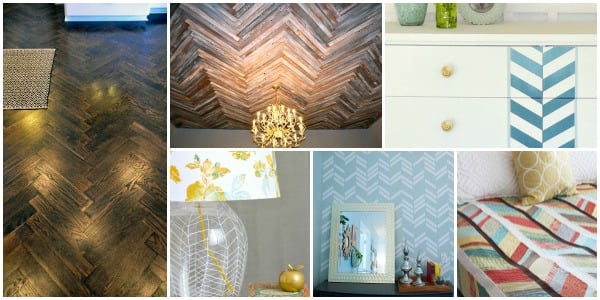
Herringbone is the design pattern that politely says, “I have taste,” without shouting across the room in a velvet blazer. Made from repeated rectangular pieces arranged in a broken zigzag, the herringbone pattern brings movement, texture, and architectural charm to almost any surface. It can feel classic in a hardwood entryway, modern on a kitchen backsplash, cozy on a wood accent wall, and surprisingly fresh on a painted table you almost donated last weekend.
The beauty of herringbone projects is that they work at many budgets and skill levels. You can hire a pro for a stunning tile shower, tackle a peel-and-stick backsplash on a Saturday, or turn scrap wood into a tabletop that looks like it belongs in a boutique furniture shop. The trick is choosing the right material, scale, and location for your home. A tight herringbone pattern adds detail to small spaces, while oversized planks or pavers make larger rooms and patios feel calm, polished, and intentional.
Below are 25 herringbone projects for your home, from beginner-friendly upgrades to renovation-worthy statement pieces. Some are practical. Some are dramatic. A few may cause guests to say, “Wait, did you hire a designer?” You do not have to correct them immediately.
Why Herringbone Works So Well in Home Design
Herringbone has lasted for centuries because it solves a design problem beautifully: it adds visual interest without relying on loud color or complicated decoration. The pattern naturally guides the eye, which can make narrow hallways feel longer, walls feel more dynamic, and ordinary surfaces look custom. Unlike chevron, where pieces are cut at angles to form sharp points, herringbone usually uses rectangular pieces set at right angles. That staggered structure gives it a slightly softer, more traditional rhythm.
For homeowners, herringbone is also wonderfully flexible. It can be made from ceramic tile, porcelain tile, marble, brick, hardwood, luxury vinyl plank, laminate, reclaimed wood, wallpaper, stencil paint, or outdoor pavers. It can be subtle when installed in tone-on-tone neutrals or bold when paired with dark grout, mixed wood tones, or contrasting colors. In other words, herringbone is not just one look. It is a design language with many accents.
25 Herringbone Projects for Your Home
1. Classic Herringbone Kitchen Backsplash
A herringbone kitchen backsplash is one of the most popular ways to use this pattern, and for good reason. Rectangular subway tiles instantly look more refined when turned into a herringbone layout. White tile with light grout feels clean and timeless, while darker grout highlights the zigzag for a bolder, more graphic effect. This project works especially well behind a range, where the pattern becomes a natural focal point.
2. Marble Herringbone Backsplash
If you want a backsplash that feels elegant but not overly formal, marble herringbone tile is a strong choice. The veining adds natural movement, while the pattern adds structure. Use honed marble for a softer, less shiny finish, or choose marble-look porcelain if you want easier maintenance. It is a lovely fit for white cabinets, brass hardware, and warm wood shelves.
3. Peel-and-Stick Herringbone Backsplash
Renters and commitment-phobes, this one is for you. Peel-and-stick herringbone backsplash panels can refresh a kitchen without mortar, grout, or the emotional journey of cutting tile. Look for heat- and moisture-resistant products, especially near sinks and cooktops. While peel-and-stick options may not have the depth of real tile, they are budget-friendly and ideal for quick makeovers.
4. Herringbone Bathroom Floor
A bathroom floor is a perfect place to use herringbone because the pattern makes a small room feel thoughtfully designed. Porcelain tile is a practical choice because it resists moisture and comes in many styles, from stone-look to wood-look finishes. For a spa-like bathroom, try soft gray, warm beige, or matte white tile. For vintage character, use black-and-white herringbone with classic fixtures.
5. Herringbone Shower Wall
A herringbone shower wall can turn a basic shower into the star of the bathroom. You can use the pattern on every wall for maximum impact or limit it to one accent wall behind the showerhead. Vertical herringbone can visually lift the ceiling, while a traditional angled layout adds energy. Use quality waterproofing behind the tile because beautiful tile is not a substitute for proper shower construction.
6. Herringbone Shower Niche
For a smaller project with big style payoff, tile the back of a shower niche in herringbone. This adds detail without overwhelming the entire bathroom. It also gives shampoo bottles a stage, which is probably more glamour than they deserve, but we support it. Choose a tile that complements the main shower wall, either by matching the color or contrasting with texture.
7. Herringbone Fireplace Surround
A fireplace is already a focal point, and herringbone makes it even stronger. Brick herringbone creates old-world warmth, while marble or ceramic tile feels cleaner and more contemporary. This project works beautifully inside a firebox, on the surround, or across the full fireplace wall. Always choose materials rated for fireplace use and follow local safety requirements.
8. Brick Herringbone Hearth
A brick herringbone hearth adds charm to living rooms, dens, and family rooms. It feels handcrafted and sturdy, especially in homes with traditional, farmhouse, cottage, or colonial-inspired style. Red brick looks classic, whitewashed brick feels relaxed, and dark brick adds drama. The pattern is visually rich, so keep the mantel styling simple to avoid design traffic jams.
9. Herringbone Hardwood Entryway
If your entryway needs a grand first impression, herringbone hardwood flooring delivers. It gives guests the feeling that the house has history, even if it was built during the era of builder-grade beige. White oak, walnut, and engineered hardwood are popular choices. Because the layout requires precise cuts and alignment, this is usually a job for skilled installers unless you are very comfortable with flooring work.
10. Luxury Vinyl Plank Herringbone Floor
Luxury vinyl plank, often called LVP, makes the herringbone floor look more accessible. Many manufacturers offer planks designed specifically for herringbone installation, which can reduce layout headaches. LVP is especially useful in busy households because it is durable, water-resistant, and easier to maintain than some natural materials. It is a practical option for kitchens, mudrooms, laundry rooms, and basements.
11. Herringbone Mudroom Floor
Mudrooms take abuse from shoes, pets, umbrellas, sports gear, and mysterious crumbs that appear from nowhere. A herringbone tile or LVP floor can handle the chaos while still looking polished. Choose medium-toned flooring or patterned stone-look tile to hide dirt between cleanings. Add a bench, hooks, and baskets, and suddenly the drop zone looks less like a tornado exhibit.
12. Herringbone Laundry Room Floor
The laundry room may not be glamorous, but a herringbone floor gives it personality. Porcelain tile is a strong choice because it handles water and heavy appliances well. Keep the color palette light if the room is small, or use slate-look tile for a moody utility space. Bonus: a beautiful floor might make laundry slightly less painful. Slightly.
13. Herringbone Wood Accent Wall
A wood herringbone accent wall adds warmth and texture to bedrooms, dining rooms, offices, and living rooms. You can use new boards, reclaimed wood, peel-and-stick wood planks, or MDF strips. The key is drawing a centerline and working outward so the pattern stays balanced. Stain the boards for rustic charm or paint them the same color as the wall for a subtle architectural effect.
14. Painted Herringbone Accent Wall
If you love the pattern but not the sawdust, try a painted herringbone wall. Painter’s tape, patience, and a good level are the main ingredients. Use two close shades for a quiet tone-on-tone look, or choose high contrast for a playful room. This idea works well in kids’ rooms, home offices, powder rooms, and small entry spaces.
15. Herringbone Wallpaper Feature Wall
Wallpaper can give you the herringbone effect with less installation drama. Grasscloth-style herringbone wallpaper adds texture, while printed designs can mimic tile, wood, or woven fabric. Peel-and-stick wallpaper is useful for renters or anyone who enjoys changing decor more often than they change passwords. Use it behind a bed, console table, or built-in shelving.
16. Herringbone Dining Tabletop
A herringbone dining tabletop can transform a plain table into a custom-looking centerpiece. Wood strips are laid in the pattern, trimmed at the edges, sanded smooth, and sealed for durability. Maple, oak, and walnut are excellent choices because they hold up well. If you are new to woodworking, practice the pattern on a smaller surface before committing to a full dining table.
17. Herringbone Coffee Table
A coffee table is a manageable DIY herringbone project because the surface area is smaller. You can update an old table with thin wood pieces, veneer strips, or even a painted stencil. Hairpin legs create a modern look, while chunky wood legs lean farmhouse. Seal the surface carefully because coffee tables must survive mugs, remotes, snacks, and the occasional dramatic board game night.
18. Herringbone Headboard
A herringbone headboard makes a bedroom feel finished without requiring a full renovation. Use wood planks for a rustic or modern organic look, then frame the edges for a clean finish. A low-contrast stain feels calm and cozy, while mixed wood tones create more energy. Pair it with simple bedding so the pattern can shine.
19. Herringbone Barn Door
Sliding barn doors already have visual presence, but a herringbone design makes them feel more custom. This project works well for pantries, laundry rooms, closets, and home offices. Paint the door black for a modern farmhouse look, white for a softer cottage feel, or natural wood for warmth. Make sure the hardware is strong enough to support the finished door.
20. Herringbone Cabinet Inserts
For a subtle upgrade, add herringbone inserts to cabinet doors. This can be done with thin wood strips, cane-style panels, or decorative molding. It is especially effective on a bathroom vanity, media cabinet, or built-in storage unit. Paint everything one color for a seamless look, or stain the insert to contrast with the cabinet frame.
21. Herringbone Tile Rug
A tile rug is a defined rectangle of patterned tile installed within a border, often in an entryway, bathroom, or kitchen. A herringbone tile rug gives you the charm of a rug without worrying about mud, water, or curled corners. Use a border tile to frame the pattern and make the design look intentional. It is a smart way to add detail without covering the entire floor.
22. Herringbone Patio Pavers
Outdoors, herringbone pavers bring structure to patios and seating areas. Brick, concrete, and clay pavers all work well, depending on your home’s style and climate. A 45-degree herringbone layout feels dynamic, while a 90-degree version looks more orderly. Proper base preparation is essential, so do not skip the gravel, sand, leveling, and edging steps unless you enjoy patios that develop surprise waves.
23. Herringbone Garden Walkway
A herringbone garden walkway adds charm to landscaping and can make even a short path feel special. Brick is a classic choice, especially near cottage gardens, colonial homes, and traditional landscapes. Concrete pavers offer more color and size options. Because walkway edges require cuts, plan the layout before laying materials and buy a little extra for waste.
24. Herringbone Outdoor Fireplace or Grill Area
If you have an outdoor kitchen, grill station, or fireplace, herringbone brick or tile can make the area feel designed rather than assembled. Use it behind a grill, inside a fireplace, or as a backsplash along an outdoor counter. Select weather-resistant materials and outdoor-rated mortar or adhesive. The result feels upscale and durable, which is exactly what outdoor entertaining spaces need.
25. Herringbone Decorative Tray or Wall Art
Not every herringbone project needs a contractor, a tile saw, or a household budget meeting. A decorative tray, framed wood panel, or small piece of herringbone wall art is a great beginner project. Use scrap wood, paint sticks, craft boards, or peel-and-stick tile. These smaller projects let you test colors and finishes before using herringbone in a larger room.
How to Choose the Right Herringbone Project
Match the Scale to the Room
Small herringbone patterns work beautifully in compact areas like backsplashes, niches, and powder rooms. Larger planks or pavers are better for floors, patios, and accent walls because they prevent the pattern from feeling too busy. If the room already has bold wallpaper, colorful cabinets, or dramatic stone, keep the herringbone material simple.
Think About Maintenance
More pattern can mean more grout lines, especially with small tile. That is not a dealbreaker, but it does matter in kitchens, showers, and mudrooms. Choose stain-resistant grout, seal natural stone when needed, and use durable materials in high-traffic areas. A herringbone marble backsplash is gorgeous, but a spaghetti sauce splash does not care about your design dreams.
Decide Between DIY and Professional Installation
Painted walls, peel-and-stick panels, trays, headboards, and small furniture pieces are approachable DIY projects. Tile showers, hardwood floors, fireplace surrounds, and patios require more precision and may be better left to professionals. Herringbone is less forgiving than straight layouts because small mistakes become obvious as the pattern grows.
Design Tips for a Beautiful Herringbone Finish
Start With a Centerline
Whether you are installing tile, wood, or pavers, a centerline helps keep the design balanced. Start in the most visible area and work outward. This prevents awkward slivers or uneven angles from stealing attention.
Use Borders When Needed
Borders can make herringbone look cleaner, especially on floors, tabletops, patios, and tile rugs. A simple frame around the pattern hides cut edges and gives the project a finished, intentional look.
Choose Grout Carefully
Grout color changes the entire personality of herringbone tile. Matching grout softens the pattern and feels elegant. Contrasting grout emphasizes the geometry and creates a bolder statement. For bathrooms and kitchens, stain-resistant grout is worth considering.
Balance Pattern With Simplicity
Herringbone already has movement, so give it breathing room. Pair a herringbone backsplash with simple countertops, or balance a herringbone floor with quiet walls. The goal is charm, not visual jazz hands in every corner.
Common Mistakes to Avoid
One common mistake is choosing materials that are too small for a large space. Tiny tiles across a large floor can feel busy and increase grout maintenance. Another mistake is skipping layout planning. Dry-fit tile, planks, or pavers before installation so you can see how the pattern lands at edges and corners.
Homeowners also sometimes underestimate labor. Herringbone projects often involve more cuts, more measuring, and more patience than straight-set patterns. Budget extra time and material. For tile and flooring, ordering 10 to 15 percent extra is often wise because angled layouts create more waste than simple rows.
Finally, avoid using herringbone everywhere at once. A herringbone backsplash, floor, shower, fireplace, and accent wall in the same visual zone can make the house feel like it lost a bet with a geometry teacher. Pick one or two statement areas and let them shine.
Real-Home Experience: What Herringbone Projects Teach You
After looking at many herringbone projects in real homes, one lesson becomes clear: the pattern rewards planning more than speed. Herringbone is not the design choice for someone who wants to “just eyeball it” and hope for the best. The first few pieces determine the entire rhythm, so careful measuring at the beginning saves a lot of frustration later. On a backsplash, that means finding the visual center behind the range or sink. On a tabletop, it means marking a centerline and checking that each strip mirrors the next. On a patio, it means preparing the base properly before the pretty part begins.
Another experience homeowners often share is that herringbone looks more expensive than it has to be. A standard white subway tile can feel custom when installed in a herringbone pattern. Inexpensive wood strips can look high-end when sanded, framed, and sealed well. Even peel-and-stick wallpaper can create the feeling of architectural detail from across the room. The pattern does a lot of visual heavy lifting, which is great news for anyone decorating on a realistic budget.
However, herringbone also teaches humility. Cuts matter. Corners matter. Adhesive open time matters. If you rush, the pattern may start to drift, and once it drifts, your eye will find the mistake every time you walk into the room. This is why small projects are excellent practice. A tray, headboard, or painted wall can help you understand the rhythm before you move on to tile or flooring.
Material choice is another major lesson. In wet areas, porcelain tile is often easier to live with than porous natural stone. In busy family spaces, luxury vinyl plank may be more practical than delicate hardwood. Outdoors, pavers need a stable base and proper drainage. The prettiest herringbone project is still a disappointment if it chips, stains, shifts, or becomes difficult to maintain.
The best herringbone projects also fit the personality of the home. A historic house may look wonderful with brick or oak herringbone. A modern home may benefit from oversized porcelain tile or a tone-on-tone painted wall. A cozy cottage might call for reclaimed wood. The pattern is flexible, but it should feel connected to the rest of the space.
Most importantly, herringbone projects prove that detail can change how a room feels. A laundry room becomes cheerful. A fireplace feels intentional. A hallway gets a sense of direction. A kitchen backsplash becomes more than a wipeable surface behind the stove. Good design is often not about adding more things; it is about arranging simple things in a smarter way. Herringbone does exactly that, one angled piece at a time.
Conclusion
Herringbone is one of those rare design patterns that can look historic, modern, rustic, elegant, or playful depending on how you use it. From kitchen backsplashes and bathroom floors to wood accent walls, outdoor patios, furniture makeovers, and small decorative projects, it offers a polished look without feeling trendy for only five minutes. The key is to choose the right scale, material, and location for your home.
If you are new to herringbone, start small with a tray, painted wall, peel-and-stick backsplash, or coffee table. If you are ready for a bigger transformation, consider a shower wall, fireplace surround, hardwood entryway, or patio paver layout. Either way, the pattern brings movement and craftsmanship to everyday spaces. And honestly, anything that can make a laundry room feel exciting deserves applause.
Note: This article is written for web publishing in clean HTML body format and is based on widely used home design, renovation, tile, flooring, woodworking, and outdoor hardscape practices.