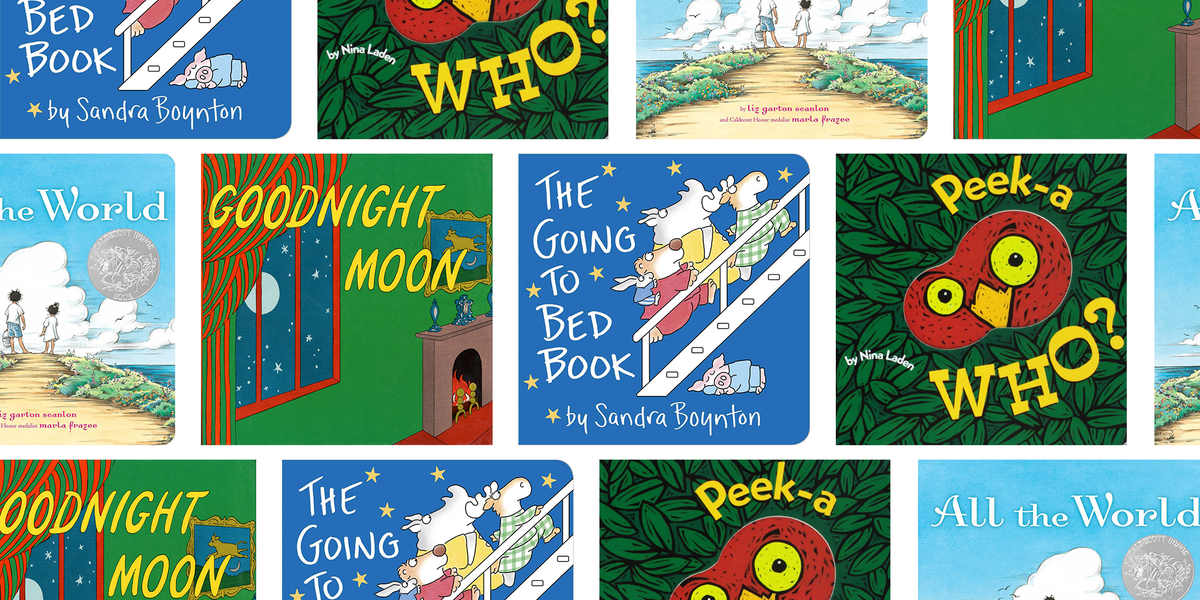
Choosing the best baby books for a child’s first year sounds adorable until you realize your baby may treat literature like a chew toy, drum set, and tiny cardboard gym mat. That is normal. In fact, for babies, reading begins long before they understand plots, characters, or why the cow in every children’s book seems to have such a demanding public schedule.
During the first year, books are less about “teaching reading” and more about building rhythm, comfort, bonding, language exposure, visual curiosity, and the habit of snuggling up with stories. The right baby books are sturdy, simple, colorful, rhythmic, and easy for tired adults to read without needing a second cup of coffee. Some books help newborns focus on high-contrast images. Others invite 6-month-olds to grab, mouth, slap, and flip pages. By the first birthday, many babies are pointing, babbling, laughing at repeated sounds, and demanding the same book seventeen times in a row like a tiny literary critic with no concern for your schedule.
This guide rounds up 50 excellent baby books for the first year, including board books, bedtime classics, high-contrast books, sensory favorites, first-word books, rhyming read-alouds, diverse family stories, and gentle picture books that can grow with your child. Use it as a baby registry list, a first library checklist, or a gift guide for a new parent who already has enough onesies to clothe a small moon colony.
Why Baby Books Matter in the First Year
Reading aloud to babies supports early language development, emotional connection, listening skills, and routine-building. Babies love hearing familiar voices, watching facial expressions, and feeling close to caregivers. Even when they are too young to understand the story, they are learning the music of language: pauses, tones, repeated phrases, funny sounds, and the cozy expectation that books mean attention and affection.
The best baby books for the first year usually share a few qualities. They are durable enough to survive enthusiastic page-turning. They use bold images, simple words, rhyme, repetition, or predictable patterns. Many include babies, animals, bedtime scenes, body parts, family routines, vehicles, food, or everyday objects. In other words, they connect books to the world your baby is already trying to decodeone sock, spoon, dog, and suspiciously fascinating ceiling fan at a time.
How to Choose the Best Baby Books by Age
Birth to 3 Months: High Contrast, Faces, and Voice
Newborns are drawn to faces, strong contrast, and the sound of a caregiver’s voice. Look for black-and-white books, simple shapes, soft books, and short read-alouds. Do not worry about finishing a book. At this stage, three calm minutes can count as a beautiful reading session.
3 to 6 Months: Touch, Rhythm, and Routine
As babies become more alert, they may reach for books, kick with excitement, stare at pictures, or try to taste the corner. Choose sturdy board books, rhythmic stories, and books with familiar objects. Bedtime books become especially useful because repeated routines help signal that the day is winding down.
6 to 9 Months: Flaps, Sounds, and Participation
By midyear, babies often enjoy peekaboo, lift-the-flap books, animal noises, mirrors, and pages they can help turn. Repetition is your friend. Yes, you may read the same page repeatedly. No, your baby does not care that you know the ending.
9 to 12 Months: First Words, Pointing, and Favorites
Older babies may point, clap, babble, imitate sounds, and recognize favorite images. First-word books, animal books, body-part books, and predictable rhymes work beautifully. This is also when beloved books can become part of family culturethe ones you can recite in the dark while locating a pacifier with your foot.
50 Best Baby Books for Their First Year
Best High-Contrast and Newborn-Friendly Books
- Look, Look! by Peter Linenthal A bold black-and-white board book designed for young babies who are just beginning to focus on simple images.
- Black on White by Tana Hoban Simple silhouettes make this a strong choice for newborn visual development and quiet lap time.
- White on Black by Tana Hoban A companion high-contrast book with clear shapes that babies can study from close range.
- Baby Faces by Margaret Miller Babies love looking at other babies. This book gives them expressive faces to study, copy, and enjoy.
- Global Babies by The Global Fund for Children A beautiful photo board book featuring babies around the world, perfect for early face recognition and inclusive first-library building.
Best Books About Babies, Bodies, and Everyday Life
- Everywhere Babies by Susan Meyers A warm celebration of babies being fed, rocked, carried, loved, and admired, as they should be.
- Ten Little Fingers and Ten Little Toes by Mem Fox and Helen Oxenbury Gentle rhyme, sweet illustrations, and a comforting message make this a first-year favorite.
- Hello, Baby! by Mem Fox and Steve Jenkins A lively animal guessing book with bold art and a satisfying read-aloud rhythm.
- Baby! Talk! by Penny Gentieu Photographs of babies paired with simple language make it great for early imitation and conversation.
- Where Is Baby’s Belly Button? by Karen Katz A lift-the-flap classic that turns body parts into a cheerful game.
Best Peekaboo and Lift-the-Flap Books
- Peek-a Who? by Nina Laden Short, punchy, and funny, this book is ideal for babies who love surprise sounds.
- Where’s Spot? by Eric Hill A classic lift-the-flap search story that keeps babies engaged without overwhelming them.
- Dear Zoo by Rod Campbell Repetition, animals, and flaps make this a reliable crowd-pleaser for babies nearing toddlerhood.
- Pat the Bunny by Dorothy Kunhardt A vintage touch-and-feel book that invites babies to interact with the page.
- That’s Not My Puppy… by Fiona Watt and Rachel Wells Textures, repetition, and a simple search pattern make this sensory series a strong first-year pick.
Best Rhyming and Repetitive Read-Alouds
- Brown Bear, Brown Bear, What Do You See? by Bill Martin Jr. and Eric Carle Color, animals, repetition, and rhythm combine into one of the most dependable baby read-alouds ever.
- Moo, Baa, La La La! by Sandra Boynton Silly animal sounds make babies grin and adults perform barnyard theater with dignity.
- But Not the Hippopotamus by Sandra Boynton A funny, bouncy book about joining in, perfect for short attention spans.
- Pajama Time! by Sandra Boynton Musical, goofy, and bedtime-friendly, this book turns getting ready for sleep into a tiny party.
- Jamberry by Bruce Degen A joyful rhyme explosion with berries, bears, and enough wordplay to make repeated readings fun.
Best Bedtime Baby Books
- Goodnight Moon by Margaret Wise Brown and Clement Hurd The ultimate quiet bedtime book, full of soft repetition and sleepy rhythm.
- The Going-To-Bed Book by Sandra Boynton A compact bedtime routine with animals, pajamas, and a wonderfully silly exercise moment.
- Llama Llama Nighty-Night by Anna Dewdney A short, comforting board book for babies who enjoy familiar bedtime steps.
- Good Night, Gorilla by Peggy Rathmann Almost wordless, gently funny, and perfect for pointing, noticing, and whisper-reading.
- Time for Bed by Mem Fox and Jane Dyer A soothing animal bedtime book with calm language and tender illustrations.
Best Classics That Grow With Baby
- The Very Hungry Caterpillar by Eric Carle Colors, counting, food, days of the week, and a caterpillar with impressive snack ambition.
- The Snowy Day by Ezra Jack Keats A quiet, beautiful story that babies can enjoy for its art and toddlers can later understand as an adventure.
- The Runaway Bunny by Margaret Wise Brown and Clement Hurd A tender story of love and reassurance that works well as a calm read-aloud.
- Big Red Barn by Margaret Wise Brown Farm animals, gentle rhythm, and a peaceful ending make this a cozy choice.
- Corduroy by Don Freeman Slightly longer than many baby books, but wonderful as a read-aloud that grows with your child.
Best First-Word and Concept Books
- First 100 Words by Roger Priddy Bright photographs and labeled objects help babies connect words to familiar things.
- First 100 Animals by Roger Priddy Great for animal sounds, pointing practice, and early vocabulary.
- Baby Signs by Joy Allen A simple introduction to common signs that can support early communication before spoken words fully arrive.
- Freight Train by Donald Crews Bold colors, clean design, and simple train vocabulary make this a standout concept book.
- Chicka Chicka Boom Boom by Bill Martin Jr. and John Archambault Babies may not learn the alphabet instantly, but they will enjoy the chant-like rhythm.
Best Animal, Vehicle, and Action Books
- The Very Busy Spider by Eric Carle Repetition, animals, and tactile web elements make this engaging for curious little hands.
- Little Blue Truck by Alice Schertle and Jill McElmurry Friendly animals, vehicle sounds, and a message about helping others give it long shelf life.
- Where Do Diggers Sleep at Night? by Brianna Caplan Sayres and Christian Slade Ideal for babies who love trucks, wheels, and dramatic bedtime yawns.
- Gossie by Olivier Dunrea A small gosling, bright boots, and simple storytelling make this charming for babies and young toddlers.
- I Am a Bunny by Ole Risom and Richard Scarry A gentle seasonal book with lovely illustrations and calm pacing.
Best Love, Family, and Feelings Books
- Guess How Much I Love You by Sam McBratney and Anita Jeram A sweet expression of parent-child love, especially nice for quiet evenings.
- I Love You Through and Through by Bernadette Rossetti Shustak and Caroline Jayne Church Simple language reassures babies that every mood and wiggle is loved.
- Little You by Richard Van Camp and Julie Flett A poetic, tender board book with warm illustrations and a heartfelt tone.
- My Heart Fills with Happiness by Monique Gray Smith and Julie Flett A short, beautiful book about everyday joys, family warmth, and gratitude.
- Full, Full, Full of Love by Trish Cooke and Paul Howard A joyful family meal story full of affection, rhythm, and delicious sensory details.
Best Diverse, Bilingual, and Joyful First-Year Picks
- Besos for Baby by Jen Arena and Blanca Gómez A playful bilingual board book that introduces Spanish words through kisses, family, and affection.
- Please, Baby, Please by Spike Lee, Tonya Lewis Lee, and Kadir Nelson Expressive, rhythmic, and funny, this book captures the busy energy of baby life.
- Woke Baby by Mahogany L. Browne and Theodore Taylor III A bold, loving celebration of baby strength, voice, and presence.
- Whose Knees Are These? by Jabari Asim and LeUyen Pham A playful body-part book with rhyme, movement, and warm baby-centered joy.
- Hush Little Baby illustrated by Sylvia Long A gentle version of the traditional lullaby with soft, nature-inspired illustrations.
What Makes a Baby Book Truly Great?
A great baby book does not need a complicated story. In the first year, the best books often do one simple thing extremely well. They create a reason to look, listen, touch, smile, or snuggle. High-contrast books support visual attention. Lift-the-flap books teach anticipation. Rhyming books help babies hear the sound patterns of language. Photo books support recognition. Bedtime books help families build predictable routines. Diverse books show babies that families, faces, languages, and communities come in many beautiful forms.
Durability matters too. Babies are not gentle archivists. They bend pages, gum corners, drop books from high chairs, and test gravity with alarming scientific commitment. Board books, cloth books, bath books, and padded books are practical choices. Save delicate picture books for supervised lap reading, and keep a basket of sturdy books where your baby can explore independently.
Tips for Reading to Your Baby in the First Year
Start small. One book, one page, or one minute is enough on busy days. Hold your baby close so they can hear your voice and see your face. Use expression, animal sounds, pauses, and pointing. Let your baby turn pages out of order. Let them chew safe board books. Let them stare at one picture for a surprisingly long time. Shared reading is not a school lesson; it is a relationship moment.
Try building books into routines you already have. Read one short book after a diaper change, before a nap, after bath time, or while waiting for a bottle to warm. Keep books in multiple places: beside the rocking chair, near the play mat, in the diaper bag, and by the crib. When books are visible and reachable, reading becomes less of a grand project and more of a normal part of the day.
First-Year Baby Reading Experiences: What It Really Feels Like
Reading with a baby in the first year is sweet, funny, and occasionally humbling. Many parents imagine a peaceful scene: soft lamp, cozy blanket, baby gazing lovingly at each page. Sometimes that happens. Other times, the baby grabs the book, turns it upside down, tries to eat the bunny, and then becomes deeply offended when the book cannot be worn as a hat. This is still reading. Babies learn through their senses, and books are fascinating objects before they become stories.
In the newborn months, the experience often feels more like reading to yourself with an adorable witness. Your baby may stare at your face, drift to sleep, or look away after a minute. That does not mean the effort is wasted. Your voice is the main event. The book gives you words when your tired brain can only produce sentences like “Hello, small potato, why are we awake?” A short high-contrast book or a lullaby-style story can turn a restless moment into a calmer one.
Around 3 to 6 months, reading becomes more interactive. Babies may kick, coo, pat the page, or widen their eyes at bold pictures. This is a wonderful time to exaggerate sounds. The cow can moo. The sheep can baa. The truck can beep. The adult can discover previously unknown acting skills. Rhyming books are especially fun because babies respond to the bounce of language even before they know what the words mean.
From 6 to 9 months, many babies become page-turning assistants. They may not turn pages in order, but they bring passion to the job. Lift-the-flap books, touch-and-feel books, and peekaboo books often become favorites. Babies at this age love cause and effect: open flap, find puppy; turn page, hear silly sound; point at baby face, watch grown-up smile. This is when reading can feel less like performance and more like conversation.
By 9 to 12 months, babies often show strong preferences. One baby may want Goodnight Moon every night. Another may only care about books with dogs. Another may point to First 100 Words as if preparing for a vocabulary exam. Repetition can test adult patience, but it is powerful for babies. Familiar books help them predict what comes next, recognize patterns, and feel secure. When a baby claps before the funny page or babbles during a repeated line, that is early literacy in action.
The biggest lesson from the first year is this: reading does not have to be perfect to matter. You can skip pages. You can read while the laundry waits. You can make up words when you are too sleepy to focus. You can stop after two minutes. What matters is the shared attention, the warmth, the rhythm, and the message your baby receives again and again: books are safe, books are fun, and stories happen with people who love me.
Conclusion
The best baby books for the first year are not just cute objects on a nursery shelf. They are tools for bonding, language, comfort, curiosity, and routine. A thoughtful first library should include high-contrast books for newborns, sturdy board books for grabby hands, rhythmic read-alouds for language play, bedtime stories for calm evenings, and diverse books that reflect a wide, welcoming world.
You do not need all 50 books at once. Start with a few strong choices: one high-contrast book, one bedtime classic, one silly rhyming book, one first-word book, and one interactive flap or texture book. Then follow your baby’s interests. If they laugh at animals, add more animals. If they point at trucks, bring on the diggers. If they adore baby faces, stock the shelf with photo books. The best baby library is not the fanciest oneit is the one that gets opened, chewed, loved, repeated, and remembered.