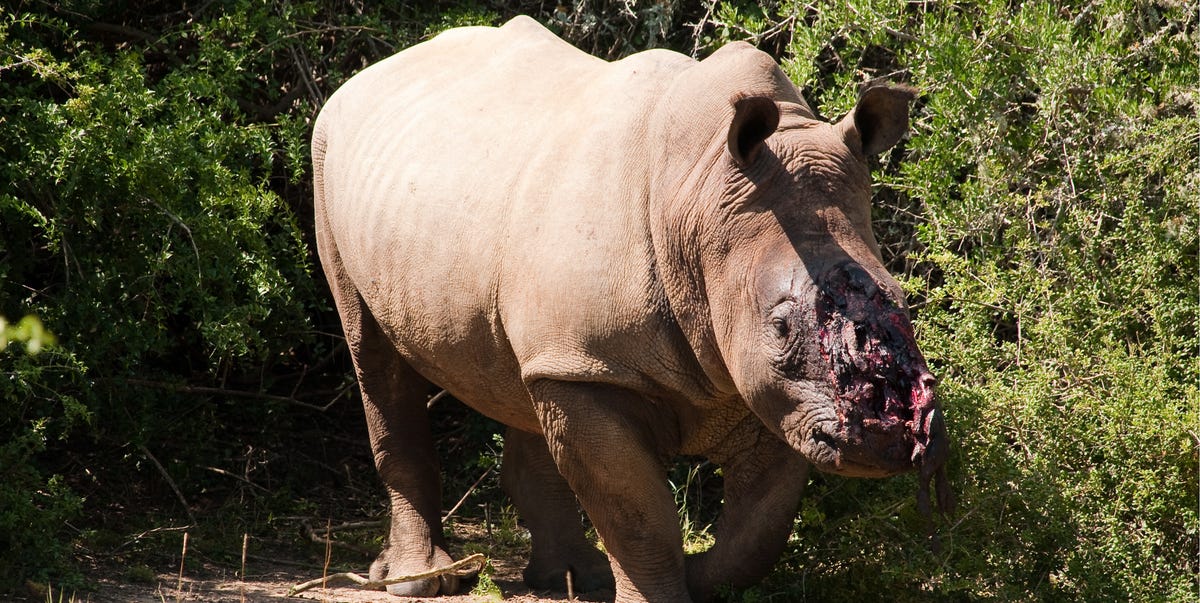
For decades, wildlife protection has looked a little too much like a very unfair game of hide-and-seek. Poachers move at night, cross huge landscapes, exploit gaps in law enforcement, and target animals that cannot exactly file a police report. Rangers, meanwhile, are often asked to protect thousands of acres with limited staff, aging vehicles, patchy radio coverage, and the kind of budget that makes a school bake sale look luxurious.
But the story is changing. The technology that will finally stop poachers is not one magical gadget with a cape and a dramatic soundtrack. It is a connected system: artificial intelligence, thermal cameras, drones, acoustic sensors, satellite tracking, smart patrol software, forensic tools, and online trafficking detection working together like a conservation version of mission control. The goal is simple: help rangers find threats earlier, patrol smarter, protect animals faster, and disrupt the criminal networks that profit from illegal wildlife trade.
Poaching is no longer just a local problem involving a few people sneaking into a reserve. In many regions, it is tied to organized trafficking networks that move ivory, rhino horn, pangolin scales, exotic birds, reptiles, timber, and other wildlife products across borders. That means anti-poaching technology must do more than guard a fence. It has to connect the field, the lab, the border checkpoint, the courtroom, and even the internet marketplace.
Why Traditional Anti-Poaching Methods Are Not Enough
Classic anti-poaching work still matters. Boots on the ground, ranger patrols, community relationships, trained dogs, informants, and strong laws are the backbone of wildlife protection. No drone has ever replaced the judgment of an experienced ranger who knows the difference between normal animal movement and suspicious silence in the bush. Technology should support that wisdom, not strut in wearing sunglasses and pretend it invented conservation.
The challenge is scale. Protected areas can cover forests, savannas, wetlands, mountains, and coastlines that are difficult to monitor. Poachers may enter at night, use remote routes, or target animals during predictable movement patterns. Rangers cannot be everywhere at once. Even when camera traps collect valuable images, someone has to sort through mountains of photos, many of which feature the thrilling wildlife drama known as “wind moving grass.”
This is where modern conservation technology becomes powerful. It turns scattered data into useful decisions. Instead of reacting after an animal is killed, conservation teams can predict high-risk zones, receive real-time alerts, and use evidence to break trafficking chains. In other words, technology moves anti-poaching from “we found the problem too late” to “we saw the risk coming.” That is a very big upgrade.
AI Camera Traps: The Eyes That Do Not Blink
Camera traps have been part of wildlife research for years. They quietly capture photos or videos when animalsor peoplemove past them. The old problem was volume. A large project might generate millions of images, and humans had to review them manually. That is useful science, but it can also feel like watching the world’s slowest slideshow while your coffee gives up hope.
Artificial intelligence changes the workflow. AI-powered platforms can help identify species, separate empty images from useful ones, flag human activity, and organize data faster. Tools connected to camera traps can help conservationists monitor endangered animals, track population changes, and notice suspicious movement near sensitive areas. Instead of waiting weeks or months for image review, teams can get useful insights much sooner.
Some real-time camera systems are designed to send alerts when they detect people, vehicles, or high-risk activity in restricted zones. This matters because speed is everything. A photo discovered three weeks later is research. A photo delivered within moments can become prevention. When alerts reach rangers quickly, teams can respond before poaching happens, rather than documenting tragedy after the fact.
Thermal Imaging: Seeing Trouble in the Dark
Many poaching attempts happen at night, when darkness provides cover. Thermal imaging cameras help remove that advantage by detecting heat signatures. These systems can be mounted on vehicles, towers, drones, or mobile units to help identify movement in low-light conditions. For rangers protecting rhinos, elephants, big cats, or other high-value species, nighttime visibility can be a game changer.
Thermal cameras are especially useful in wide-open landscapes and along known entry routes. They can help teams detect suspicious movement without relying on spotlights or guesswork. Combined with mapping software and radio communication, thermal alerts can guide rangers toward the right area more efficiently. The result is not just better detection; it is safer decision-making.
Of course, thermal imaging is not perfect. Animals, weather, vegetation, terrain, and equipment limitations can complicate detection. A warm rock, a wandering antelope, or a ranger’s lunch thermos should not trigger a full dramatic chase scene. That is why thermal systems work best when combined with trained operators, AI filtering, ground knowledge, and responsible field protocols.
Drones: Aerial Support Without the Hollywood Nonsense
Drones often get described as the superhero of anti-poaching technology. They can be helpful, but let’s not get carried away. A drone is not a magic eagle with Wi-Fi. It has battery limits, weather limits, legal restrictions, maintenance needs, and a strong personal dislike of crashing into trees.
Still, drones can give rangers a valuable aerial view of difficult terrain. They can support wildlife surveys, inspect remote areas, monitor boundaries, and provide thermal imaging from above. In landscapes where roads are poor or visibility is limited, drone footage can help teams understand what is happening without sending people blindly into risky situations.
The best use of drones is not random flying. It is targeted deployment. When data from sensors, patrol reports, or camera traps suggests unusual activity, drones can help verify what is happening. They are most effective when they are part of an integrated system, not treated as expensive toys with propellers and a conservation-themed LinkedIn profile.
SMART Patrol Software and Predictive AI
One of the most important developments in anti-poaching technology is less flashy than a drone but arguably more powerful: smarter patrol planning. Software platforms can help rangers record patrol routes, wildlife sightings, snares, illegal entry signs, and incidents. Over time, this creates a map of risk.
SMART conservation tools and predictive systems such as PAWS use data to help teams decide where patrols are most needed. Rather than walking the same routes out of habit, rangers can focus on zones where poaching risk is higher. Machine learning models can analyze patterns related to terrain, past incidents, access points, water sources, animal movement, and patrol history.
This matters because conservation resources are limited. If a protected area has too few rangers for too much land, every patrol decision counts. Predictive technology helps turn experience into strategy. It does not replace field knowledge; it gives field teams a sharper map.
Acoustic Sensors: Listening for the Forest’s Warning Bells
Some threats are heard before they are seen. Acoustic sensors can monitor sound in forests and protected areas, helping detect chainsaws, vehicles, gunshots, or unusual human activity. They can also record wildlife calls, which helps researchers understand species presence and behavior. In dense forests, where visibility is limited, sound can become an early warning system.
AI can process audio recordings far faster than humans can. Instead of asking someone to listen to endless hours of jungle noisewhich sounds romantic until hour seven of insects, wind, and one extremely confident birdmachine learning tools can flag sounds that deserve attention. This allows conservation teams to respond faster and collect evidence more efficiently.
Acoustic monitoring also supports broader conservation goals. It can reveal biodiversity patterns, habitat health, and changes in animal activity. A quiet forest may signal trouble. A noisy forest may signal life. Either way, the data helps managers understand what is happening beyond the visible trail.
Satellite Tracking and GPS Collars
For highly threatened species, satellite tags and GPS collars can provide crucial movement data. Elephants, rhinos, big cats, sea turtles, sharks, and other vulnerable animals can be monitored to understand migration routes, habitat use, and danger zones. When an animal suddenly stops moving or enters a high-risk area, conservation teams may receive an alert.
This technology helps protect individual animals while also improving long-term conservation planning. Movement data can guide the creation of wildlife corridors, reduce conflict between animals and people, and identify areas where patrols should be strengthened. It can also support rescue efforts when animals move near farms, roads, or settlements.
However, tracking devices must be used carefully. Collaring animals requires veterinary expertise, ethical review, and secure data handling. Location information should be protected because the same data that helps conservationists could be dangerous if misused. In wildlife protection, data security is not a boring IT detail; it can be a life-or-death issue for animals.
Online Trafficking Detection: Fighting the Market, Not Just the Poacher
Stopping poaching at the source is essential, but poaching is driven by demand. Illegal wildlife products often move through online marketplaces, social media, messaging apps, and private networks. If enforcement focuses only on the person entering the forest, the larger criminal business may continue elsewhere.
Technology can help detect suspicious online listings, identify trafficking patterns, and support investigations. AI tools can scan text, images, and behavior signals to flag possible wildlife crime. Partnerships among conservation groups, technology companies, law enforcement, and trade-monitoring organizations are increasingly important because wildlife trafficking has moved into the digital age.
Think of it this way: if poaching is a fire, online demand is part of the oxygen. Rangers can put out flames in the field, but enforcement also needs to reduce the market that keeps the fire burning. Digital monitoring helps conservationists and authorities follow the money, the listings, and the networks behind the crime.
Wildlife Forensics: Making Evidence Stronger
Another powerful tool is wildlife forensics. DNA testing, isotope analysis, and species identification can help prove where illegal wildlife products came from and what species were involved. This is critical for prosecutions. A seized shipment is not just a pile of evidence; it must be scientifically identified and legally connected to a crime.
DNA can help determine whether ivory came from forest elephants or savanna elephants, whether meat belongs to a protected species, or whether a product is falsely labeled. Forensics can also reveal trafficking routes and repeat crime patterns. In court, strong scientific evidence can turn suspicion into a case that holds up.
Technology does not stop at the park boundary. It follows the chain from animal to product to trafficker. That is how conservation moves from chasing symptoms to dismantling systems.
Community Technology: The Human Network Still Wins
Here is the part that every shiny gadget brochure should print in bold: technology works best when local communities are involved. People living near protected areas often know the landscape better than anyone. They understand seasonal movement, unusual activity, local pressures, and social dynamics. When communities benefit from conservation and trust enforcement, anti-poaching efforts become far stronger.
Mobile apps, reporting hotlines, community ranger programs, digital payment systems, and conservation education tools can help local residents participate safely. Technology can support community-based monitoring, but it should not become surveillance without consent or benefit. Ethical conservation means protecting wildlife while respecting people.
Poaching is often connected to poverty, corruption, demand, weak enforcement, and lack of opportunity. A camera cannot solve all of that. But technology combined with jobs, education, fair tourism revenue, and local leadership can reduce the incentives that make poaching attractive in the first place.
The Future: Connected Conservation Systems
The future of anti-poaching is not one device. It is connected conservation. Imagine a protected area where AI camera traps detect unusual movement, acoustic sensors flag suspicious sounds, satellites monitor animal movement, drones verify remote alerts, and patrol software recommends the safest response route. Meanwhile, online monitoring helps investigators track illegal trade, and forensic labs strengthen legal cases.
That is the direction conservation is moving. The best systems will combine edge computing, solar-powered sensors, low-bandwidth communication, secure data platforms, and practical field design. They will work in places where electricity is unreliable, internet coverage is limited, and dust treats electronics like a personal enemy.
There will also be more emphasis on privacy, transparency, and accountability. Wildlife surveillance technology can accidentally capture images or data about people. Conservation groups must be clear about how data is collected, who can access it, and how it is used. Protecting animals should not mean ignoring human rights.
Will Technology Finally Stop Poachers?
The honest answer is: technology alone will not stop poachers. But technology plus trained rangers, strong laws, community partnerships, ethical data use, and reduced demand can dramatically change the fight. It can make poaching riskier, detection faster, prosecutions stronger, and wildlife protection more proactive.
Poachers have long benefited from darkness, distance, confusion, and delay. Modern conservation technology attacks all four. Thermal cameras reduce darkness. Drones and satellites reduce distance. AI reduces confusion. Real-time alerts reduce delay. Add community trust and legal enforcement, and suddenly the old hide-and-seek game becomes much harder for the people doing the hiding.
The future of wildlife protection will not look like a sci-fi movie. It will look like rangers with better information, communities with stronger roles, investigators with better evidence, and animals with a better chance of surviving the night. That may not come with dramatic theme music, but for elephants, rhinos, pangolins, tigers, sea turtles, and countless other species, it is exactly the kind of ending worth fighting for.
Experience-Based Reflections: What Anti-Poaching Technology Feels Like in the Real World
Reading about anti-poaching technology from a desk is one thing. Imagining how it works in the field is another. The real world is messy. It has mud, dead batteries, nervous animals, tired rangers, broken roads, surprise rain, and equipment manuals that somehow become less helpful the moment you actually need them. That is why the best conservation technology is not necessarily the fanciest. It is the tool that works when the weather is rude, the terrain is unforgiving, and the nearest repair shop is several hours away.
One practical lesson from conservation work is that technology must earn trust. Rangers do not need another device that looks impressive during a donor presentation but fails during a night patrol. They need tools that are rugged, simple, repairable, and genuinely useful. A sensor that sends clear alerts is valuable. A platform that requires perfect internet in a remote reserve may become a very expensive paperweight. In the field, reliability beats glamour every time.
Another important experience is that data can overwhelm teams if it is not organized well. Camera traps, drones, GPS collars, and acoustic monitors can produce huge amounts of information. Without AI filtering and smart dashboards, conservation staff may drown in data instead of acting on it. The goal is not to collect everything. The goal is to identify what matters: a suspicious entry, a repeated snare location, a missing animal signal, a trafficking pattern, or a new risk zone.
Good anti-poaching systems also change how teams communicate. Instead of patrols relying only on routine routes, rangers can respond to alerts, compare notes, and use shared maps. This builds a more coordinated response. It can also improve ranger safety because teams can avoid walking blindly into dangerous situations. When field staff know where risk is likely, they can plan with more confidence.
Community experience is equally important. A village near a protected area may notice outsiders, unusual vehicles, or changes in animal behavior before any sensor does. Technology should strengthen that local knowledge, not replace it. Reporting apps and community monitoring programs work best when people trust the conservation organization and see real benefits from protecting wildlife. If local residents feel ignored, watched, or punished, even the best technology may create resentment.
There is also a learning curve. New tools require training, maintenance, and patience. A ranger who has spent years reading tracks and weather signs may not instantly love a digital dashboard. That does not mean the tool is bad. It means implementation matters. Training should be practical, respectful, and connected to everyday work. The best systems are built with field teams, not dropped on them from a conference room with cheerful instructions and no spare parts.
From an SEO and public education perspective, one of the most powerful messages is that anti-poaching technology gives wildlife protection a fighting chance before the damage is done. People often hear about poaching after an animal has been killed. That creates sadness but also helplessness. Technology changes the story from loss to prevention. It shows that conservation is not just emotional; it is strategic, scientific, and increasingly fast-moving.
The most realistic future is not a world where machines protect wildlife alone. It is a world where people and technology work together with better timing. AI notices patterns. Rangers make decisions. Communities share knowledge. Forensics builds cases. Online monitoring follows trafficking networks. Policy reduces demand. When those pieces connect, poachers lose the advantages they have relied on for years.
So, the technology that will finally stop poachers is not a single invention. It is a smarter conservation ecosystem. It is the camera that sends the alert, the software that predicts the hotspot, the ranger who understands the land, the community member who reports suspicious activity, the lab that proves the crime, and the law that makes trafficking costly. That combination may not fit neatly into a gadget box, but it is far more powerful than any single device. And honestly, wildlife deserves more than a gadget. It deserves a full team.