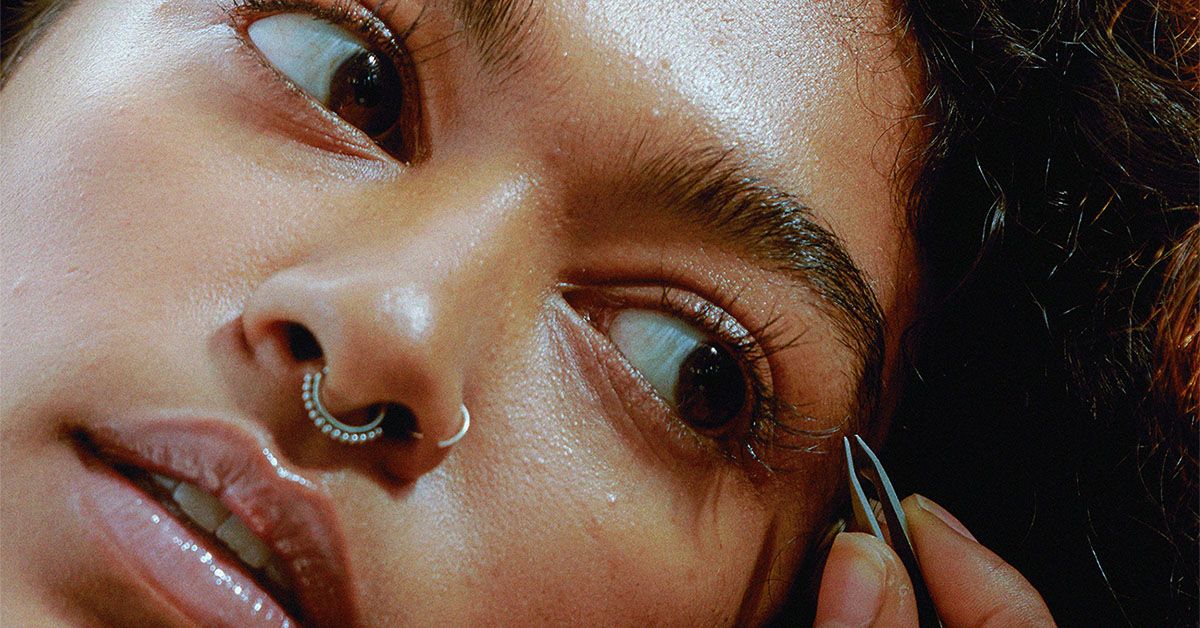
One enthusiastic session with tweezers can turn “just cleaning up the edges” into “why do I look permanently surprised?” Fortunately, eyebrow hair usually grows back when the follicles remain healthy. The less exciting news is that brows operate on their own biological schedule, and no serum, oil, or stern conversation can make them produce a full arch overnight.
Most people notice some new eyebrow growth within four to eight weeks. A fuller, more natural-looking brow commonly takes three to four months, while complete recovery may require four to six months. Regrowth can take longer when repeated plucking, inflammation, nutritional deficiencies, hormonal changes, medication, or an underlying medical condition affects the follicles.
How Long Does It Take for Eyebrows to Grow Back?
For healthy eyebrows that were shaved, trimmed, waxed, threaded, or plucked only once, the general eyebrow regrowth timeline looks like this:
| Time After Hair Removal | What You May Notice |
|---|---|
| 1–2 weeks | Shaved hairs may begin appearing as short, blunt stubble. Plucked hairs may show little or no visible change. |
| 3–6 weeks | Fine new hairs may become visible, especially in areas where the follicles were already entering an active growth phase. |
| 6–12 weeks | More noticeable coverage usually develops, although some areas may still look uneven or patchy. |
| 3–4 months | Many people regain much of their normal eyebrow shape and density. |
| 4–6 months | A full eyebrow growth cycle may be completed, allowing slower follicles to catch up. |
| 6–12 months | Brows affected by years of overplucking, illness, stress, or inflammation may need this long to show their maximum possible recovery. |
A small study involving completely shaved eyebrows found that full regrowth could occur within about six months, although individual rates varied. Dermatology sources generally agree that the condition of the follicle matters more than the method used to remove the visible hair.
Why the Timeline Varies So Much
Eyebrow hairs do not grow in synchronized formation like tiny soldiers. Each follicle follows its own schedule. One follicle may already be actively producing hair, while the follicle next door is resting for several weeks or months. This is why the first new hairs can appear quickly but complete coverage takes much longer.
Age, genetics, hormones, general health, skin condition, nutrition, and the history of hair removal all influence the speed and thickness of regrowth. Two people can pluck the same number of hairs on the same day and still have noticeably different eyebrows three months later.
Understanding the Eyebrow Hair Growth Cycle
Eyebrow follicles follow the same basic biological cycle as scalp follicles, but their active growth period is much shorter. That short growth phase is the reason eyebrows normally stop at a practical length instead of flowing majestically down your cheeks.
1. Anagen: The Active Growth Phase
During anagen, cells in the follicle divide and produce a new hair shaft. Eyebrow hairs spend far less time in anagen than scalp hairs, which may grow continuously for years. The shorter eyebrow anagen phase limits both the length of each hair and how quickly an empty area can fill.
2. Catagen: The Transition Phase
During catagen, active growth stops and the follicle begins to shrink. This transition generally lasts only a few weeks. A hair removed during or near this stage may not be replaced immediately because the follicle still has to complete the rest of its cycle.
3. Telogen: The Resting Phase
Telogen is the waiting room of the hair cycle. The follicle remains alive but does not actively lengthen the hair. Eyebrow follicles can stay inactive for months, which explains why a bald spot may appear stubborn even when it is capable of eventually growing hair.
4. Exogen: Shedding and Renewal
During exogen, the old hair sheds and a new cycle begins. Because neighboring follicles enter these stages at different times, normal eyebrow shedding is usually subtle. Illness, major stress, rapid weight loss, hormonal changes, or certain medications can push more follicles into a resting or shedding phase at once.
Scientific reviews of eyebrow biology emphasize that brows have a distinctive short growth phase and an independent follicular rhythm. Stress-related telogen effluvium can also affect eyebrows in severe cases, with recovery often taking several months after the trigger has resolved.
Do Eyebrows Grow Back Differently After Shaving, Plucking, or Waxing?
After Shaving
Shaving removes hair at the surface of the skin without pulling out the root or disturbing the follicle. As a result, shaved eyebrows often become visible again within several days to two weeks.
Shaving does not make eyebrow hair grow faster, thicker, or darker. Newly cut hair can feel coarse because the razor leaves a blunt tip. As that hair lengthens, it usually returns to its familiar texture. Think of shaving as mowing the lawn rather than digging up the grass.
After Plucking, Threading, or Waxing
These techniques pull the entire hair shaft from the follicle. The follicle must begin producing a replacement before anything becomes visible above the skin, so regrowth usually takes longer than it does after shaving.
Occasional plucking generally does not cause permanent loss. Repeatedly removing the same hairs over many years, however, can traumatize follicles. Chronic inflammation and scarring may produce finer regrowth, irregular patches, or permanent thinning. Daily inspections with a magnifying mirror are especially risky because every barely visible hair starts looking like an emergency.
Cleveland Clinic dermatologists note that frequent plucking may damage and eventually scar follicles, while age and underlying health problems can also slow eyebrow recovery.
What Can Prevent Eyebrows From Growing Back?
Repeated Follicle Trauma
Years of aggressive tweezing, waxing, threading, rubbing, or pulling can damage the structures responsible for producing hair. Regrowth remains possible if the follicle is still alive, but scarred or destroyed follicles cannot produce normal hairs.
Alopecia Areata
Alopecia areata is an autoimmune condition in which the immune system attacks hair follicles. It may cause smooth, patchy loss on one or both eyebrows and can also affect eyelashes or scalp hair. The follicles usually remain alive, so spontaneous or treatment-assisted regrowth is possible, although the pattern can be unpredictable. Dermatologists may use injected corticosteroids, topical treatments, or systemic medications depending on severity.
Thyroid Disease
Both underactive and overactive thyroid conditions can contribute to hair thinning. Loss concentrated in the outer third of the eyebrow is sometimes associated with hypothyroidism, particularly when it occurs with fatigue, dry skin, constipation, feeling unusually cold, or unexplained weight changes. Treating the thyroid disorder may allow the hair to recover.
Skin and Eye-Area Conditions
Eczema, psoriasis, seborrheic dermatitis, contact dermatitis, rosacea, and blepharitis can inflame the skin around the brows. Itching and rubbing create additional trauma. Treating the inflammation is more useful than applying increasingly exotic oils to irritated skin.
Nutritional Deficiencies
Low levels of iron, zinc, protein, or certain vitamins may contribute to hair loss. This does not mean everyone with sparse eyebrows needs a shelf full of supplements. The American Academy of Dermatology recommends using iron, zinc, or biotin supplements when testing confirms a deficiency because excessive doses can cause side effects and may even worsen health problems.
Stress, Illness, and Rapid Weight Loss
Major surgery, high fever, severe infection, childbirth, emotional stress, crash dieting, or rapid weight loss can disrupt the normal hair cycle. The shedding may not begin until two or three months after the triggering event. Once the body recovers, new hair commonly appears over the following three to six months.
Medication and Medical Treatment
Chemotherapy, radiation, retinoids, blood pressure medications, anticoagulants, and other drugs may contribute to hair loss in some people. Never stop a prescribed medication because of eyebrow thinning without consulting the clinician who prescribed it. Hair often returns after the responsible treatment ends, but the timing depends on the medication and the person.
Trichotillomania
Trichotillomania involves recurrent urges to pull out hair, including eyebrow and eyelash hair. It is not simply a “bad habit” or lack of willpower. Behavioral therapy and mental health support can help reduce pulling and give the follicles an opportunity to recover.
Scarring Hair Loss
Inflammatory disorders such as frontal fibrosing alopecia can permanently destroy follicles. Early diagnosis is important because treatment may prevent further loss even when it cannot restore every destroyed follicle. Smooth, shiny skin without visible follicle openings is one possible warning sign, but a dermatologist must make the diagnosis.
How to Help Eyebrows Grow Back
Stop Removing Hair for at Least 12 Weeks
Put down the tweezers and let the brows complete several months of uninterrupted growth. Removing “strays” too early can erase hairs that would eventually help rebuild the natural shape. Take a photograph every four weeks instead of judging progress every morning under harsh bathroom lighting.
Use Gentle Skin Care
Wash the area without aggressive scrubbing. Choose fragrance-free products if the skin is sensitive, and stop any cosmetic that causes burning, redness, scaling, or itching. Eyebrow pencils and powders do not normally block growth, but irritation or an allergic reaction can worsen shedding.
Eat Enough Protein and Nutrient-Rich Foods
Hair is made primarily from keratin, a protein. A balanced eating pattern that includes protein, vegetables, fruit, whole grains, healthy fats, iron, and zinc supports normal follicle function. Extremely restrictive diets can do the opposite.
Be Skeptical of Miracle Oils
Castor oil can condition eyebrow hairs and reduce dryness, making existing hairs look shinier or more substantial. However, strong clinical evidence that castor oil awakens dormant eyebrow follicles is lacking. Essential oils can also irritate the delicate skin around the eyes. “Natural” is not a synonym for “incapable of causing a rash.”
Discuss Medication With a Dermatologist
Depending on the diagnosis, a dermatologist may consider corticosteroids, minoxidil, bimatoprost, or treatment for an underlying skin, autoimmune, hormonal, or nutritional condition. Some eyebrow-growth uses are off-label, and products placed near the eyes can cause irritation, unwanted hair growth, skin-color changes, or eye-related complications. They should not be casually borrowed from a friend’s medicine cabinet.
Manage the Cause, Not Just the Appearance
When thyroid disease, dermatitis, alopecia areata, anemia, infection, or medication is responsible, treating that cause gives the follicles their best opportunity to recover. Non-scarring eyebrow loss is often reversible, while scarring loss may require cosmetic camouflage or transplantation.
When Should You See a Doctor About Eyebrow Loss?
Consider seeing a primary care clinician, dermatologist, or eye care professional when:
- Eyebrow loss begins suddenly or progresses rapidly.
- You develop round, smooth, or sharply defined bald patches.
- Both eyebrows thin without an obvious grooming-related cause.
- Your eyelashes or scalp hair are also falling out.
- The skin is red, painful, shiny, crusted, itchy, or severely flaky.
- The outer thirds of the eyebrows disappear along with symptoms of thyroid dysfunction.
- You recently started a medication or underwent medical treatment.
- You feel repeated urges to pull out your eyebrow hair.
- You see no meaningful regrowth after four to six months.
A clinician may examine the follicles and surrounding skin, review medications and recent health changes, and order blood tests when thyroid dysfunction, anemia, iron deficiency, or another medical problem is suspected. New or unexplained eyebrow loss deserves evaluation because madarosisthe medical term for eyebrow or eyelash losshas many possible causes.
Frequently Asked Questions
Can Overplucked Eyebrows Grow Back After Years?
They sometimes can. If the follicles are weakened but not destroyed, fine hairs may gradually return after several months without plucking. Long-term trauma can permanently scar some follicles, so complete restoration is not guaranteed. Allow six to twelve months before deciding that the final result has been reached.
How Can You Tell Whether Eyebrows Are Growing Back?
Early regrowth often appears as pale, soft, short hairs that are difficult to see in ordinary lighting. These hairs may become darker and thicker as the cycle continues. Monthly close-up photographs provide a more accurate record than daily mirror checks.
Does Trimming Make Eyebrows Grow Faster?
No. Trimming changes only the visible hair shaft. It does not alter activity beneath the skin or extend the follicle’s growth phase.
Can Makeup Stop Eyebrow Growth?
Ordinary eyebrow pencils, powders, and gels generally do not prevent growth. Problems may occur when a product triggers dermatitis, when waterproof makeup requires forceful rubbing, or when old applicators introduce irritation around the follicles.
Does Microblading Help Eyebrows Grow?
Microblading creates the appearance of brow hairs by depositing pigment into the skin. It does not stimulate follicles or accelerate growth. Anyone with active dermatitis, unexplained hair loss, a tendency to form abnormal scars, or an autoimmune skin condition should consult a qualified healthcare professional before undergoing the procedure.
Eyebrow Regrowth Experiences: What the Process Often Looks Like
The following examples are realistic composite scenarios based on common eyebrow regrowth patterns. They are not personal testimonials and should not replace medical advice.
Experience 1: Recovering From Overplucking
A person who has maintained very thin brows for several years decides to stop tweezing completely. During the first month, the brows do not suddenly transform into their former glory. A few dark hairs appear below the preferred arch, while the center remains frustratingly sparse. The temptation to “clean things up” becomes intense because early regrowth rarely follows a neat shape.
At eight weeks, more short hairs become visible, but they vary in direction and thickness. Some look soft and nearly colorless. Instead of plucking them, the person uses a fine pencil to create a temporary outline and applies a clear gel to keep longer hairs in place.
By month four, the brows look noticeably fuller from conversational distance, although close-up photographs still reveal gaps. At month six, most healthy follicles have had enough time to produce visible hair. A few areas remain thin, suggesting that years of repeated removal may have weakened or scarred certain follicles. The practical lesson is that regrowth is not a perfectly linear process. It often looks messier before it looks better.
Experience 2: Waiting for a Shaved Eyebrow to Return
Another person accidentally removes part of an eyebrow while using a facial razor. Panic arrives immediately, followed by internet searches involving several exclamation points. Within a week, tiny dark dots appear because the follicles and roots were never removed. By the second or third week, the area contains short, blunt hairs.
The new growth initially looks darker and coarser, creating the impression that shaving changed the hair. In reality, the razor simply cut the shafts straight across. As the hairs lengthen, the tips soften and blend with the surrounding brow.
After six to eight weeks, the shaved section is much easier to disguise with gel or a pencil. It may still be shorter than the untouched hairs, but the accident is no longer obvious. Several additional weeks allow the individual hairs to reach their normal length. This experience is usually faster and more predictable than recovery after plucking because the follicles were left intact.
Experience 3: Discovering That Thinning Was Not a Grooming Problem
A third person notices both eyebrows becoming thinner, especially near the outer edges. They have not changed their grooming routine, and waiting for several months produces little improvement. Additional symptoms include dry skin, unusual fatigue, and feeling cold in rooms that seem comfortable to everyone else.
Instead of purchasing multiple growth serums, the person schedules a medical appointment. Testing identifies an underactive thyroid. Treatment focuses on restoring normal thyroid hormone levels rather than treating the eyebrow area alone.
The eyebrows do not fill in the week treatment begins. Hair follicles need time to leave the resting phase and restart production. Fine regrowth becomes visible over the following months, while energy and skin symptoms also improve. The experience illustrates an important distinction: eyebrow loss caused by an internal condition is unlikely to resolve through cosmetic products alone.
The Shared Lesson
Whether eyebrow loss follows plucking, shaving, stress, or illness, progress is best measured in months rather than days. Early regrowth may be pale, patchy, or pointed in strange directions. Consistency matters more than constantly changing products. Protect the skin, avoid repeated removal, photograph the area periodically, and seek medical advice when the pattern is sudden, symmetrical, inflamed, or accompanied by other symptoms.
Conclusion
So, how long do eyebrows take to grow back? Some visible growth may appear within four to eight weeks, but rebuilding the full brow commonly requires three to six months. Shaved hairs return sooner because the roots remain in place, while plucked hairs must be reproduced from inside the follicles. Brows damaged by years of overplucking or affected by a medical condition may need six to twelve months, professional treatment, or both.
Patience is the least glamorous eyebrow treatment, but it is also one of the most important. Give the follicles time, keep the surrounding skin healthy, eat a balanced diet, and investigate unexplained thinning instead of trying to outsmart biology with a suspiciously expensive bottle of oil.