If your toddler treats their bottle like a VIP guest, a bedtime bodyguard, and a tiny emotional support thermos all in one, you are not alone. Bottle weaning can feel dramatic because, to a toddler, the bottle is not just a container. It is comfort, routine, familiarity, and sometimes the fastest way to make everyone stop crying before breakfast. But there comes a point when it is healthier to help your child move from bottle to cup.
Pediatric and dental guidance generally encourages families to introduce cup practice in infancy and move toddlers away from bottles around the first year of life, often by 12 to 18 months depending on the child and family situation. The reason is not that bottles are “bad.” Bottles are useful for babies. The problem is prolonged bottle use, especially when toddlers sip milk or juice throughout the day or fall asleep with a bottle. That habit can raise the risk of tooth decay, reduce appetite for solid foods, and make the bottle harder to give up later.
The good news: you do not need a marching band, a parenting degree, or a ceremonial bottle farewell speech. You need a plan. Below are three practical ways to stop bottle feeding toddlers without turning your living room into a negotiation summit.
Why It Is Important to Stop Bottle Feeding Toddlers
Before we get into the three methods, it helps to understand why bottle weaning matters. Toddlers are growing fast, learning to chew, self-feed, communicate, and drink from cups. A bottle can quietly get in the way when it becomes the main tool for comfort or calories.
Prolonged bottle use can affect dental health
When toddlers sip milk, formula, juice, or sweet drinks from a bottle over long periods, sugars can sit on the teeth. This is especially risky at bedtime because saliva flow slows during sleep. Less saliva means less natural rinsing. In plain parent language: bedtime milk bottles can turn tiny teeth into an all-night snack bar for cavity-causing bacteria. Not ideal.
It may reduce appetite for meals
A toddler who drinks too much milk from a bottle may arrive at the table already full. Then the lovingly prepared scrambled eggs, avocado toast, or peas shaped like “fun little green balls” receive the dramatic toddler rejection treatment. Moving milk into a cup and serving it at planned times can help toddlers eat a wider variety of foods.
The emotional attachment can get stronger with time
Many toddlers do not love the bottle because of the bottle itself. They love what it represents: cuddles, sleep, comfort, and predictable routine. That is why bottle weaning works best when you replace the comfort, not just the container.
Way 1: Gradually Replace Bottles With Cups
The gradual method is the classic “slow and steady wins the toddler race” approach. It works well for children who resist sudden changes, parents who prefer less drama, and households where everyone needs sleep more than they need a heroic overnight transformation.
Start with the easiest bottle first
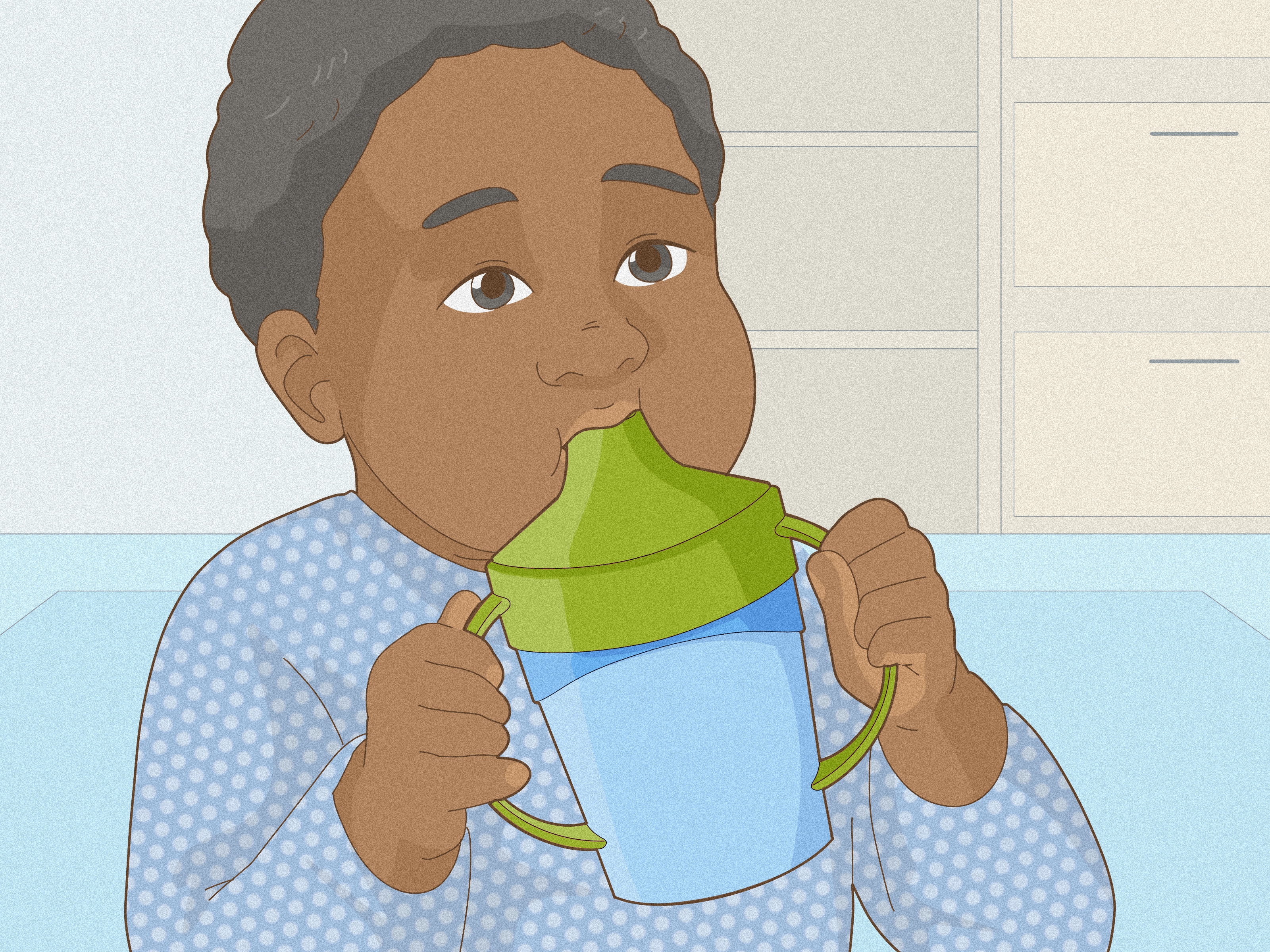
Do not begin with the bedtime bottle unless you enjoy boss-level parenting challenges. Start with the bottle your toddler cares about least, usually the midday or afternoon bottle. Replace it with milk or water in a cup. This may be a straw cup, sippy cup, or small open cup, depending on your child’s skills.
For example, if your toddler usually gets bottles at wake-up, lunch, nap, dinner, and bedtime, begin by replacing the lunch bottle. Keep everything else calm and predictable. Offer the cup while your child is sitting at the table, not wandering around like a tiny executive with a beverage agenda.
Drop one bottle every few days
After your toddler accepts the first change, remove another bottle. A simple order might look like this:
- First: midday bottle
- Second: afternoon bottle
- Third: morning bottle
- Fourth: nap bottle
- Last: bedtime bottle
The exact timeline depends on your toddler. Some children adjust in a week. Others need two or three weeks. The goal is consistency, not speed. If you remove a bottle, try not to bring it back the next day because your toddler cried with the intensity of a soap opera finale. Toddlers are excellent researchers. If crying brings back the bottle once, they will test the theory again.
Use the same drink, different container
If your toddler is attached to milk in the bottle, begin by offering the same milk in a cup. Do not change the drink, cup, room, routine, and snack all at once. That is too many plot twists for a small person who recently discovered socks can go on hands.
Once your child accepts milk from a cup, you can work on better drink timing. Water is best between meals, while milk can be served with meals and snacks. Avoid using juice in bottles, and limit sweet drinks because they can increase cavity risk and crowd out more nutritious foods.
Way 2: Make the Cup More Exciting Than the Bottle
Toddlers love control. They want to choose the blue cup, reject the blue cup, demand the red cup, and then drink from your water bottle. This is developmentally normal, even if it makes adults question reality. Use that desire for independence to your advantage.
Let your toddler choose a cup
Offer two or three parent-approved choices: a straw cup, a handled cup, or a small open cup. Too many choices can overwhelm toddlers, but a few options can make the cup feel like their idea. You might say, “Do you want milk in the green cup or the bear cup?” This gives your toddler control without offering the bottle as an option.
Practice during low-pressure moments
Do not introduce cup drinking for the first time when your toddler is exhausted, starving, and already emotionally wounded because the banana broke in half. Practice at calm times. Offer small amounts of water in a cup during meals. Let your child spill a little. Spilling is not failure; it is toddler physics.
A straw cup can be helpful for many toddlers because it supports a more mature drinking pattern than sucking from a bottle nipple. A small open cup also builds coordination, but yes, it may create puddles. Use small pours at first. Think “two tablespoons of water,” not “mini swimming pool.”
Model cup drinking
Toddlers copy everything, including the things you wish they had never seen. Use this power for good. Sit with your child and drink from your own cup. Smile. Say, “Cheers!” Let them clink cups gently. Suddenly, drinking from a cup is not a downgrade. It is a social event.
Celebrate progress without turning it into a circus
Praise helps, but keep it simple: “You drank from your cup! Nice job.” Stickers can work for older toddlers, especially if they enjoy visual rewards. Avoid food bribes like candy for using the cup. You want the cup to feel normal, not like a high-stakes Olympic event.
Avoid replacing the bottle with endless sippy cup sipping
Sippy cups can be useful transition tools, but they should not become bottles with better branding. The long-term goal is for your toddler to drink from straw cups or open cups and to drink at reasonable times. Carrying a sippy cup of milk all day can create some of the same problems as carrying a bottle all day.
Way 3: Change the Bedtime Routine Without the Bottle
The bedtime bottle is usually the hardest one to remove because it is tied to sleep. Your toddler may not be hungry. They may simply believe that sleep is impossible without their beloved bottle. In their defense, adults also have strong bedtime rituals. Some of us cannot sleep without the right pillow, the right blanket, and one last scroll we promised would last “only two minutes.”
Move milk earlier in the evening
Instead of giving milk in a bottle as the final step before sleep, offer milk in a cup with dinner or an evening snack. Then brush teeth after milk. This is important because brushing after the last milk drink helps protect teeth overnight.
A sample bedtime routine might look like this:
- Dinner or evening snack with milk in a cup
- Bath or wash-up
- Brush teeth
- Pajamas
- Books, songs, cuddles
- Bedtime without the bottle
Replace sucking comfort with connection comfort
If the bottle has been your toddler’s sleep cue, replace it with another soothing cue. Try a special bedtime book, a short song, a back rub, a favorite stuffed animal, or a consistent phrase such as, “Milk is all done. Now it is cuddle time.”
Keep your tone calm. Toddlers often borrow emotional cues from adults. If you act like bottle weaning is a disaster, your toddler may think, “Excellent, I was right to panic.” If you act confident and warm, your child is more likely to adjust.
Use water only if your child still needs a bedtime drink
Some toddlers want a drink near bedtime. If your pediatrician or dentist has not advised otherwise, water is the safest option after brushing teeth. Avoid milk, juice, or sweet drinks in bed. If your child is used to drinking milk overnight, you may gradually dilute the bottle with water for a short transition period, but many families do better by clearly moving milk to cup time earlier in the evening and keeping the bedroom bottle-free.
Prepare for protest
Your toddler may cry, ask repeatedly, or point toward the kitchen like a tiny courtroom lawyer presenting evidence. This does not mean the plan is wrong. It means the routine changed. Offer empathy without returning the bottle: “You miss your bottle. That is hard. I am here. We can cuddle.”
The first few nights may be bumpy. Stay consistent, soothing, and boring. Boring is underrated. Boring tells toddlers, “Nothing exciting happens when we protest at 2:00 a.m.” That message is parenting gold.
Common Mistakes When Bottle Weaning Toddlers
Mistake 1: Waiting until the bottle becomes deeply emotional
The older a toddler gets, the more the bottle may become part of identity and comfort. If your child is already strongly attached, do not blame yourself. Many families get there because bottles work beautifully in the short term. Just know that consistency becomes even more important.
Mistake 2: Letting toddlers walk around with milk all day
Grazing on milk can reduce appetite and expose teeth to sugars repeatedly. Serve milk at meals or snack times instead. Between meals, offer water.
Mistake 3: Making the cup feel like punishment
Try not to say, “You are too big for bottles now,” in a shaming way. Toddlers do not need a lecture on maturity. They need practice, patience, and a cup that does not leak all over their shirt like a comedy prop.
Mistake 4: Removing comfort without replacing it
If the bottle helped your toddler calm down, replace it with another calming routine. More cuddles, books, songs, and predictable transitions can make bottle weaning smoother.
What If Your Toddler Refuses Milk From a Cup?
Some toddlers refuse milk when it is not in a bottle. This can be frustrating, but it is usually temporary. Your child may not dislike milk; they may dislike the change. Offer milk in a cup without pressure. If they refuse, calmly put it away and try again later.
Make sure your toddler gets calcium and vitamin D from other foods if milk intake drops during the transition. Yogurt, cheese, fortified foods, and balanced meals can help. If your child has allergies, growth concerns, feeding delays, or a medical condition, ask your pediatrician for individualized advice.
Also remember that toddlers are allowed to have preferences. Some like cold milk. Some like warm milk. Some like milk only in a specific cup that looks suspiciously like every other cup but is somehow spiritually superior. Offer reasonable choices, then stay calm.
How Long Does It Take to Stop Bottle Feeding?
Bottle weaning can take a few days or a few weeks. A toddler who is only lightly attached may adapt quickly. A toddler who uses the bottle to fall asleep may need more time and support. Either way, the basic formula is the same: remove bottles one by one, offer drinks in cups, move milk away from sleep time, and keep comfort in the routine.
If your child is not eating well, losing weight, having trouble drinking from any cup, coughing or choking with liquids, or showing signs of oral-motor delay, speak with your pediatrician. Bottle weaning should support health, not create a feeding struggle that leaves everyone stressed.
Real-Life Experience: What Bottle Weaning Often Looks Like at Home
In real life, stopping bottle feeding toddlers rarely looks like a perfect parenting brochure. It looks more like a kitchen counter covered with three cups, one rejected straw, a damp bib, and a parent whispering, “Please just drink literally anything reasonable.” That is normal. The transition from bottle to cup is not only about liquid. It is about habit, comfort, timing, and a toddler’s powerful belief that familiar things should remain familiar forever.
One practical experience many parents share is that the daytime bottles are much easier to remove than expected. A toddler may fuss for a few minutes when the lunch bottle disappears, then get distracted by crackers, blocks, the family dog, or the mysterious joy of putting a spoon on the floor. This is why starting with daytime bottles works so well. The emotional stakes are lower. Your toddler is awake, busy, and surrounded by other routines.
Bedtime is different. The bedtime bottle often carries the emotional weight of the whole day. It may signal, “Now I am safe, sleepy, and close to my parent.” When that bottle disappears, your toddler may not simply want milk. They may want the feeling that came with it. Parents who succeed with bedtime bottle weaning often replace the bottle with a very predictable mini-ritual: milk in a cup before brushing, then pajamas, two books, one song, lights dim, and cuddles. The order matters because toddlers love patterns. A routine is like a map, and toddlers are much calmer when they know where the road goes.
Another common experience is cup rejection. Some toddlers treat a new cup like it has personally offended them. The trick is to keep offering without making it a battle. Put a small amount of water in the cup during meals. Let your toddler explore. Let them pour a little, sip a little, and make a small mess. A small mess today can become independent drinking tomorrow. Keep towels nearby and lower your expectations for dry pants.
Parents also learn that confidence matters. When adults apologize too much, bargain too much, or keep saying, “Are you okay without your bottle?” toddlers may sense uncertainty. A calmer script works better: “Bottle is all done. Milk is in your cup. I can help you.” Short, kind, and firm beats a long lecture every time.
Finally, many families discover that the bottle was harder for the adults to release than for the toddler. Bottles are convenient. They soothe quickly. They are familiar. But once the transition is complete, parents often feel relieved. Meals become more organized, bedtime becomes cleaner for teeth, and the toddler gains another small piece of independence. It may take patience, but the day will come when the bottle is just another baby item stored in a box, right next to tiny socks you cannot believe ever fit a human foot.
Conclusion
Learning how to stop bottle feeding toddlers is less about winning a power struggle and more about building a better routine. Start by replacing the easiest bottles with cups, make cup drinking feel normal and positive, and handle the bedtime bottle with extra patience. Your toddler may protest because change is hard, but consistency, comfort, and a little humor go a long way.
Remember: the bottle helped your child during babyhood. Now the cup helps them move into toddlerhood. That is not a punishment; it is progress. Messy, splashy, occasionally dramatic progressbut progress all the same.
Note: This article is based on synthesized guidance from reputable pediatric, dental, nutrition, and child-development resources in the United States. Parents should consult a pediatrician or pediatric dentist for personalized advice, especially if a toddler has feeding difficulties, growth concerns, dental issues, developmental delays, or medical conditions.