Let’s be honest: money and family can be a spicy combination. One minute you are quietly saving birthday cash, babysitting money, tips, allowance, or income from a weekend job. The next minute, someone is asking, “Can I borrow five dollars?” which mysteriously means “Can I make this money disappear forever?”
The phrase “hide money from your siblings and parents” can sound sneaky, but there is a responsible way to think about it: protecting your personal savings, setting healthy boundaries, and keeping your financial information private. That is very different from lying, stealing, avoiding taxes, hiding shared family money, or trying to dodge legal responsibilities. In this guide, “hide” means “store safely and privately,” not “turn into a tiny financial raccoon.”
Whether you are a teen learning to save, a college student home for break, or an adult living with family while building your future, the goal is simple: keep your money secure, organized, and out of casual reach. The best methods are not dramatic secret compartments or movie-style floorboards. The smartest methods are boring in the best possible way: bank accounts, secure storage, digital privacy, and clear personal rules.
Below are three practical, legal, and realistic ways to protect your money from nosy siblings, well-meaning parents, and the occasional family member who treats your savings like a community snack drawer.
Why You Might Want to Keep Money Private from Family
Money privacy is not always about distrust. Sometimes it is about independence. You may be saving for school supplies, a laptop, a car, rent, an emergency fund, a birthday gift, or simply the comforting knowledge that you have cash for unexpected problems. Having private savings can help you feel more prepared and less dependent on last-minute favors.
Privacy can also prevent conflict. In many families, once people know you have money, they may start offering opinions about it. A sibling may want to borrow it. A parent may want to “hold it for you.” A cousin may suddenly develop a tragic need for concert tickets. Even loving families can blur financial boundaries.
However, financial privacy should stay ethical. If you are under 18, your parent or guardian may need to be involved in certain bank accounts. If money belongs to the household, is jointly owned, comes from a shared account, or is connected to taxes, benefits, child support, debt, or legal agreements, do not hide it. That is not privacy; that is a problem wearing a fake mustache.
Way 1: Use a Safe, Legitimate Bank or Credit Union Account
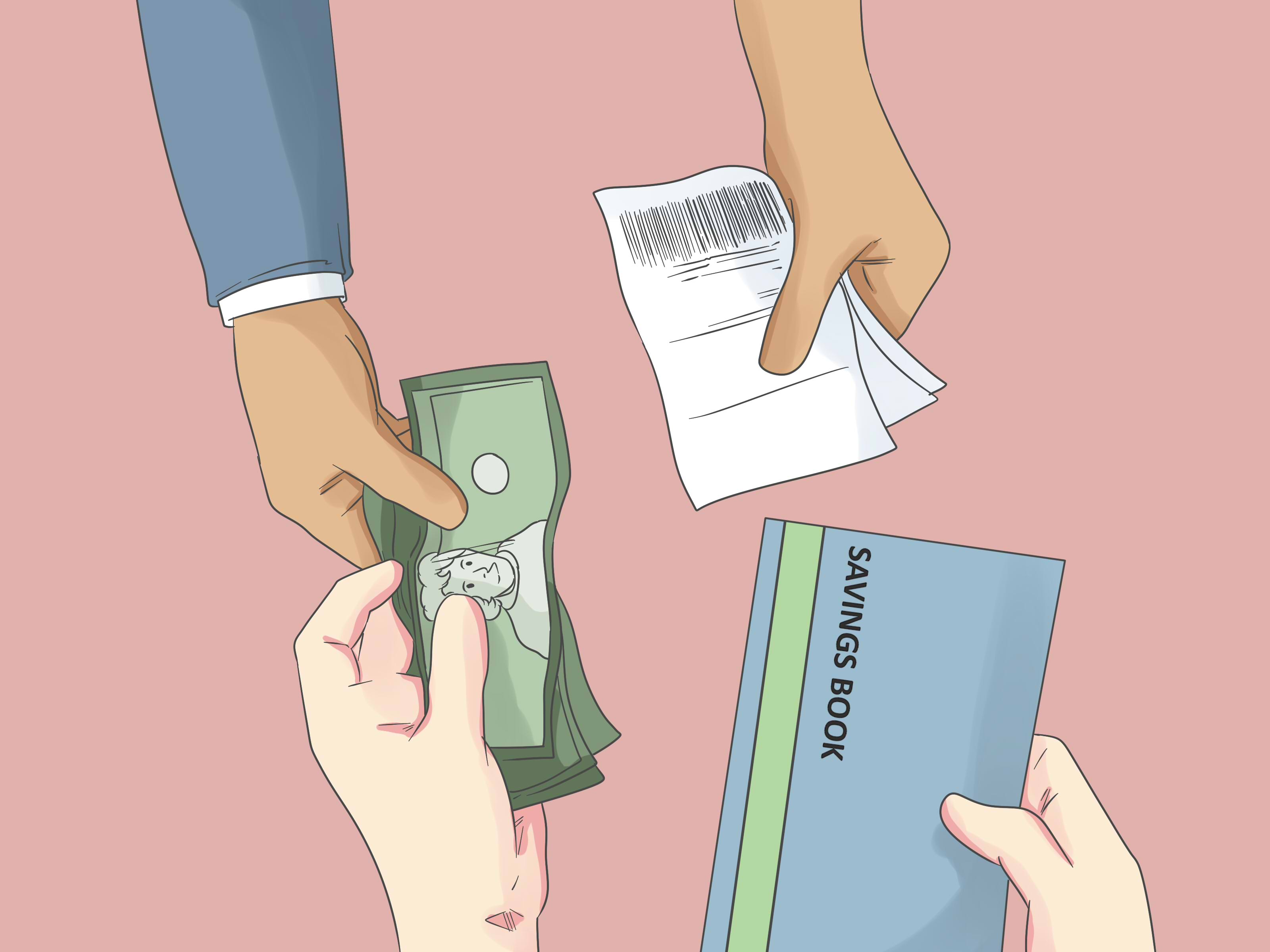
The most secure way to keep money private is usually not under your mattress. It is in a real financial institution. A savings account, checking account, or credit union account can protect money from being misplaced, borrowed without permission, damaged, or accidentally tossed out during a heroic spring-cleaning mission.
Why a Bank Account Beats a Sock Drawer
Cash at home is easy to access, which is both the benefit and the danger. A bank or credit union account adds structure. You can track deposits, review spending, set savings goals, and keep money separate from daily temptations. Many banks are insured by the FDIC, while federally insured credit unions are backed by the NCUA. That means eligible deposits are protected up to legal limits if the institution fails. In plain English: your money gets more protection than it would in a shoebox labeled “definitely not money.”
If you are old enough to open your own account, compare options carefully. Look for low or no monthly fees, no surprise maintenance charges, mobile banking, good customer service, and clear rules. Basic accounts certified through safe-account programs can be useful for people who want affordable banking without complicated fees.
What If You Are Under 18?
If you are a minor, many banks require a parent or guardian to be part of the account. That does not mean you are stuck hiding cash in a hoodie pocket until adulthood. It means you should understand the account rules before opening anything. Ask who can see the balance, who can withdraw money, and what happens when you turn 18.
If you have a trusted parent or guardian, a joint teen account can still help you build money skills. You can also ask for boundaries: “I want to save my own earnings, and I’d like to review the balance myself before making spending decisions.” That conversation may feel awkward, but awkward is better than discovering your “new phone fund” became “family pizza night fund.”
Use Separate Buckets for Different Goals
One smart privacy strategy is not just where you keep money, but how you organize it. Keep spending money separate from savings. If your bank allows sub-accounts or savings goals, create categories such as:
- Emergency fund
- School or college expenses
- Car or transportation
- Personal spending
- Gifts or holidays
This makes your money less tempting because it has a job. When money is just “extra cash,” people treat it like it is available. When it is labeled “car insurance” or “textbook fund,” it suddenly sounds much less fun to borrow.
Protect Your Account Information
Do not leave debit cards, PINs, bank statements, or login details lying around. Use strong passwords, turn on two-factor authentication when available, and avoid saving banking passwords on shared family devices. If your sibling uses your laptop to play games and accidentally opens your bank tab, congratulations: you have invented a privacy leak.
Go paperless if possible, but keep important electronic records secure. If you receive paper bank statements, store them in a locked place or shred old copies when you no longer need them. Financial privacy is not just about the money itself; it is also about the trail of information around it.
Way 2: Keep a Small Amount of Cash in a Secure, Sensible Place
Even if most of your money belongs in a bank, keeping a small amount of emergency cash can be practical. Maybe your card gets declined, your phone dies, transportation requires cash, or you need money during a power outage. The key word is “small.” Your entire savings should not be living in a bedroom drawer like a dragon hoard.
Use a Lockbox, Not a “Secret” Spot Everyone Knows
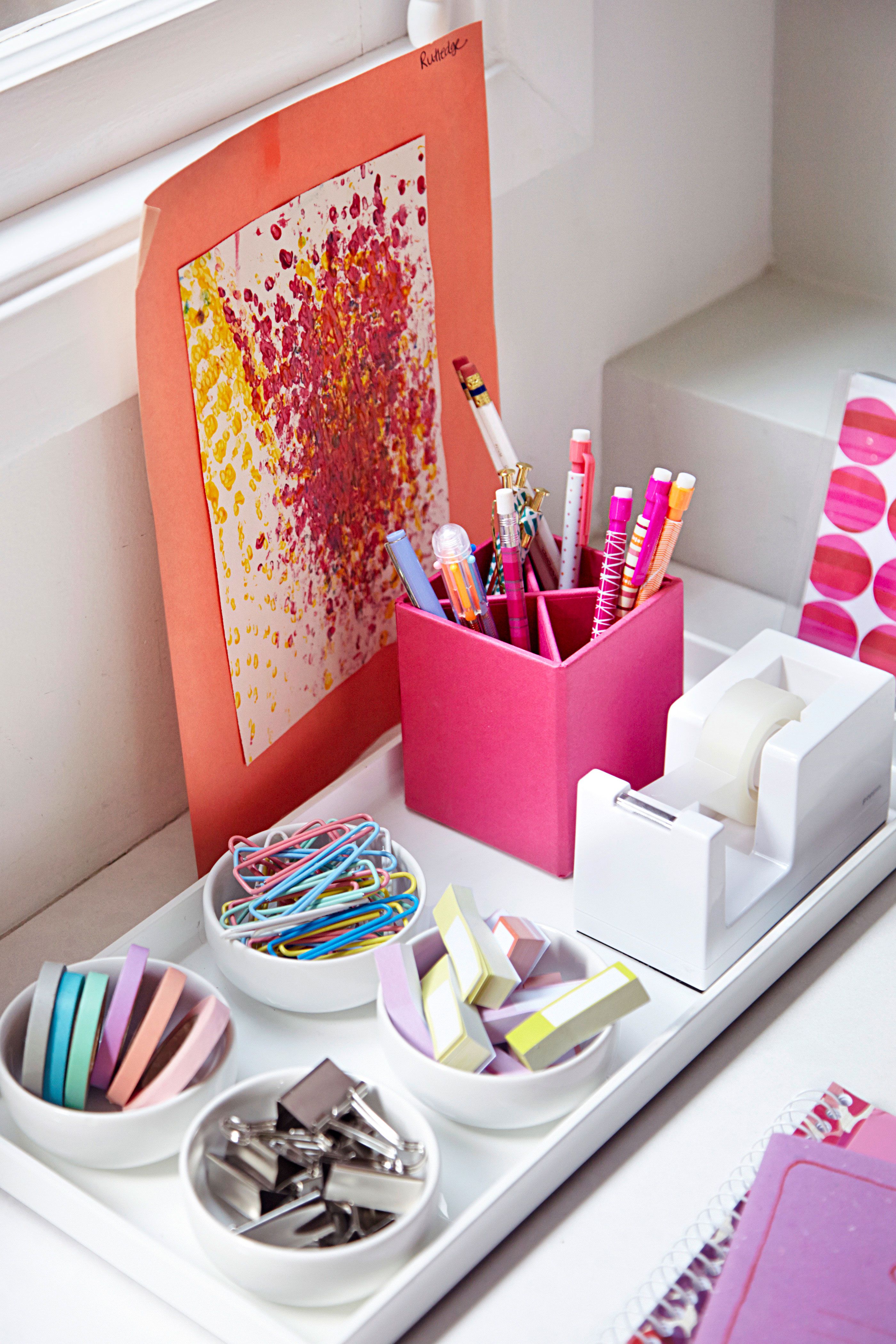
Classic hiding places are usually terrible hiding places. Under the mattress? Everyone knows. Inside a book? Cute, but risky. In a sock drawer? That is the first stop on the sibling treasure map. A better option is a small lockbox, document safe, or fire-resistant safe kept in a reasonable location.
A lockbox is not magic, but it creates a boundary. It says, “This is private,” without requiring you to tape money behind a poster like a low-budget spy. Choose something that can hold cash, IDs, gift cards, checks, and important papers. Keep the key or combination private. Do not use obvious codes like your birthday, 1234, or your dog’s name if your dog is basically the family mayor.
Do Not Hide Cash in Unsafe Places
Some hiding places are not just obvious; they are risky. Avoid storing cash near heat, water, trash, food, vents, laundry, or places someone might clean without warning. Money hidden in a cereal box can become money thrown away with stale cereal. Money hidden in a jacket pocket can become money that takes a tragic ride through the washing machine.
Also avoid hiding money in places connected to someone else’s belongings. Do not put cash in a sibling’s room, a parent’s office, a shared closet, or a family storage bin. If it gets lost, damaged, or discovered, the drama will be louder than a smoke alarm at breakfast.
Keep an Inventory
If you keep cash at home, write down how much you have and when you add or remove money. This does not need to be fancy. A small notebook, password-protected note, or budgeting app can work. The point is to avoid the classic “I swear I had more money than this” panic.
Use simple labels such as “Emergency cash: $60” or “Birthday savings: $120.” If you are comfortable, you can keep the record separate from the actual cash. That way, even if someone sees the note, they do not automatically know where the money is.
Limit the Amount of Cash at Home
Cash has no password. If it disappears, proving what happened can be difficult. That is why a small emergency amount is sensible, but large amounts should usually be in a bank or credit union account. A good rule is to keep only what you might reasonably need for short-term emergencies and deposit the rest.
If your goal is to build an emergency fund, think in stages. Start with a small goal, such as $100, $250, or $500, then work upward. Many financial educators recommend building savings over time rather than waiting until you can save a huge amount at once. Tiny deposits still count. A five-dollar bill saved today is not glamorous, but neither is being broke because you bought three drinks and a novelty keychain.
Way 3: Protect Your Digital Money, Gift Cards, and Financial Information
Modern money is not always paper. It may live in banking apps, payment apps, online wallets, prepaid cards, gift cards, or store accounts. That means your privacy plan should protect both physical cash and digital access.
Use Strong Passwords and Two-Factor Authentication
Do not reuse passwords across banking, email, shopping, and payment apps. If one account gets compromised, reused passwords can make the problem spread faster than gossip at Thanksgiving. Use strong, unique passwords and turn on two-factor authentication whenever possible.
Your email account matters too. If someone can access your email, they may be able to reset passwords for financial accounts. Protect your email like it is the front door to your digital house, because it basically is.
Do Not Share PINs, App Codes, or Card Photos
Never share your debit card PIN, payment app password, banking login, or verification codes with siblings or friends. Do not text photos of your card. Do not save card details on shared tablets, gaming consoles, or family computers. Convenience is lovely until someone uses your saved card to buy a limited-edition digital dragon.
If you use a family computer, always log out after checking financial accounts. Clear saved passwords if needed. Better yet, use your own secured device for banking whenever possible.
Keep Gift Cards Organized
Gift cards are easy to lose and easy for someone else to use. Store them in your lockbox or add them to a secure digital wallet if the issuer allows it. Take a private photo of the card number and receipt only if you can store the image securely. Do not leave gift cards on your desk, in your backpack, or in a drawer where everyone hunts for scissors.
Write down the balance after each use. A gift card with “probably $30” on it has a strange way of becoming “actually $2.17.” Tracking balances prevents confusion and helps you use cards before they are forgotten.
Watch Out for Family Pressure and “Borrowing”
Digital payments can make borrowing feel casual. A sibling might say, “Just send me ten dollars,” and suddenly you are running a tiny private bank with terrible repayment rates. Decide your rule before someone asks. For example:
- “I do not lend money from my emergency fund.”
- “I only lend money if I am okay never getting it back.”
- “I can help you make a budget, but I cannot send cash.”
- “I am saving for something important, so I cannot contribute.”
Boundaries sound uncomfortable at first, but they get easier with practice. You do not need to explain every dollar. A calm “I’m not able to lend money right now” is a complete sentence. Add a polite smile if you want. Add a dramatic cape only if the situation demands it.
What Not to Do When Hiding Money from Family
Some strategies may seem clever but can cause bigger problems later. Avoid these mistakes:
Do Not Lie About Shared Money
If money belongs to a parent, sibling, spouse, roommate, or shared household account, do not hide it. Financial privacy applies to your money, not money you were trusted to manage for someone else.
Do Not Hide Money to Avoid Taxes or Legal Duties
If you earn income, receive large gifts, run a small business, or sell items regularly, tax rules may apply. If you are unsure, ask a qualified tax professional. Hiding income can create serious trouble, and serious trouble is not the fun kind of trouble with popcorn.
Do Not Keep Large Amounts of Cash at Home
Large cash stashes can be stolen, lost, damaged by fire or water, or accidentally thrown away. They can also create suspicion if discovered. If you have more than a small emergency amount, consider using an insured bank or credit union account.
Do Not Use Someone Else’s Account Without Permission
Never store your money in another person’s bank account unless you fully understand the risk and trust the person completely. In many cases, money in someone else’s account may legally appear to belong to them. If the relationship changes, recovering it can become messy.
How to Talk About Money Privacy Without Starting a Family War
Sometimes the best way to hide money is not to act secretive, but to act mature. You can say, “I’m learning to manage my own savings, so I’m keeping my money organized and private.” That sounds much better than “I have hidden treasure and none of you peasants may approach.”
If your parents are supportive, tell them your goal. For example: “I’m saving for a laptop, and I want to keep the money separate so I don’t spend it.” Many parents respond better when they see responsibility rather than secrecy.
With siblings, keep it shorter. You do not need to announce your balance or savings plan. If they ask for money, use a simple boundary: “I’m saving right now, so I can’t lend any.” Repeat as needed. Repetition is not rude; it is how boundaries get muscles.
Real-Life Experiences and Lessons About Keeping Money Private
People often learn money privacy the hard way. One common experience is the “helpful parent envelope.” A teen saves cash from birthdays, chores, or a part-time job and keeps it in an envelope at home. A parent notices it and says, “I’ll keep this safe for you.” Sometimes that works fine. Other times, the money gets mixed into household spending, forgotten, or returned in pieces. The lesson is not that parents are villains. The lesson is that vague systems create confusion. If someone else is holding your money, there should be a clear record of the amount, purpose, and rules.
Another familiar story is the sibling loan that becomes a family comedy with no punchline. Your brother needs $20. Your sister promises to pay you back Friday. Friday arrives wearing an invisibility cloak. You ask once, then twice, then feel awkward because somehow you are the “mean” one for wanting your own money returned. This is why many people adopt a simple rule: never lend money you cannot afford to lose. If you do lend, write it down. Better yet, give only when you truly want to help and can live without repayment.
College students and young adults living at home face a different challenge. They may be earning real income but still sharing space with family. Parents might ask about paychecks, savings, or spending choices. Sometimes the questions come from care. Sometimes they feel like surveillance. A practical response is to separate privacy from disrespect. You can say, “I’m budgeting for rent and an emergency fund, so I’m keeping my account details private, but I’m happy to talk generally about my plan.” That gives reassurance without handing over your full financial dashboard.
Another experience involves digital accounts. Many people forget that privacy leaks happen through devices, not just drawers. A sibling borrows a phone. A family computer saves a password. A payment app stays logged in. Suddenly, private money is not so private. The fix is boring but powerful: lock your phone, use strong passwords, turn on two-factor authentication, and log out of shared devices. Digital boundaries are the new bedroom door.
Finally, some people discover that hiding money is less important than hiding impulse. If you keep cash where you see it every day, you may become the person most likely to “borrow” from yourself. A secure savings account can protect money from family, but also from late-night online shopping, snack attacks, and the dangerous sentence, “It’s only twelve dollars.” Privacy is useful, but discipline is the real superpower.
The best experience-based lesson is this: make your money boring. Put most of it in a safe account. Keep a small emergency cash reserve. Protect your passwords. Track your goals. Set boundaries calmly. The less dramatic your system is, the better it usually works.
Conclusion: Hide Money the Smart, Legal, and Responsible Way
Hiding money from siblings and parents should not mean deception, panic, or secret-agent nonsense. It should mean protecting your personal savings with smart systems. Use a legitimate bank or credit union account when possible. Keep only a small amount of emergency cash in a secure place. Protect your digital accounts, cards, passwords, and gift cards. Most importantly, set boundaries before money becomes a family tug-of-war.
Financial privacy is a normal part of growing up and becoming independent. The goal is not to shut out your family; it is to manage your own money responsibly. When your savings have a purpose, your cash is secure, and your private information is protected, you can stop worrying about who might “borrow” your money and start focusing on what that money can do for your future.