Respect sounds simple until someone cuts in line, talks over you in a meeting, parks like their car is allergic to straight lines, or sends a text that reads like it was written by a grumpy cactus. Still, treating others with respect is one of the most practical life skills anyone can build. It improves friendships, strengthens families, makes workplaces healthier, and helps everyday conversations feel less like tiny emotional obstacle courses.
At its core, respect means recognizing that every person has worth, feelings, boundaries, opinions, and experiences that mattereven when you disagree with them. It does not mean approving of everything someone does. It does not mean becoming a human doormat. Respect is the art of being honest without being cruel, confident without being arrogant, and kind without being fake.
This guide breaks down how to treat others with respect in 15 practical steps. You will find real-life examples, communication tips, and simple habits you can use at home, at work, online, and anywhere humans gather and occasionally test each other’s patience.
What Does It Mean to Treat Others With Respect?
To treat others with respect means to value people as human beings. It shows up in how you listen, speak, disagree, apologize, include, and respond when things get uncomfortable. Respect is not just polite words. It is a pattern of behavior.
Respect includes listening without interrupting, using thoughtful language, honoring boundaries, giving people credit, avoiding insults, and being willing to learn from perspectives different from your own. It also includes self-control. You may feel annoyed, but respect asks you not to turn that annoyance into a verbal fireworks show.
How to Treat Others With Respect: 15 Steps
1. Listen Before You Respond
Respect begins with listening. Not the “I am waiting for my turn to talk” kind of listening. Real listening means paying attention to what the other person is saying, noticing their tone, and trying to understand the message before preparing your comeback.
When someone speaks, pause your inner debate team. Make eye contact if appropriate, put away distractions, and let them finish. If you are unsure what they mean, ask a clarifying question such as, “Can you explain what you mean by that?” or “Do you mean this happened before or after the meeting?”
Active listening makes people feel seen. It also prevents misunderstandings from growing into full-sized drama monsters.
2. Use People’s Names and Preferred Forms of Address
One simple way to show respect is to call people what they want to be called. This includes their name, title, nickname, or preferred form of address. If someone introduces themselves as “Elizabeth,” do not immediately decide they look more like a “Lizzy.” That is not friendly. That is rebranding without permission.
If you are unsure how to pronounce a name, ask politely. You can say, “I want to make sure I say your name correctly. Could you pronounce it for me?” Most people appreciate the effort. Names are personal, and using them correctly communicates care.
3. Speak With Courtesy, Even During Disagreement
You do not have to agree with someone to respect them. In fact, disagreement is where respect becomes most important. Anyone can be polite when everyone is nodding like dashboard bobbleheads. The real test comes when opinions clash.
Instead of saying, “That is ridiculous,” try, “I see it differently,” or “I understand your point, but I have another perspective.” This keeps the conversation open rather than turning it into a verbal wrestling match.
Respectful disagreement focuses on the idea, not the person. Attack the problem, not the human standing near it.
4. Avoid Interrupting
Interrupting sends a message, even when you do not mean it to: “What I have to say matters more than what you are saying.” Sometimes interruptions happen by accident, especially in energetic conversations. But repeated interruptions can make people feel dismissed.
If you interrupt, recover quickly. Say, “Sorry, I cut you off. Please continue.” That small correction can save the tone of the conversation. It shows self-awareness and gives the other person room to finish their thought.
5. Respect Personal Boundaries
Boundaries are the invisible fences people set around their time, energy, body, privacy, and emotions. Respecting boundaries means paying attention when someone says no, asks for space, changes the subject, or expresses discomfort.
Examples include not pressuring someone to share personal information, not touching people without permission, not demanding instant replies to messages, and not treating someone’s free time as your emergency storage unit.
A respectful person understands that “no” is a complete sentence. It may not be your favorite sentence, but it is still grammatically and emotionally valid.
6. Be Honest Without Being Harsh
Honesty is important, but honesty without tact can become cruelty wearing a tiny name tag that says “just being real.” Respectful honesty tells the truth while considering timing, tone, and impact.
For example, instead of saying, “Your presentation was boring,” you might say, “The information was useful, and I think stronger examples or visuals could make it more engaging.” The second version gives feedback someone can actually use. The first version mostly makes them want to avoid you near PowerPoint forever.
Being respectful does not mean sugarcoating everything. It means delivering truth in a way that helps rather than humiliates.
7. Show Empathy
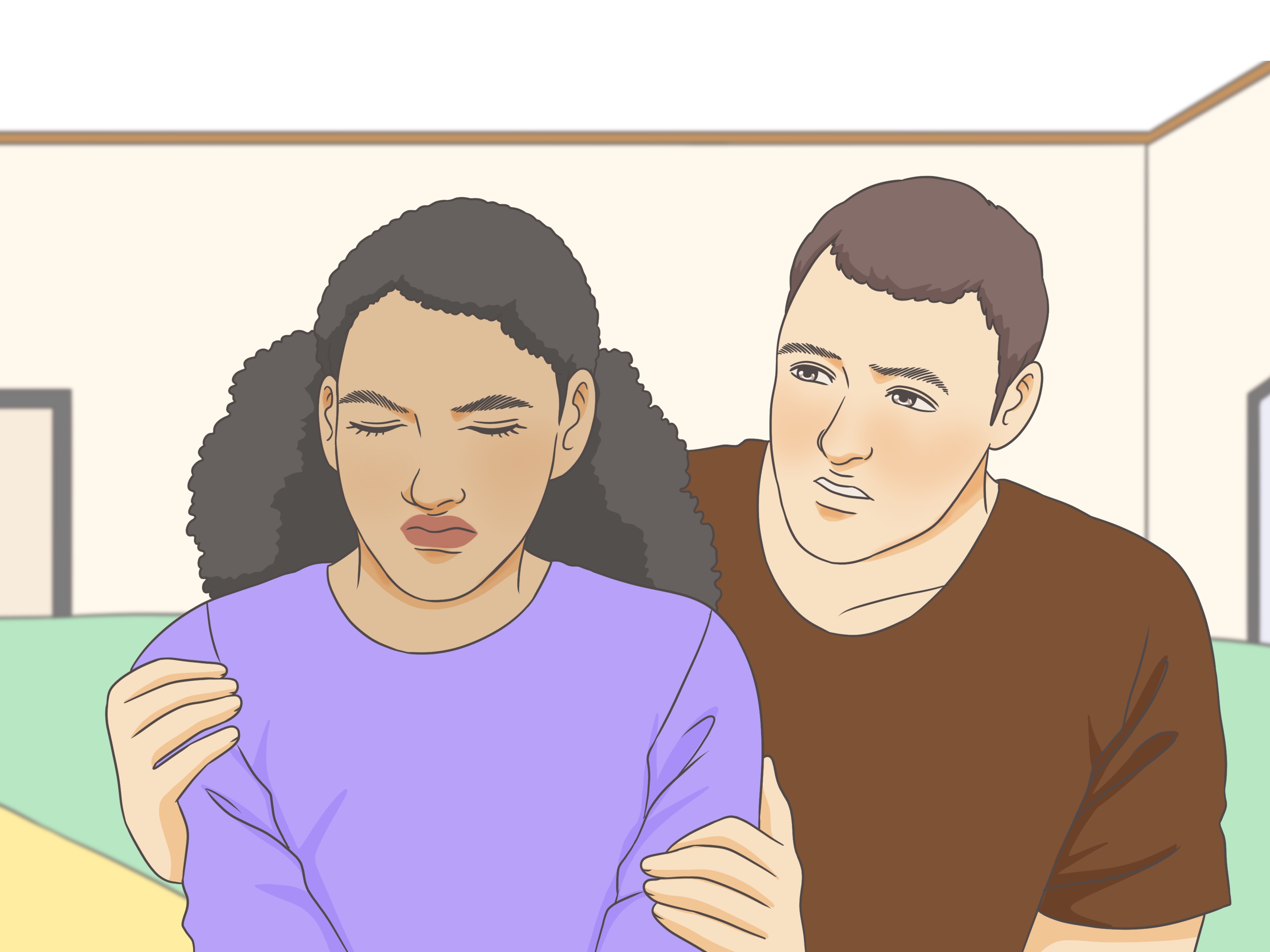
Empathy means trying to understand what another person may be feeling or experiencing. It does not require you to live their life, solve their problems, or produce a dramatic violin soundtrack. It simply asks you to pause and consider their perspective.
If a coworker seems short-tempered, empathy might remind you that they could be overwhelmed. If a friend cancels plans, empathy helps you respond with patience rather than immediate suspicion. A respectful response could be, “I hope everything is okay. Let me know if you want to reschedule.”
Empathy softens judgment. It gives people room to be human, which is useful because humans are famously imperfect.
8. Give People Your Full Attention
Few things say “I respect you” more clearly than attention. When someone is talking, avoid scrolling, checking notifications, or staring into the distance like you are receiving instructions from a cloud.
Full attention does not always require a long conversation. Even a short exchange can feel respectful when you are present. Put your phone down, face the person, nod when appropriate, and respond to what they actually said.
In a busy world, attention is a gift. Give it generously when someone deserves your focus.
9. Appreciate Differences
People have different backgrounds, beliefs, communication styles, traditions, abilities, and preferences. Respect means you do not treat “different from me” as “less than me.”
You can appreciate differences by asking thoughtful questions, avoiding stereotypes, using inclusive language, and staying open to learning. For example, if someone celebrates a holiday unfamiliar to you, a respectful response is curiosity, not commentary that sounds like it came from a confused uncle at a buffet.
Respectful people do not need everyone to be the same. They understand that diversity makes communities stronger, smarter, and far less boring.
10. Keep Your Promises
Reliability is a form of respect. When you do what you say you will do, people learn that your words have weight. When you repeatedly cancel, forget, or overpromise, people may feel their time does not matter to you.
If you commit to something, follow through. If you cannot, communicate early. A simple message such as, “I am sorry, I will not be able to finish this by Friday. Can we discuss a new deadline?” is far more respectful than disappearing and hoping everyone forgets calendars exist.
Trust is built through consistent action, not grand speeches.
11. Apologize When You Are Wrong
Everyone makes mistakes. Respectful people admit them. A real apology does not include excuses disguised as fog machines. It is clear, direct, and focused on the impact.
A strong apology sounds like this: “I am sorry I spoke sharply earlier. That was unfair, and I will handle it differently next time.” A weak apology sounds like this: “I am sorry you felt offended by the completely normal thing I did.” One repairs. The other adds glitter to the mess.
Apologizing does not make you small. It shows maturity, accountability, and respect for the relationship.
12. Avoid Gossip and Public Embarrassment
Respect includes how you talk about people when they are not in the room. Gossip may feel entertaining for five minutes, but it damages trust. People notice when you casually tear others down, and they may wonder what you say when they leave.
If you have a problem with someone, address it privately when possible. Avoid correcting, mocking, or shaming people in front of others unless there is a serious safety issue that requires immediate action.
A respectful person protects dignity. They do not turn someone else’s mistake into a group activity.
13. Practice Patience
Patience is respect in slow motion. People learn at different speeds, process emotions differently, and communicate in different ways. Not everyone will understand your point the first time, and not every conversation will move at the speed of your preferred brain settings.
Patience might mean repeating instructions calmly, giving someone time to respond, or allowing a heated conversation to cool before continuing. It also means not assuming bad intent just because someone needs more time.
Patience does not mean tolerating harmful behavior forever. It means giving people a fair chance to be understood before you react.
14. Be Fair and Consistent
Respect requires fairness. Treating people fairly means applying standards consistently, giving others a chance to explain, and avoiding favoritism. At work, this might look like giving credit to the whole team rather than only the loudest person. At home, it might mean listening to each family member before making a decision.
Fairness also means checking your assumptions. Maybe the quiet person has great ideas but needs time to think. Maybe the person who disagrees with you is not difficult; maybe they noticed a problem you missed.
Respect grows when people believe they will be treated with honesty and fairness, not mood-based justice.
15. Treat Yourself With Respect Too
Respecting others does not mean ignoring your own needs. In fact, self-respect helps you respect others more clearly. When you value your own boundaries, you are less likely to resent other people for having theirs.
Self-respect includes speaking up when something is wrong, taking care of your health, saying no when necessary, and choosing relationships where respect goes both ways. You can be kind and still be firm. You can be generous and still have limits.
The goal is not to become endlessly agreeable. The goal is to become someone who treats people well without abandoning yourself.
How to Show Respect in Everyday Situations
At Work
Respect at work includes being on time, listening in meetings, giving credit, avoiding rude emails, and handling conflict professionally. If you are a leader, respect also means inviting input and not confusing authority with permission to be unpleasant.
Before sending a tense message, read it twice. If it sounds like it arrived wearing boxing gloves, revise it. Clear, calm communication saves time and relationships.
At Home
Respect at home is often shown in small habits: knocking before entering a room, helping without being asked, listening to concerns, and saying thank you. Familiarity should not become an excuse for carelessness. The people closest to us still deserve courtesy.
Online
Digital respect matters. Before posting or commenting, ask yourself: “Would I say this to someone’s face in a room with decent lighting?” If the answer is no, reconsider. Avoid name-calling, dogpiling, spreading private information, or turning every disagreement into a public courtroom drama.
Common Mistakes That Can Feel Disrespectful
Sometimes disrespect is obvious. Other times, it sneaks in through habits we barely notice. These include checking your phone during conversations, making jokes at someone’s expense, giving backhanded compliments, dismissing emotions, speaking over quieter people, or assuming you already know someone’s story.
The good news is that respect improves with awareness. Once you notice a pattern, you can change it. You do not need to become perfect. You just need to become more intentional.
Why Respect Matters
Respect builds trust. Trust makes communication easier. Better communication reduces conflict. Less conflict means fewer emotional messes to clean up later. It is basically preventive maintenance for human relationships.
When people feel respected, they are more likely to speak honestly, collaborate, forgive mistakes, and stay connected. In families, respect creates emotional safety. In workplaces, it supports teamwork and morale. In communities, it helps people solve problems without turning every difference into a battle.
Personal Experiences and Practical Reflections on Treating Others With Respect
One of the most common lessons people learn about respect is that it is easiest to talk about and hardest to practice when emotions are high. Almost anyone can be respectful after a good meal, a full night’s sleep, and a compliment from someone with excellent taste. The real challenge comes when you are tired, rushed, embarrassed, or convinced that you are absolutely right.
Think about a moment when someone truly listened to you. Maybe they did not fix the problem. Maybe they did not even say much. But they gave you time, attention, and patience. That experience often stays with people because being heard is deeply powerful. It tells us, “Your thoughts matter. Your feelings are not an inconvenience.” That is respect in action.
Another common experience involves disagreement. Many people remember conversations where someone disagreed with them respectfully. Instead of laughing, interrupting, or dismissing the idea, the person asked questions. They explained their view without making the other person feel foolish. The conversation may not have ended in agreement, but it ended with dignity. That is an important point: respect does not always create agreement, but it can preserve connection.
Respect also shows up in small everyday choices. Holding the door for someone, thanking a cashier, letting another driver merge, cleaning up after yourself in a shared space, or responding to a message with kindness may seem minor. But these little gestures add up. They create an atmosphere where people feel less invisible. In a world where many people are stressed, distracted, or carrying private worries, small respect can feel surprisingly large.
There is also a learning curve. Many people can look back and remember times when they were not as respectful as they should have been. Maybe they interrupted too much, made a joke that landed badly, ignored someone’s boundary, or assumed they understood a situation before hearing the whole story. These memories can be uncomfortable, but they are useful. They remind us that respect is not a personality trait you either have or lack. It is a skill you practice.
A helpful personal rule is to slow down before reacting. When a conversation becomes tense, take one breath before answering. That tiny pause can prevent a careless sentence from becoming a long apology tour. It gives your better judgment time to catch up with your mouth, which is good because the mouth is often very fast and not always well supervised.
Another practical lesson is that respect must include boundaries. Some people confuse being respectful with being endlessly available, agreeable, or silent. But respectful relationships need honesty. If someone speaks to you harshly, it is respectful to say, “I want to talk about this, but I need us to speak calmly.” If someone keeps asking for favors you cannot give, it is respectful to say, “I cannot take that on right now.” Clear boundaries prevent resentment and help relationships stay healthier.
In workplaces, respect often becomes visible through credit and communication. People remember when their contributions are acknowledged. They also remember when someone else presents their idea as if it magically fell from the ceiling. Giving credit costs nothing, but it builds trust quickly. A simple “That was Maria’s idea” or “James did a lot of work on this project” can make a team feel more fair and collaborative.
In family life, respect often requires extra intention because people become comfortable with each other. Comfort is wonderful, but it can lead to careless speech. The people closest to us should not receive our worst manners just because they are nearby. Saying please, thank you, I am sorry, and I appreciate you can make home feel warmer and safer.
Ultimately, treating others with respect is not about being formal, stiff, or perfect. It is about making a steady choice to value people. You will sometimes get it wrong. Everyone does. The respectful move is to notice, repair, and try again. Respect grows through repeated actions: listening, apologizing, including, honoring boundaries, and speaking with care. Step by step, those actions shape the kind of person others feel safe aroundand the kind of person you can feel proud to be.
Conclusion
Learning how to treat others with respect is one of the most valuable skills you can develop. It improves conversations, strengthens relationships, reduces conflict, and helps people feel valued. Respect is not complicated, but it does require attention. Listen fully. Speak kindly. Honor boundaries. Be fair. Apologize when needed. Stay curious. And remember that every person you meet is carrying a story you may not see.
You do not need grand gestures to be respectful. Most of the time, respect lives in ordinary moments: a patient reply, a sincere apology, a thoughtful question, a fair decision, or a simple thank you. Practice those moments often, and respect becomes more than a behavior. It becomes part of your character.