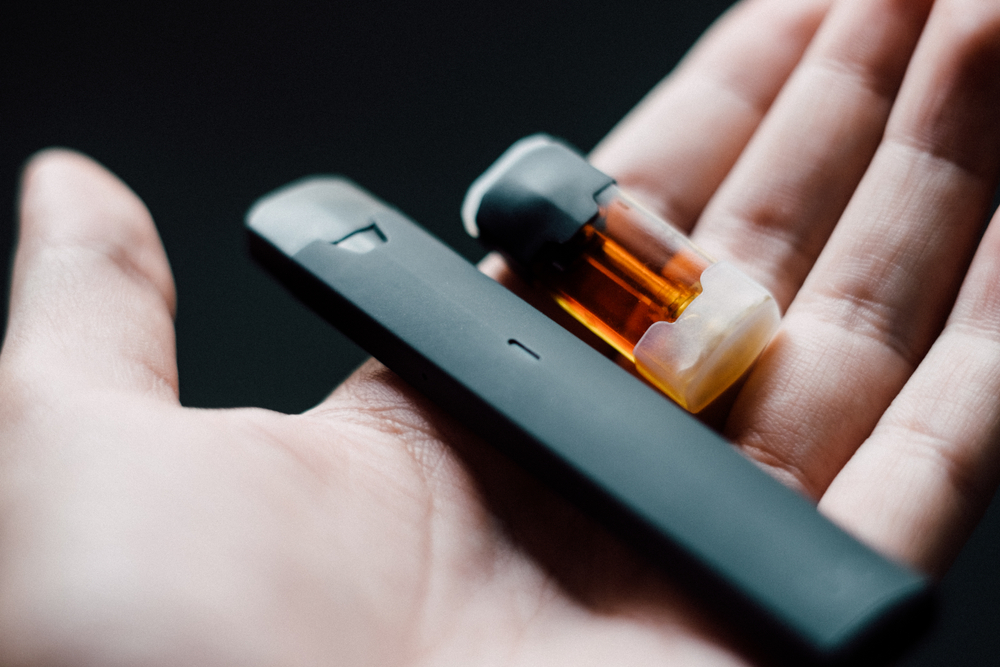
Vaping arrived with the confident swagger of a gadget that had just walked out of a tech conference: sleek device, tiny cloud, flavors that sound like smoothie-shop poetry, and a promise that it was “not smoking.” That last part is technically true. Vaping is not the same as lighting tobacco on fire. But “not smoking” does not automatically mean “safe,” in the same way that “not a shark” does not automatically make a crocodile a friendly pool noodle.
The central concern is simple: e-cigarettes are still young products in public-health terms. Cigarettes took decades to reveal the full scale of their damage. Vapes have been widely used for far less time, and their devices, liquids, nicotine strengths, flavor chemicals, and heating systems keep changing. Scientists are trying to hit a moving target while the target keeps releasing new flavors.
Today, researchers already know enough to be cautious. Vaping can expose users to nicotine, ultrafine particles, volatile chemicals, metals, flavoring compounds, and other substances that may irritate or damage the lungs, heart, brain, and immune system. What they do not yet know completely is how years of repeated exposure will affect cancer risk, cardiovascular disease, chronic lung disease, fertility, brain development, and aging. That uncertainty is not comforting. It is the warning label before the warning label has finished being written.
Why vaping’s long-term risks are still hard to measure
Science is excellent at many things, but it is not a time machine. Long-term health research needs, well, long time. To understand whether vaping contributes to diseases that develop slowly, researchers must track large groups of people for many years while accounting for age, smoking history, diet, genetics, environment, and whether users also smoke cigarettes or use other nicotine products.
That is difficult because many people who vape are not “vape-only” users. Some also smoke cigarettes, use nicotine pouches, or switch between products. Others start vaping as teenagers and may change habits as they enter adulthood. Meanwhile, manufacturers introduce new devices and formulas. A study on one older vape design may not fully apply to a newer disposable device with a stronger nicotine salt formula and a flavor profile that sounds like a tropical vacation in a plastic tube.
The cigarette lesson scientists cannot ignore
History gives researchers a reason to be cautious. Cigarettes were once marketed as modern, stylish, and even medically acceptable by some advertisers. It took decades of epidemiological studies to establish the overwhelming links between smoking and cancer, heart disease, stroke, chronic obstructive pulmonary disease, and many other conditions. Vaping is different from smoking because it does not burn tobacco, but that does not make it harmless. It means the risk profile is differentand still unfolding.
For adults who smoke cigarettes, some public-health discussions recognize that completely switching from combustible cigarettes to e-cigarettes may reduce exposure to many toxicants found in smoke. But that is not the same as saying vaping is safe, especially for people who do not already smoke. For teens, young adults, pregnant people, and nonsmokers, the risk-benefit equation looks very different.
What vaping puts into the body
The word “vapor” makes vaping sound like a spa mist that took a wrong turn. In reality, e-cigarettes produce an aerosol. That aerosol can carry nicotine, flavoring chemicals, solvents such as propylene glycol and vegetable glycerin, tiny particles, and metals that may come from heating coils or device components.
One major issue is heat. Ingredients that may be considered safe to eat are not automatically safe to inhale after being heated. The lungs are not a stomach with better lighting. They are delicate gas-exchange organs built to handle air, not repeated chemical experiments with blueberry branding.
Nicotine is not a harmless passenger
Nicotine is one of vaping’s biggest concerns. It is highly addictive and can affect attention, learning, mood, and impulse control, particularly while the brain is still developing. Many modern vaping products use nicotine salts, which can make high nicotine levels feel smoother and easier to inhale. That smoothness is part of the problem: users may take in more nicotine than they realize.
For young people, nicotine exposure can train the brain’s reward system to expect frequent stimulation. Over time, that can create cravings, irritability, concentration problems, and a cycle where vaping feels less like a choice and more like a tiny device with a subscription to someone’s nervous system.
Possible lung risks: the cloud is not just theater
The lungs are on the front line of vaping exposure. Researchers have linked e-cigarette use with airway irritation, coughing, wheezing, asthma symptoms, and concerns about chronic lung disease. Laboratory and clinical studies suggest that vaping aerosols can affect inflammation, immune defenses, and the cells lining the respiratory tract.
The 2019–2020 EVALI outbreak showed how dangerous inhaled vaping products can become when harmful additives are present. Most EVALI cases were associated with THC-containing products, especially those from informal sources, and vitamin E acetate was strongly linked to the outbreak. That episode should not be used to claim every nicotine vape causes the same injury, but it did reveal an important truth: when people inhale complex chemical mixtures, the lungs may respond badly and quickly.
Popcorn lung, infections, and irritated airways
Some flavoring chemicals have raised concern because they may irritate airways or contribute to lung injury under certain exposure conditions. Diacetyl, a flavoring compound associated with bronchiolitis obliterans in occupational settings, became widely known as the “popcorn lung” chemical. While the exact risk from consumer vaping products remains debated and depends on exposure, the broader point is not mysterious: inhaling flavoring chemicals was never the original job description of human lungs.
Vaping may also affect how well the respiratory system handles infections. If airway cells become inflamed or less effective at defense, ordinary viruses and bacteria may have an easier time causing trouble. That matters because lung health is not only about avoiding dramatic emergencies; it is also about keeping daily breathing boring. Boring breathing is underrated.
Heart and blood vessel concerns
The cardiovascular system may also be affected by vaping. Nicotine can raise heart rate and blood pressure, and research has raised concerns about oxidative stress, inflammation, blood vessel function, arterial stiffness, and other mechanisms tied to heart and vascular disease. Scientists are still studying how these changes translate into long-term outcomes, but the early signals are not exactly handing out party hats.
Dual use is especially concerning. Many people vape while continuing to smoke cigarettes. In that case, vaping may add exposure rather than replace it. Someone may think they are cutting down, but the heart and lungs may still be getting hit from two directions: smoke plus aerosol, nicotine plus more nicotine, old risk plus new uncertainty.
Cancer questions may take years to answer
Cancer risk is one of the biggest unknowns. Cancer often develops over long periods, so researchers need extended follow-up before they can confidently measure vaping’s impact. However, early evidence from chemical analyses, cell studies, animal research, and human biomarker studies has raised concern. Some vaping aerosols can contain substances associated with DNA damage, oxidative stress, and inflammationbiological processes that can play roles in cancer development.
This does not mean vaping has been proven to cause cancer at the same level as cigarette smoking. It means the “safe until proven dangerous” attitude is scientifically weak. A better approach is “not proven safe, and there are reasons to worry.” When the product involves repeatedly inhaling heated chemicals into the lungs, waiting decades for perfect certainty is not exactly a genius life hack.
Youth vaping: why public-health experts keep sounding the alarm
Youth vaping remains a major concern in the United States. Recent national survey data show that e-cigarettes continue to be among the most commonly used tobacco products among middle and high school students. Even when youth vaping declines, millions of young people may still be using nicotine products, and many report frequent use.
Flavors are a major reason vaping attracts younger users. Names like “cotton candy,” “blue razz,” or “mango ice” do not sound like tobacco products. They sound like something a cartoon penguin would sell at a beach kiosk. But sweet branding can disguise a serious product: one that may deliver addictive nicotine and normalize inhaling chemicals.
The problem with “just trying it”
Many people do not plan to become dependent on nicotine. They start socially, out of curiosity, or because the device seems less intense than cigarettes. The problem is that nicotine does not need a formal invitation. Repeated exposure can quickly turn experimentation into routine, and routine into craving.
For students, that can show up as distraction in class, irritability, sneaking away to vape, spending money on refills or disposables, and feeling uncomfortable when the device is unavailable. In plain English: the vape stops being a gadget and becomes a tiny boss with terrible management skills.
Secondhand aerosol is not just “water vapor”
Another common myth is that secondhand vape aerosol is harmless. It may be less toxic than secondhand cigarette smoke in some ways, but less toxic does not mean clean. Exhaled aerosol can contain nicotine, particles, and chemicals that others may breathe. This matters in homes, cars, bathrooms, bedrooms, schools, and other enclosed spaces.
People with asthma, young children, pregnant people, and individuals with heart or lung conditions may be especially sensitive to airborne irritants. Nobody should have to become an unwilling background character in someone else’s chemical cloud.
Regulation is not the same as proof of safety
Some vaping products are legally marketed in the United States, and the FDA reviews certain tobacco products under a public-health standard. But authorization for sale does not mean a product is safe, FDA-approved as a quit-smoking medicine, or recommended for youth. No e-cigarette has been approved by the FDA as a smoking cessation aid.
This distinction matters. A product may be considered potentially beneficial for some adults who smoke if they completely switch away from combustible cigarettes. But that narrow possibility should not be stretched into a broad claim that vaping is safe for everyone. Public health is allergic to oversimplified marketing.
Why the unknowns may be the scariest part
The most unsettling thing about vaping is not only what scientists already suspect. It is what they have not had enough time to discover. Long-term exposure could reveal patterns that are invisible today: subtle lung damage, cardiovascular effects, cancer risks, fertility concerns, immune changes, or neurological outcomes that only become clear after years of use.
Scientists are still identifying chemicals in vaping liquids and aerosols. Some studies have found large numbers of ingredients, including compounds that were not clearly listed or not expected. That makes risk assessment harder. You cannot fully evaluate what you have not fully identified.
New devices keep changing the equation
Disposable vapes, refillable pods, high-nicotine salt formulas, adjustable voltage devices, and flavored products all create different exposure patterns. Higher heat can change chemical reactions. Deeper inhalation may change deposition in the lungs. More frequent use increases total exposure. A user who takes occasional puffs is not identical to someone who vapes all day, and science has to account for those differences.
This is why the phrase “we need more research” should not be heard as “everything is fine.” In public health, uncertainty can be a reason for caution, not a permission slip.
Practical takeaways without the scare-machine foghorn
Vaping is not the same as smoking, but it is not harmless. For people who do not currently use nicotine, the safest choice is not to start. For teens and young adults, avoiding nicotine is especially important because the brain is still developing. For adults who smoke cigarettes, quitting nicotine completely is the best health goal, and evidence-based support from health professionals can make that more realistic.
Anyone who already vapes and wants to stop should consider talking with a doctor, counselor, quitline, or trusted health professional. Nicotine dependence is common, and needing help is not a character flaw. It is biology doing push-ups in the background.
Experience-based reflection: what vaping looks like in real life
In real life, vaping rarely arrives with a dramatic warning sign. It often enters quietly. A friend has a device. Someone says it is “just flavor.” Another person insists it is safer than cigarettes. The first puff may feel casual, almost forgettable. That is part of why vaping spreads so easily: it looks small, smells sweet, and hides its seriousness behind a cloud that disappears in seconds.
But the experience many users describe over time is less carefree. The device starts showing up everywhere: in backpacks, car cup holders, desk drawers, hoodie pockets, bedside tables, and bathroom stalls. A person may begin checking battery levels the way others check the weather. Low battery becomes a tiny emergency. Lost device? Suddenly the room has the emotional temperature of a missing wallet.
For students, vaping can become a routine built around avoiding discomfort. They may feel restless during long classes, sports practice, family dinners, or flights. The craving may not announce itself as “addiction” at first. It may feel like boredom, stress, irritation, or the sense that something is missing. Nicotine is sneaky like that. It puts on a fake mustache and calls itself “just a habit.”
Parents and teachers often notice the practical signs before the health risks: frequent bathroom breaks, sweet or minty smells, sudden coughing, mood swings, hidden devices, unexplained spending, or a student who seems distracted and anxious. Friends may notice someone vaping more often than intended, borrowing devices, or saying they will quit “after this one.” That phrase has done more overtime than a tired coffee machine.
Another real-world issue is social pressure. Vaping can feel like a group activity, especially because devices are easy to pass around and flavors make the product seem playful. Saying no can feel awkward, especially for teens who do not want to look dramatic. But refusing a vape is not dramatic. It is basic self-protection. Nobody owes their lungs a chemistry audition just to fit in.
There is also the money problem. A device may seem cheap at first, but repeated purchases add up. What begins as a small expense can become a monthly budget leak. The financial cost is easier to measure than the health cost, but both matter. Paying for a product that may increase cravings, irritate the lungs, and create long-term uncertainty is not exactly a bargain. It is like buying a mystery box where the mystery might be bronchial regret.
People who quit vaping often talk about the first days being uncomfortable: cravings, mood changes, trouble focusing, or feeling unusually restless. That does not mean quitting is impossible. It means nicotine dependence is real. Support helps. So do clear reasons, replacement routines, removing triggers, and asking trusted people not to offer vapes. The experience of quitting can also reveal how much control the device had gained. Many former users describe feeling relieved when they no longer have to plan their day around access to nicotine.
The biggest lesson from lived experience is that vaping’s danger is not only medical. It is behavioral. It can shrink choices, build dependence, normalize constant nicotine use, and make a person feel tethered to a device. The long-term science is still developing, but the everyday pattern is already visible: what looks like a harmless cloud can become a habit with hooks.
Conclusion: the cloud may clear before the science does
Vaping may seem modern, cleaner, and less frightening than cigarettes, but the absence of smoke does not equal the absence of risk. Scientists already see warning signs involving nicotine addiction, lung irritation, cardiovascular effects, chemical exposure, and youth use. The deeper concern is that some dangers may take yearsor even decadesto fully measure.
The smartest reading of today’s evidence is not panic. It is caution. Vaping is a relatively new way to inhale complex chemicals, and the body may keep receipts longer than marketing campaigns do. For people who do not use nicotine, the best move is simple: do not start. For people who already use it, especially young users, getting support to quit can protect health now while science continues to uncover what the future risks may be.