Yes, you can gain weight when on your periodbut before you blame your jeans, your lunch, or that one cookie that looked at you first, take a breath. Period weight gain is usually temporary. For many people, the scale may move up a few pounds before or during menstruation because of water retention, bloating, hormonal shifts, digestion changes, cravings, and changes in daily habits.
In other words, your body is not suddenly “ruined.” It is simply running a monthly hormone software update, and unfortunately, the update sometimes comes with bloating, tender breasts, snack cravings, and a stomach that feels like it swallowed a balloon animal.
This article explains why weight gain during your period happens, how long it usually lasts, what you can do to feel more comfortable, and when period-related weight changes may deserve a conversation with a healthcare professional.
So, Do You Really Gain Weight When on Your Period?
Many people notice a small increase in weight in the days before their period or during the first few days of bleeding. This is often not true fat gain. Most of the time, it is water weight, bloating, constipation, or short-term changes in appetite and activity.
A common pattern looks like this: a few days before your period, your belly feels puffier, your rings feel tighter, your breasts feel fuller, and the scale suddenly acts dramatic. Then, a few days after your period startsor by the time it endsthe number usually settles back down.
That is why period weight gain is better understood as a temporary weight fluctuation. Your body is shifting fluids, processing hormonal changes, and sometimes slowing digestion. The scale may be louder, but it is not always telling the full story.
How Much Weight Gain Is Normal During Your Period?
Many people report gaining around 1 to 5 pounds around their period. Some may notice less, and others may notice a little more. The exact amount depends on hydration, sodium intake, digestion, hormone sensitivity, activity level, sleep, stress, and your usual body rhythm.
Daily weight fluctuations are normal even outside your period. Drinking water, eating a salty meal, having a larger dinner, being constipated, or exercising hard can all change the scale. Add menstrual hormones to the mix, and the number may bounce around like it has weekend plans.
The most important question is not “Did the scale change today?” It is “Does this pattern happen around my cycle and then return to normal?” If the answer is yes, it is likely a normal menstrual-cycle fluctuation.
Why Do You Gain Weight When on Your Period?
Period-related weight gain usually comes from several small factors working together. Hormones are the headline act, but water retention, digestion, cravings, and lifestyle changes all play supporting roles.
1. Hormonal Changes Can Cause Water Retention
During the menstrual cycle, estrogen and progesterone rise and fall. These hormone changes can affect how your body manages fluid. In the days before your period, your body may hold on to more water, leading to puffiness, swelling, and that heavy feeling many people know too well.
This fluid retention may show up in the belly, breasts, face, hands, legs, or ankles. It can make clothes feel tighter even when your eating habits have not changed much. The good news: water weight usually leaves as hormone levels shift again during or after your period.
2. Bloating Can Make You Feel Heavier
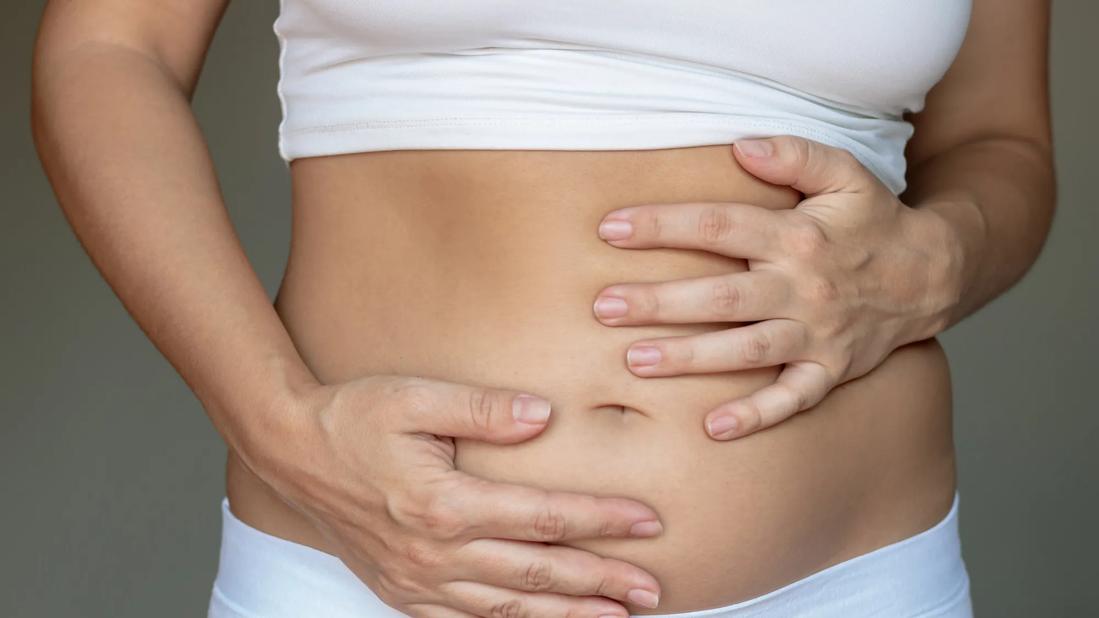
Bloating is one of the most common period complaints. It can make your abdomen feel tight, full, or swollen. Sometimes the belly looks visibly larger, which can be frustrating when you are just trying to button pants and go live your life.
Period bloating can come from fluid retention, gas, slower digestion, constipation, or changes in gut sensitivity. It is uncomfortable, but it is not the same thing as gaining body fat. Your stomach may feel like it is hosting a tiny parade, but the parade usually packs up and leaves.
3. Digestion May Slow Down
Some people get constipated before their period. Others have looser stools once bleeding begins. This happens because hormones and hormone-like compounds can affect the digestive system and the uterus at the same time.
If constipation happens before your period, the scale may rise simply because your body is holding on to more stool and gas. That may sound unglamorous, but it is extremely human. Digestion has a way of humbling everyone.
4. Cravings and Appetite Can Increase
Many people feel hungrier before their period. Cravings for salty, sweet, or high-carbohydrate foods are also common. If your body suddenly wants fries, chocolate, pasta, and something crunchy “for balance,” you are not alone.
Hormonal changes may influence appetite, mood, and food preferences. Salty foods can increase water retention, while high-carbohydrate meals can also temporarily increase stored water because the body stores water along with glycogen. That does not make carbohydrates bad. It simply means the scale may react after certain meals, especially close to your period.
5. Cramps and Fatigue Can Change Your Routine
When cramps, headaches, low energy, or mood changes show up, your normal routine may shift. You may move less, sleep poorly, skip workouts, or choose more comfort foods. That is understandable. Period symptoms can be draining, and nobody deserves a medal for forcing a high-intensity workout while doubled over with cramps.
Less movement for a few days can contribute to bloating or sluggish digestion. The goal is not to punish yourself back into activity. Gentle movement, stretching, walking, or light yoga may help some people feel better, but rest is also valid when your body needs it.
Is Period Weight Gain Fat or Water?
Most period weight gain is water, bloating, and digestive bulknot fat. Gaining several pounds of body fat in a few days would require a major and sustained calorie surplus. A short-term increase right before or during your period is usually not that.
Here is a simple way to think about it: if the weight appears quickly and disappears quickly, it is probably fluid, digestion, or normal fluctuation. If weight steadily increases over many weeks or months and does not shift back after your period, then other factors may be involved.
This is why weighing yourself every day during your period can be misleading. Your body may be temporarily holding water, and the scale does not come with subtitles explaining what is happening.
How Long Does Period Weight Gain Last?
For many people, period weight gain begins a few days before bleeding starts and improves within the first few days of the period or shortly after it ends. Some people feel bloated for only one or two days. Others notice symptoms for a week.
If the pattern is predictableup before your period, down afterwardit is usually part of your cycle. Tracking your symptoms for two or three months can help you understand your personal rhythm. You may notice that your weight, appetite, mood, digestion, and energy follow a similar pattern each cycle.
How to Reduce Period Bloating and Water Weight
You may not be able to prevent every bit of period weight fluctuation, but you can often reduce discomfort. The goal is not to “beat” your body. The goal is to support it so you feel less like a water balloon wearing leggings.
Drink Enough Water
It sounds backward, but drinking water can help with bloating. When you are dehydrated, your body may hold on to more fluid. Staying hydrated also supports digestion and may help reduce constipation.
Try sipping water throughout the day rather than chugging a heroic amount at night. Herbal tea, broth-based soups, fruit, and water-rich foods can also contribute to hydration.
Go Easy on Very Salty Foods
Sodium can make water retention worse for some people. You do not have to ban salt from your life. Food should still taste like food, not cardboard with ambition. But cutting back on very salty packaged snacks, fast food, and processed meals during the days before your period may help reduce puffiness.
Choose Fiber-Rich Foods
Fiber supports digestion and may help prevent constipation. Good choices include oats, beans, lentils, berries, apples, vegetables, brown rice, and whole-grain bread. Add fiber gradually if you are not used to it, because suddenly eating a mountain of beans can turn bloating into a full musical performance.
Include Protein and Satisfying Meals
Balanced meals with protein, fiber, and healthy fats can help keep hunger steadier. Eggs, Greek yogurt, chicken, tofu, fish, beans, nuts, seeds, and lentils are examples of satisfying protein sources.
This does not mean you cannot eat chocolate or fries. It means your body may feel better when comfort foods are part of a balanced day rather than the entire plot.
Move Gently If It Feels Good
Gentle movement can help circulation, digestion, mood, and cramps for some people. Walking, stretching, light cycling, yoga, or easy strength training may be enough. If your symptoms are intense, choose rest instead. Your body is not a productivity machine.
Prioritize Sleep
Poor sleep can affect hunger, cravings, mood, and stress. During PMS and your period, sleep may feel harder because of cramps, headaches, or mood changes. A warm shower, a heating pad, a consistent bedtime, and limiting late caffeine may help.
Should You Weigh Yourself During Your Period?
You can, but you do not have to. If the scale makes you anxious, it may be better to avoid weighing yourself in the days before and during your period. A single number cannot tell you how much is water, digestion, inflammation, or actual body composition.
If you are tracking weight for health reasons, look at trends over several weeks instead of reacting to one period-week spike. Your body is dynamic. It changes with hydration, hormones, meals, sleep, and stress. One weigh-in is a snapshot, not a biography.
When Should You Talk to a Healthcare Professional?
Period-related weight gain is usually normal, especially if it is mild, temporary, and follows a predictable cycle pattern. Still, it is worth getting medical guidance if weight gain is sudden, severe, or does not go away after your period.
You should also consider talking with a healthcare professional if you have very heavy bleeding, severe pelvic pain, irregular periods, extreme mood symptoms, swelling in the legs or face, shortness of breath, or symptoms that interfere with school, work, relationships, or daily life.
Conditions such as thyroid disorders, polycystic ovary syndrome, digestive disorders, medication side effects, and other hormone-related issues can sometimes affect weight and periods. You do not need to panic, but you do deserve answers if something feels off.
Common Myths About Period Weight Gain
Myth 1: “I gained three pounds overnight, so it must be fat.”
Not likely. Fast weight changes are usually related to water, digestion, sodium, carbohydrates, or hormonal fluid shifts. Body fat does not appear overnight like a pop-up ad.
Myth 2: “I should eat as little as possible during my period.”
No. Your body needs nourishment, especially when you are dealing with cramps, fatigue, and bleeding. Restrictive eating can make mood, energy, and cravings worse. Focus on balanced, satisfying meals.
Myth 3: “Bloating means something is wrong.”
Not always. Bloating is common around menstruation. However, severe, painful, persistent, or unusual bloating should be discussed with a healthcare professional.
Myth 4: “Exercise is required to stop period weight gain.”
Exercise may help some symptoms, but it is not a punishment or requirement. Gentle movement can be useful, but rest is healthy too.
Helpful Cycle-Tracking Tips
If you want to understand your period weight changes, track symptoms instead of obsessing over the scale. Record your period start date, bloating, cravings, bowel changes, sleep quality, mood, cramps, and energy. After a few cycles, patterns may become clearer.
For example, you may learn that bloating peaks two days before bleeding, cravings show up three days before, and your energy improves on day three. This kind of information can help you plan meals, workouts, rest, and self-care without feeling blindsided every month.
Real-Life Experiences: What Period Weight Gain Can Feel Like
Period weight gain is not just a number on a scale. It is an experience. It can show up while you are getting dressed, eating dinner, sitting in class, working at your desk, or trying to decide whether your body has changed or your jeans have personally betrayed you.
One common experience is the “pants problem.” A person may wear the same jeans comfortably one week, then struggle to button them a few days before their period. This can feel confusing, especially when their meals and routine have not changed much. In many cases, the reason is bloating and water retention. The body is holding extra fluid, digestion may be slower, and the abdomen may feel swollen. A few days later, the same jeans fit normally again, as if they were never involved in the drama.
Another experience is the “scale surprise.” Someone may step on the scale and see that they are three pounds heavier than they were earlier in the week. Cue the mental spiral: “What did I do? Was it the noodles? Did I breathe near a cupcake?” But when the increase happens right before the period and fades afterward, it is usually a normal cycle-related fluctuation. The scale is reacting to water, hormones, food volume, and digestionnot giving a final verdict on health.
Cravings can also shape the experience. A person who normally eats balanced meals may suddenly want salty chips, chocolate, bread, or creamy pasta. That does not mean they have no self-control. Hormones can influence appetite, mood, and food preferences. Also, when cramps and fatigue show up, comfort foods become extra appealing because the body is looking for quick energy and emotional relief. A practical approach is to include cravings without letting them crowd out foods that help you feel steady. For example, have the chocolate, but pair the day with protein, fruit, vegetables, and water too.
Some people notice breast fullness and tenderness that makes them feel heavier overall. Others feel puffy in their face or hands. Some feel like their stomach is tight even when they have not eaten much. These sensations can be uncomfortable and emotionally annoying. It helps to remember that the body is not doing something wrong. It is responding to a hormone cycle that affects fluid balance, tissues, digestion, and mood.
There is also the emotional side. Period weight gain can make people feel frustrated, self-conscious, or disconnected from their body. That is understandable, especially in a culture that treats normal body changes like emergencies. But bodies are not meant to look or feel exactly the same every day. A menstrual cycle is a cycle, not a straight line. Some days feel light and energetic; other days feel bloated, sleepy, and snack-focused. Both are normal human days.
A helpful experience-based strategy is to prepare for the pattern. If you know bloating usually arrives before your period, choose comfortable clothes during that window. If cravings show up, keep satisfying snacks around: yogurt with berries, popcorn, nuts, fruit with peanut butter, soup, eggs, toast, or whatever feels good and balanced. If fatigue hits hard, lower the intensity of workouts and choose walking or stretching instead. Small adjustments can make period week feel less like a surprise attack.
Another useful habit is speaking to yourself with less judgment. Instead of saying, “I gained weight; I messed up,” try, “My body is retaining fluid before my period, and this usually passes.” That sentence may not fix cramps, but it can reduce unnecessary stress. And honestly, your body has enough going on without a courtroom trial over three pounds of water weight.
The biggest lesson from real-life period experiences is this: temporary weight gain during your period is common, manageable, and usually not a sign that anything is wrong. Your body is changing through the month because it is alive and responsive. Support it with hydration, nourishing food, rest, gentle movement, and patience. The scale may have opinions, but it does not get the final word.
Conclusion
So, do you gain weight when on your period? You can, and it is usually temporary. Period weight gain is commonly linked to water retention, bloating, digestion changes, cravings, and shifts in energy or activity. For many people, the scale rises before or during menstruation and returns to normal afterward.
The best response is not panic. It is pattern recognition. Drink water, go easy on very salty foods, eat balanced meals, include fiber, rest when needed, and choose gentle movement if it helps. Most importantly, do not let a few days of bloating convince you that your body is failing. It is cycling, adjusting, and doing a lot behind the scenes.
If weight gain is sudden, severe, persistent, or comes with symptoms that worry you, talk with a healthcare professional. Otherwise, give your body some grace. Period week is already enough of a group project.