Stomach cancer diagnosis can feel confusing because the early warning signs often look annoyingly ordinary. A little indigestion. A stubborn sense of fullness. A stomachache that keeps returning like an unwanted group chat notification. Most of the time, these symptoms are caused by common digestive issues, not cancer. Still, when they persist, worsen, or arrive with red flags such as unexplained weight loss, black stools, vomiting blood, or trouble swallowing, it is time to stop guessing and get checked.
Stomach cancer, also called gastric cancer, usually begins in the inner lining of the stomach. From there, it can grow deeper into the stomach wall and, in some cases, spread to nearby lymph nodes or other organs. In the United States, it is less common than many other cancers, but it remains serious because it is often found after symptoms become more noticeable. That is why understanding stomach cancer symptoms, diagnostic tests, and what happens after a suspicious result can help patients feel more prepared and less overwhelmed.
This guide explains how doctors diagnose stomach cancer, what tests may be used, what symptoms deserve attention, and what to expect during the process. It is written for general education and should not replace medical advice from a qualified health care professional.
What Is Stomach Cancer?
Stomach cancer is a disease in which abnormal cells grow in the stomach lining and may form a tumor. The most common type is adenocarcinoma, which starts in gland-forming cells of the stomach lining. Less common stomach tumors include gastrointestinal stromal tumors, lymphomas, and neuroendocrine tumors, but when people say “stomach cancer,” they usually mean gastric adenocarcinoma.
The stomach is not just a food storage pouch with excellent dramatic timing. It breaks down food, mixes it with digestive juices, and sends it into the small intestine. Because stomach cancer can interfere with eating, digestion, bleeding, and nutrient absorption, symptoms may appear in several different ways.
Common Symptoms of Stomach Cancer
One of the tricky things about stomach cancer is that early symptoms can be vague. They can resemble reflux, gastritis, ulcers, food intolerance, or everyday indigestion. That does not mean every bout of heartburn is a five-alarm emergency. It does mean persistent or unusual digestive changes should be taken seriously.
Early or Subtle Symptoms
Possible early symptoms of stomach cancer may include:
- Frequent indigestion or heartburn
- Bloating after meals
- Feeling full after eating only a small amount
- Loss of appetite
- Mild upper abdominal discomfort
- Nausea that keeps coming back
- Unusual fatigue or weakness
These symptoms are common and often caused by noncancerous conditions. However, if they last more than two or three weeks, become more intense, or feel different from your usual digestion pattern, it is smart to schedule a medical visit.
More Concerning Symptoms
Symptoms that deserve quicker evaluation include unexplained weight loss, vomiting, trouble swallowing, black or tarry stools, blood in vomit, ongoing abdominal pain, anemia, or swelling in the abdomen. Black stools can suggest bleeding in the digestive tract, and vomiting blood is always a reason to seek urgent medical care.
Another important clue is a change in eating capacity. Someone who used to finish a normal dinner but suddenly feels stuffed after a few bites should not simply blame “getting older” or “that one suspicious burrito.” Early fullness, especially when paired with weight loss or fatigue, should be discussed with a clinician.
Who May Be at Higher Risk?
Anyone can develop stomach cancer, but certain factors can increase risk. These include long-term infection with Helicobacter pylori, a type of bacteria linked with stomach inflammation and ulcers; smoking; a family history of stomach cancer; certain inherited cancer syndromes; diets high in salted, smoked, or heavily preserved foods; low intake of fruits and vegetables; pernicious anemia; chronic atrophic gastritis; and some previous stomach surgeries.
Risk also varies by age, sex, race, ethnicity, and country of origin. People who immigrated from regions where stomach cancer is more common may have different risk profiles than the general U.S. population. A doctor may ask about family history, past H. pylori infection, dietary habits, smoking, previous stomach problems, and any known inherited cancer syndromes.
How Stomach Cancer Diagnosis Usually Begins
The diagnostic process often starts with a regular medical appointment. The doctor will ask about symptoms, how long they have been happening, whether they are getting worse, and whether anything improves or triggers them. They may ask about appetite, weight changes, bowel movements, vomiting, pain, reflux, fatigue, and swallowing.
A physical exam may include checking the abdomen for tenderness, swelling, or masses and looking for signs of anemia or weight loss. The doctor may also order basic lab tests. Blood tests cannot diagnose stomach cancer by themselves, but they can reveal clues such as anemia, liver changes, inflammation, or nutritional deficiencies. A stool test may be used to check for hidden blood.
If symptoms or risk factors raise concern, the patient is usually referred to a gastroenterologist, a doctor who specializes in the digestive system.
Upper Endoscopy: The Key Test for Stomach Cancer
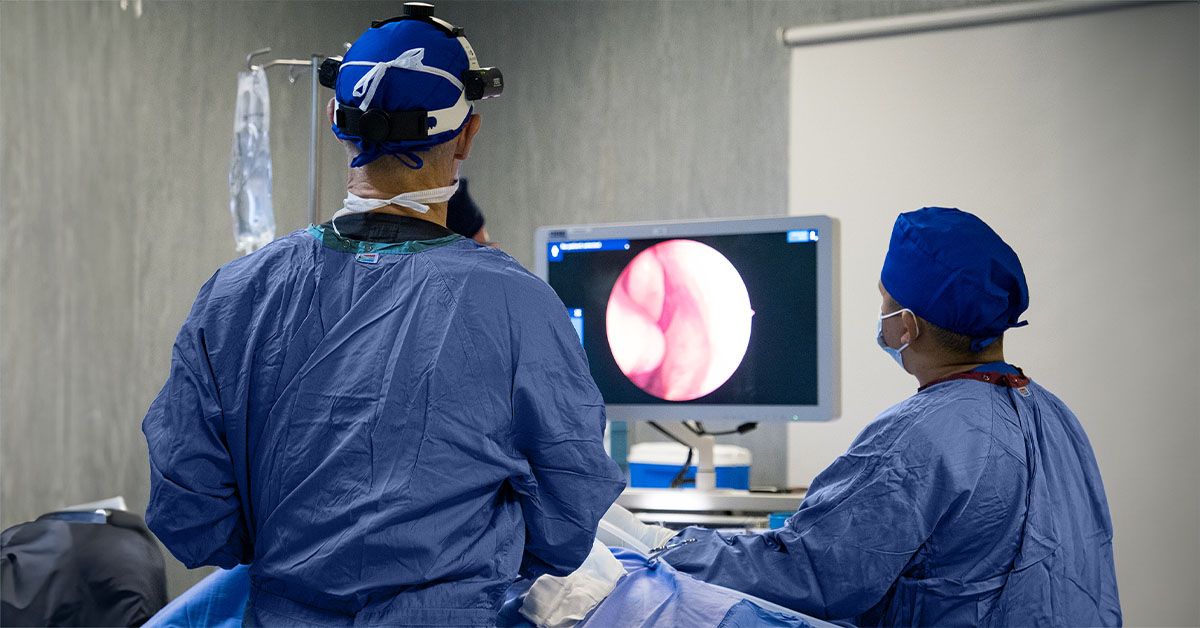
An upper endoscopy is one of the most important tests for diagnosing stomach cancer. During this procedure, the doctor uses a thin, flexible tube with a camera and light to look inside the esophagus, stomach, and first part of the small intestine. The tube is passed through the mouth while the patient is sedated or given anesthesia, so most people do not remember much beyond arriving, getting comfortable, and waking up slightly offended that the best nap of the week happened in a medical facility.
Endoscopy allows the doctor to see abnormal areas directly. They may look for ulcers, masses, bleeding, inflammation, thickened folds, or suspicious changes in the stomach lining. If anything looks unusual, the doctor can take tissue samples during the same procedure.
Biopsy: The Test That Confirms Cancer
A biopsy is the removal of small tissue samples for examination under a microscope. This is the test that can confirm whether cancer cells are present. A pathologist studies the sample and reports the cancer type, cell features, and sometimes other details that affect treatment planning.
If the biopsy shows cancer, additional testing is usually needed. Diagnosis answers the question, “Is it cancer?” Staging answers the next question, “How far has it spread?” Both are essential for choosing the best treatment plan.
Other Tests Used in Stomach Cancer Diagnosis
Endoscopic Ultrasound
Endoscopic ultrasound, often called EUS, combines endoscopy with ultrasound imaging. A tiny ultrasound device on the endoscope creates detailed images of the stomach wall and nearby lymph nodes. EUS can help estimate how deeply the tumor has grown into the stomach wall and whether nearby lymph nodes look suspicious. In some cases, a needle biopsy of a lymph node can be taken during the procedure.
CT Scan
A CT scan uses X-rays and computer imaging to create detailed pictures of the body. For stomach cancer, CT scans often evaluate the chest, abdomen, and pelvis to look for enlarged lymph nodes or signs that cancer has spread to organs such as the liver or lungs. Contrast dye may be swallowed or injected to make structures easier to see.
PET Scan
A PET scan may be used in selected cases to look for areas of active cancer. It uses a small amount of radioactive sugar tracer because many cancer cells use sugar rapidly. PET scans are not always necessary for every patient, but they can help clarify unclear findings or detect disease in other parts of the body.
MRI
MRI uses magnets and radio waves instead of X-rays. It may be used when doctors need a closer look at certain organs, such as the liver, or when CT results are unclear. MRI is not usually the first test for diagnosing stomach cancer, but it can be useful in staging and treatment planning.
Barium Swallow or Upper GI Series
A barium swallow, also called an upper GI series, involves drinking a contrast liquid that coats the esophagus and stomach before X-rays are taken. This test can show narrowing, masses, or abnormal stomach shape. It is less commonly used than endoscopy because it cannot provide a biopsy, but it may still be helpful in certain situations.
Diagnostic Laparoscopy
Diagnostic laparoscopy is a minimally invasive surgical procedure in which a surgeon uses small incisions and a camera to inspect the abdomen. It may be recommended when imaging does not show obvious spread but doctors still need to check for tiny cancer deposits on the abdominal lining. Sometimes washings are taken from the abdomen to look for cancer cells. This step can prevent a patient from undergoing a major operation that would not help if the cancer has already spread in a hidden way.
Biomarker Testing: Why Tumor Details Matter
Modern stomach cancer care often includes biomarker testing. This means the cancer tissue is tested for specific proteins, genes, or molecular features that may influence treatment. Examples include HER2, PD-L1, microsatellite instability, mismatch repair deficiency, tumor mutational burden, and certain rare gene changes.
Biomarker results can help doctors decide whether targeted therapy or immunotherapy may be useful. Think of it as checking the tumor’s “software settings.” Two people may both have stomach cancer, but the details inside the cancer cells can point to different treatment options.
What Staging Means
Staging describes how much cancer is in the body and where it is located. In general, early-stage stomach cancer is limited to the stomach lining or wall, while more advanced stages may involve nearby lymph nodes or distant organs. Doctors use staging to decide whether surgery is possible, whether chemotherapy or radiation should come first, and whether systemic treatments such as immunotherapy may be appropriate.
Patients may hear terms such as local, regional, metastatic, resectable, unresectable, or stage 0 through stage IV. These words can sound intimidating, but they are tools for planning care. A clear stage helps the medical team match treatment to the actual disease rather than guessing.
What to Expect During the Diagnostic Process
The process may happen in steps. First comes the appointment and initial tests. Then, if needed, endoscopy and biopsy. If cancer is confirmed, staging scans and biomarker testing follow. Patients may meet a gastroenterologist, surgical oncologist, medical oncologist, radiation oncologist, dietitian, nurse navigator, genetic counselor, or social worker.
Waiting for results is often the hardest part. Biopsy and biomarker reports may take several days or longer. During that time, it helps to write down questions, gather medical records, bring a support person to appointments, and avoid diving too deeply into random internet rabbit holes. The internet is excellent for lasagna recipes and deeply chaotic for cancer panic-searching at 2 a.m.
Questions to Ask Your Doctor
Good questions can make appointments more productive. Consider asking:
- What did the biopsy show?
- What type of stomach cancer is it?
- Has the cancer been staged yet?
- Which tests are still needed?
- Do I need biomarker testing?
- Should I be tested for H. pylori?
- Should my family history be reviewed for genetic risk?
- What symptoms should make me call immediately?
- Will I need help with nutrition before treatment?
Patients should also ask who will coordinate care. A nurse navigator or care coordinator can be extremely helpful when appointments, scans, reports, and insurance paperwork start multiplying like socks in a dryer.
Is There Routine Screening for Stomach Cancer?
In the general U.S. population, routine stomach cancer screening is not standard. This is different from countries with much higher rates of gastric cancer, where screening programs may be more common. However, screening or surveillance may be considered for people at higher risk, such as those with certain precancerous stomach changes, strong family history, inherited syndromes, or backgrounds from high-incidence regions.
For higher-risk individuals, endoscopy is often the preferred tool because it lets doctors see the stomach lining and take biopsies. People with known risk factors should discuss a personalized plan with a gastroenterologist rather than assuming that no symptoms means no concern.
Life After a Stomach Cancer Diagnosis
If stomach cancer is diagnosed, the next step is building a treatment plan. Treatment may include surgery, chemotherapy, radiation therapy, targeted therapy, immunotherapy, or a combination. The plan depends on the cancer stage, tumor location, overall health, biomarker results, and the patient’s goals.
Nutrition support is often part of care because stomach cancer can affect appetite, digestion, weight, and strength. A dietitian may recommend smaller meals, high-protein foods, supplements, or strategies for nausea and early fullness. Emotional support matters too. A diagnosis can affect sleep, school, work, relationships, and everyday routines. Asking for help is not weakness; it is logistics with feelings attached.
Experiences Related to Stomach Cancer Diagnosis: What Patients Often Notice
Many people who go through a stomach cancer diagnosis describe the beginning as surprisingly ordinary. They did not wake up one morning with a flashing neon sign that said, “This is serious.” Instead, they noticed small changes: dinner felt too heavy, heartburn became more frequent, pants fit looser without trying, or fatigue made normal tasks feel like climbing a hill with a backpack full of bricks.
A common experience is second-guessing. Patients may wonder whether they are overreacting, especially when symptoms resemble reflux, stress, or a stomach bug. Someone might think, “I just ate too fast,” or “Maybe coffee is bullying my stomach again.” This hesitation is understandable. Digestive symptoms are common, and most are not cancer. But many patients later say they wish they had tracked symptoms earlier. Writing down when symptoms started, what makes them worse, changes in weight, stool color, appetite, and energy can help doctors see the pattern more clearly.
Another experience is anxiety before endoscopy. People often imagine the procedure as scarier than it usually is. In practice, sedation makes upper endoscopy manageable for most patients, and the procedure is typically brief. The bigger emotional challenge may be waiting for biopsy results. During this waiting period, patients often feel stuck between “maybe it is nothing” and “what if everything changes?” Support from family, friends, counselors, or patient navigators can make that gap less lonely.
Some patients also report feeling overwhelmed by medical language. Words such as adenocarcinoma, metastatic, biomarker, HER2, PD-L1, or staging laparoscopy can sound like a foreign language invented by a committee that hated short sentences. It is perfectly acceptable to ask doctors to repeat information, draw diagrams, write down key terms, or explain the plan in plain English. Bringing a trusted person to appointments can help because stress makes memory unreliable. The brain hears “biopsy” and may immediately turn into a browser with 47 tabs open.
People diagnosed with stomach cancer may also experience changes in eating before treatment even begins. Early fullness, nausea, food aversions, or fear of triggering symptoms can reduce intake. This is why nutrition support is not a bonus feature; it can be central to staying strong enough for treatment. Small, frequent meals and protein-rich foods may help, but individualized guidance from a clinician or dietitian is best.
Finally, many patients describe relief once there is a plan. The diagnosis may be frightening, but uncertainty is often worse. Once staging is complete and the care team explains the next steps, patients can focus on practical actions: appointments, nutrition, transportation, family communication, symptom control, and treatment decisions. A stomach cancer diagnosis is never easy, but informed patients are better equipped to ask questions, notice changes, and participate actively in care.
Conclusion
Stomach cancer diagnosis depends on careful evaluation, not guesswork. Symptoms such as persistent indigestion, early fullness, abdominal pain, appetite loss, black stools, vomiting, trouble swallowing, fatigue, or unexplained weight loss should be discussed with a doctor, especially when they last more than a couple of weeks or feel unusual. Upper endoscopy with biopsy is the key diagnostic test, while imaging, endoscopic ultrasound, laparoscopy, blood tests, and biomarker testing help doctors understand the cancer and plan treatment.
The most important takeaway is simple: do not panic over every stomach rumble, but do not ignore persistent changes either. Your digestive system may be dramatic, but when it keeps repeating the same warning, it deserves a professional audience.