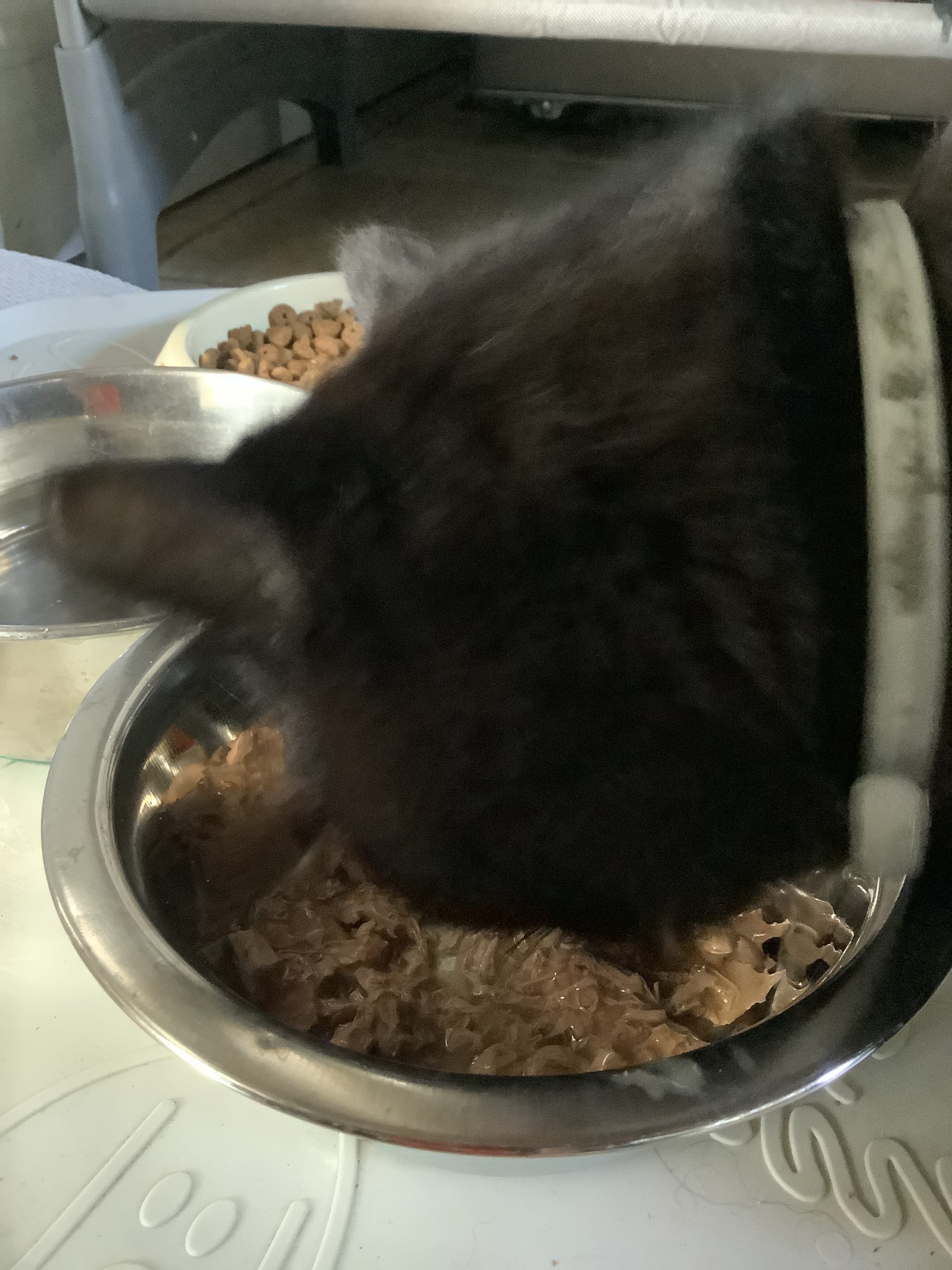
There are two kinds of people in this world: those who take one polite photo of their pet eating, and those who have 847 pictures of a cat judging kibble like a Michelin inspector. If you are in the second group, welcome home. “Hey Pandas, Post A Pic Of Your Pet Eating” is more than a funny internet prompt. It is a tiny celebration of the daily chaos, comedy, and tenderness that happens around the food bowl.
Pets eating are naturally hilarious because they forget the camera exists. Dogs crunch like tiny tractors. Cats nibble with the seriousness of royal accountants. Rabbits look like they are whispering secrets to lettuce. Hamsters hold snacks like they just closed a major real-estate deal. And birds? Birds eat with the confidence of someone who knows they can throw half the meal on the floor and still be adored.
This article explores why pet-eating photos are so lovable, how to take better and safer pictures, what foods to keep away from pets, and how to turn ordinary mealtime into a share-worthy moment without annoying your furry, feathered, or scaly roommate.
Why Pet Eating Photos Make the Internet So Happy
A pet eating photo works because it captures personality in its most unfiltered form. Unlike posed portraits, mealtime pictures reveal the real creature behind the cute face. A dog with peanut butter on its nose is not trying to be photogenic. A cat stealing a single noodle is not building a personal brand. They are simply existing, snacking, and accidentally producing premium comedy.
Online communities love prompts like “post a pic of your pet eating” because they are simple, inclusive, and instantly relatable. You do not need professional equipment or a rare animal. You just need a pet, a safe snack, decent lighting, and the patience to wait for the exact second your dog looks like it has discovered taxes.
The Secret Ingredient: Pets Are Funny When Food Is Involved
Food brings out drama. Many pets treat dinner like a sacred ceremony. Some dogs sprint to the bowl as if they have not eaten since the Bronze Age. Some cats sniff a fresh serving, pause, and look at you as though you have personally insulted their ancestors. A guinea pig may squeak like a tiny car alarm because the parsley delivery is three seconds late.
That is why eating pictures work so well for social sharing. They contain motion, expression, texture, and story. A good pet eating photo says, “Here is my animal, and here is the full emotional opera of snack time.”
How to Take a Great Photo of Your Pet Eating
Use Natural Light Whenever Possible
Good lighting can turn a blurry bowl snapshot into a warm, charming portrait. Place your pet near a window or in soft outdoor shade. Avoid harsh midday sunlight, which can create strong shadows, shiny eyes, and a suspicious “security camera footage” vibe. Soft light makes fur, whiskers, feathers, and food textures look cleaner and more natural.
Get Low and Join Their World
The best pet photos are usually taken from the animal’s eye level. Instead of standing over the bowl, crouch down. This makes the photo feel more intimate and lets viewers see the expression: the focused eyes, the cheek puff, the whisker twitch, the “this carrot belongs to me now” energy.
Focus on the Eyesor the Snack
For emotional photos, focus on the eyes. For comedy photos, focus on the mouth, paws, or the food. A close-up of a dog’s tongue reaching for yogurt, a cat’s paw holding a treat, or a rabbit’s tiny mouth demolishing greens can be funnier than a full-body shot. Details create personality.
Take Several Photos, Not One
Pets do not hold poses. They blink, sneeze, chew, wander away, or put their entire face into the bowl at the wrong time. Take a burst of photos and choose the best one later. The magical frame is often hidden between two disasters: one blurry ear and one image of the floor.
Safety First: Cute Photos Should Never Risk Your Pet’s Health
Here is the boring-but-important part, wearing a tiny safety helmet: never feed a pet something dangerous just for a funny photo. The internet does not need a picture of your dog near chocolate, grapes, raisins, onions, alcohol, caffeine, xylitol, macadamia nuts, raw yeast dough, or cooked bones. Those foods can be harmful or toxic to pets.
For dogs, many plain foods can be safe in small amounts, such as cooked unseasoned chicken, carrots, blueberries, pumpkin, or apple slices without seeds. But “safe” does not mean “serve a buffet.” Treats should be occasional and portion-conscious. For cats, proper nutrition is especially important because cats have specific dietary needs and should rely mainly on nutritionally complete cat food.
If your pet has allergies, digestive issues, kidney disease, diabetes, pancreatitis, dental pain, or a history of vomiting after certain foods, skip experimental snack photos. Ask your veterinarian before introducing new treats. A cute picture is not worth a midnight emergency visit.
Best Pet Eating Photo Ideas
The Crunch Portrait
Capture the exact moment your pet bites into something crunchy and safe. Dogs with carrot sticks, rabbits with leafy greens, and guinea pigs with bell pepper strips can produce excellent “serious snack scholar” expressions.
The Slow Feeder Shot
Slow feeders and puzzle bowls can make mealtime more engaging for some pets, especially fast eaters. They also create interesting photos because the animal is working, sniffing, searching, and solving a tiny dinner puzzle. Just make sure the feeder is appropriate for your pet’s size and temperament.
The “Caught In The Act” Look
This is the classic. Your pet looks up mid-bite with a face that says, “I can explain.” Maybe there is a smear of wet food on the nose. Maybe a lettuce leaf is hanging from the mouth. Maybe your cat has one paw inside the bowl like a tiny gremlin. Perfect.
The Tiny Paws Holding Food Shot
Small pets shine here. Hamsters, rats, guinea pigs, and rabbits often hold food in ways that look impossibly precious. Use close framing, soft light, and a clean background so the focus stays on those little paws doing very important snack business.
The Before-and-After Bowl Photo
Take one picture before the meal and one after. The result can be surprisingly funny: a neat bowl becomes a crime scene of crumbs, kibble dust, and one satisfied pet looking like it has conquered a kingdom.
How to Caption Your Pet Eating Photo
A great caption turns a cute picture into a shareable moment. Keep it short, specific, and full of personality. Instead of “My dog eating,” try “Local golden retriever discovers carrot, files emotional report.” Instead of “Cat with food,” try “She said the salmon was acceptable, which is basically a standing ovation.”
Funny captions work best when they match the animal’s expression. A wide-eyed puppy might say, “I was told there would be seconds.” A grumpy cat might say, “The chef has been notified.” A bird throwing seeds might say, “Interior design is my passion.”
What Your Pet’s Eating Style Says About Them
The Vacuum Cleaner
This pet eats quickly and leaves no crumb behind. Dogs are famous for this, but some cats and small animals are also surprisingly efficient. If a pet eats too fast, ask your veterinarian whether a slow feeder or feeding puzzle might help.
The Food Critic
This pet sniffs, pauses, and evaluates. Cats often specialize in this art. They may accept a food enthusiastically on Monday and reject it on Tuesday as though it betrayed them in a previous life.
The Collector
This pet removes food from the bowl and eats it elsewhere. Some dogs carry kibble to a rug. Some small pets stash treats. Some cats relocate food for reasons known only to cats and possibly ancient moon spirits.
The Mess Artist
This pet believes food belongs everywhere: bowl, floor, whiskers, wall, and occasionally your sock. Messy eating can be funny, but sudden changes in chewing, dropping food, drooling, or appetite may signal dental or health issues and should be checked by a veterinarian.
Mealtime Enrichment: Make Eating More Interesting
Eating does not have to be only bowl-to-mouth transportation. Many pets benefit from enrichment, which gives them safe ways to sniff, search, chew, lick, or solve problems. Food puzzles, snuffle mats, treat hunts, and training games can add mental stimulation to the day.
For dogs, you might hide a few pieces of kibble around a room and let them sniff them out. For cats, puzzle feeders can encourage hunting-like behavior. For rabbits and guinea pigs, scattering safe greens in clean hay can make feeding feel more natural. Always supervise new enrichment tools until you know your pet uses them safely.
Food Bowl Manners and Respecting Boundaries
Some pets are relaxed around food. Others guard it. If your dog growls, freezes, stiffens, snaps, or becomes tense when someone approaches during meals, do not punish or test the behavior. Give the pet space and contact a qualified veterinarian or behavior professional. Taking food away while a pet is eating can increase stress and risk.
Even friendly pets deserve privacy. For a photo, use distance, zoom, and patience. Do not shove a phone into your pet’s face while they are eating. Imagine someone filming you during soup. Exactly.
Common Mistakes to Avoid
Using Flash Too Close
Flash can startle pets and create strange glowing eyes. Soft natural light usually looks better and feels less intrusive.
Staging Unsafe Foods
Never place toxic foods near pets for a joke. Avoid chocolate, grapes, raisins, onions, garlic-heavy foods, xylitol products, alcohol, caffeine, cooked bones, and spoiled food.
Forcing the Moment
If your pet walks away, let them. A relaxed animal makes a better photo than a stressed one. Try again later.
Ignoring the Background
A pile of laundry behind your pet can steal the show. Unless the laundry is part of the story, move the bowl to a cleaner space.
Why These Photos Feel So Personal
Pet eating photos are funny, but they are also intimate. Feeding is one of the most basic ways humans care for animals. We choose the food, fill the bowl, wash the dish, notice appetite changes, and celebrate the little rituals. The photo is not just “my pet eating.” It is proof of routine, trust, and companionship.
That is why a picture of a cat licking gravy from its whiskers can feel strangely meaningful. That is why a dog sitting politely before breakfast can melt an entire comment section. Pets bring us into the present moment. They do not worry about tomorrow’s emails. They care about the bowl, the smell, the crunch, and whether you are generous enough to share one tiny safe bite.
How to Make Your Post More Engaging
If you are posting your pet eating photo online, invite people into the story. Mention the pet’s name, age, favorite safe snack, and the funny habit that makes mealtime special. A simple format works well: “This is Maple. She believes every blueberry must be inspected before consumption.”
You can also ask a question: “Does anyone else’s dog carry kibble to another room?” or “Why does my cat eat like a Victorian duchess?” Questions encourage comments, and comments help a post feel alive.
Pet Eating Photo Checklist
- Use safe, pet-appropriate food.
- Choose soft natural light.
- Get down to your pet’s level.
- Keep the background simple.
- Take multiple photos.
- Respect your pet’s space.
- Add a funny, specific caption.
Real-Life Experiences: The Joy of Watching Pets Eat
Anyone who has lived with pets knows that mealtime becomes a daily sitcom. My favorite kind of pet eating moment is the one that starts normally and then immediately becomes ridiculous. A dog may sit with perfect manners for ten full seconds, looking noble and disciplined, before inhaling dinner with the sound effects of a broken shop vacuum. A cat may approach the bowl with suspicion, take one delicate bite, and then look at you as if asking whether the chef trained in France or under a porch.
One of the funniest experiences many pet owners share is the “special bowl rule.” This is when a pet refuses to eat unless the bowl is in the correct place, at the correct angle, under the correct moon phase. Move the bowl six inches to the left and suddenly dinner is unacceptable. Put it back, and the feast resumes. No one knows why. The pet knows why, but they are not telling.
There is also the snack face. Every animal has one. Dogs often go wide-eyed and hopeful, as if a single piece of plain chicken could solve every problem in the universe. Cats narrow their eyes and pretend not to care, even while slowly moving closer. Rabbits and guinea pigs become tiny chewing machines, turning leafy greens into confetti with impressive speed. Birds may take one bite, throw the second piece, and then look extremely proud of the new floor arrangement.
Taking photos of these moments teaches patience. You learn that the best shot usually happens after you stop trying too hard. The pet relaxes, the light softens, the bowl shifts, and suddenly there it is: the perfect image. A smear on the nose. A paw on the plate. A sideways glance. A noodle-shaped mystery. That one photo becomes a tiny memory you can return to later, especially on days when life feels heavier than it should.
Pet eating moments also remind us to pay attention. Appetite, chewing habits, enthusiasm, and food preferences can tell us a lot about how an animal is feeling. A pet that suddenly refuses food, drops food, drools, hides during meals, or guards the bowl may need help. Cute photos are wonderful, but observation is even more valuable. The camera can capture comedy, but the caring human behind it notices the details.
And maybe that is why “Hey Pandas, Post A Pic Of Your Pet Eating” is such an irresistible idea. It is not only about showing off a cute animal. It is about sharing a small, honest piece of home life. It says, “Here is my companion, enjoying something simple.” In a noisy online world, that simplicity feels refreshing. A pet eating a carrot, crunching kibble, licking a spoon, or politely demolishing a berry can do what many polished posts cannot: make people smile without asking too much from them.
So take the picture. Keep the snack safe, the lighting soft, and the caption ready. Whether your pet eats like royalty, chaos, or a tiny furry accountant, someone out there absolutely needs to see it today.
Conclusion
“Hey Pandas, Post A Pic Of Your Pet Eating” is the kind of internet prompt that works because it is joyful, simple, and deeply relatable. Pets at mealtime are naturally expressive, whether they are crunchy, messy, dramatic, elegant, suspicious, or completely unhinged in the presence of a blueberry. With safe foods, respectful photography, good lighting, and a playful caption, any pet owner can turn an everyday feeding routine into a memorable post.
The most important rule is simple: protect the pet first, chase the funny picture second. Avoid unsafe foods, do not interrupt anxious eaters, and pay attention to changes in appetite or chewing. When the moment is safe and relaxed, let the camera do its work. The result may be adorable, hilarious, weird, or all threewhich, honestly, is the official language of pet ownership.