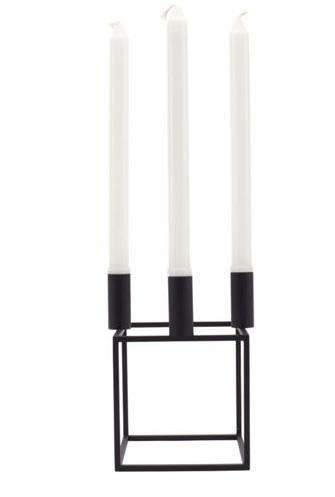
The Kubus Candleholder is the kind of home accessory that walks into a room quietly and somehow ends up being the most interesting guest at the table. It does not sparkle like a chandelier, shout like a neon sign, or try to win your attention with swirls, flowers, or decorative fuss. Instead, it wins with a cube. Yes, a cube. Four straight lines, clean angles, candle cups, and a geometric attitude so confident it makes clutter feel personally attacked.
Designed by Danish architect and designer Mogens Lassen, the Kubus Candleholder has become one of the most recognizable pieces in modern Scandinavian decor. It is simple, architectural, functional, and surprisingly expressive. Whether placed on a dining table, mantel, console, kitchen island, or bookshelf, it adds instant structure and warmth. That combination is rare: many decorative objects are beautiful but useless, while many useful objects are about as exciting as a tax form. The Kubus manages to be both practical and sculptural.
For homeowners, interior stylists, design collectors, and anyone who wants a candleholder that does not look like it was panic-bought during a power outage, the Kubus Candleholder offers a timeless option. It is not just a place to hold candles; it is a small architectural statement for everyday living.
What Is the Kubus Candleholder?
The Kubus Candleholder is a minimalist candleholder built around a precise geometric frame. The best-known version, the Kubus 4, holds four taper candles in a square arrangement. Its form is based on a balanced cube-like structure, with slim metal lines creating an open, airy shape. The result is bold without being heavy and decorative without being overly sweet.
The design is now part of the Kubus Collection by Audo Copenhagen, a brand that continues the legacy of Danish design through furniture, lighting, and home accessories. The candleholder is available in multiple versions, including Kubus 1, Kubus 4, Kubus 8, Kubus Line, and smaller or expanded pieces inspired by the same geometric language. There are also related bowls, vases, flowerpots, base plates, candle snuffers, and other accessories that allow the design to move beyond candlelight into broader home styling.
Most people first notice the Kubus because of its shape. It looks like a tiny modernist building designed specifically for candles. The frame is crisp, the proportions are deliberate, and the negative space is just as important as the metal itself. This is one reason the Kubus works so well in contemporary homes: it does not visually crowd a room. It frames light rather than trapping it.
The Story Behind the Kubus Candleholder
Mogens Lassen designed the original Kubus Candleholder in the early 1960s. Lassen was deeply influenced by Functionalism, Modernism, and Bauhaus ideas, all of which favored clarity, purpose, proportion, and honest materials over unnecessary ornamentation. In simpler terms, Lassen looked at decorative excess and said, politely but firmly, “No, thank you.”
The first Kubus candleholder was created for the interior of a restaurant in northern Denmark. From there, the design slowly became a beloved object among architects, design enthusiasts, and the Lassen family’s circle. For years, it was not a mass-market product. That limited history helped give the Kubus an almost insider status: it was admired by people who understood that restraint can be more powerful than decoration.
Over time, the Kubus became a Danish design icon because it captured several important ideas at once. It was geometric but warm. It was functional but poetic. It was small enough for a table yet strong enough to influence an entire room. This is the magic trick of great design: it does not need to explain itself for 20 minutes. It simply works.
Why the Kubus Candleholder Still Looks Modern
Many designs from the mid-20th century feel charming but dated. They look great in a museum or a very specific vintage interior, but they may struggle in a modern apartment with stainless steel appliances, an open floor plan, and a suspiciously large number of charging cables. The Kubus Candleholder is different because its foundation is geometry. Clean lines age well.
The cube form gives the piece stability and visual order. The slender frame keeps it from feeling bulky. The candle cups add rhythm, while the open structure lets light pass through. It feels equally at home in a minimalist loft, a warm Scandinavian living room, a traditional dining area, or a modern farmhouse kitchen. That flexibility is one reason the Kubus continues to appear in design magazines, curated shops, and carefully styled homes.
Minimalism Without Coldness
Minimalist decor sometimes gets accused of feeling cold, as if the furniture is judging you for owning throw pillows. The Kubus avoids that problem because candles bring softness, flame, and movement. The metal frame offers structure, while the candlelight adds atmosphere. Together, they create a balanced look: precise but cozy, elegant but approachable.
A Sculptural Object Even When Unlit
A good candleholder should not become visually useless when the candles are not burning. The Kubus passes this test easily. Even without candles, it works as a sculptural accent. With candles inserted but unlit, it still adds verticality and shape to a table or shelf. Lit, it becomes more atmospheric. Unlit, it remains intentional. That is a big win for anyone who forgets to actually light candles until guests are already putting on their coats.
Popular Kubus Candleholder Styles
The Kubus Collection has expanded over the years, but several versions remain especially popular. Each has its own personality, which is convenient because apparently even candleholders now have a personality.
Kubus 1
The Kubus 1 is a compact single-candle version. It is ideal for small spaces, bedside tables, shelves, bathrooms, or grouped arrangements. Because it holds one candle, it feels quiet and intimate. It is also a smart choice for people who want the Kubus look without committing to a larger centerpiece.
Kubus 4
The Kubus 4 is the classic choice and likely the version most people picture when they hear “Kubus Candleholder.” It holds four taper candles and typically measures about 14 centimeters wide and deep, with a height of about 20 centimeters. It is substantial enough to anchor a dining table but compact enough for everyday use. If the Kubus family had a leading actor, this would be the one getting top billing.
Kubus 8
The Kubus 8 is larger and more dramatic, with space for eight candles. It works beautifully for special occasions, holiday tables, large consoles, and rooms where you want a stronger design statement. It has more presence, so it needs a bit more breathing room. Place it where it can be admired without competing with too many other objects.
Kubus Line and Kubus Micro
Kubus Line offers a more linear interpretation of the classic design, making it useful for narrow surfaces such as mantels, windowsills, and slim dining tables. Kubus Micro, meanwhile, brings the same geometric idea into a smaller scale. These versions are useful for layering, grouping, or adding a subtle design accent without dominating the space.
Materials, Finishes, and Color Choices
The Kubus Candleholder is commonly made in metal, including zinc alloy and powder-coated finishes. Available colors and finishes may include black, white, ivory, olive, zinc, nickel-plated, gold-plated, and burnished copper, depending on the model and retailer. These finishes dramatically change the mood of the piece.
Black is the most graphic and architectural. It creates contrast on pale tables, white walls, marble surfaces, and light wood. White and ivory feel softer and blend beautifully into airy Scandinavian interiors. Olive adds a subtle earthy tone that works well with natural materials, ceramics, linen, and warm wood. Metallic finishes such as nickel, gold, and burnished copper feel more luxurious and can make the Kubus look festive without turning it into a glitter cannon.
How to Choose the Right Finish
Choose black if your room needs contrast. Choose ivory or white if you prefer a quiet, tone-on-tone look. Choose olive if your decor includes greenery, warm neutrals, or organic textures. Choose gold or copper if you want the candleholder to feel more decorative, especially for dining rooms, holiday styling, or evening entertaining. Nickel works well in interiors with chrome, stainless steel, glass, and cooler palettes.
How to Style a Kubus Candleholder
The beauty of the Kubus Candleholder is that it does not require complicated styling. In fact, it often looks best when given room to breathe. It already has strong geometry, so surrounding it with too many competing shapes can make the arrangement feel busy.
On a Dining Table
Place the Kubus 4 in the center of a dining table with simple taper candles. For everyday meals, let it stand alone. For dinner parties, add linen napkins, low greenery, ceramic plates, and glassware. Keep floral arrangements low so guests can see each other. Nothing says “elegant dinner” like making eye contact over candlelight; nothing says “poor planning” like talking to a hydrangea all night.
On a Mantel or Console
A Kubus Line or Kubus 4 works beautifully on a mantel, sideboard, or entry console. Pair it with a framed print, a shallow bowl, or a vase with branches. The key is balance. Let the Kubus provide structure and let softer elements, such as greenery or textiles, add warmth.
On a Bookshelf
On shelves, the Kubus can break up rows of books and add negative space. Use a Kubus 1 or Kubus Micro for smaller shelves. The shape creates a visual pause, which helps a bookshelf look curated rather than crammed. This is especially useful if your bookshelf currently says, “I own books,” but not yet, “I have a design point of view.”
For Holiday Decor
The Kubus Candleholder is excellent for seasonal decorating because it adapts easily. In winter, pair it with evergreen branches, pinecones, brass ornaments, or deep-colored candles. In spring, use pale tapers and fresh flowers nearby. In fall, try warm brown, cream, or rust-colored candles. The frame stays timeless while the candle colors and surrounding accents shift with the season.
Choosing Candles for the Kubus Candleholder
Taper candles are the natural choice for most Kubus Candleholders. For a classic look, use white or ivory candles. For a more dramatic table, try black tapers in a black Kubus or deep burgundy candles in a gold or copper finish. Soft beige, caramel, olive, dusty blue, and terracotta candles can also create a designer look without feeling too formal.
Pay attention to candle fit. A taper that is too loose may lean, while one that is too wide can be difficult to insert. High-quality dripless or low-drip candles are useful, though no candle is perfectly behaved all the time. Candles, like toddlers and Wi-Fi routers, occasionally do what they want.
Care and Maintenance Tips
To keep a Kubus Candleholder looking its best, clean it gently with a soft cloth. Avoid harsh abrasive cleaners, especially on plated, powder-coated, or burnished finishes. If wax drips onto the frame, allow it to cool before removing it carefully. A protective base plate can help prevent wax from reaching the table or damaging delicate surfaces.
For metallic finishes such as copper or brass-like tones, some natural patina may develop over time depending on the finish. Many owners enjoy this because it adds character. If you prefer a pristine look, follow the manufacturer’s care instructions and avoid moisture, rough sponges, or aggressive polishing products unless specifically recommended.
Safety Notes for Everyday Use
The Kubus may look like a miniature design museum, but it still holds real flames. Always place it on a stable, heat-resistant surface. Keep candles away from curtains, paper, books, plants, and anything else that could catch fire. Do not leave burning candles unattended, and keep them away from pets and children. Trim candle wicks before lighting to reduce smoke and uneven burning.
Also consider placement. A Kubus near an open window, fan, or air vent may experience drafts that cause candles to burn unevenly or drip more. If the flame flickers wildly, the candle is not being romantic; it is asking for a better location.
Is the Kubus Candleholder Worth It?
The Kubus Candleholder is not the cheapest candleholder on the market, but it is not trying to be. Its value comes from design heritage, craftsmanship, materials, and long-term versatility. Many inexpensive candleholders look trendy for a season and then quietly migrate to the donation box. The Kubus has the advantage of timeless proportions. It can move from apartment to house, dining table to mantel, weekday breakfast to holiday dinner, and still feel relevant.
For someone who enjoys Scandinavian design, architectural decor, or functional objects with history, the Kubus is a strong investment. It is also a thoughtful gift for weddings, housewarmings, anniversaries, or anyone who says things like “I love clean lines” and actually means it.
How to Spot an Authentic Kubus Candleholder
Because the Kubus design is so recognizable, similar-looking candleholders appear frequently. To buy an authentic version, purchase from Audo Copenhagen or authorized design retailers. Check the designer attribution, brand name, product dimensions, material details, finish options, packaging, and return policy. Authentic pieces should have consistent proportions, quality finishing, and clear product information.
Copies may look tempting, especially if the price seems dramatically lower, but they often lack the same balance, finish quality, and design integrity. With a piece as minimal as the Kubus, small differences matter. A slightly awkward proportion can make the whole object feel off, like a suit jacket with sleeves that are just a little too short.
Best Rooms for a Kubus Candleholder
The dining room is the obvious home for a Kubus Candleholder, but it is far from the only option. In the living room, it adds sophistication to a coffee table, mantel, or media console. In the bedroom, a Kubus 1 or Micro can add soft evening light to a dresser or nightstand, as long as it is used safely. In an entryway, the Kubus creates a polished first impression. In a home office, it adds sculptural calm, though lighting candles near paperwork should be done with caution and common sense.
The Kubus also works in commercial interiors such as boutique hotels, restaurants, design studios, and curated retail spaces. Its architectural shape makes it especially effective in environments that want warmth without visual clutter.
Experience Notes: Living With a Kubus Candleholder
Using a Kubus Candleholder in daily life feels different from using a typical decorative candleholder. The first thing you notice is how much visual structure it brings to a surface. A plain dining table can look unfinished with only plates and glasses, but place a Kubus 4 in the center and suddenly the table has a focal point. It feels styled, but not staged. That distinction matters. Nobody wants their home to look like a showroom where guests are afraid to sit down.
One of the most enjoyable experiences with the Kubus is changing the candles. White tapers make it calm and classic. Black candles turn it dramatic and almost gallery-like. Soft beige candles make it warm and modern. During the holidays, deep green or burgundy candles can make the same candleholder feel festive without adding a single plastic snowflake. This flexibility makes the Kubus surprisingly practical. You do not need to store five different seasonal centerpieces; you can change the candles and surrounding accents instead.
Another real-life advantage is that the Kubus looks good even when the house is not perfect. A few crumbs on the table? A stack of mail nearby? A half-finished coffee? The Kubus still adds order. Its geometry has a calming effect, almost like visual punctuation. It says, “Yes, life is messy, but this corner has a plan.”
It also photographs beautifully, which matters more than many people admit. Whether you are taking pictures of a dinner party, a holiday table, or a quiet Sunday morning breakfast, the Kubus adds depth and shape. The open frame catches shadows, the candles add height, and the simple silhouette does not distract from food, flowers, or people. It is the rare decor item that improves a photo without trying to become the whole photo.
There are a few practical lessons, too. First, use good candles. Cheap tapers may drip heavily, lean strangely, or burn unevenly. Second, consider a base plate if you are placing the Kubus on wood, stone, or any surface you care about. Third, do not overcrowd it. The Kubus looks best when it has space around it. If you surround it with too many objects, the design loses its clean impact.
The most satisfying part of living with a Kubus Candleholder is that it turns ordinary evenings into small rituals. Lighting the candles before dinner, even on a regular Tuesday, changes the mood of the room. The meal does not have to be fancy. It could be pasta, soup, or takeout eaten from real plates because everyone deserves a little dignity. The candlelight softens the edges of the day, and the Kubus gives that light a beautiful architectural frame.
Conclusion
The Kubus Candleholder remains a design classic because it understands the power of restraint. It does not need curves, carvings, or decorative drama to feel special. Its beauty comes from proportion, geometry, material, and the warm contrast of candlelight against a clean architectural frame. Designed by Mogens Lassen and carried forward through the Kubus Collection, it continues to feel relevant in modern homes because it is both timeless and easy to live with.
Whether you choose the iconic Kubus 4, the compact Kubus 1, the dramatic Kubus 8, or a smaller modern variation, this candleholder brings quiet confidence to a space. It is practical, sculptural, flexible, and unmistakably Scandinavian. In a world full of decor that tries too hard, the Kubus Candleholder proves that sometimes the most powerful design move is a perfect little cube with candles on top.
Note: Always use the Kubus Candleholder on a stable, heat-safe surface, keep burning candles away from flammable materials, and never leave open flames unattended.