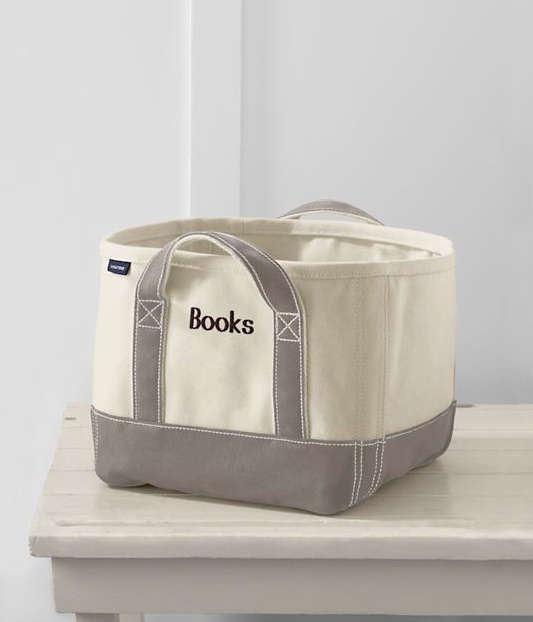
Extra small canvas storage is the tiny organizing hero most homes underestimate. It does not arrive with trumpets, a forklift, or a dramatic before-and-after TV crew. It simply sits on a shelf, inside a cubby, under a bench, beside a changing table, or on a bathroom counter and quietly says, “Please stop throwing random things at me. I have a system.”
In a world where clutter seems to reproduce when nobody is watching, extra small canvas bins, baskets, totes, and storage cubes offer a practical middle ground between hard plastic containers and decorative baskets that look lovely but sometimes behave like they were designed by someone who has never owned charging cables. Canvas is soft, lightweight, flexible, and usually attractive enough to leave in plain sight. That makes it especially useful for small homes, apartments, dorm rooms, nurseries, bathrooms, closets, craft corners, and entryways where every inch has to work harder than a coffee machine on Monday morning.
This guide explores what extra small canvas storage is, where it works best, how to choose the right size, what to store in it, and how to keep it looking clean and useful instead of becoming one more adorable container of mystery objects.
What Is Extra Small Canvas Storage?
Extra small canvas storage usually refers to compact fabric bins, baskets, cubes, totes, or boxes made from cotton canvas, cotton-blend canvas, duck canvas, or canvas-like fabric. These pieces are designed for organizing small household items such as socks, toiletries, toys, office supplies, craft tools, baby accessories, pet items, hair products, tech cords, and other little things that love to wander.
While “extra small” is not a universal measurement, most small canvas storage pieces fall somewhere between about 6 inches and 14 inches wide, with heights commonly ranging from 5 to 10 inches. Some are open-top baskets. Others come with lids, handles, collapsible sides, reinforced frames, label holders, or structured bottoms. The best version depends on where you plan to use it and whether you want easy access, hidden storage, portability, or a cleaner display.
Why Canvas Works So Well for Small Storage
Canvas Is Lightweight but Durable
Canvas has long been associated with durability because it is a strong woven fabric often made from cotton or cotton blends. In storage products, that translates into a bin that can handle everyday use without feeling bulky. Extra small canvas containers are easy to move, easy to lift off shelves, and forgiving when squeezed into tight spaces.
It Looks Softer Than Plastic
Plastic bins are useful, especially in garages, pantries, and damp areas. But in visible living spaces, plastic can sometimes make a room feel like a supply closet. Canvas storage has a warmer, softer appearance. Neutral colors such as natural, beige, cream, gray, black, and muted pastels blend easily with modern, farmhouse, coastal, Scandinavian, boho, and minimalist interiors.
It Is Gentle on Shelves and Small Hands
Extra small canvas baskets are especially popular in nurseries, kids’ rooms, and playrooms because they are lighter and softer than wood, wire, or metal containers. A child can pull one from a low shelf without sounding like a cymbal crash. Parents appreciate that. Neighbors appreciate that. Sleeping babies definitely appreciate that.
It Can Be Collapsible
Many small canvas storage bins fold flat when not in use. This is useful for seasonal organization, dorm rooms, guest rooms, and small apartments where even empty storage containers need storage. Yes, organizing the organizer is a real adult problem.
Best Uses for Extra Small Canvas Storage
1. Closet Accessories
Small canvas bins are excellent for scarves, belts, gloves, socks, tights, rolled T-shirts, hair accessories, and seasonal extras. They work especially well on closet shelves where loose items tend to fall into sad little piles. Matching canvas bins can also make a closet look more intentional, even if the drawer below is hiding a laundry situation best described as “ongoing.”
2. Bathroom Counter and Cabinet Storage
Use extra small canvas storage for rolled washcloths, skincare bottles, backup toothpaste, hair ties, shaving supplies, cotton rounds, travel-size products, or guest toiletries. In a bathroom, choose canvas bins with some structure so they do not collapse when half full. Avoid placing untreated canvas where it will be soaked often; canvas can handle daily use, but it is not thrilled about becoming a sponge.
3. Nursery and Baby Essentials
Canvas bins are a natural fit for diapers, wipes, burp cloths, pacifiers, tiny socks, swaddles, board books, and small toys. Open-top versions are especially useful on changing tables because they allow one-handed access. Any parent who has tried to open a complicated lid while holding a squirmy baby knows that “one-handed access” should be printed on more product boxes in heroic font.
4. Office and Desk Organization
Extra small canvas boxes can organize sticky notes, chargers, USB drives, notebooks, pens, tape, index cards, and mail. They soften the look of a home office and help prevent the desk from becoming a paper-based geological formation. Use labels if several bins sit together, because “the one with the thing in it” is not a sustainable filing system.
5. Entryway Drop Zones
Keys, sunglasses, dog leashes, reusable bags, gloves, wallets, and small umbrellas often gather near the door. A compact canvas bin on an entry console or inside a bench cubby creates a landing zone for these items. For families, assign one small bin per person. It is not magic, but it reduces the daily chorus of “Has anyone seen my keys?”
6. Craft and Hobby Supplies
Small canvas storage is ideal for yarn, embroidery floss, sewing notions, paint tubes, sketchbooks, stamps, glue sticks, beads, and scrapbooking tools. Choose bins with handles if you move supplies from room to room. For tiny items, add smaller pouches inside the bin so beads do not stage a rebellion.
7. Pet Supplies
Pet toys, grooming brushes, collars, leashes, waste bags, treats, and small blankets can all live in canvas storage. A low open bin lets pets choose toys themselves, which sounds cute until your dog selects the squeakiest option during your video call. Still, at least the toys have a home.
How to Choose the Right Extra Small Canvas Storage
Measure First, Shop Second
The most common storage mistake is buying a bin because it looks cute, then discovering it is one inch too tall for the shelf. Measure the width, depth, and height of the space before shopping. For cubbies, leave a little clearance at the top so the bin slides in and out easily. For drawers, check height carefully. For shelves, consider depth so the container does not hang over the edge like it is trying to escape.
Match the Shape to the Job
Square canvas cubes are great for cubby systems. Rectangular bins work well on shelves, under benches, and inside cabinets. Round canvas baskets are charming for toys, yarn, and rolled cloths, but they may waste space in corners. Lidded canvas boxes are better for keepsakes or visual clutter, while open bins are better for daily-use items.
Look for Handles
Handles matter more than people think. A tiny bin packed with bathroom products, craft supplies, or baby gear can become awkward without something to grab. Fabric loop handles, webbing handles, or cutout handles make containers easier to move and help prevent shelf avalanches.
Check Structure and Reinforcement
Some canvas bins are soft and floppy. Others have reinforced seams, chipboard, MDF panels, wire rims, or firm bases. Soft bins are fine for stuffed animals, scarves, and cloth items. Structured bins are better for bottles, books, toys, electronics, and anything with weight. If the bin will be pulled from a shelf daily, structure is worth it.
Choose the Right Color
Natural canvas is timeless and works almost everywhere. White or cream looks clean but may show stains more quickly. Gray and black hide marks better. Patterns and playful colors are fun in kids’ rooms, nurseries, craft spaces, and laundry areas. For open shelving, matching colors create a calmer look. For shared family storage, different colors can help identify each person’s bin.
What to Store in Extra Small Canvas Bins
Here are practical examples that work in real homes:
- Bedroom: socks, sleep masks, jewelry pouches, belts, scarves, undergarments, rolled tank tops.
- Bathroom: washcloths, skincare, hairbrushes, razors, cotton balls, first-aid basics, travel toiletries.
- Kitchen: cloth napkins, tea towels, reusable bags, recipe cards, snack packs, lunchbox supplies.
- Living room: remotes, coasters, chargers, small games, reading glasses, pet toys.
- Kids’ room: blocks, doll clothes, small cars, board books, art supplies, dress-up accessories.
- Office: cables, stationery, notebooks, envelopes, labels, stamps, memory cards.
- Laundry area: dryer balls, stain sticks, mesh bags, clothespins, sewing repair kits.
The goal is not to hide everything you own inside cute bins until your home becomes a fabric-based escape room. The goal is to group related items so they are easier to find, use, and return.
Extra Small Canvas Storage vs. Plastic, Wicker, and Metal
Canvas vs. Plastic
Plastic wins for waterproofing, heavy-duty garage use, and transparent visibility. Canvas wins for style, softness, portability, and cozy indoor spaces. Use plastic for wet cleaning supplies and canvas for dry everyday items.
Canvas vs. Wicker
Wicker and rattan add beautiful texture, but they can snag delicate fabrics and are usually less collapsible. Canvas is smoother and easier on clothing, baby items, and linens. Wicker is excellent for display; canvas is excellent for everyday handling.
Canvas vs. Metal
Metal baskets are sturdy and industrial-looking, but they can scratch surfaces and may be noisy. Canvas is quieter, softer, and more flexible. If your storage bin will be pulled out at 6 a.m. before coffee, quiet is not a luxury. It is community service.
How to Style Extra Small Canvas Storage
Use Repetition
Three matching canvas bins on a shelf often look better than three unrelated containers. Repetition gives the eye a break and makes even practical storage feel designed.
Add Labels
Labels are not just for people who alphabetize spices. They help everyone in the household return items to the right place. Use clip-on labels, fabric tags, leather tags, chalk labels, or simple printed labels tucked into holders.
Mix Textures Carefully
Canvas pairs well with wood shelves, woven baskets, ceramic trays, glass jars, and metal hooks. A mix of textures keeps storage from looking flat. Just avoid using too many patterns in one area unless your design goal is “organized carnival.”
Keep the Contents Honest
Extra small bins work best when they hold one category. If a bathroom bin contains sunscreen, batteries, receipts, a dog brush, and one mysterious Allen wrench, it is no longer storage. It is a junk drawer wearing linen.
Cleaning and Care Tips
Most structured canvas storage bins should be spot-cleaned unless the care label says otherwise. Use a soft cloth, mild soap, and a small amount of water. Blot instead of scrubbing aggressively, especially on printed or dyed canvas. Let the bin air-dry completely before refilling it.
For dust, use a lint roller, handheld vacuum, or soft brush. For odors, empty the bin and let it air out. A small fabric-safe odor absorber can help, but avoid heavy sprays that may stain the material. If the bin has cardboard or MDF reinforcement, do not soak it. The canvas may survive, but the structure inside may become emotionally and physically unstable.
Common Mistakes to Avoid
Buying Too Many Bins
Organizing products can become clutter too. Start with the problem area, sort the items, measure the space, and then buy only what you need. A mountain of empty bins is not organization; it is a very tidy shopping accident.
Choosing Style Over Function
A gorgeous canvas basket that collapses under the weight of books is not the right basket for books. Match the bin to the job. Soft for textiles, structured for weight, lidded for keepsakes, open for daily use.
Skipping Labels
Unlabeled bins may look clean at first, but they can become confusing quickly. Labels save time and reduce the chance that someone stores dog treats next to face cream. Your skin deserves clarity.
Ignoring Moisture
Canvas is breathable, but it is still fabric. Keep it away from standing water, damp floors, and leaky sink cabinets. In bathrooms or laundry rooms, place canvas storage on shelves or counters rather than directly beside splash zones.
Real-Life Experiences With Extra Small Canvas Storage
Extra small canvas storage earns its reputation in the ordinary, slightly chaotic corners of daily life. One of the best examples is the entryway. A small canvas bin near the front door can become the difference between a peaceful morning and a full detective investigation involving keys, sunglasses, earbuds, and one person dramatically checking the refrigerator “just in case.” When each item has a soft landing spot, the home feels calmer before anyone even notices why.
In small apartments, these bins are especially useful because they do not demand much space. A narrow shelf above a desk can hold two or three compact canvas boxes: one for chargers, one for stationery, and one for paperwork that needs attention. The setup looks simple, but it changes behavior. Instead of sweeping everything into a drawer and hoping future-you is more responsible, the bins create visible categories. Future-you may still be tired, but at least future-you knows where the charger is.
Parents often discover the value of small canvas storage in nurseries. A tiny bin for pacifiers, diaper cream, nail clippers, thermometers, and burp cloths can prevent late-night chaos. At 2:13 a.m., nobody wants to search through a large drawer while a baby expresses dissatisfaction with the entire concept of bedtime. A small open canvas basket beside the changing pad keeps essentials within reach and can be moved to the living room during the day.
Canvas bins also work beautifully for children learning to clean up. A small bin labeled “cars,” “blocks,” or “hair bows” gives kids a clear target. Large toy chests can become black holes where puzzle pieces go to retire, but smaller containers teach categories. They also make cleanup less intimidating. “Put the cars in this bin” is much easier than “clean your room,” which to a child sounds like being asked to reorganize the federal government.
In bathrooms, extra small canvas storage can make open shelving look intentional instead of improvised. Rolled washcloths in a natural canvas basket feel spa-like, even if the rest of the morning routine involves toothpaste on the shirt. A second bin can hold guest toiletries, extra soap, or hair tools. The key is to keep the contents dry and avoid overfilling the bin. Canvas looks best when it has a little breathing room.
For hobbies, small canvas bins offer portable mini-stations. A knitter might keep yarn, stitch markers, and scissors in one handled basket. A journaler might store pens, washi tape, and stickers in another. A pet owner might keep brushes, treats, and waste bags near the door. These uses are not glamorous, but they are the exact places where good storage improves life. The best extra small canvas storage does not shout for attention. It quietly catches the little things before they become big messes.
Conclusion
Extra small canvas storage is proof that organization does not always require a dramatic renovation, a custom closet, or a personal assistant named Julian who arrives with a label maker. Sometimes, a compact canvas bin is enough to bring order to the small items that make a home feel messy.
Choose the right size, match the structure to the contents, use labels when helpful, and place bins where clutter naturally collects. Whether you are organizing a nursery, bathroom, desk, closet, entryway, or craft shelf, extra small canvas storage offers a practical blend of softness, durability, portability, and style. It is simple, affordable, and surprisingly powerfullike a tiny organizational bouncer politely keeping clutter out of the VIP section.
Note: This article was written from synthesized, real-world home organization and storage product information, with no copied source text or unnecessary citation artifacts included.