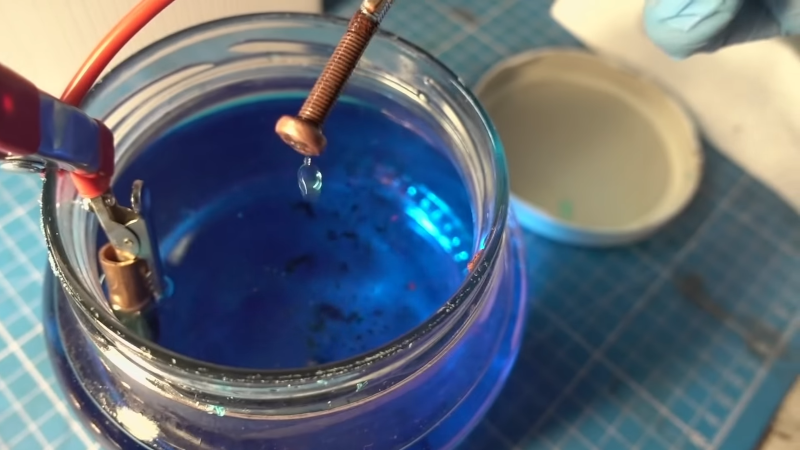
Metal plating plastic or metal parts sounds like one of those factory-floor phrases that should come with safety glasses, a clipboard, and someone named Carl who knows exactly which tank is making that suspicious bubbling sound. But behind the industrial vibe is a surprisingly elegant idea: take a surface that needs better looks, better protection, better conductivity, or better wear resistance, and give it a carefully bonded layer of metal.
Sometimes that base part is already metal, such as steel, brass, zinc die casting, aluminum, or copper alloy. Other times, it is plastic, usually selected because it is lightweight, moldable, and affordable. In both cases, plating can transform an ordinary component into something that looks premium, resists corrosion, conducts electricity, survives friction, or simply passes the “yes, this feels expensive” test.
From automotive trim and bathroom fixtures to electronics, appliance handles, medical device housings, aerospace hardware, and decorative consumer products, metal plating remains one of the most useful surface finishing methods in manufacturing. The trick is that plating is not magic. It is chemistry, electricity, surface preparation, process control, and quality testing working together like a very serious marching band.
What Is Metal Plating?
Metal plating is the process of depositing a thin layer of metal onto the surface of another material. The coating may be decorative, functional, or both. A shiny chrome-looking plastic grille on a car, a corrosion-resistant zinc-coated fastener, a nickel-plated connector, and a gold-plated electronic contact all rely on the same basic concept: the surface gets upgraded without making the entire part out of the coating material.
The most common plating methods include electroplating and electroless plating. Electroplating uses electrical current to deposit metal ions from a solution onto a conductive part. Electroless plating, by contrast, uses a chemical reaction to deposit metal without external electricity. That difference matters because plastic does not naturally conduct electricity. Before plastic can be electroplated, it usually needs a conductive starter layer, often created through special surface preparation and electroless metal deposition.
Why Plate Plastic Parts?
Plating plastic may seem backwards at first. If a product needs a metal surface, why not just make it from metal? The answer is simple: metal is not always the best choice for the whole part. Plastic can be lighter, easier to mold into complex shapes, less expensive at scale, and more design-friendly. Add a metal coating, and the part can gain the visual and functional benefits of metal while keeping the advantages of plastic underneath.
Common Reasons to Plate Plastic
Manufacturers plate plastic parts to create a bright decorative finish, improve wear resistance, add electromagnetic shielding, increase surface hardness, or make a part feel more substantial. Automotive interiors and exteriors are full of examples: emblems, trim pieces, knobs, bezels, handles, and grille accents. In bathrooms and kitchens, plated plastic parts can appear in shower components, faucet accents, appliance trim, and decorative hardware.
The key benefit is design flexibility. A molded plastic part can include curves, clips, ribs, logos, and fine details that would be difficult or costly to machine from solid metal. Once plated, it can look like polished nickel, chrome, copper, brass, or another finish, while still weighing far less than a fully metallic component. In other words, plating lets plastic dress up for a black-tie event without paying for a solid-metal tuxedo.
Why Plate Metal Parts?
Metal plating metal parts is more familiar, but it is just as strategic. A base metal may have good strength but poor corrosion resistance. Another may be affordable but not attractive. A third may conduct electricity well but tarnish too easily. Plating allows manufacturers to combine the strengths of different materials in one component.
Common Reasons to Plate Metal
Steel fasteners are often plated for corrosion protection. Brass parts may be nickel plated for appearance and durability. Copper components may receive tin, silver, nickel, or gold coatings for solderability, conductivity, or oxidation resistance. Aluminum may require special preparation before plating because its oxide layer is stubborn, but with the right process, plated aluminum can be used in demanding applications.
Functional plating can improve hardness, reduce friction, resist chemicals, increase electrical performance, or build up worn surfaces. Decorative plating, meanwhile, creates a premium finish for products that customers see and touch. In many industries, plating is both the armor and the outfit.
Electroplating vs. Electroless Plating
Electroplating is the classic method most people imagine. The part becomes part of an electrical circuit, metal ions in the plating bath are reduced onto the surface, and the coating grows layer by layer. This process is widely used for nickel, copper, chromium, zinc, tin, silver, gold, and other metals.
Electroless plating works differently. It does not need the part to be connected to an electrical current. Instead, a controlled chemical reaction deposits metal onto a properly activated surface. Electroless nickel is especially popular because it can create a uniform coating, even on complex shapes. For plastic parts, electroless copper or electroless nickel often provides the first conductive layer needed before additional electroplated layers are applied.
How Plating on Plastic Works
Plastic plating starts with one major challenge: plastic is nonconductive. You cannot simply hang a plastic part in a plating tank and expect a metal coating to politely attach itself. The surface must be prepared so metal can bond properly and conduct electricity during later plating steps.
Step 1: Choosing a Plateable Plastic
Not every plastic is equally friendly to plating. ABS is one of the most common materials for plating because its structure can be chemically prepared to create microscopic anchoring sites. ABS/PC blends are also widely used, especially when improved heat resistance or impact performance is needed. Other engineering plastics can be plated, but they often require specialized pretreatments.
Step 2: Cleaning and Conditioning
Before plating, the plastic part must be clean. Mold release agents, oils, dust, fingerprints, and surface residues can ruin adhesion. Conditioning helps prepare the surface so later treatments work evenly. This stage is not glamorous, but it is essential. In plating, cleanliness is not next to godliness; it is next to “the coating does not peel off in front of your customer.”
Step 3: Etching the Surface
Etching creates microscopic texture on the plastic surface. This texture helps the metal layer mechanically lock onto the part. In traditional plating on ABS, the etching step selectively modifies the surface so that tiny cavities and anchor points form. Modern processes increasingly focus on reducing hazardous chemistry while still achieving strong adhesion.
Step 4: Activation and Electroless Deposition
After etching and neutralizing, the surface is activated with catalytic sites. These sites allow an electroless metal layer, commonly copper or nickel, to deposit onto the plastic. Once that thin conductive layer is in place, the part can move through standard electroplating steps, such as copper, nickel, and chromium layers.
Step 5: Building the Final Finish
A plated plastic part may receive multiple layers. Copper can help level the surface and improve ductility. Nickel can provide brightness, corrosion resistance, and structure. Chromium may add a thin, hard, bright, wear-resistant final surface. Other finishes can be used depending on performance goals, color, cost, and regulatory considerations.
How Plating on Metal Works
Metal parts are usually conductive already, but that does not mean they are ready for plating. A metal surface may have oil, oxide, scale, rust, polishing compounds, fingerprints, or invisible contamination. These small enemies can cause large failures. Poor preparation is one of the fastest ways to turn a promising plating job into a shiny disappointment.
Cleaning, Pickling, and Activation
Metal parts typically go through cleaning, rinsing, acid activation, and sometimes special strike plating before the main coating is applied. Steel may need alkaline cleaning and acid pickling. Aluminum requires special pretreatment because its natural oxide forms quickly. Zinc die castings need careful cleaning to avoid attacking the base material. Stainless steel may require activation to overcome its passive surface.
The goal is always the same: create a surface that is clean, active, and compatible with the coating. Plating bonds best when the surface is chemically ready and mechanically sound.
Popular Metals Used for Plating
Nickel Plating
Nickel is one of the workhorses of metal finishing. It can provide corrosion resistance, wear resistance, hardness, and a bright decorative appearance. Decorative nickel is often used under chrome, while electroless nickel is valued for uniform coverage and engineering performance.
Chrome Plating
Chrome plating is famous for its bright, mirror-like finish. Decorative chrome is usually thin and applied over nickel. Hard chrome is thicker and used for wear resistance, low friction, and durability on industrial components. Chrome processes require careful environmental and worker-safety controls, especially where hexavalent chromium chemistry is involved.
Copper Plating
Copper is often used as an underlayer because it is ductile, conductive, and helpful for leveling. It can also be used decoratively for warm reddish finishes or functionally in electronics.
Zinc Plating
Zinc plating is commonly used on steel parts to help resist corrosion. It acts sacrificially, meaning the zinc corrodes preferentially to help protect the steel underneath. Fasteners, brackets, clips, and hardware often use zinc coatings.
Tin, Silver, and Gold Plating
Tin is valued for solderability and corrosion resistance in electronics. Silver offers excellent conductivity but can tarnish. Gold is expensive, but it resists oxidation and performs well in high-reliability electrical contacts. No one plates with gold because it is shy; it is used when performance justifies the cost.
Applications of Metal Plating Plastic or Metal Parts
Metal plating appears across industries because it solves several problems at once. In automotive manufacturing, plated plastic reduces weight while maintaining a premium metallic appearance. In electronics, plating supports conductivity, solderability, signal reliability, and corrosion resistance. In aerospace and defense manufacturing, functional coatings can improve wear performance and environmental resistance. In consumer goods, plating makes knobs, buttons, trims, handles, and housings look more refined.
Medical and laboratory devices may use plated parts where cleanability, durability, or conductivity matters. Plumbing and appliance industries use plated finishes for appearance and moisture resistance. Industrial machinery uses hard and wear-resistant coatings on shafts, rollers, molds, tools, and sliding components.
Benefits of Metal Plating
Improved Appearance
A plated surface can instantly make a product look more valuable. Bright nickel, chrome, brass-like tones, satin finishes, black nickel, and copper effects all create visual appeal. For consumer-facing products, appearance can be the difference between “add to cart” and “why does this look like a spare part from a lawn mower?”
Corrosion Protection
Plating can protect the base material from moisture, chemicals, salt, and everyday exposure. The right coating system depends on the environment. Indoor decorative trim does not need the same protection as an exterior automotive part exposed to road salt and temperature swings.
Wear Resistance
Nickel, hard chrome, and other engineering coatings can improve wear resistance. This matters for moving parts, tools, molds, and components that experience repeated contact.
Electrical Performance
Plating is essential in many electrical and electronic applications. Gold, silver, tin, nickel, and copper coatings can improve conductivity, solderability, contact reliability, and resistance to oxidation.
Weight and Cost Efficiency
Plated plastic can reduce weight and material cost while still achieving a metallic finish. Plated base metals can also reduce cost by using a less expensive substrate with a high-performance surface coating.
Common Plating Problems and What Causes Them
Plating defects are usually not random. They are clues. Blisters may point to trapped moisture, poor adhesion, contamination, or separation between layers. Peeling can suggest inadequate surface preparation. Pitting may come from particles, gas bubbles, bath imbalance, or poor rinsing. Burning, roughness, dullness, skip plating, and discoloration can all trace back to process control issues.
Problems in Plated Plastic Parts
Plastic parts bring special challenges. Molding defects that were almost invisible before plating can become obvious after the reflective coating is applied. Splay, flow lines, flash, scratches, sink marks, and stress in the molded part may all show up later. Moisture in the plastic can also cause trouble. A plated finish is brutally honest; it does not hide a bad surface. It puts a spotlight on it and adds jazz hands.
Problems in Plated Metal Parts
Metal parts can fail due to inadequate cleaning, oxide films, improper activation, wrong current density, poor bath chemistry, contamination, or incompatible base metals. Threaded parts, recessed areas, sharp edges, and complex geometries require special attention because plating thickness may not distribute evenly.
Quality Testing for Plated Parts
Quality testing depends on the application. Decorative parts may be evaluated for appearance, adhesion, corrosion resistance, coating thickness, and thermal cycling performance. Functional parts may require hardness testing, solderability testing, conductivity checks, wear testing, porosity checks, and dimensional inspection.
Adhesion testing is especially important for plated plastics. If the metal layer cannot stay bonded through temperature changes, handling, vibration, and normal use, the finish is not reliable. For metal substrates, thickness and corrosion testing often determine whether the coating meets the service environment.
Environmental and Safety Considerations
Metal plating is an industrial process that must be handled responsibly. Plating lines may involve acids, alkaline cleaners, metal salts, complexing agents, electrical equipment, rinse water, sludge, air emissions, and worker exposure concerns. Chromium processes, especially those involving hexavalent chromium, require strict controls because of health and environmental risks.
Responsible plating facilities use ventilation, mist control, wastewater treatment, chemical monitoring, personal protective equipment, employee training, and regulatory compliance systems. The goal is not only to produce a beautiful coating, but to do it safely and consistently. A shiny part is not a success if the process behind it is sloppy.
Choosing the Right Plating Process
The best plating choice depends on the base material, the part geometry, the final use, the environment, cost targets, appearance expectations, and applicable standards. A decorative plastic badge for an appliance has very different needs from a hard chrome hydraulic rod or a gold-plated connector.
Questions to Ask Before Plating
What is the substrate? Will the part be used indoors or outdoors? Does it need corrosion resistance, conductivity, solderability, wear resistance, or purely decorative appeal? Will it face heat, chemicals, sunlight, abrasion, or salt exposure? Are tight dimensions involved? Does the coating need to pass a specific industry standard? These questions shape the entire process.
Good plating starts long before the part reaches the tank. It begins with design, material selection, mold quality, surface condition, and realistic performance requirements. A plater can do many impressive things, but they cannot always rescue a poorly designed part from physics. Physics is famously stubborn.
Design Tips for Better Plated Parts
For plastic parts, use plateable resin grades and avoid designs that trap solution. Smooth transitions, proper radii, consistent wall thickness, and good molding practices can improve plating results. Avoid excessive molded-in stress, sharp flash, deep blind holes, and hidden contamination zones.
For metal parts, consider how current will flow during electroplating. Sharp edges may build heavy deposits, while recessed areas may receive less coating. Threads, internal corners, and complex shapes may need auxiliary anodes, special fixturing, or electroless plating instead of conventional electroplating.
Experiences and Practical Lessons from Metal Plating Plastic or Metal Parts
One of the most useful lessons in metal plating is that the final finish often reveals every decision made earlier. In real production environments, people sometimes think of plating as the last step, almost like adding paint to a finished wall. In reality, plating is more like a truth serum. If the plastic was molded with too much stress, the plated surface may show it. If the metal part was polished with residue left behind, the coating may expose it. If a part has tiny scratches, plating can turn them into shiny little billboards.
A common experience with plated plastic is learning that molding quality matters as much as plating chemistry. A plastic part may look acceptable before plating, but once it receives copper, nickel, and chrome, subtle defects become much easier to see. Flow marks, splay, sink, and flash can ruin the appearance. This is why experienced teams involve the plater early, not after thousands of parts have already been molded. Early collaboration can prevent expensive rework and the deeply unpleasant meeting where everyone stares at defective parts and silently blames “the process.”
Another practical lesson is that adhesion is earned, not assumed. On plastic, the surface must be prepared correctly so the metal layer has something to grip. On metal, oxides and contamination must be removed so the deposit can bond. When adhesion fails, the root cause is often hidden in pretreatment, rinsing, storage, or handling. Even fingerprints can become villains in the story. The best shops treat handling procedures seriously because a clean part can become a contaminated part in seconds.
Plating thickness is another area where experience matters. More coating is not always better. Too much plating can change dimensions, interfere with assembly, reduce flexibility, or create stress. Too little coating may fail corrosion or wear requirements. For threaded parts, connectors, clips, and snap-fit plastic components, thickness must be controlled carefully. A beautiful coating that prevents the part from fitting is not a finish; it is a decorative problem.
Communication also makes a huge difference. A customer may ask for “chrome plating,” but that phrase can mean different things: decorative chrome over nickel, hard chrome for wear, a chrome-like finish, or even a safer alternative finish that only looks similar. The same confusion happens with “nickel finish,” “brushed metal,” or “gold color.” Experienced suppliers ask about performance, not just appearance. Where will the part be used? How long should it last? Will it face sweat, salt spray, cleaning chemicals, sunlight, or repeated touching? These details decide whether the finish succeeds.
The final experience-based takeaway is simple: plating rewards patience and punishes shortcuts. Proper cleaning, rinsing, activation, bath control, fixturing, testing, and packaging all matter. Skip one step, and the defect may not appear until the part is installed, shipped, or handled by a customer. When metal plating plastic or metal parts is done well, it looks effortless. But behind that effortless shine is disciplined process control, good design, careful chemistry, and a team that knows the difference between “bright” and “right.”
Conclusion
Metal plating plastic or metal parts is one of manufacturing’s most versatile finishing solutions. It can make plastic look like polished metal, help steel resist corrosion, improve electrical performance, increase wear resistance, and create decorative finishes that customers actually want to touch. But plating is not just a shiny surface. It is a complete system involving material selection, surface preparation, chemistry, electricity, safety, testing, and design awareness.
For plastic parts, success depends on choosing plateable materials, molding them properly, preparing the surface, and building reliable conductive and decorative layers. For metal parts, success begins with cleaning, activation, compatible chemistry, and the right coating for the job. Whether the goal is chrome-like beauty, nickel durability, zinc corrosion protection, copper conductivity, or gold-level reliability, the best results come from matching the process to the real-world application.
In short, plating is where science meets style. It can turn lightweight plastic into premium trim, protect hardworking metal from harsh environments, and give ordinary parts a surface that performs better than the base material alone. Done poorly, it peels, pits, blisters, and complains loudly. Done well, it quietly makes products stronger, better-looking, and more useful. That is the power of a good finish.