Can a soft satin tube really replace your curling iron? That was the question we had before testing the viral heatless hair curler trick that keeps taking over TikTok, beauty blogs, and “get ready with me” videos. The promise sounds almost suspiciously good: wrap slightly damp hair around a cushioned rod, sleep on it, wake up, shake it out, and enjoy bouncy curls without heat damage. No wand burns. No 6 a.m. bathroom gymnastics. No accidentally clamping the same piece of hair for the third time while half awake.
But does the TikTok heatless curls method actually work in real life, or only under perfect ring-light conditions with a creator who already has mermaid hair? We tested the heatless curling rod trend with realistic expectations, different styling habits, and one very important question: is this little satin noodle worth the hype?
Here is the full heatless hair curler review, including what worked, what failed, who should try it, and how to get better results without waking up looking like you wrestled a Victorian pillowcase.
What Is a Heatless Hair Curler?
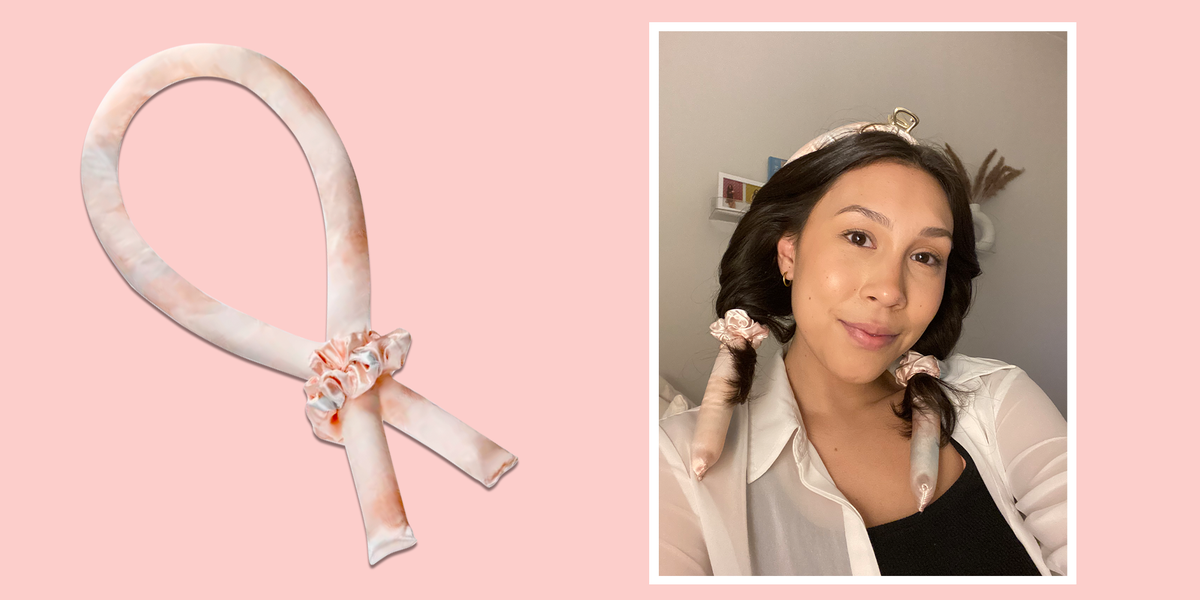
A heatless hair curler is usually a soft, flexible rod covered in satin, silk, or another smooth fabric. Most kits include one long curling rod, two scrunchies, and a claw clip to hold the rod in place while you wrap your hair. Some versions use foam rollers, flexi rods, spiral tubes, robe-tie ribbons, or headband-style designs.
The basic idea is simple: hair takes shape as it dries or rests in a curved position. Instead of using a hot curling iron to force that shape quickly, a heatless curler uses time, tension, and wrapping technique. It is basically the slow cooker of hairstyling. Less drama, less heat, more patience.
Why TikTok Made It Famous
TikTok loves a beauty trick that looks slightly ridiculous at night and magically glamorous in the morning. Heatless curls fit that formula perfectly. The process is visual, affordable, beginner-friendly, and satisfying to reveal. One minute someone looks like they are wearing a plush headband from a sleepover survival kit; the next minute they have soft, brushed-out waves that look like they required professional effort.
The trend also arrived at the perfect time. Many people are trying to reduce heat styling, protect color-treated hair, simplify morning routines, and find lower-maintenance ways to look polished. A heatless curling rod offers the dream: sleep now, style later.
How We Tested the TikTok Heatless Hair Curling Trick
For this heatless hair curler review, we evaluated the method the way a normal person would use it at home: after washing, before bed, with limited patience and no professional stylist hovering nearby. The test focused on four major factors: ease of use, comfort, curl quality, hold, and whether the final result looked intentionally styled or accidentally historical.
We tested the technique on clean hair that was about 80% to 90% dry. This matters. Hair that is soaking wet may not dry fully overnight, especially if it is thick or dense. Hair that is completely dry may not reshape as easily unless it already holds curls well. Slightly damp hair gave the best balance between definition and comfort.
The Basic Method We Used
- Part hair down the middle.
- Place the satin curling rod over the crown like a headband.
- Secure it with a claw clip.
- Wrap small front sections away from the face.
- Add more hair with each wrap, similar to a loose French braid technique.
- Secure the ends with satin scrunchies.
- Sleep, wait several hours, or wear it during a work-from-home day.
- Unwrap gently, separate curls with fingers, and finish with light hairspray or texture spray.
The first attempt was not flawless. One side looked smooth and promising; the other looked like it had been wrapped by a raccoon with a deadline. But after a second try, the technique became much easier. That is one of the biggest truths about heatless curls: they are simple, but they are not always instant. There is a learning curve, especially if you are not naturally good at braiding or sectioning hair.
First Impression: Cute Tool, Confusing First Five Minutes
Out of the package, the heatless curling rod looked soft, lightweight, and harmless. Compared with a curling iron, it felt refreshingly low-risk. There was no plug, no temperature setting, no smell of overheated hair, and no need to ask, “Did I turn that thing off?” three blocks from home.
The satin fabric felt smooth, which is important because rough materials can create friction and frizz. The included scrunchies were gentle, though they needed to be tight enough to keep the ends secure. The claw clip was helpful at first, but once the wrapping was finished, removing the clip made the curler more comfortable for sleeping.
The confusing part was figuring out how much hair to add with each wrap. Too much hair created loose, uneven bends. Too little hair created tighter curls and took longer. The sweet spot was medium-sized sections, wrapped with steady tension but not pulled so tightly that the scalp complained.
The Results: Did the Heatless Curler Actually Work?
Yes, the heatless curler worked, but the result depended on hair type, dampness level, wrapping technique, and how much styling product was used. On medium-length hair with a natural wave, the result was soft, bouncy, face-framing curls that relaxed into loose waves throughout the day. On straighter hair, the curls were visible but needed mousse or hairspray to last. On thicker hair, the curler created pretty movement, but the hair had to be nearly dry before wrapping; otherwise, the inner sections stayed damp.
The final look was not identical to a curling iron curl. That is actually part of the charm. Heatless curls tend to look softer, more romantic, and less “freshly curled for a formal event.” Think loose blowout waves, brushed-out curls, or second-day beachy texture. If you want sharp, glossy, identical ringlets, a hot tool is still more precise. If you want easy movement with less damage, the heatless curling rod has a strong case.
Best Result
The best result came from wrapping hair when it was about 85% dry, adding a lightweight mousse before wrapping, sleeping with the rod secured loosely, and brushing through with fingers in the morning. The curls looked springy at first, then softened into wearable waves within 20 minutes.
Worst Result
The worst result came from using the curler on hair that was too wet. The curls looked uneven, the back section stayed damp, and the finished style had frizz instead of bounce. Lesson learned: heatless does not mean moistureless, but it also does not mean “wrap your hair straight out of the shower and hope for a miracle.”
Pros of the Heatless Hair Curler
1. No Heat Damage
The biggest benefit is obvious: no hot plates, no curling wand, no direct heat. Regular heat styling can contribute to dryness, breakage, split ends, and dullness over time. A heatless hair curler helps reduce your dependence on hot tools while still giving you a styled look.
2. Saves Morning Time
Once you learn the wrapping method, the nighttime setup takes about five to ten minutes. In the morning, you simply remove the rod, separate the curls, and add finishing product. For anyone who treats the snooze button like a sacred ritual, this is a major perk.
3. Comfortable Enough for Many Sleepers
A satin rod is usually more comfortable than old-school hard rollers. Back sleepers may barely notice it. Side sleepers might need to position the rod slightly higher or use a softer, flatter design. It is not invisible, but it is much better than sleeping on plastic curlers that feel like tiny furniture legs.
4. Affordable Compared With Hot Tools
Many heatless curlers cost far less than professional curling irons, multi-stylers, or salon blowouts. Budget versions can still work well if the fabric is smooth and the rod is flexible enough to secure comfortably.
5. Great for Soft, Everyday Waves
This tool shines when the goal is casual volume, loose curls, and pretty movement. It is especially useful for second-day styling, low-effort mornings, and anyone who wants hair that looks done without looking overly done.
Cons of the Heatless Hair Curler
1. It Takes Practice
The first attempt may not produce influencer-level curls. Wrapping evenly on both sides takes coordination. If one side is tighter than the other, the curls may look mismatched. The good news: the learning curve is short. By the second or third try, the process feels much more natural.
2. Results Vary by Hair Type
Fine hair may need mousse for hold. Thick hair may need smaller sections and more drying time. Very short layers can slip out. Coily or tightly textured hair may prefer flexi rods, perm rods, braids, twists, or other heatless methods that better match the curl pattern and desired finish.
3. Not Always Comfortable for Side Sleepers
Some people can sleep in a heatless curling rod with no problem. Others will spend half the night negotiating with a satin tube. If you are a sensitive sleeper, try wearing it during the evening for three to five hours instead of overnight.
4. It Does Not Replace Every Curling Tool
A heatless curler is not the best choice when you need polished, uniform curls in 15 minutes. It is better for planned styling. If you forgot you have dinner plans until the last second, this tool will not bend time, only hair.
Who Should Try a Heatless Hair Curler?
A heatless hair curler is worth trying if you use hot tools often, have color-treated or fragile hair, love loose waves, or want a lower-maintenance styling routine. It is also a smart option for people who want to reduce frizz from heat styling or preserve hair health while still enjoying curls.
It is especially good for medium to long hair because there is enough length to wrap around the rod. Long hair can create gorgeous, flowing waves, while shoulder-length hair may get a bouncier, more curled-under effect. Short hair can still work, but a smaller roller, flexi rod, or headband method may be easier.
Best Tips for Better Heatless Curls
Start With Mostly Dry Hair
The best heatless curls usually start with hair that is slightly damp, not wet. Aim for 80% to 90% dry. If your hair is thick, get closer to 90% dry before wrapping.
Use a Lightweight Styling Product
A small amount of mousse, curl cream, or styling spray can help the curl pattern last. Avoid heavy creams near the roots unless your hair needs extra moisture. Too much product can make curls limp or sticky.
Wrap Away From the Face
For that soft, face-framing TikTok look, wrap the front sections away from your face. This creates a more flattering, open wave pattern and prevents curls from falling awkwardly into your eyes.
Keep Tension Even
Uneven wrapping creates uneven curls. Keep each section snug but not tight. If your scalp feels pulled, loosen the wrap. Beauty should not feel like a tiny ponytail argument.
Let Curls Cool Down Emotionally
Freshly unwrapped heatless curls can look intense for the first few minutes. Do not panic. Separate them gently with your fingers, let them settle, then decide whether to brush. A wide-tooth comb or fingers are safer than aggressive brushing.
Heatless Curler vs. Curling Iron: Which Is Better?
A curling iron is better for speed, precision, and polished curls. A heatless curler is better for hair health, convenience, softness, and overnight styling. The right choice depends on your goal.
If you need perfect curls for an event in 20 minutes, use a curling iron with heat protectant. If you want easy waves for work, school, brunch, errands, or pretending you did more than sleep stylishly, the heatless curler is a winner.
Our Verdict: Is the TikTok Heatless Hair Curler Worth It?
Yes, the TikTok heatless hair curler is worth it for many people, especially if you like soft waves and want to reduce heat styling. It is affordable, gentle, and surprisingly effective once you learn the technique. It will not replace every hot tool, and it may not work perfectly on the first try, but it earns its place in a low-damage hair routine.
The best part is not just the final curl. It is the feeling of waking up with your hair mostly done. There is something deeply satisfying about removing a satin rod and realizing your past self did your morning self a favor. That is personal growth with better volume.
Extra Experience Notes: What We Learned After Living With the Heatless Curl Trend
After spending more time with the heatless curling trick, the biggest lesson was that the tool is only half the story. Technique matters just as much. The first night felt awkward, mostly because wrapping hair around a rod on both sides of your head is not something most people are born knowing how to do. By the third attempt, though, the process became almost automatic. Part, clip, wrap, scrunchie, repeat. It started to feel less like a beauty experiment and more like brushing teeth: a small routine with a nice payoff.
The second lesson was that hair prep changes everything. On freshly washed hair with no product, the curls looked pretty but relaxed quickly. With a small amount of mousse, they lasted much longer and had better bounce. With too much cream, the curls looked weighed down. The best combination was lightweight hold plus smooth ends. A tiny bit of leave-in conditioner on dry ends helped prevent frizz, while mousse through the mid-lengths helped the shape stay.
Sleeping comfort depended on placement. When the rod sat too low near the ears, it felt bulky. When it sat higher on the crown, it was easier to sleep. A silk or satin pillowcase also helped because it reduced friction when turning during the night. Side sleepers may still struggle, but the daytime method is a great backup. Wrapping hair around the curler for several hours while working, studying, cleaning, or watching TV can still create soft waves without the overnight commitment.
One surprising discovery was that the curls often looked better after settling. Immediately after removing the rod, the curls could look a little too perfect or too separated. After finger-combing and waiting 15 to 30 minutes, they softened into a more natural shape. This is where many beginners go wrong: they judge the result too early. Heatless curls need a short “please calm down” period.
The back section was the trickiest area. Because most wrapping happens on the sides, the back can sometimes look flatter. To fix this, we gently redirected some back pieces into the wrap or added a loose bun at the back while the front pieces set. Another option is to use two smaller rods or a few foam rollers for the back layers. People with layered hair may also need bobby pins to keep shorter pieces from escaping overnight.
Humidity also played a role. On dry days, the curls lasted beautifully. On humid days, they became softer and frizzier faster. A flexible-hold hairspray helped, but heavy spray made the style stiff. The best finish was a light mist of hairspray followed by a small amount of smoothing serum on the ends.
The final takeaway: the heatless hair curler is not magic, but it is useful magic-adjacent technology. It rewards patience, practice, and proper prep. It is not ideal for every hair type or every schedule, but for people who love loose curls and want to protect their hair from daily heat, it is one of the easiest beauty trends to justify. Plus, it gives you the rare chance to say, “I styled my hair while unconscious,” which feels like the kind of efficiency modern life promised us years ago.
Conclusion
The viral heatless hair curler trick is popular for a reason. It is gentle, affordable, and capable of creating soft, pretty curls without relying on hot tools. The results are not always perfect on the first try, and the method works best when hair is slightly damp, evenly wrapped, and supported with the right styling product. Still, for everyday waves, reduced heat damage, and easier mornings, the heatless curling rod deserves its TikTok fame.
If your goal is polished, identical curls in minutes, keep your curling iron nearby. But if you want bouncy, natural-looking waves while giving your hair a break, this heatless hair curler review ends with a clear answer: yes, the trend is worth trying. Just do not judge it by attempt number one. Everyone deserves a second wrap.