A griddle is one of those kitchen tools that looks almost too simple to be exciting. It is flat. It gets hot. Food goes on it. At first glance, that sounds like a pan that forgot to grow walls. But give a griddle one lazy Saturday morning, one pile of pancake batter, and one hungry family orbiting the kitchen like breakfast satellites, and suddenly the magic becomes obvious.
So, what is a griddle used for? A griddle is used for cooking foods that benefit from direct contact with a broad, flat, heated surface. Think pancakes, eggs, bacon, French toast, smash burgers, grilled cheese sandwiches, quesadillas, hash browns, fajitas, fried rice, vegetables, seafood, and even steaks. It is basically the multitasking desk of the cooking world: everything has room, everything is visible, and nothing has to fall through grill grates in a tragic little onion avalanche.
Whether you are using a stovetop griddle, an electric griddle, a cast iron griddle, or an outdoor flat top griddle, the basic idea is the same. A griddle gives you a large, mostly uninterrupted cooking surface that spreads heat across the food. That makes it especially useful when you want browning, crisp edges, easy flipping, and the ability to cook several items at once without turning your stovetop into a skillet traffic jam.
What Is a Griddle?
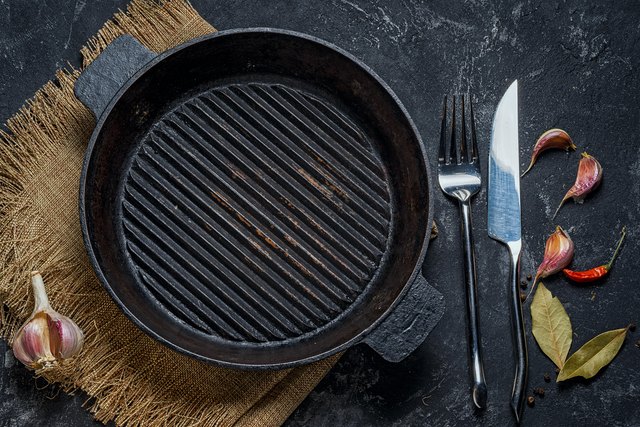
A griddle is a flat cooking surface heated from below. It may be built into a range, placed over burners, plugged in as an electric appliance, set over a grill, or used outdoors as a propane-powered flat top. Most griddles are made from cast iron, carbon steel, stainless steel, aluminum with a nonstick coating, or heavy steel designed to hold and distribute heat.
The most recognizable feature is the surface: wide, flat, and smooth. Some griddles have very low edges to help contain oil, butter, batter, or runaway scrambled eggs. Others are nearly edge-free, which makes it easy to slide a spatula underneath food. Compared with a skillet, a griddle usually offers more space and lower sides. Compared with a grill, it has no open gaps, which means tiny foods stay where they belong: on the cooking surface, not making a heroic escape into the fire below.
What Is a Griddle Used For in Everyday Cooking?
The short answer: a griddle is used for fast, flexible, surface-contact cooking. The longer and tastier answer is that it shines whenever food needs even browning, a crisp exterior, or enough room to cook in batches.
1. Breakfast Foods
Breakfast is where the griddle became famous, and frankly, it deserves the trophy. Pancakes are the classic example because they need a level surface, steady heat, and enough room to flip without performing breakfast gymnastics. A griddle lets you cook multiple pancakes at once, so nobody has to eat in shifts like they are boarding a very syrupy airplane.
Eggs also cook beautifully on a griddle, especially fried eggs, scrambled eggs, omelet-style folds, and breakfast sandwiches. Bacon, sausage patties, hash browns, French toast, and breakfast burrito fillings all fit naturally on the same surface. With a larger griddle, you can cook bacon on one side, toast English muffins on another, and keep pancakes moving in the middle. This is called efficiency. It is also called “I refuse to wash five pans before noon.”
2. Smash Burgers and Sandwiches
A griddle is excellent for smash burgers because the flat surface gives the meat full contact with heat. When a burger patty is pressed onto a hot griddle, it develops a browned, flavorful crust. That crust is the whole point of the smash burger: crispy edges, juicy center, and enough aroma to make neighbors suddenly remember they need to borrow something.
Griddles are also perfect for grilled cheese, patty melts, paninis, cheesesteaks, Reubens, breakfast sandwiches, and quesadillas. The flat surface browns bread evenly, melts cheese efficiently, and gives you room to cook multiple sandwiches at once. A skillet can do one or two sandwiches. A griddle can feed a table. This is why diners love them. Diners know things.
3. Stir-Fry, Fried Rice, and Hibachi-Style Meals
Outdoor flat top griddles have become popular partly because they make backyard fried rice and hibachi-style meals feel possible without installing a restaurant kitchen behind the garage. The large surface lets you cook rice, vegetables, eggs, shrimp, chicken, steak, and sauces in different zones. You can push cooked ingredients to a cooler area while another section keeps sizzling.
This is one of the biggest advantages of a griddle: zone cooking. You can create hotter and cooler areas, especially on larger gas griddles with multiple burners. On one side, onions and peppers can soften. On another, chicken can brown. In the middle, rice can crisp slightly. It is organized chaos, which is the best kind of chaos because dinner comes out of it.
4. Vegetables, Potatoes, and Small Foods
A griddle is ideal for foods that would be annoying or impossible on a grill. Diced potatoes, sliced mushrooms, onions, asparagus pieces, zucchini coins, peppers, chopped cabbage, and small shrimp all stay safely on the surface. On grill grates, half of those ingredients would attempt a disappearing act.
Because a griddle gives full surface contact, vegetables can brown instead of merely warming up and looking disappointed. Potatoes can crisp. Onions can caramelize. Mushrooms can release moisture, then take on color. Cabbage can become sweet and lightly charred around the edges. The result is more flavor without needing complicated techniques.
5. Meats, Seafood, and Searing
Can you cook steak on a griddle? Yes. Can you cook chicken, pork chops, fish, scallops, or shrimp? Also yes. A griddle can produce strong browning because the food touches the hot metal directly. It is especially good for thinner cuts, sliced meats, seafood, and foods that cook quickly.
That said, a griddle is not exactly the same as a grill. A grill exposes food to open flame or radiant heat through grates, which creates grill marks and a smoky, flame-kissed flavor. A griddle gives more even browning across the entire surface. Both methods are useful; they just have different personalities. The grill is the smoky extrovert. The griddle is the dependable friend who brings enough food for everyone.
Griddle vs. Grill: What Is the Difference?
The biggest difference between a griddle and a grill is the cooking surface. A griddle uses a smooth, solid plate. A grill uses raised grates with open spaces between them. That one design difference changes nearly everything: how heat reaches the food, how grease behaves, what foods you can cook, and what kind of texture you get.
On a griddle, food sits directly on the hot surface. This creates even browning and makes it easier to cook delicate or small items. On a grill, food rests on grates above the heat source. This creates grill marks and allows fat to drip away, but it also means foods like eggs, pancakes, chopped vegetables, or fried rice need a pan or basket.
Use a griddle when you want full contact, even browning, easy flipping, or a large workspace. Use a grill when you want smoky flavor, grill marks, and high-heat cooking over open grates. Many home cooks eventually enjoy having both, but if you love breakfast, sandwiches, burgers, and quick weeknight meals, a griddle earns its space quickly.
Types of Griddles and What They Are Best For
Electric Griddle
An electric griddle plugs into an outlet and usually sits on the countertop. It is great for pancakes, French toast, bacon, eggs, grilled cheese, and casual family breakfasts. Many electric models have temperature controls, which makes them beginner-friendly. They are also useful when your stovetop is already full or when you want to cook at the table for a brunch-style setup.
Stovetop Griddle
A stovetop griddle sits over one or two burners. Some are cast iron, while others are aluminum or steel. Double-burner griddles are excellent for larger batches, while smaller ones are handy for daily cooking. Cast iron stovetop griddles hold heat well and can often be used on gas, electric, induction, grills, or even campfires, depending on the design.
Outdoor Flat Top Griddle
An outdoor flat top griddle is usually powered by propane and built for backyard cooking. It offers a large surface and multiple heat zones, making it ideal for burgers, hibachi-style meals, tacos, breakfast spreads, fried rice, fajitas, and meal prepping. It is also fun in a very specific “I own two spatulas and suddenly feel powerful” kind of way.
Cast Iron Griddle
A cast iron griddle is durable, holds heat well, and can develop a naturally seasoned surface over time. It is excellent for pancakes, tortillas, sandwiches, burgers, and searing. Cast iron needs proper care: wash it by hand, dry it thoroughly, and apply a light layer of oil after use. Treat it well, and it may outlive several kitchen trends and possibly a few relatives’ opinions about nonstick pans.
Why Use a Griddle Instead of a Frying Pan?
A frying pan is wonderful, but it has limits. The sides can get in the way when flipping large foods, and the cooking area is usually smaller. A griddle gives you more room and easier access from multiple angles. This matters when you are flipping pancakes, pressing burgers, turning quesadillas, or making several sandwiches at once.
The large surface also helps with batch cooking. Instead of cooking one pancake at a time, you can make four, six, or more depending on the size. Instead of cooking burger patties in rounds, you can cook the patties and toast the buns at the same time. Instead of using separate pans for eggs, bacon, and toast, you can manage everything on one surface. Your sink will notice the difference.
Best Foods to Cook on a Griddle
Here are some of the most practical and delicious griddle-friendly foods:
- Pancakes, crepes, French toast, and waffles reheated until crisp
- Eggs, bacon, sausage, hash browns, and breakfast sandwiches
- Smash burgers, hot dogs, cheesesteaks, and patty melts
- Grilled cheese, paninis, quesadillas, and tortillas
- Fajitas, tacos, fried rice, stir-fried noodles, and hibachi-style meals
- Vegetables such as onions, peppers, mushrooms, zucchini, and asparagus
- Seafood such as shrimp, scallops, salmon, and thin fish fillets
- Thin steaks, chicken cutlets, pork chops, and sliced meats
The pattern is clear: if a food benefits from browning, flipping, pressing, crisping, or cooking in a group, the griddle is probably interested.
How to Use a Griddle Properly
Preheat Before Cooking
Preheating helps the surface reach an even temperature. If you add food too early, it may stick, steam, or brown unevenly. Cast iron and thick steel griddles need a little patience because they take time to heat fully. Electric griddles may be faster, but they still benefit from a few minutes of preheating.
Use the Right Amount of Oil
A thin layer of oil or butter helps prevent sticking and improves browning. Too much oil can make food greasy, while too little may cause sticking. For outdoor griddles, many cooks keep oil in a squeeze bottle for quick, controlled application. It looks professional and saves you from accidentally baptizing your vegetables in half a cup of canola oil.
Manage Heat Zones
Large griddles are great because you can cook at different temperatures. Keep one area hotter for searing and another cooler for holding cooked food. This is especially helpful for meals with multiple ingredients, such as fajitas, fried rice, or breakfast spreads. Heat control is the difference between “beautifully browned” and “why is this pancake wearing a charcoal jacket?”
Use Proper Tools
A wide spatula is useful for pancakes, burgers, and sandwiches. A bench scraper or griddle scraper helps move food and clean the surface. Tongs are handy for bacon and vegetables. For meats, poultry, seafood, and egg dishes, use a food thermometer when safety matters. Ground meats, poultry, fish, and leftovers should be cooked to safe internal temperatures according to recognized food-safety guidance.
How to Clean and Care for a Griddle
Cleaning depends on the type of griddle. Nonstick electric griddles should be cleaned according to the manufacturer’s instructions, usually with gentle tools that will not scratch the coating. Cast iron and carbon steel griddles need a different routine: scrape away food bits, wash as needed, dry completely, and apply a very thin layer of oil to protect the surface.
Outdoor flat top griddles are often cleaned while still warm. Many cooks scrape debris toward the grease trap, use a small amount of water to loosen stuck-on food, wipe the surface, and finish with a light coat of oil. The goal is to keep the cooking surface clean, dry, and protected from rust. A seasoned griddle can become more stick-resistant over time, but it still needs care. Think of seasoning as a tiny armor suit made of oil and patience.
Common Mistakes to Avoid
Cooking Before the Surface Is Hot
Food sticks more easily when the griddle is not properly preheated. Pancakes spread strangely, burgers do not crust, and vegetables steam instead of brown. Let the griddle heat up first.
Overcrowding the Surface
A big griddle can hold a lot, but it is not a magic parking lot. When food is packed too tightly, moisture gets trapped and browning slows down. Leave space so steam can escape.
Using Too Much Heat for Everything
High heat is useful for searing, but not every food wants to live in a volcano. Pancakes, eggs, grilled cheese, and thick sandwiches usually do better at moderate heat. Save the intense heat for foods that need a crust.
Ignoring Grease
Bacon and burgers can release a lot of fat. Manage grease carefully, especially on stovetop griddles and outdoor flat tops. Too much grease can cause flare-ups, smoke, or messy cooking.
Is a Griddle Worth It?
A griddle is worth it if you cook breakfast often, make sandwiches, enjoy burgers, want an easier way to cook for groups, or like quick meals with fewer pans. It is especially useful for families because it turns batch cooking into a normal event instead of a kitchen relay race.
It may not be essential if you rarely cook foods that need a flat surface, have very limited storage, or already use a large skillet for everything. But for many home cooks, a griddle becomes one of those tools that starts as a “nice extra” and quietly becomes the first thing they reach for.
Real-Life Experience: What Cooking on a Griddle Actually Feels Like
The first time you cook on a griddle, you may feel like you have been promoted from home cook to short-order breakfast commander. There is something deeply satisfying about seeing pancakes, bacon, eggs, and toast all happening at once. It feels efficient, a little theatrical, and only mildly dangerous if you forget the handle is hot. The griddle rewards planning, but it also forgives improvisation. That is a rare quality in kitchen equipment.
One of the best griddle experiences is the weekend breakfast test. On a regular stovetop, pancakes often happen in slow batches. The first person gets hot pancakes. The second person gets pancakes that are still good. The cook gets the final pancake, which is usually shaped like a state nobody can identify. With a griddle, the process is smoother. You pour several pancakes at once, watch for bubbles, flip them together, and suddenly breakfast arrives as a group instead of a staggered conference schedule.
Another great use is the weeknight “clean out the fridge” meal. Leftover rice, a couple of eggs, chopped vegetables, a little chicken, and a splash of sauce can become fried rice in minutes. The wide surface lets ingredients spread out so they brown instead of becoming soggy. You can move the rice to one side, scramble eggs on another, then combine everything at the end. It feels like takeout, except you know exactly what went into it and nobody has to search for the missing soy sauce packet.
Smash burgers are where the griddle becomes a personality trait. A hot flat surface, a small ball of ground beef, a firm press, and suddenly you have crispy edges that are hard to achieve in a crowded skillet. Toast the buns on the same surface, melt cheese over the patties, slide everything together, and you will understand why people start inviting themselves over when they hear the word “griddle.” The smell alone could probably start a neighborhood committee.
There is also a learning curve. Eggs can run if your griddle is not level. Pancakes can brown too quickly if the heat is too high. Cheese can escape from sandwiches and become a crispy little bonus snack. Outdoor griddles need cleaning and seasoning, which may feel like extra work at first. But after a few cooks, the rhythm becomes natural: preheat, oil lightly, cook in zones, scrape, wipe, oil again. It is not complicated; it is just a routine.
The biggest practical lesson is that a griddle changes how you think about cooking space. Instead of asking, “Which pan should I use next?” you start asking, “Which part of the surface should I use for this?” That shift makes cooking feel faster and more organized. You can sear, toast, warm, and finish different parts of a meal without constantly swapping pans. For busy families, hungry roommates, or anyone who believes dinner should not require a dishwashing ceremony afterward, that is a serious advantage.
In the end, a griddle is used for more than pancakes and burgers. It is used for making cooking feel open, flexible, and a little more fun. It gives food room to brown, gives the cook room to maneuver, and gives everyone else a reason to wander into the kitchen asking, “Is that ready yet?” The answer, naturally, is “almost,” because the cook deserves at least one peaceful flip before the crowd descends.
Conclusion
A griddle is one of the most versatile cooking surfaces you can own. It is used for breakfast classics, crispy sandwiches, smash burgers, fried rice, vegetables, seafood, and fast family meals. Its wide, flat surface provides steady contact with heat, making it ideal for foods that need even browning, easy flipping, and plenty of space.
While a grill is better for smoky flavor and grill marks, a griddle is better for foods that would fall through grates, cook unevenly, or require a pan. From pancakes to fajitas, it gives home cooks a practical way to cook more food with less clutter. In other words, the griddle is not just a flat pan. It is a breakfast hero, burger machine, sandwich press, stir-fry station, and weeknight dinner assistant wearing one very hot metal cape.