Bingo is one of those rare games that can make a church basement, casino hall, community center, cruise ship, or family living room feel like the Super Bowl for number lovers. It is simple enough for beginners, social enough for groups, and dramatic enough to turn one missing square into a full-body emotional event. If you have ever watched someone grip a dauber like it was a magic wand and whisper, “Come on, B-12,” you already know bingo is more than random numbers. It is suspense with snacks.
This beginner-friendly guide explains how to play bingo in 13 clear steps, with practical examples, common bingo rules, card layouts, winning patterns, etiquette, and smart tips for playing responsibly. The most common American version is 75-ball bingo, played on a 5-by-5 card marked with the letters B-I-N-G-O. Each column has a specific number range, and the center square is usually a free space. Once you understand the card, the caller, and the winning pattern, you are ready to play.
Whether you are heading to your first bingo hall, organizing a family game night, joining an online bingo room, or trying not to look confused when someone yells “Bingo!” three tables away, this guide will help you play confidently.
What Is Bingo?
Bingo is a game of chance where players mark numbers on a card as those numbers are randomly called. The goal is to complete a required pattern before other players. In a standard 75-ball bingo game, the card has 25 squares arranged in five columns and five rows. The columns are labeled B, I, N, G, and O. The middle square is typically a free space, which counts as already marked.
The game may be played with paper cards and ink daubers, reusable cards and chips, electronic devices, or online software. The rules can vary slightly depending on the venue, but the basic idea remains the same: listen, mark, match the pattern, and shout “Bingo!” before someone else steals your thunder.
How to Play Bingo: 13 Steps
Step 1: Choose the Type of Bingo You Want to Play
Before you start, know which version of bingo is being played. In the United States, 75-ball bingo is the classic format. It uses a 5-by-5 card and numbers from 1 to 75. In other places, especially the United Kingdom, 90-ball bingo is common and uses tickets with three rows and nine columns. Some online rooms also offer 80-ball or 30-ball speed bingo.
For beginners, 75-ball bingo is the easiest place to start because the card layout is simple, the free space gives you a head start, and many winning patterns are easy to recognize. If someone says “regular bingo,” “straight-line bingo,” or “traditional bingo” in the U.S., they usually mean 75-ball bingo.
Step 2: Get Your Bingo Card
Each player needs at least one bingo card. A standard 75-ball bingo card has five columns labeled B, I, N, G, and O. Each column contains numbers from a specific range:
- B: 1 to 15
- I: 16 to 30
- N: 31 to 45
- G: 46 to 60
- O: 61 to 75
The center square is usually marked “FREE.” That means you can count it as covered before the game even starts. Congratulations, you are already winning by doing absolutely nothing. This is the kind of productivity we can all support.
Step 3: Understand the Goal of the Game
The goal is to mark numbers on your card until you complete the winning pattern announced for that round. A common beginner pattern is five in a row. This can be horizontal, vertical, or diagonal. However, bingo is famous for creative patterns, so always check the rule board, program, or caller announcement before each game begins.
Examples of bingo winning patterns include a straight line, four corners, postage stamp, letter X, letter T, outside frame, and blackout. In blackout bingo, you must cover every square on the card. It is exciting, but it can feel like waiting for your phone to update at 1% battery.
Step 4: Prepare Your Marker, Dauber, or Chips
If you are playing on paper, you will usually use a bingo dauber. A dauber is a bottle-shaped ink marker designed to stamp circles quickly. If you are playing at home with reusable cards, you can use chips, coins, buttons, cereal pieces, or anything small enough to fit on the squares. Just do not use chocolate chips unless you trust yourself. Many players do not.
Online bingo automatically marks your numbers in many rooms, although some games let you choose manual marking. If you are new, automatic marking can help you focus on learning the patterns instead of panicking every time the caller says “G-57.”
Step 5: Listen Carefully to the Caller
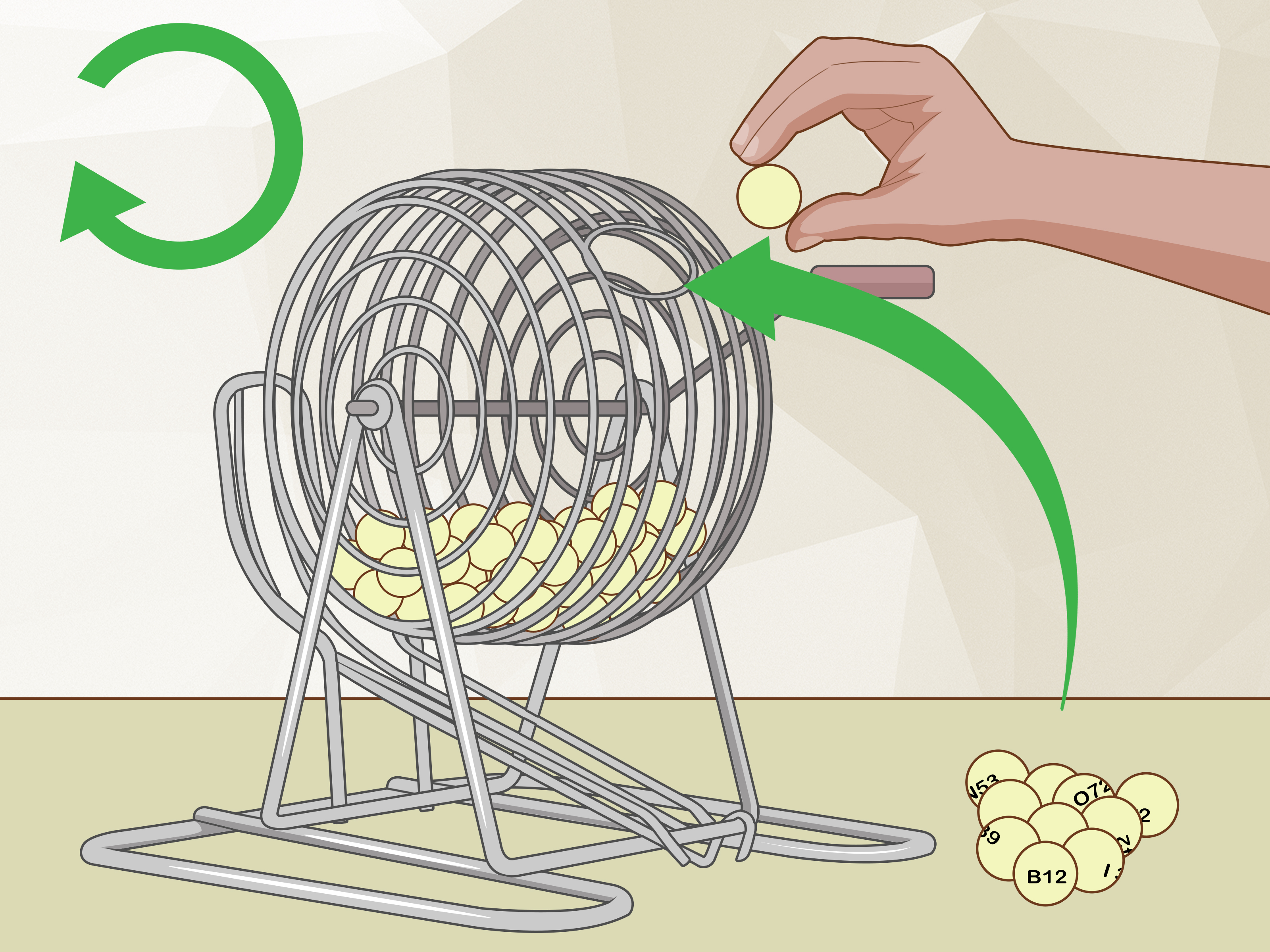
The caller is the person who announces the numbers. In live games, the caller may draw balls from a machine or use an approved random number system. Each call includes a letter and a number, such as “B-7,” “N-39,” or “O-72.” The letter tells you which column to check, and the number tells you what to mark.
Good bingo players listen closely and avoid distracting others. The caller controls the rhythm of the game, and some games move fast. If you miss a number, do not panic. Many bingo halls display recent calls on screens, and online games usually show call history.
Step 6: Mark the Number If It Appears on Your Card
When the caller announces a number, scan the matching column. If the number appears, mark it. If it does not, do nothing and wait for the next call. For example, if the caller says “I-22,” only check the I column. You do not need to search the whole card like a detective in a tiny number mystery.
Accuracy matters. Marking the wrong number can lead to a false bingo, which is awkward at best and frowned upon at worst. Think of it as calling “Happy birthday!” at a wedding. Technically loud, but not helpful.
Step 7: Watch the Winning Pattern
Do not just mark numbers randomly and hope destiny figures it out. Keep your eyes on the pattern required for that game. If the goal is a diagonal line, focus on the diagonals. If the goal is four corners, check the corner squares. If the pattern is blackout, every number matters.
Many bingo halls display the current pattern on a board or screen. If you are playing at home, show the pattern clearly before the game begins. If you are playing online, the pattern is usually shown on the game screen. The pattern is the difference between winning and confidently shouting “Bingo!” for a shape nobody asked for.
Step 8: Call “Bingo!” Clearly When You Win
When you complete the required pattern, call out “Bingo!” loudly and clearly. Raise your hand if you are in a live hall so the floor worker or caller can identify you. Do not wait politely for a dramatic pause. Bingo rewards quick recognition, not shy inner celebration.
In many live games, you must call bingo before the next number is called or before the game officially moves on. House rules vary, so listen to instructions before play starts. If you are online, the system may detect the win automatically, but you should still understand how claims are handled in that room.
Step 9: Wait for Your Card to Be Verified
After someone calls bingo, the game usually pauses while the card is checked. A floor attendant, caller, or electronic system verifies that the marked numbers match the numbers called and that the pattern is correct. This step protects everyone and prevents accidental wins.
If your bingo is valid, you win the prize for that game. If it is not valid, the game continues. False bingos happen, especially to beginners, so do not melt into the carpet if you make a mistake. Apologize, laugh it off, and keep playing. The bingo community has seen it all.
Step 10: Learn Common Bingo Patterns
Patterns are what keep bingo fresh. A straight-line game is great for beginners, but special pattern games add variety. Here are common bingo patterns you may see:
- Straight line: Five marked squares horizontally, vertically, or diagonally.
- Four corners: The four corner squares of the card.
- Postage stamp: A 2-by-2 square in one corner.
- Letter X: Both diagonal lines crossing through the free space.
- Outside frame: All squares around the outside edge.
- Blackout or coverall: Every square on the card must be marked.
Always confirm the pattern before the round begins. Some venues use creative shapes, seasonal themes, or special jackpot patterns. If the caller says the pattern is a kite, champagne glass, or crazy letter L, do not argue with bingo art. Just find the shape.
Step 11: Follow Bingo Hall Etiquette
Bingo is social, but it also requires concentration. Good etiquette makes the game enjoyable for everyone. Arrive early, organize your cards, keep your voice low while numbers are being called, and respect the caller. If you bring snacks, avoid anything so loud it sounds like a construction project in a chip bag.
Do not distract other players, question every call, or celebrate in someone else’s face. If another player wins, be gracious. Your turn may come later. Also, avoid touching another player’s cards or daubers unless invited. In bingo culture, a lucky dauber can be treated with the seriousness of a royal artifact.
Step 12: Manage Multiple Cards Carefully
Many players use more than one bingo card at a time. More cards can increase your chances of having the called numbers, but they also make the game harder to track. Beginners should start with one or two cards until they feel comfortable. Once you can follow the calls without your brain turning into alphabet soup, add more cards if you like.
If you play multiple cards, arrange them neatly. Use different dauber colors only if it helps you see clearly. Do not buy more cards than you can manage. A missed bingo on one of twelve cards is not a strategy; it is cardio for your eyeballs.
Step 13: Play Responsibly and Enjoy the Game
Bingo is entertainment. If you are playing for prizes or money, set a budget before you begin and stick to it. Decide how much you are comfortable spending, and do not chase losses. The outcome is based on chance, so no lucky seat, lucky sweater, or lucky meatball sub can guarantee a win.
Responsible bingo means knowing the rules, staying within your limits, and enjoying the social experience. If the game stops being fun, take a break. The best bingo players are not just the ones who win; they are the ones who leave with their mood, budget, and sense of humor intact.
Bingo Rules for Beginners
Although each venue may have its own house rules, most bingo games follow a similar structure. Players buy or receive cards before the game begins. The caller announces the winning pattern. Numbers are drawn randomly and called one at a time. Players mark matching numbers. The first player to complete the correct pattern calls bingo. The card is verified, and the prize is awarded if the claim is valid.
Some games have multiple winners, split prizes, bonus balls, jackpot rounds, or special rules requiring the winning number to be the last number called. This is why reading the program or listening to the instructions matters. Bingo is simple, but house rules can add spicy little twists.
How to Play Bingo at Home
Playing bingo at home is easy and inexpensive. You need bingo cards, a caller, number slips or bingo balls, and markers. Print cards online, buy a bingo set, or create your own. Place numbers 1 through 75 in a container, draw one at a time, and announce each letter-number combination clearly.
For family games, you can use small prizes like candy, stickers, coupons for chores, or “winner chooses the movie.” For classroom or party bingo, replace numbers with vocabulary words, holiday images, trivia answers, or themed prompts. The structure stays the same, but the content can fit almost any occasion.
How to Play Bingo Online
Online bingo follows the same basic rules but uses digital cards and random number software. Players join a room, buy cards or tickets, and watch as numbers are called automatically. Many platforms offer auto-daub, which marks your cards for you. This is helpful for beginners and for players using several cards at once.
Before playing online, read the room rules, prize details, ticket price, and responsible gaming tools. Use trusted platforms and never spend more than your entertainment budget. Online bingo can be fast and convenient, but it should still be played with the same common sense you would bring to a live game.
Tips to Improve Your Bingo Experience
Bingo is mostly luck, but a few habits can make your experience smoother. Arrive early so you can buy cards, find a comfortable seat, and review the program. Choose a quiet spot where you can hear the caller. Bring your own dauber if the venue allows it. Keep your cards flat and organized. Double-check the pattern before every round.
Most importantly, stay relaxed. Bingo is not a math exam with fluorescent lighting, even if it sometimes feels like one. The more comfortable you are with the rhythm of the game, the easier it becomes to track calls and spot winning patterns.
Common Bingo Mistakes to Avoid
New players often make the same mistakes: buying too many cards, missing the announced pattern, marking numbers in the wrong column, calling bingo too early, or talking over the caller. These are easy to fix. Start small, listen carefully, and check your card before making a claim.
Another common mistake is assuming all bingo games use the same pattern. They do not. One round may require a straight line, while the next may require four corners or a blackout. When in doubt, ask a staff member before the game starts. Bingo players are usually happy to help newcomers, as long as you do not ask during the most intense part of a jackpot round.
Real-Life Experiences: What Playing Bingo Actually Feels Like
The first time you play bingo in a real hall, the atmosphere may surprise you. From the outside, bingo looks calm. People sit at tables, cards lined up neatly, daubers ready. But once the caller starts, the room becomes a soft storm of concentration. You hear numbers, dauber taps, quiet sighs, tiny celebrations, and the occasional dramatic whisper of “I only need one more.” That phrase is the unofficial anthem of bingo.
One of the best experiences beginners can have is learning from regular players. Many seasoned bingo fans have routines. Some arrive early to claim a favorite seat. Some arrange their daubers by color. Some bring tape, snacks, cushions, lucky charms, and enough organization to run a small airport. At first, this can seem intimidating, but most regulars are friendly when they see that you are trying to learn. A simple “Is this seat taken?” or “Can you remind me what the pattern is?” can lead to helpful advice.
Another memorable part of bingo is the emotional roller coaster. You may spend ten minutes needing only one number. You stare at your card. You bargain with the universe. You become deeply invested in O-68, a number you had no opinion about yesterday. Then the caller says O-69, and suddenly you understand heartbreak in a new and oddly specific way. But that suspense is exactly what makes bingo fun. Every call could change the game.
Playing bingo at home has a different charm. It is more relaxed, more flexible, and usually louder. Family bingo often includes jokes, playful accusations of “rigged!” and someone using pennies, cereal, or bottle caps as markers. Kids enjoy the simple matching, adults enjoy the nostalgia, and everyone enjoys winning even a tiny prize. The best home games keep the rules simple and the mood light.
Online bingo offers another experience entirely. It is convenient and fast, and auto-daub features make it easy to follow multiple cards. However, it can also feel less personal than a live game, so chat rooms and themed games help recreate the social feeling. For beginners, online bingo is useful because it teaches patterns and pace without the pressure of a crowded hall.
The biggest lesson from real bingo experience is this: winning is exciting, but the fun is in the shared suspense. Bingo gives people a reason to gather, laugh, focus, and cheer for random numbers as if they were celebrity guests. You do not need advanced strategy, perfect luck, or a neon dauber collection to enjoy it. You only need a card, attention, and the courage to yell “Bingo!” when the moment comes.
Conclusion
Learning how to play bingo is easy once you understand the card, the caller, the number ranges, and the winning pattern. Start with one card, mark numbers carefully, listen closely, and call bingo clearly when you complete the required shape. As you gain confidence, you can try more cards, special patterns, online rooms, or lively bingo hall sessions.
Bingo remains popular because it is simple, social, and surprisingly thrilling. It welcomes beginners while still giving experienced players plenty of room for routines, preferences, and lucky daubers. Play for fun, respect the rules, manage your budget, and enjoy the suspense. After all, in bingo, every number has potential. Even the one you ignored until it became the only thing standing between you and victory.
Note: This article is written in original American English for web publishing, based on real bingo rules, common 75-ball gameplay, standard bingo etiquette, and responsible-play guidance.