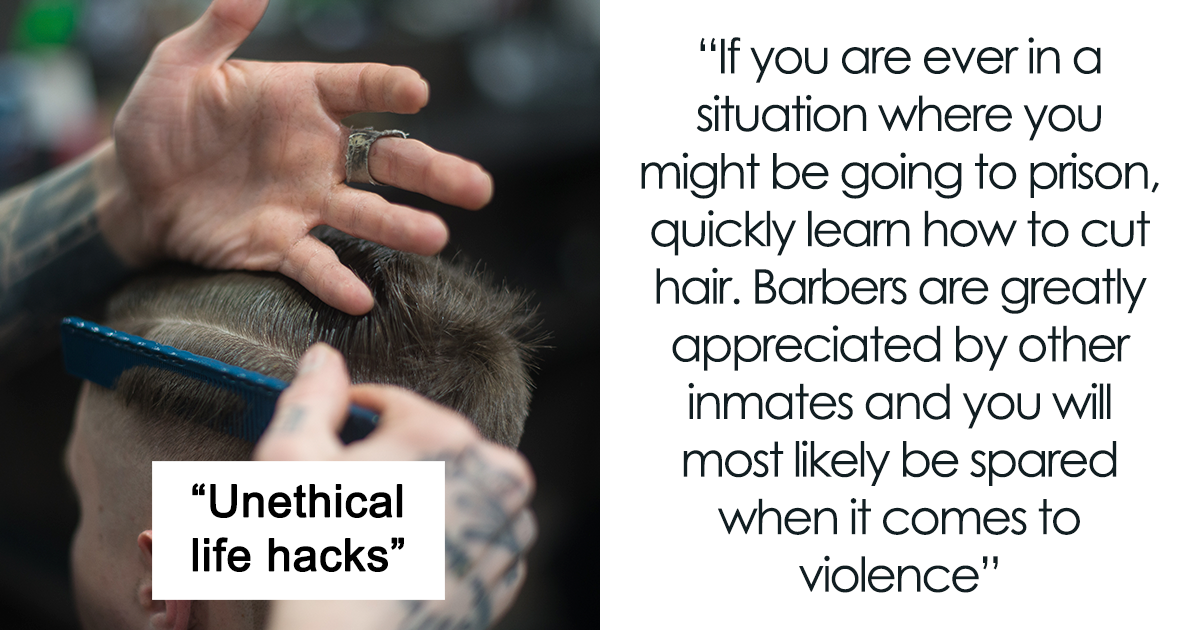
There are ordinary life hacks, such as using a binder clip to organize charging cables. Then there are unethical life hacksthe internet’s mischievous little suggestions for getting what you want by bending rules, exploiting assumptions, or behaving like the villain in a very low-budget superhero movie.
A viral collection originally centered on TikTok creator @thelkshow turned this concept into comedy, offering deliberately questionable shortcuts involving relationships, work, shopping, restaurants, dating apps, customer service, and everyday social interactions. Some suggestions are silly enough to belong in a sitcom. Others cross into deception, manipulation, invasion of privacy, or outright abuse of trust. The distinction matters. The original roundup presented these ideas largely as dark humor rather than responsible advice.
That mixture of outrageousness and plausibility is exactly what makes this kind of content irresistible. TikTok has become especially popular with younger American adults, while short-form video rewards a strong hook, a simple idea, and a fast payoff. Research on social media also suggests that when people are focused on sharing and reacting, they can become less attentive to whether information is actually accurate. In other words, the perfect environment for a terrible idea delivered with excellent timing.
So consider the following 30 examples entertainment and cultural commentarynot a training manual for becoming the most exhausting person in your group chat.
Why Unethical Life Hacks Are So Weirdly Entertaining
A normal productivity tip promises to save five minutes. An unethical hack promises to save five minutes while creating three enemies, one awkward conversation, and possibly an HR meeting.
That makes the genre naturally shareable. The viewer immediately asks, “Would that actually work?” followed closely by, “What kind of monster thought of this?” Humor reduces the seriousness of the proposition, while novelty makes the idea memorable. Psychological research on misinformation has similarly found that repetition and presentation can influence how believable or acceptable information feels, even when people should know better.
There’s also a larger parallel with what consumer researchers call dark patterns: tactics designed to steer people toward decisions they might not otherwise make. The Federal Trade Commission and Consumer Reports have both documented manipulative digital techniques involving misleading prompts, hidden terms, artificial urgency, and other forms of behavioral nudging. Unethical life hacks are essentially dark patterns with shoes onthey apply similar thinking to ordinary human interactions.
30 Unethical Life Hacks From the Darker Side of TikTok
1. Turn an unwanted phone-number request into relationship chaos
One joke suggests redirecting an unwanted admirer toward an ex and supplying just enough false context to manufacture suspicion. Efficient? Perhaps. Mature? Approximately as mature as settling international diplomacy with a food fight.
The real lesson is simpler: giving someone a firm “no” takes considerably less energy than producing a romantic conspiracy subplot.
2. Invent a heroic excuse for sleeping at work
Another hack imagines explaining an office nap by implying that a charitable medical activity caused the fatigue. It is clever because it transforms “I was asleep at my desk” into “Please admire my generosity.”
Unfortunately, borrowing virtue you did not earn is still lying, even when the lie comes with imaginary good-deed points.
3. Piggyback on a coworker’s sick day
The theory: when someone at work gets sick, another employee could conveniently develop the “same thing” shortly afterward. Now your absence looks epidemiological instead of recreational.
Managers have encountered contagious illnesses before, however, and suspiciously timed Monday-morning outbreaks of Beach Fever may still attract attention.
4. Manufacture a fake fitness transformation
One especially shady idea proposes manipulating the chronology of body-transformation photographs and then selling a fitness program around the fictional result.
This crosses the line from mischievous shortcut into deceptive marketing. Misrepresentation involving health or money can cause real harm, which is why fabricated testimonials and misleading commercial claims deserve more scrutiny than laughs.
5. Wage climate-control warfare on an airplane
Someone reclining too far into your microscopic economy-class kingdom? The unethical response is passive-aggressive retaliation involving the overhead airflow.
The ethical solutionasking politelydoes not make a very exciting TikTok, but it also avoids turning seat 18B into the opening scene of a cold war.
6. Become suspiciously useful in an unpleasant environment
One suggestion observes that developing a useful skill can make a person valuable to others in difficult circumstances. Unlike many items here, the underlying idea is not particularly unethical: being useful tends to improve social standing almost anywhere.
The dubious part is the dramatic scenario wrapped around it. Apparently “learn a practical skill” wasn’t spicy enough for the algorithm.
7. Hunt for membership loopholes
Another viral suggestion revolves around using store policies, gift cards, or access exceptions to enjoy benefits without becoming a regular member.
Policies change, employees know the popular tricks, and businesses are surprisingly capable of closing loopholes once several million people announce them online. If a legitimate guest option exists, use it as intended.
8. Compete with ducks for free food
Among the more absurd entries is essentially this: if someone brings bread to feed ducks, why allow the ducks to monopolize the situation?
This belongs firmly in the “please understand that it is a joke” category. The ducks have suffered enough. Also, public humiliation is an expensive price for free bread.
9. Catfish a messy roommate into cleaning
Instead of discussing chores like civilized adults, the hack imagines creating romantic motivation so a messy roommate suddenly discovers the vacuum cleaner.
It exposes an amusing truth: some people will ignore dirty dishes for six days but achieve hotel-level cleanliness when an attractive stranger might visit. Still, fake identities are not a healthy substitute for roommate communication.
10. Use fake romantic interest to drive restaurant sales
A darker business-themed idea imagines attracting dating-app users to a particular restaurant under false romantic pretenses, conveniently generating customers.
That is no longer just cheeky marketing. Deliberately deceiving customers for financial benefit is exactly the kind of conduct consumer-protection systems are designed to discourage. Social-media scams routinely rely on fabricated identities and manufactured trust.
11. Give a cheap ring an imaginary family history
The unethical romantic economist says an inexpensive vintage ring can become emotionally priceless if accompanied by a fictional story about Grandma.
The problem arrives approximately five years later when Grandma sees it and asks, “That’s pretty. Where did you get it?” Some lies come with remarkably long warranty periods.
12. Turn memory foam into biological warfare
One of the collection’s more juvenile pranks involves exploiting the properties of a pillow to deliver an unpleasant surprise later.
No relationship has ever been improved by treating bedroom furniture as experimental fart technology. Science deserves better.
13. Create the appearance of having attempted a phone call
Another suggestion centers on making it look as though you tried to contact someone without genuinely completing the communication.
This represents a recurring theme in unethical hacks: creating evidence of effort instead of making the effort. It works beautifully until someone asks the obvious follow-up question.
14. Manipulate portion expectations at an ice cream shop
The concept here is to change an order at the strategically convenient moment in hopes that serving conventions produce slightly more ice cream.
Congratulations: after carefully engineering the transaction, you may have acquired seventeen cents of additional dessert and one confused teenager behind the counter.
15. Invent an outrageous medical alibi
One joke proposes blaming suspicious medical circumstances on an absurd animal-related explanation rather than admitting uncomfortable personal behavior.
Humorous online? Sure. Sensible in real life? Definitely not. Dishonesty about sexually transmitted infections can affect another person’s health and informed decision-making. Some topics stop being funny once someone else’s well-being is involved.
16. Sabotage a date’s dating profile
The toxic-romance school of thought recommends reducing someone’s alternatives instead of becoming the alternative they voluntarily choose.
Misusing reporting systems can harm innocent users and undermines tools intended for genuine safety concerns. If the date liked you, you probably don’t need sabotage. If they didn’t, sabotage isn’t exactly going to improve the Yelp review.
17. Post fake employment opportunities to weaken competition
One of the nastier suggestions involves creating bogus job opportunities to distract other applicants or gather information about competing candidates.
Fake job listings are not harmless because real applicants may disclose resumes, contact details, employment histories, and other personal information. The FBI and FTC repeatedly warn that impersonation and social engineering exploit precisely this kind of misplaced trust.
18. Make lies sound believable by making yourself look bad
The psychological theory is that people expect liars to make themselves look good, so an embarrassing explanation may sound unusually authentic.
It is a clever observation about credibility but a terrible personal philosophy. Eventually, maintaining elaborate nonsense becomes harder than simply admitting who ate the last cookie.
19. Carry an innocent-looking prop while snooping
Another suggestion jokes that someone nosing around where they do not belong could carry an ordinary office object to create an instant excuse if discovered.
This is classic pretexting: presenting a harmless reason for behavior while pursuing a different objective. It is also a quick way to make coworkers lock every drawer when you approach.
20. Pretend to have a disability to avoid conversation
A particularly uncomfortable hack proposes falsely claiming a disability to discourage small talk during a ride.
Besides being dishonest, it turns a real disability into a convenience costume. A much less terrible option is simply writing that you prefer a quiet ride. Revolutionary, we know.
21. Pocket the value of group-order coupons
Another scheme imagines volunteering to organize everyone’s lunch, quietly applying promotional coupons, and keeping the difference.
The ethical issue isn’t using a coupon. It’s allowing coworkers to believe they paid the true cost while secretly profiting from the transaction. Transparent coordination produces fewer enemies at the next office potluck.
22. Exploit payment failures to dodge forgotten subscriptions
The viral list also jokes about deliberately arranging payment methods so forgotten free trials cannot successfully renew.
A cleaner life hack is less cinematic: set a calendar reminder immediately after starting the trial. Your phone already possesses this miraculous technology.
23. Manipulate a friend with a fictional insurance promise
Here the theoretical strategy is reciprocity: falsely tell someone you have financially provided for them so they feel pressure to provide for you.
Weaponizing friendship for potential financial gain is not clever estate planning. It is emotional manipulation wearing business-casual clothing.
24. Threaten cancellation to chase discounts
Some subscription services automatically offer retention discounts when a customer considers leaving. The TikTok version turns that normal negotiation mechanism into a repeated strategy.
Asking whether a better plan exists is perfectly reasonable. Inventing circumstances or repeatedly abusing promotional systems is where bargain hunting starts growing a tiny villain mustache.
25. Terrify children into brushing their teeth
One parenting-themed joke recommends using exaggerated consequences to scare kids into developing better dental habits.
Fear certainly attracts attention, but accurate explanations and routines usually create fewer childhood mysteries. Losing baby teeth is already strange enough without convincing a five-year-old that Colgate has become a performance review.
26. Fake a computer performance improvement
The proposed trick is to make one superficial computer setting feel faster and then allow the owner to assume the entire machine has been magically optimized.
This is a tiny demonstration of perception versus performance. It is also why legitimate technicians document what they actually changed instead of charging customers for digital theater.
27. Manufacture a crowd of disappointed dates
An especially chaotic social hack imagines arranging multiple fake romantic meetings in one location so the abandoned participants eventually socialize with each other.
As a sitcom episode, excellent. As a real evening involving unsuspecting people, less excellent. Consent remains important even when your grand social experiment would make terrific content.
28. Game a customer-service language menu
The idea is that an alternative language queue might sometimes connect faster than the main customer-service option.
Whether that works depends entirely on the organization, and using specialized queues without needing them may simply shift waiting time onto someone else. The world’s true enemy remains hold music.
29. Turn a holiday wish list into an affiliate campaign
One delightfully capitalist suggestion involves monetizing gifts that other people buy for you through referral arrangements.
Affiliate links are not inherently unethical when clearly disclosed. Secretly earning from family purchases, however, adds an impressive corporate structure to Christmas morning.
30. Manipulate a seller’s expectations with fake low offers
The final scheme involves creating artificial negotiating signals so a later offer seems more attractive than it otherwise would.
This is essentially manufactured market information. Fake accounts and deceptive signals can violate platform policies and destroy trust between buyers and sellers. Sometimes the boring strategymaking a fair offeris boring because it works.
What These Unethical Hacks Have in Common
Although the situations range from office naps to online dating, most unethical life hacks rely on just a handful of psychological mechanisms.
First, they exploit assumptions. People assume coworkers are reasonably honest, online profiles represent real humans, job advertisements represent real jobs, and friends are not secretly conducting insurance-related psychological warfare.
Second, they create information asymmetry. One person knows something the other person does not. That hidden information becomes leverage.
Third, they manipulate social pressure. Sympathy, embarrassment, scarcity, politeness, guilt, romantic interest, and reciprocity can all influence decisions. Researchers and regulators studying deceptive digital interfaces describe similar techniques: the architecture surrounding a decision can significantly shape what people choose.
Finally, many hacks outsource the cost. The person using the shortcut saves time, money, or discomfort while someone else absorbs the inconvenience. That is often the easiest moral test. If your brilliant trick only works because another person unknowingly pays the bill, emotionally or financially, congratulations: you have discovered exploitation.
Why Social Media Makes Questionable Advice Look Smarter Than It Is
Short-form videos are remarkably good at stripping away complications. A creator has seconds to establish the problem, reveal the trick, and deliver the punchline. There is rarely room for the fourteen-minute sequel titled “Unexpected Consequences and Why Everyone Is Mad at Me.”
MIT researchers have found that simply putting people into a sharing mindset can interfere with careful truth evaluation, while other work suggests lightweight accuracy reminders can improve what users choose to share. Stanford researchers have likewise shown that digital-literacy interventions can improve people’s ability to distinguish questionable information from reliable material.
That matters far beyond comedy. The FTC reported in 2026 that nearly 30% of people who reported losing money to scams in 2025 said the scam began through social media. The lesson is not that every clever TikTok is dangerous; it is that familiarity with deceptive techniques is increasingly useful digital literacy.
Better Business Bureau guidance similarly warns that scammers use social platforms to present themselves as experts, while FBI consumer guidance emphasizes that social engineering often succeeds by making fraudulent communication appear trustworthy. The underlying skill worth learning, therefore, isn’t how to manipulate people. It’s how to notice when somebody may be manipulating you.
Real-World Experiences: What Happens When the Joke Leaves TikTok?
The funniest thing about unethical life hacks is how quickly they stop being funny once you imagine yourself on the receiving end.
Consider a composite workplace situation. Someone discovers a clever online trick for avoiding an uncomfortable conversation with a manager. The deception succeeds. Nothing explodes. Nobody calls the police. Our amateur mastermind walks away feeling like Ocean’s Eleven successfully stole the afternoon.
Then the same person uses another small lie two weeks later. And another after that. Eventually colleagues notice inconsistencies. The immediate benefit of each shortcut was tiny, but the accumulated cost is trust. Once coworkers start wondering whether every excuse has been engineered, even genuine explanations receive suspicion. A five-minute shortcut has created a permanent credibility tax.
Dating offers an even clearer example. Imagine discovering that someone you liked had secretly interfered with your dating profile because they wanted fewer competitors. The manipulator might describe it as proof of affection. Most people on the receiving end would use a slightly different phraseprobably one containing the word “block.”
The same pattern appears in shopping. Someone manipulates a seller with artificial signals and saves $30. Financially, that’s a victory. But imagine being the seller who spent an afternoon answering fake inquiries designed specifically to distort your perception of demand. Suddenly the brilliant negotiation strategy looks less like clever bargaining and more like wasting a stranger’s time.
Then there are the hacks that seem harmless because their victim is a company instead of an individual. People often feel less moral discomfort about gaming a subscription service, exploiting a promotion, or manipulating a cancellation flow. To be fair, consumers themselves routinely encounter manipulative interfaces. The FTC, Consumer Reports, Harvard researchers, and others have documented how businesses can use confusing design, hidden conditions, preselected choices, urgency, and friction to influence customers.
That creates an interesting ethical temptation: if companies are gaming us, why shouldn’t we game them?
The answer is that negotiation and deception are different tools. Asking for a retention discount is negotiation. Inventing facts to obtain something you’re not entitled to is deception. Using a published promotion is bargain hunting. Secretly charging your coworkers the pre-discount amount and pocketing their savings is profiteering with sandwiches.
Another common experience is discovering that a viral “hack” simply does not work anymore. Internet tricks spread faster than policies stay unchanged. Stores adjust membership rules. Apps patch loopholes. Customer-service systems change. Platforms detect fake accounts. What looked like secret insider knowledge may already be famous among every employee who has dealt with twelve people attempting it that week.
This is where critical thinking becomes more valuable than cleverness. Cornell and Stanford research on misinformation interventions suggests that people can improve their ability to evaluate questionable claims rather than automatically accepting what appears in a feed. The habit is simple: pause, verify, and consider incentives. Who benefits if you believe the claim? What information is missing? Would the tactic still sound clever if someone used it against you?
That final question may be the best moral compass of all. If your reaction changes dramatically when you imagine yourself as the target, you probably haven’t discovered a life hack. You’ve discovered a socially creative way to be annoying.
The Better Life Hack: Become Harder to Manipulate
There is genuine value in reading unethical life hacksjust not necessarily in using them.
They reveal how easily everyday systems depend on trust. They show how social expectations can be manipulated. They expose why fake profiles, invented authority, sympathy, urgency, and fabricated scarcity can be surprisingly persuasive. Understanding those mechanisms can make you better at spotting online scams, misleading advertising, social engineering, and manipulative behavior.
Harvard Business Review has emphasized the long-term value of transparency and consumer trust, while regulatory and academic work on deceptive design makes a similar point from another direction: short-term manipulation may produce an immediate gain, but trustworthy relationships are much harder to rebuild once deception becomes visible.
Conclusion
The enduring appeal of unethical life hacks isn’t really that millions of people are desperately searching for instructions on how to become terrible human beings. Most viewers enjoy the absurd thought experiment: take an ordinary social rule, remove morality for thirty seconds, and see what happens.
The best examples are ridiculous enough to make us laugh while exposing something real about psychology. We trust appearances. We respond to social pressure. We dislike confrontation. We love shortcuts. And occasionally we become so impressed by cleverness that we forget to ask whether clever and good are remotely the same thing.
So enjoy the fake dating schemes, office excuses, discount gymnastics, hypothetical duck robbery, and aggressively entrepreneurial Christmas lists for what they are: dark comedy about human behavior.
Just remember that the most effective life hack remains painfully uncool: communicate clearly, negotiate honestly, read the fine print, verify suspicious claims, and try not to make another person’s day worse merely because TikTok made it sound hilarious.
Note: This article discusses questionable online tactics for commentary, humor, digital-literacy awareness, and analysis. Some examples involve deception, privacy violations, platform abuse, or potentially unlawful conduct and should not be treated as instructions or endorsements.