Hollywood gives awards to actors, directors, costume designers, composers, and occasionally a movie in which everyone spends three hours looking worried in expensive lighting. Yet one hardworking group remains scandalously overlooked: cartoon dogs.
These animated canine characters have solved mysteries, protected children, flown through space, stolen spaghetti, survived supernatural monsters, and patiently waited for their humans to understand the obvious. Some talk. Some communicate with one raised eyebrow. Others wear capes, drive vehicles, or maintain suspiciously sophisticated philosophical opinions.
Our list of famous cartoon dogs celebrates 55 lovable hounds from classic comic strips, television cartoons, preschool favorites, superhero stories, and animated movies. The judging criteria are entirely scientific: memorable design, personality, loyalty, comedic timing, emotional impact, and the likelihood that audiences would immediately attempt to hug them.
What Makes a Cartoon Dog Oscar-Worthy?
The cutest animated dogs are rarely adorable because of appearance alone. Great cartoon dog characters combine recognizable canine behavior with a personality that feels surprisingly human. Scooby-Doo may speak, but his snack-based decision-making is pure dog. Snoopy writes novels and imagines himself as a flying ace, yet he still celebrates dinner like it is a national holiday.
The best characters also communicate through strong visual details. Pluto has expressive ears and a rubbery tail. Gromit can deliver an entire argument using only his eyebrows. Courage spends much of his series visibly terrified, but he repeatedly chooses to protect the people he loves. That mixture of vulnerability, loyalty, and comic exaggeration turns a simple animated pet into an unforgettable star.
Classic Cartoon Dogs Who Built the Doghouse of Fame
-
Snoopy Peanuts
Snoopy is a beagle, novelist, pilot, art collector, dancer, and full-time master of imagination. His ability to transform a doghouse into an airplane makes him one of the most iconic cartoon dogs ever drawn.
-
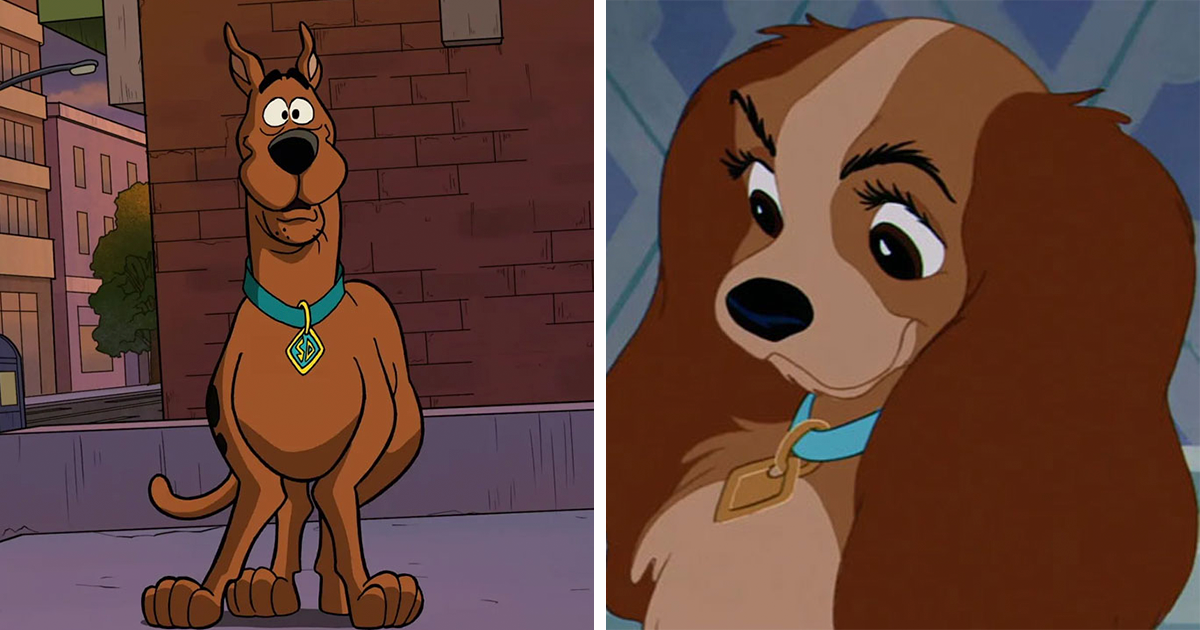
Scooby-Doo Scooby-Doo
This mystery-solving Great Dane is frightened by ghosts, suspicious hallways, and probably his own shadow. Still, Scooby always returns to help his friends, especially when courage comes with a sandwich.
-
Pluto Mickey Mouse Cartoons
Pluto does not need dialogue. His ears, paws, tail, and wonderfully confused expressions tell complete stories. He represents the joyful chaos of a real dog better than many characters with ten-page scripts.
-
Goofy Mickey Mouse and Friends
Goofy is an anthropomorphic canine character rather than a conventional pet, but excluding him would be a crime against slapstick. His optimism remains unbreakable, even when gravity, machinery, and common sense unite against him.
-
Odie Garfield
Odie is endlessly cheerful despite sharing a home with a cat who treats sarcasm as cardio. His long tongue, vacant smile, and sincere affection make him a lovable counterweight to Garfield’s cynicism.
-
Droopy MGM Cartoons
Droopy speaks as though he has just awakened from a fifteen-year nap, yet he routinely outsmarts faster and louder opponents. His calm face makes every unexpected victory considerably funnier.
-
Huckleberry Hound The Huckleberry Hound Show
With his blue fur, Southern drawl, and relaxed personality, Huckleberry Hound can make disaster feel pleasantly manageable. He rarely appears hurried, even when the plot clearly requires urgency.
-
Muttley Wacky Races
Muttley’s wheezing laugh deserves its own sound-design award. Although technically a villain’s sidekick, he is far too entertaining to dislike and frequently seems smarter than his human boss.
-
Astro The Jetsons
Astro is the future’s answer to the family dog: affectionate, energetic, and capable of speaking with enough unusual pronunciation to make every sentence memorable. Technology changes; dogs demanding attention do not.
-
Hong Kong Phooey Hong Kong Phooey
By day, Penry is a mild-mannered janitor. By slightly later that same day, he is a costumed crime fighter whose victories often depend on his cat quietly fixing everything behind him.
-
Underdog Underdog
Underdog combines superhero courage with humble charm. Whenever trouble threatens Sweet Polly Purebred, this caped canine arrives with rhymes, determination, and absolutely no concern for local building codes.
-
Mr. Peabody Peabody’s Improbable History
Mr. Peabody is an inventor, scientist, historian, and genius who happens to be a dog. He also adopted a human boy, proving that cartoon logic occasionally improves reality.
-
Spike Tom and Jerry
Spike is a powerful bulldog with a soft spot for his son, Tyke. Tom frequently learns that disturbing Spike’s peace is less a mistake and more an express delivery to the nearest wall.
-
Santa’s Little Helper The Simpsons
The Simpsons’ rescued greyhound is impulsive, anxious, and not especially trainable. In other words, he fits into the family perfectly and supplies Springfield with some of its sweetest moments.
-
Brian Griffin Family Guy
Brian reads, writes, drives, debates politics, and experiences complicated relationships. Beneath the sophistication, however, he remains a dog who can be completely defeated by a vacuum cleaner.
Disney Dogs With Award-Winning Puppy Eyes
-
Lady Lady and the Tramp
Lady is elegant without being distant, sheltered without being helpless, and capable of making a simple plate of spaghetti one of animation’s most romantic meals.
-
Tramp Lady and the Tramp
Tramp is a streetwise charmer with survival skills and a carefully hidden heart of gold. He acts independent until someone he loves needs help, at which point the tough-guy performance disappears.
-
Jock Lady and the Tramp
This proud Scottish terrier is loyal, protective, and wonderfully opinionated. Jock may be small, but his confidence occupies approximately three city blocks.
-
Trusty Lady and the Tramp
Trusty is an elderly bloodhound who tells stories about his legendary grandfather, Old Reliable. His memory occasionally takes scenic detours, but his loyalty never does.
-
Peg Lady and the Tramp
Peg brings glamour, confidence, and worldly wisdom to the dog pound. Her fabulous ears alone could win Best Supporting Hairstyle.
-
Pongo One Hundred and One Dalmatians
Pongo begins as a clever matchmaker and becomes a fearless father. Leading a rescue mission for an enormous group of puppies earns him both a Cuteness Oscar and several uninterrupted naps.
-
Perdita One Hundred and One Dalmatians
Graceful and deeply devoted, Perdita crosses dangerous countryside to save her puppies. She proves that maternal courage can be gentle, elegant, and absolutely unstoppable.
-
Patch One Hundred and One Dalmatians
Patch is recognizable by the dark marking over one eye and his adventurous personality. Among dozens of siblings, he still finds a way to become the puppy audiences remember.
-
Rolly One Hundred and One Dalmatians
Rolly is usually hungry, sometimes immediately after eating. His commitment to snacks gives him a spiritual connection with Scooby-Doo and everyone opening the refrigerator after midnight.
-
Lucky One Hundred and One Dalmatians
Lucky earns his name after surviving a frightening start in life. His horseshoe-shaped spots and enthusiastic personality help him stand out in animation’s busiest puppy household.
-
Bolt Bolt
Bolt believes his television superpowers are real, which makes the outside world rather confusing. His journey from manufactured hero to genuinely brave companion gives the movie its emotional spark.
-
Dug Up
Dug’s collar translates his thoughts into speech, revealing that a dog’s internal monologue mostly involves affection, excitement, and sudden interruptions by squirrels. Science has never felt more accurate.
-
Slinky Dog Toy Story
Slinky Dog stretches across rooms, gaps, and occasional narrative emergencies. His loyalty to Woody is as dependable as his spring-loaded middle is delightfully impractical.
-
Copper The Fox and the Hound
Copper’s childhood friendship with Tod gives audiences one of Disney’s most tender stories. His floppy ears and innocent enthusiasm arrive well before adult responsibilities complicate everything.
-
Chief The Fox and the Hound
Chief is older, gruffer, and highly experienced. Although he initially appears intimidating, his bond with Copper reveals the protective heart beneath the hunting-dog attitude.
-
Dodger Oliver & Company
Dodger is confident, musical, street-smart, and able to wear sunglasses without looking ridiculous. That final achievement alone deserves professional recognition.
-
Georgette Oliver & Company
Georgette is a pampered poodle who treats every room like a stage. Her theatrical jealousy is balanced by charisma, perfect grooming, and impressive commitment to dramatic entrances.
-
Tito Oliver & Company
Tito is a tiny Chihuahua with enormous confidence. He approaches danger, romance, and electrical equipment with the same fearless enthusiasm, which is admirable but medically concerning.
-
Max The Little Mermaid
Prince Eric’s sheepdog recognizes Ariel’s familiar scent long before the humans understand what is happening. Like many dogs, Max solves the mystery and receives almost none of the credit.
-
Nana Peter Pan
Nana serves as the Darling children’s devoted nursemaid. She organizes medicine, supervises bedtime, and demonstrates more practical parenting ability than several nearby adults.
-
Little Brother Mulan
Little Brother helps with household chores by chasing feed and scattering it among the chickens. The method is chaotic, but management should have provided clearer instructions.
Modern Animated Dogs Who Stole the Screen
-
Courage Courage the Cowardly Dog
Courage is frightened for excellent reasons: his farmhouse attracts monsters, aliens, curses, and deeply unsettling visitors. Nevertheless, he repeatedly saves Muriel and Eustace, making him one of animation’s bravest dogs.
-
Jake Adventure Time
Jake is a magical dog who can stretch into almost any form. He is also Finn’s best friend, adoptive brother, occasional mentor, and reliable provider of wonderfully strange advice.
-
Blue Blue’s Clues
Blue transformed paw prints into essential evidence and encouraged generations of children to think carefully. She rarely speaks, yet communicates better than many people in a group chat.
-
Clifford Clifford the Big Red Dog
Clifford is enormous because Emily Elizabeth loved him so much. His size creates practical difficulties, but it also allows him to turn kindness into a neighborhood-scale construction project.
-
Bluey Bluey
Bluey is an imaginative Blue Heeler puppy whose games transform ordinary family life into elaborate adventures. Her curiosity, emotional honesty, and unstoppable energy have made her a modern animation icon.
-
Bingo Bluey
Bingo is younger, quieter, and often more sensitive than her sister. Her thoughtful observations and expressive little face can turn a seven-minute episode into an unexpected emotional event.
-
Chase PAW Patrol
Chase is a German Shepherd police and traffic pup who takes responsibility seriously. He is organized, brave, and probably the only dog whose backpack contains more equipment than an airport security office.
-
Marshall PAW Patrol
Marshall is a Dalmatian firefighter and medic with heroic intentions and unreliable coordination. Fortunately, every tumble somehow increases his charm rather than his insurance premiums.
-
Skye PAW Patrol
Skye is a fearless flying pup who loves aviation and aerial rescues. Her small size never limits her courage, proving that heroism is measured in action rather than inches.
-
Krypto Krypto the Superdog
Superman’s canine companion possesses extraordinary powers under Earth’s yellow sun. Flying, super strength, and enhanced senses are impressive, although resisting unattended food would be the ultimate superpower.
-
Ace the Bat-Hound DC Animation
Ace brings canine loyalty to Batman’s world of gadgets, mysteries, and dramatic shadows. He also confirms that every superhero headquarters improves immediately after adding a dog.
-
Gromit Wallace & Gromit
Gromit never speaks, but his eyes and eyebrows deliver perfect reactions to Wallace’s questionable inventions. He is patient, intelligent, brave, and usually the only adult in the room.
-
Max The Secret Life of Pets
Max is a loyal terrier whose comfortable routine collapses when Duke arrives. His anxiety, jealousy, and devotion make him relatable to anyone who has ever disliked an unexpected houseguest.
-
Gidget The Secret Life of Pets
Gidget appears fluffy and delicate until Max needs rescuing. Then the Pomeranian becomes a fearless action hero wrapped in enough white fur to clog an industrial vacuum.
-
Duke The Secret Life of Pets
Duke is a giant, shaggy mutt whose intimidating size hides emotional insecurity and a longing for belonging. His friendship with Max grows from territorial conflict into genuine brotherhood.
-
Max Dr. Seuss’ How the Grinch Stole Christmas
Max tolerates antlers, sleigh duty, and one extremely grumpy owner. His patient sweetness provides the story’s earliest evidence that the Grinch’s heart may not be completely beyond repair.
-
Dog Man Dog Man
Part police officer and part faithful dog, Dog Man combines heroic instincts with gloriously canine behavior. He fights crime, chases villains, and occasionally treats professional procedure like an optional suggestion.
-
Magenta Blue’s Clues
Magenta is Blue’s artistic, affectionate puppy friend. Her bright coloring, gentle personality, and instantly recognizable glasses make her one of preschool television’s sweetest supporting characters.
Why Famous Cartoon Dogs Connect With Every Generation
These dog characters in cartoons appeal to children because their emotions are clear. Excitement looks enormous. Fear produces shaking knees and airborne fur. Sadness arrives through lowered ears, while happiness activates the entire tail section. Young viewers can understand these feelings before they understand every line of dialogue.
Adults often notice another layer. Cartoon dogs represent loyalty without pretending loyalty is effortless. Copper struggles between friendship and duty. Bolt must reconsider everything he believes about himself. Max learns to share his home, while Courage acts despite being terrified. These stories use animated canine characters to explore jealousy, responsibility, family, grief, and bravery without losing their playfulness.
They are also magnificent comedy machines. Dogs naturally investigate the wrong object, react dramatically to harmless noises, and become emotionally invested in food. Animation exaggerates those habits until a squirrel can interrupt an epic speech or a wagging tail can destroy an entire room.
The Cartoon-Dog Viewing Experience: 500 Extra Words of Nostalgia, Laughter, and Unexpected Feelings
Watching famous cartoon dogs often becomes a surprisingly personal experience because these characters arrive at different stages of life. A preschooler may first meet Blue while learning to identify clues, patterns, and emotions. A few years later, that same viewer may watch Scooby-Doo and discover the delicious thrill of being frightened by a monster that will eventually turn out to be an irritated property owner wearing an impractical costume.
Cartoon dogs also create shared family memories. Parents who grew up with Snoopy, Pluto, or Scooby can introduce those characters to their children without providing a lengthy cultural briefing. Snoopy still wants dinner. Pluto still becomes tangled in household objects. Scooby still believes that an unusually large sandwich is reasonable compensation for entering a haunted building. Their humor remains accessible because it grows from recognizable behavior rather than temporary trends.
The most memorable viewing experiences often begin with laughter and end with an emotional ambush. A viewer may sit down expecting seven cheerful minutes of Bluey, only to find an episode quietly exploring patience, growing up, disappointment, or family connection. The Fox and the Hound begins with the irresistible friendship between Copper and Tod, then asks what happens when social roles pull childhood friends apart. Bolt delivers action-comedy spectacle before revealing a vulnerable dog who must learn that love does not require television superpowers.
These characters also encourage audiences to study animation itself. Gromit demonstrates how much an artist can communicate without dialogue. A slight movement of his brow can express concern, suspicion, exhaustion, and the silent realization that Wallace has once again constructed something dangerous before breakfast. Courage uses elastic movement and surreal transformations to make fear visually hilarious. Snoopy’s deceptively simple design allows him to become a pilot, writer, attorney, athlete, or college student while remaining unmistakably Snoopy.
Rewatching these cartoons as an adult can produce a completely different experience. Children may identify with Bluey and Bingo, while adults suddenly understand why Bandit occasionally lies on the floor. Young viewers see Brian Griffin as a talking dog; older viewers recognize a satire of intellectual vanity. Kids admire the PAW Patrol pups’ vehicles, while parents wonder who funds Adventure Bay’s astonishing emergency-services budget.
Perhaps the strongest experience these cartoon dogs provide is recognition. Their exaggerated personalities resemble real pets. Dug’s interrupted thoughts recall every dog that has abandoned an important mission because something moved in a tree. Odie captures uncomplicated enthusiasm. Max from The Grinch represents the patient animal who loves a difficult person anyway. Clifford reflects the idea that affection can make a small presence feel enormous.
That recognition explains why animated dogs remain comforting even when their stories are ridiculous. They remind viewers of companionship, routine, play, and the peculiar emotional magic of being welcomed as though returning from a five-year expedition after merely checking the mailbox. A Cuteness Oscar may not exist, but cartoon dogs have already won something more durable: permanent residence in the audience’s memory.
And the Cuteness Oscar Goes To…
Choosing one winner is impossible. Snoopy dominates imagination, Scooby owns comedic fear, Gromit rules silent acting, Bluey leads modern family storytelling, and Courage may be the bravest coward ever animated. Every dog on this list contributes a different kind of charm.
The greatest classic cartoon dogs do more than decorate a story. They move the plot, reveal their humans’ personalities, soften difficult themes, and deliver jokes no ordinary character could perform. Whether they wear collars, capes, aviation gear, police uniforms, or an expression of profound concern about their owner’s latest invention, these 55 dogs deserve applause, treats, and a trophy shaped like a golden chew toy.