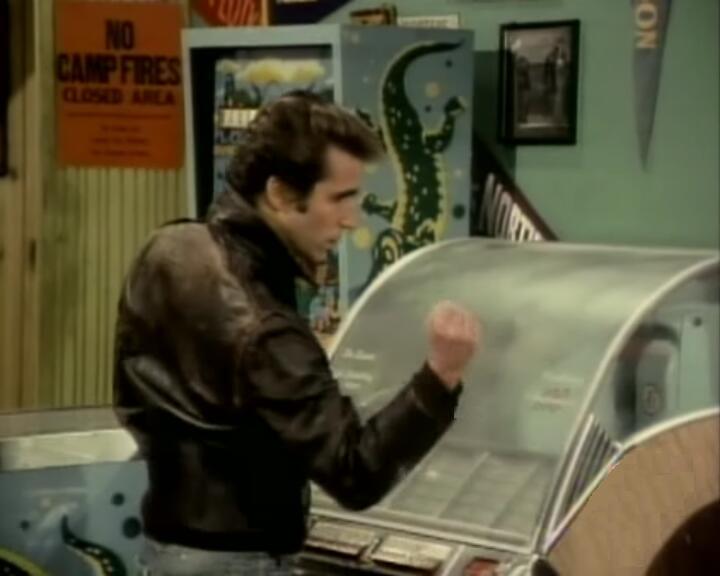
There are few human instincts more universal than staring at a malfunctioning electronic device, narrowing your eyes like a detective in a raincoat, and giving it one firm smack. Not a violent smash. Not a cartoon hammer attack. Just a confident little “technical tap,” delivered with the authority of someone who has absolutely no idea what is happening inside the machine.
And then, sometimes, the impossible happens. The TV picture clears. The remote starts working. The old radio coughs back to life. The dashboard display stops flickering. Suddenly you are not just a frustrated person in socksyou are an electronics whisperer. Somewhere in the distance, a toolbox salutes.
This legendary move has an actual nickname: percussive maintenance. That sounds fancy enough to appear on a résumé, but it basically means “fixing electronics by smacking them.” It is part science, part nostalgia, part comedy, and part last-resort bargaining with the tiny invisible gremlins who apparently live inside every household gadget.
But why does smacking electronics sometimes work? Is it real repair, temporary luck, or just the universe rewarding dramatic timing? Let’s open the casefiguratively, pleaseand explore the surprisingly practical reasons behind one of life’s small, ridiculous joys.
What Is Percussive Maintenance?
Percussive maintenance is the humorous term for using a physical tap, bump, slap, or shake to make a device behave again. It is not the kind of repair method manufacturers print in user manuals, because “Step 4: lightly intimidate the product” would probably make the legal department sweat. Still, the concept exists because physical force can sometimes shift internal parts just enough to restore a connection.
Older electronics were especially vulnerable to issues that a little jolt could temporarily fix. Televisions, radios, stereo receivers, game consoles, and appliances often contained larger components, mechanical switches, plug-in boards, relays, knobs, springs, and connector pins. When one of those pieces loosened, oxidized, stuck, or shifted slightly out of place, a tap could nudge it back into contact.
That does not mean the device was truly “fixed.” More often, it was briefly persuaded. Think of it as electronics customer service, but with less hold music and more palm impact.
Why Smacking Electronics Sometimes Works
1. Loose Connections Can Temporarily Reconnect
Inside many devices, electricity needs a continuous path. If a plug, wire, battery terminal, ribbon cable, switch, or solder joint becomes loose, that path may break. A gentle impact can move the loose part just enough to reconnect the circuit. That is why a remote control might work after being tapped against your palm, or an old radio might crackle back to life after a bump.
This is also why the “fix” usually does not last. The same loose part is still loose. The same weak joint is still weak. The same connector is still plotting its next act of rebellion. Smacking it may restore contact for a moment, but the real repair is cleaning, reseating, tightening, soldering, or replacing the failing part.
2. Dirty or Corroded Contacts Can Shift Just Enough
Battery-powered devices are classic victims of contact problems. Remote controls, flashlights, toys, wireless keyboards, and old handheld games often depend on springy metal contacts pressing against battery ends. Over time, those contacts can collect dust, oxidation, or residue from battery leakage.
When you smack the device, the battery may move slightly, scraping the contact point and allowing electricity to flow again. That is why the ancient family remote sometimes works after the ceremonial palm slap. It was not magic. It was a tiny metal handshake being forced back into service.
A smarter fix is to remove the batteries, inspect the compartment, clean the contacts carefully, and replace old batteries with fresh ones. If you see white or crusty residue, treat it seriously and avoid touching it with bare hands. Corrosion is not a personality trait your remote should be allowed to keep.
3. Stuck Mechanical Parts Can Break Free
Some electronics include moving parts: buttons, switches, cassette mechanisms, disc trays, cooling fans, relay contacts, and old tuning dials. A light tap may unstick a part that is jammed by dust, dried lubricant, crumbs, or simple age.
This explains why smacking worked better on older equipment. Old stereos, tube TVs, and VCRs had more mechanical personalities than many modern devices. They clicked, whirred, warmed up, cooled down, expanded, contracted, and occasionally behaved like stubborn lawn chairs.
Modern electronics still have physical components, but they are usually smaller, more integrated, and more delicate. Your smartphone is not secretly hoping for a motivational slap. It is a thin glass sandwich full of fragile parts, adhesives, sensors, tiny connectors, and a lithium-ion battery that does not appreciate being treated like a tambourine.
4. Cracked or Weak Solder Joints Can Momentarily Touch
Solder joints connect electronic components to circuit boards. When done well, solder forms a strong electrical and mechanical connection. When a joint cracks because of age, heat cycles, vibration, or stress, the connection can become intermittent.
A tap may push the cracked surfaces together for a moment. The screen lights up, the speaker works, or the power returns. Then the device warms up, cools down, moves again, or simply remembers it is broken, and the problem comes back.
This is one reason technicians take intermittent problems seriously. A device that changes behavior when tapped, twisted, or moved often has a physical fault: cracked solder, a failing connector, a loose cable, or a damaged board. The slap is not the cure; it is the clue.
The Golden Age of Smack-Based Technology
For many people, the memory of fixing electronics by smacking them belongs to old televisions. A fuzzy picture would appear, someone would walk over with the confidence of a suburban wizard, hit the side of the set, and suddenly the image improved. The room would accept this as normal. Nobody called it engineering, but nobody questioned the results either.
Old CRT televisions were especially famous for this drama. They were bulky, heavy, warm, and full of components that could suffer from bad connections over time. A jolt could affect wiring, boards, or contacts enough to change the picture. However, CRTs also contained dangerous high-voltage components, so the nostalgia should stay outside the cabinet. Smack the memory, not the circuitry.
Game cartridges created another generation of ritual repairs. Players blew into cartridges, tapped them, reinserted them, wiggled them, and prayed to the pixel gods. The real issue was often contact reliability: dirty pins, worn connectors, dust, or oxidation. The slap-and-reinsert routine sometimes worked because it improved the electrical contact, not because the console appreciated the pep talk.
Remote controls may be the most socially accepted survivors of percussive maintenance. When a remote stops working, people rarely begin with diagnostics. They press harder. Then they point it more aggressively. Then they smack it. Then, after several minutes of accusing the television of betrayal, they finally replace the batteries. This is the natural order of living rooms.
When Smacking Electronics Is a Bad Idea
Do Not Smack Phones, Tablets, or Laptops
Modern devices are compact and fragile. A phone or tablet may include a delicate screen, camera modules, tiny connectors, adhesives, microphones, antennas, and a rechargeable battery. A hard impact can crack glass, loosen internal parts, damage the display, or worsen a battery problem.
Laptops are also risky, especially older ones with spinning hard drives. Hard drives depend on precise moving parts. A jolt during operation can damage the drive and put your files at risk. If your laptop freezes, use safe troubleshooting steps: restart, check power, remove peripherals, update software, or seek repair help. Do not try to solve digital anxiety with percussion.
Do Not Smack Devices With Swollen or Damaged Batteries
If a device has a swollen battery, a strange smell, unusual heat, smoke, cracking sounds, or a bulging case, stop using it. Do not press on it. Do not hit it. Do not charge it. Lithium-ion batteries can become dangerous when damaged, overheated, punctured, or poorly handled.
This is where the comedy ends and common sense enters wearing safety glasses. A battery issue is not a “tap it and see” situation. It is a “power down, move away from flammable items if safe, and get proper guidance” situation.
Do Not Open Old CRT Televisions Without Training
Old CRT televisions and monitors may look like harmless retro furniture, but they can contain high-voltage parts and heavy glass tubes. Even unplugged devices can be dangerous if you do not know what you are doing. If a CRT acts up, admire it from the outside and let experienced professionals handle internal repairs.
The old family TV may have survived decades of side smacks, but that does not mean its insides are a playground. Some nostalgia comes with voltage.
Better Fixes Than Smacking
The funny thing about percussive maintenance is that it can point you toward real troubleshooting. If a device works after a tap, ask what the tap changed. Did it move a battery? Did it shift a cable? Did it affect a button? Did the power flicker? Did sound return? These clues can guide a safer, longer-lasting repair.
Start With the Simple Stuff
Before assuming a gadget is doomed, check the basics. Is it plugged in? Is the outlet working? Are the batteries fresh and installed correctly? Are the charging cable and adapter reliable? Is a button stuck? Is the device overheated? Has dust blocked a vent? Is there visible corrosion?
Many “dead” electronics are not dead at all. They are merely neglected, dirty, unplugged, or powered by batteries that gave up sometime during the previous presidential administration.
Clean Contacts Carefully
For battery compartments, game cards, remotes, and connectors, dirty contacts are a common cause of failure. Power the device off first. Remove batteries when possible. Use safe, appropriate cleaning methods for the device type. Avoid soaking electronics, using abrasive tools, or spraying liquid directly into openings.
A clean contact is like a polite conversation between metal surfaces. A corroded one is two people arguing through a wall.
Look for Loose Cables or Worn Ports
If a device only works when a cable is bent at a certain angle, the cable or port may be damaged. If headphones cut out unless you twist the plug, the connection may be failing. If a charger works only when balanced on a notebook, a prayer, and one specific pencil, it is time to stop calling that “fine.”
Loose ports and failing cables should be repaired or replaced before they cause bigger problems.
Repair, Reuse, or Recycle
When repair is practical, it can save money and reduce electronic waste. Sometimes the fix is simple: a new battery, a cleaned contact, a replacement cable, a reseated connector, or a repaired solder joint. Other times, professional help is the smarter choice.
If the device truly cannot be repaired, recycle it responsibly. Electronics contain materials that should not simply be tossed into the trash. Repair is wonderful, but safe recycling is the honorable retirement party for gadgets that have completed their service.
Why This Tiny Moment Feels So Awesome
Fixing electronics by smacking them feels awesome because it gives us a rare victory over technology. Most of the time, modern devices are sealed, sleek, mysterious rectangles. They update themselves, freeze without explanation, hide settings inside menus inside menus, and occasionally ask us to accept terms no human has ever read.
So when a simple tap works, it feels ancient and satisfying. No password reset. No support ticket. No firmware patch. Just hand, object, result. It is caveman troubleshooting with a modern soundtrack.
There is also the comedy of it. We know it should not work. We know it is not elegant. We know no certified technician would write “administered one medium bonk” on an invoice. Yet when the device springs back to life, everyone in the room understands the same truth: sometimes the universe allows nonsense to win.
That moment deserves a tiny celebration. Not because smacking electronics is a great maintenance strategy, but because it captures a very human feeling. We want broken things to be less broken. We want simple solutions. We want to believe that the remote was only being dramatic.
Experiences Related to Fixing Electronics by Smacking Them
Almost every household has a story about a device that responded better to a slap than to reason. One of the most common examples is the TV remote that stops working during the most important moment of the evening. Someone presses the power button. Nothing. They press it harder, as if button pressure is measured by sincerity. Still nothing. Then comes the classic move: open the battery cover, roll the batteries around, slap the remote against the palm, point it at the TV like a tiny laser cannon, andmiraclethe channel changes.
The experience is funny because it feels both foolish and brilliant. You know the batteries are probably weak. You know the contacts are probably dirty. You know the remote has been dropped between couch cushions, sat on, stepped on, and possibly introduced to snack crumbs. Still, when that little red LED blinks again, you feel like you have defeated planned obsolescence with your bare hand.
Old car dashboards have their own version of the ritual. A light flickers. A radio cuts out. A fan works only on certain settings. Someone gives the dashboard a firm tap and says, “There we go,” with the confidence of a mechanic who owns exactly one screwdriver. Sometimes the issue is a loose connector or worn switch. Sometimes it is a warning sign asking for real repair. But in that moment, the driver feels like the vehicle and human have reached an agreement: “I will keep going if you stop judging me.”
Then there are old stereos and speakers. Many people remember a receiver that needed a tap on the side before the left speaker woke up. The sound would crackle, disappear, return, and then behave as if nothing happened. That kind of issue often points to dirty controls, oxidized contacts, loose wiring, or failing solder. But to the person listening, it feels like the machine just needed encouragement. A little applause, delivered sideways.
Gaming memories may be the richest territory. Anyone who grew up with cartridge-based systems remembers the sacred routine: remove cartridge, inspect cartridge, blow on cartridge even though that was not ideal, tap cartridge, insert cartridge, power on, hope. When the game finally loaded, it felt like opening a treasure chest. The title screen appeared, the music started, and all previous frustration vanished. The “repair” was not technically impressive, but emotionally? Five stars. Would bonk again.
There is also a lesson hiding inside these stories. When a smack works, it usually means the device has a physical problem, not a supernatural respect for authority. The impact may move a battery, shift a connector, unstick a switch, or temporarily close a weak joint. That is useful information. Instead of turning the smack into a lifestyle, treat it as a clue. If the remote works after tapping, clean the battery contacts. If the speaker works after bumping the receiver, inspect the cables. If the laptop works only after being shaken, stop shaking it immediately and back up your files.
The best experience is not just the funny victory of making a gadget work. It is the tiny reminder that technology is physical. Behind every smooth screen and plastic shell are contacts, wires, boards, batteries, screws, springs, ports, and materials that age, loosen, oxidize, and fail. Devices may seem mysterious, but many problems begin with simple things: power, contact, movement, heat, dust, and wear.
So yes, fixing electronics by smacking them is awesomebut mostly as a comedy, a clue, and a memory. It belongs to the grand human tradition of trying the simplest possible thing before admitting we need tools. Sometimes the tap works. Sometimes it does nothing. Sometimes it teaches you that the batteries were dead all along. And sometimes, for one glorious second, you feel like the master of machines because a stubborn remote finally listened.
Conclusion
Fixing electronics by smacking them is one of those oddly satisfying experiences that sits between science and sitcom. It can work because a jolt may temporarily reconnect loose parts, shift batteries, scrape through corrosion, or unstick a mechanical component. But it is usually a temporary clue, not a true repair.
The smarter approach is to use that clue wisely. Check power, batteries, contacts, cables, ports, and signs of damage. Clean gently. Repair when it is safe. Call a professional when high voltage, swollen batteries, smoke, heat, or valuable data are involved. And when a harmless old remote responds to one gentle tap? Enjoy the tiny victory. Technology may be complicated, but sometimes it still understands slapstick.