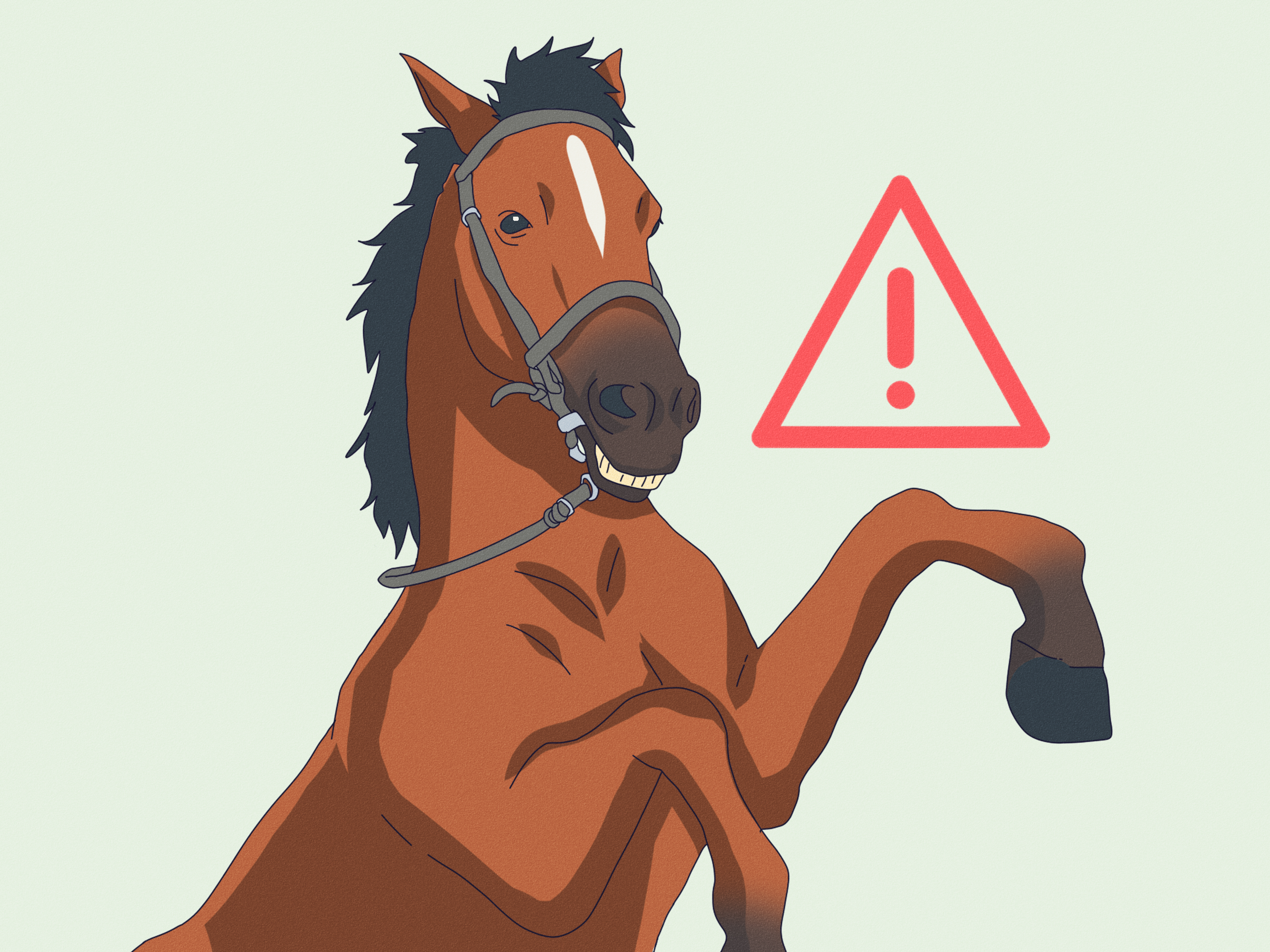
A horse can go from “pleasant pasture ornament” to “1,000-pound kite with hooves” in about three seconds. One rustling tarp, one barking dog, one mysterious mailbox monster, and suddenly your calm trail ride or grooming session turns into a live-action physics lesson. The good news? Most tense horses are not being “bad.” They are being horses: sensitive, observant prey animals with a built-in alarm system that works a little too well sometimes.
Learning how to calm your horse down quickly is really about interrupting fear before it becomes panic. You are not trying to hypnotize your horse, win an argument, or prove that the plastic bag is not secretly a dragon. You are trying to help your horse feel safe enough to think again. When a horse can think, he can listen. When he can listen, you can guide him. When he cannot think, your job is not trainingit is safety management.
Below are four practical, horse-friendly ways to calm a nervous horse fast, whether you are dealing with horse spooking, barn anxiety, trailer nerves, buddy sour behavior, or a horse that has suddenly decided the arena corner contains ghosts with dental equipment.
Why Horses Get Worked Up So Quickly
Before we get into the four calming methods, it helps to understand what is happening inside your horse’s head. Horses are prey animals. Their first survival strategy is usually to move away from danger now and ask philosophical questions later. That is why a horse may jump sideways at a shadow, snort at a new mounting block, or tense up when a noisy truck passes.
A nervous horse may show stress through raised head posture, wide eyes, quick breathing, tight muscles, a clamped or swishing tail, dancing feet, calling, rushing, or refusing to stand still. Some horses freeze; others whirl, bolt, rear, paw, or push into the handler. None of these behaviors should be ignored. They are information. Your horse is saying, “My brain has left the barn. Please leave a message.”
The best way to calm a horse quickly is to lower the pressure, increase predictability, and give the horse a simple job he already understands. The worst way is to punish fear, yank harder, shout, or trap the horse in a situation where he feels he has no escape. That usually makes the horse more reactive, not less.
1. Calm Yourself First: Your Horse Is Reading You Like a Menu
If you want to calm your horse down quickly, start with the only animal in the situation you can control immediately: you. Horses are experts at reading posture, tension, speed, breathing, and intention. If you stomp toward your horse with tight shoulders, sharp hands, and the emotional energy of a raccoon in a trash can, your horse will not think, “Ah, leadership.” He will think, “The human is also worried. Excellent. We panic together.”
Use a Low-Energy Body
Soften your shoulders. Bend your elbows. Slow your steps. Keep your voice low and steady. Avoid staring hard into your horse’s eyes, especially if he is already frightened. Direct eye contact and square body posture can feel predatory to some nervous horses. Instead, angle your body slightly, breathe out, and move with quiet purpose.
A simple technique is the “long exhale reset.” Inhale through your nose, then exhale slowly as if you are cooling soup. Do this several times. It sounds almost too simple, but it changes your body tension, and your horse can feel that change through the lead rope, reins, or even your presence.
Keep Your Hands Soft but Organized
Soft does not mean sloppy. If you are holding a lead rope, keep a safe amount of space, avoid wrapping the rope around your hand, and stay near the horse’s shoulder rather than directly in front of or behind him. If you are riding, keep your hands steady and avoid pulling both reins backward in a panic. Constant pulling can make a worried horse feel trapped, and trapped horses often become more explosive.
Think of your hands as guardrails, not handcuffs. You want to guide the horse’s energy, not start a tug-of-war. Spoiler alert: the horse wins tug-of-war.
Quick Example
Your horse sees a flapping tarp near the arena and raises his head, snorts, and jiggles sideways. Instead of marching him straight toward it, stop your own body first. Breathe out. Turn your shoulders slightly away from the tarp. Speak calmly. Ask for one easy thing your horse knows, such as lowering his head, stepping his hindquarters over, or standing quietly for three seconds. Reward the smallest try. You are showing him that the situation has not become a five-alarm barn fire.
2. Create Space and Reduce the Scary Stimulus
When a horse is frightened, distance is medicine. One of the fastest ways to calm a spooky horse is to move him away from the trigger until he can breathe, blink, chew, lower his neck, or stand with less tension. This does not mean letting the horse drag you back to the barn. It means choosing a safer distance where the horse can regain his brain.
Many handlers accidentally push too close too soon. They think, “He needs to get over it.” The horse thinks, “I need to survive this immediately.” That disagreement is where bolting, rearing, spinning, and handler injuries can happen.
Find the Thinking Zone
The thinking zone is the distance from the scary thing where your horse notices it but is still able to respond to simple cues. If he cannot hear you, cannot stand still, cannot take a breath, or is trying to leave the planet, you are too close. Back up. Circle away. Turn so he can see the object without being forced directly toward it.
For example, if your horse is afraid of a trash can by the trail, do not drag him nose-first to the trash can like you are introducing two awkward relatives at Thanksgiving. Move to a distance where he can look at it without melting. Let him observe. Ask for a small response. Then retreat before he explodes. Retreat is not failure; it is proof that listening to you makes pressure decrease.
Lower the Volume of the Environment
Sometimes the trigger is not one object. It is the whole environment: loud music at a show, horses galloping nearby, wind rattling the barn, a farrier visit, a trailer loading session, or a busy lesson ring. To calm your horse down quickly, remove unnecessary stimulation when you can.
Close a banging gate. Ask people to lower their voices. Move away from loose dogs, tractors, umbrellas, or flapping jackets. If you are in a crowded area, step to a quieter corner. If you are grooming, pause the clippers, hose, spray bottle, or hoof handling until your horse softens. You are not spoiling the horse. You are creating conditions where learning can happen.
Safety Comes First
If your horse is rearing, striking, bolting, kicking, or pulling away, do not try to prove your bravery. Bravery is lovely; emergency rooms are expensive. Get help from a qualified trainer, experienced horse handler, or veterinarian. If this behavior is new, sudden, or out of character, consider pain, poor saddle fit, dental discomfort, ulcers, lameness, vision problems, or other medical causes. A “training problem” can sometimes be a “my body hurts” problem wearing a fake mustache.
3. Give Your Horse a Simple Job
A tense horse often needs direction. Not pressure piled on top of pressure, but a familiar task that channels nervous energy into something organized. This is where groundwork for anxious horses is incredibly useful. The goal is not to tire the horse into submission. The goal is to give the horse’s brain a clear, easy pattern: listen, move, pause, breathe, repeat.
Use Easy Groundwork Exercises
Good quick-calming exercises include asking the horse to:
- Walk small circles around you at a safe distance.
- Yield the hindquarters one step at a time.
- Back up two or three soft steps.
- Lower the head from gentle pressure.
- Walk forward, halt, and stand quietly.
- Step the shoulders over slowly.
These tasks work best when the horse already knows them. A panic moment is not the ideal time to introduce a brand-new advanced maneuver called “Interpretive Sidepass of Emotional Healing.” Keep it simple.
Move the Feet, Then Reward Stillness
Some horses calm down when they are allowed to move in a structured way. A horse that is dancing in place may not be ready to stand like a statue. Instead of fighting the movement, shape it. Ask for a few controlled steps, then offer a halt. When he stands, even briefly, reward him by softening the rope, relaxing your body, or giving a quiet scratch in a favorite spot.
The release matters. Horses learn from the timing of relief. If your horse gives you two calm seconds and you immediately ask for twelve more difficult things, he may decide calmness is a terrible career choice. Let the quiet moment mean something.
Under Saddle: Redirect Without Overloading
If you are riding and your horse becomes tense, use bending lines, circles, transitions, and changes of direction to bring his focus back. Avoid hanging on both reins. Instead, ask for one clear response at a time. A small circle, a walk-halt transition, or a change of bend can help the horse reconnect to your aids.
If you do not feel safe, dismount in a safe area if you can do so calmly. There is no shame in getting off. There is plenty of shame in pretending everything is fine while your horse is auditioning for a rodeo you did not enter.
4. Use Familiar Comfort Cues and Predictable Patterns
Horses calm faster when they recognize the script. Predictability is powerful. If your horse has practiced calm routines at home, you can use those routines when stress rises. This might be a verbal cue, a head-lowering exercise, a favorite scratching spot, a breathing pause, or a simple “walk, halt, breathe” pattern.
Build a Calm Cue Before You Need It
A calm cue is not magic. It is a cue that has been paired with relaxation many times in low-stress settings. For example, at home you might teach your horse that a light downward feel on the lead rope means “lower your head.” When he lowers his head, you release pressure and let him rest. Over time, head lowering can help shift the horse from high alert toward relaxation.
You can also pair a quiet word like “easy” with calm moments. Say it when the horse is already relaxed, not only when he is worried. Otherwise, the word “easy” just becomes barn language for “Brace yourself, weird stuff is happening.”
Use the Power of Routine
Many horses settle when they know what comes next. At a show, use the same warm-up sequence you use at home. Before trailering, practice a consistent loading routine. Before clipping, groom in the same quiet place and let the horse investigate the clippers before turning them on. Before a farrier appointment, practice lifting feet calmly for short periods rather than waiting until appointment day to discover your horse has joined a hoof-protection union.
Reward Curiosity, Not Panic
If your horse looks at a scary object, sniffs it, licks and chews, lowers his head, or takes one relaxed step, reward that effort. Curiosity is the bridge between fear and confidence. Do not rush across the bridge wearing tap shoes.
Food rewards can help some horses, but use them carefully. Treats should reinforce calm behavior, not mugging, pushing, or frantic grabbing. A scratch, rest break, soft voice, or release of pressure may be better for horses that get grabby around snacks.
What Not to Do When Your Horse Is Nervous
Knowing what not to do is just as important as knowing the best ways to calm a horse down quickly. Avoid punishing a horse for being afraid. Fear is not disrespect. It is a nervous-system response. A horse that is punished near a scary object may learn that the object plus the handler equals trouble, which makes the problem worse.
Do not trap your horse in a corner, tie him tightly when he is panicking, chase him forward blindly, or force him to stand next to something while he is trembling. Do not ignore escalating signs like tail clamping, trembling, repeated spinning, rushing, pinned ears, striking, or explosive backing. These are not “quirks.” They are warning lights.
Also, do not rely on quick fixes alone. Calming a horse in the moment is useful, but long-term confidence comes from patient desensitization, consistent handling, correct equipment, turnout, companionship, appropriate nutrition, and regular veterinary care. A horse that is constantly anxious may need a full management review, not just a pep talk and a peppermint.
When to Call a Veterinarian or Professional Trainer
Call your veterinarian if your horse’s anxiety appears suddenly, worsens quickly, happens during saddling or riding, or comes with weight loss, poor appetite, lameness, back soreness, girthiness, head tossing, teeth grinding, unusual sweating, or changes in manure. Physical discomfort can make even a kind horse reactive.
Call a qualified trainer if the horse’s behavior is dangerous, if you feel afraid handling him, or if the horse has learned to bolt, rear, strike, kick, or drag people. Good trainers do not just “show the horse who is boss.” They teach safer communication, better timing, and confidence-building skills for both horse and human.
A Quick Calm-Down Plan You Can Use Today
When your horse gets nervous, try this simple sequence:
- Pause and breathe. Relax your shoulders and slow your body.
- Create space. Move away from the trigger until your horse can respond.
- Ask for one easy task. Choose a familiar cue like walk, halt, back, bend, or lower the head.
- Reward the smallest try. Release pressure, let him rest, and repeat quietly.
This plan works because it respects how horses think. It does not demand instant bravery. It helps the horse move from reaction back to attention. That is the real secret behind calming a horse quickly: you are not removing every scary thing from the world. You are becoming the calm place your horse can return to when the world gets loud.
Experience-Based Tips: What Real Horse Moments Teach Us
Anyone who has spent enough time around horses eventually collects a few “well, that was educational” moments. The spooky corner that was harmless yesterday becomes haunted today. The horse that marched past tractors last week is suddenly suspicious of a flowerpot. A quiet gelding at home may discover his inner opera singer the moment his pasture buddy leaves the arena. These experiences are frustrating, but they are also useful teachers.
One of the biggest lessons is that speed mattersbut not in the way people think. Calming a horse quickly does not mean rushing the process. It means responding early. If you notice the first signs of tension, such as the head rising, ears locking on something, faster steps, or the horse holding his breath, you can step in before the behavior grows. Waiting until the horse is already spinning or bolting makes everything harder.
Another common lesson is that the handler’s ego can be the loudest thing in the arena. Many riders feel embarrassed when their horse spooks. People are watching. Someone’s pony is behaving perfectly. A child on a saintly lesson horse is trotting by while your expensive athlete is snorting at a cone. In that moment, it is tempting to get big, stern, and dramatic. Usually, that only adds pressure. The better choice is boring confidence: breathe, circle, soften, repeat. Boring is beautiful when working with nervous horses.
Trail riding offers especially clear examples. Suppose a horse stops at a creek crossing. The rider kicks, pulls, and argues. The horse backs up, tosses his head, and gets more worried. A calmer approach is to step back from the creek, let the horse look, then ask for a small task away from the water: a circle, a halt, a flexion, a few forward steps. When the horse relaxes, approach again. Maybe he only takes two steps closer. Good. Reward that. Two calm steps are better than twenty explosive ones.
At horse shows, the experience is similar. A horse that warms up nicely at home may become tense in a crowded schooling ring. The fastest solution is often not more drilling. It is a familiar pattern. Walk a lap. Halt. Breathe. Trot a circle. Walk again. Let the horse find a rhythm. Horses often settle when the rider stops reacting to every little jump and starts riding a simple plan.
In the barn, grooming and farrier work teach patience. A horse that dislikes having his feet handled may not become calm because someone holds the leg longer. He may calm down because the handler asks for a short lift, releases before panic, and repeats until the horse learns that cooperation brings comfort. Tiny wins build trust. Trust builds quiet behavior. Quiet behavior makes everyone safer, including the farrier, who would probably prefer not to perform hoof care while dodging interpretive dance.
The most experienced horse people tend to have one thing in common: they do less, but they do it sooner and better. They notice small changes. They use space wisely. They reward softness. They do not turn every nervous moment into a battlefield. That is why their horses often look “naturally calm.” In reality, calmness has been practiced, reinforced, and protected over time.
So the next time your horse gets tense, remember that the goal is not to defeat the spook. The goal is to guide your horse back to thinking. Calm yourself, create space, give him a familiar job, and return to predictable patterns. Do that consistently, and your horse will begin to believe that when life gets weird, you are not another source of chaos. You are the quiet voice saying, “We’ve got this.”
Conclusion
Calming a horse down quickly is part skill, part timing, and part emotional self-control. The four best tools are simple: calm your own body, reduce the scary stimulus, give your horse an easy job, and use familiar comfort cues. These methods work because they match the way horses process fear. They do not rely on force, punishment, or wishful thinking. They help your horse feel safe enough to reconnect with you.
Every nervous horse is different, and some situations require professional help. But whether you are handling a spooky horse on the ground, riding through a tense moment, or preparing for a stressful event, the same principle applies: safety first, pressure low, communication clear. A calm horse starts with a calm human. Conveniently, that human is you.
Note: This article is for general educational use and is based on established equine behavior, veterinary, extension, and horsemanship guidance. If your horse shows dangerous behavior or sudden anxiety, consult a veterinarian and a qualified equine professional.