Note: This publication-ready article is written in standard American English, based on real watch-care guidance, and contains no source-link artifacts.
An automatic watch is one of those tiny machines that makes you feel slightly more sophisticated just by existing near it. No battery, no charging cable, no frantic search for a wall outlet before dinner. Instead, it runs on old-school mechanical charm: a wound mainspring, a moving rotor, and the natural motion of your wrist. In other words, your watch is powered by youspecifically by your daily routine, your coffee run, your enthusiastic hand gestures, and possibly your dramatic pointing during meetings.
But even a self-winding watch sometimes needs a little help. If it has been sitting in a drawer, resting in a watch box, or quietly judging you from the nightstand, it may stop. That does not mean it is broken. It simply means the power reserve has run down. The good news is that learning how to wind an automatic watch is simple once you understand the three main methods: winding it by the crown, wearing it regularly, and using a watch winder.
This guide explains the three best ways to wind an automatic watch, how each method works, what mistakes to avoid, and how to treat your timepiece like a precision instrument rather than a fidget toy with hands.
What Is an Automatic Watch?
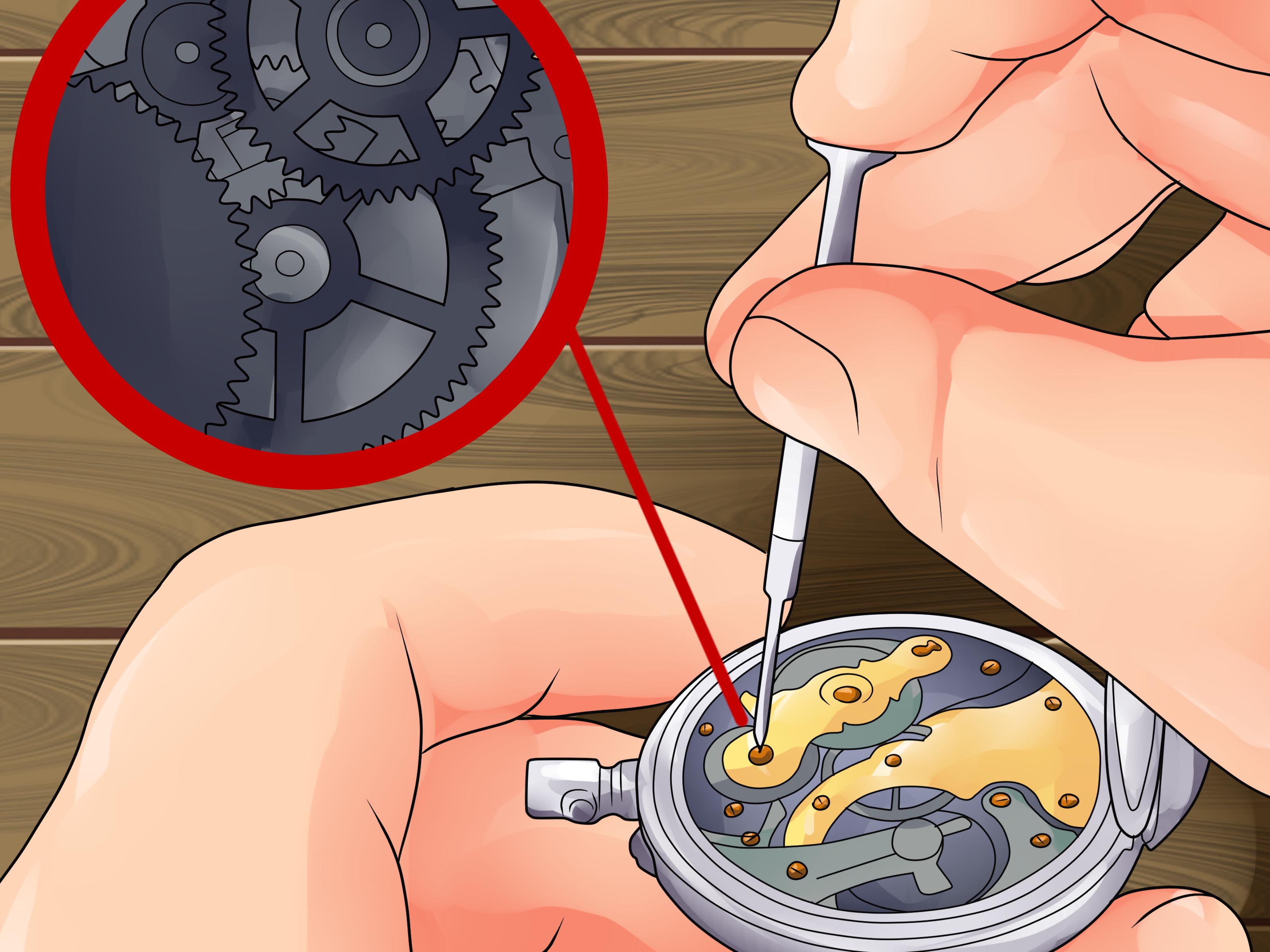
An automatic watch, also called a self-winding watch, is a mechanical watch that winds itself through motion. Inside the case is a small semicircular weight known as a rotor. As your wrist moves, the rotor swings. That movement transfers energy through a gear train and winds the mainspring, which stores power and slowly releases it to keep the watch running.
Unlike a quartz watch, an automatic watch does not need a battery to keep time. Unlike a purely manual-wind watch, it does not require daily crown winding if it is worn often enough. That “if” is important. Automatic watches are clever, but they are not magical. If you barely move during the day, work at a desk for long hours, or rotate between several watches, your automatic timepiece may not receive enough motion to stay fully wound.
Most automatic watches have a power reserve, which is the amount of time the watch can run after being fully wound. Many modern automatic movements offer roughly 40 to 80 hours of reserve, while some luxury or specialized calibers offer more. When that stored energy runs out, the second hand stops, the time freezes, and your watch becomes a very stylish bracelet until you wind it again.
Why Winding an Automatic Watch Correctly Matters
Winding is not just about making the hands move. Proper winding helps the movement operate with steadier energy, which can support better accuracy. A mechanical watch tends to perform best when the mainspring is not nearly empty. Think of it like driving a car with enough gas in the tank; technically, you can run close to empty, but nobody enjoys the suspense.
Correct winding also protects the crown, stem, seals, and movement. The crown is a small part, but it is the main doorway into the watch. Rough handling, unnecessary pulling, cross-threading a screw-down crown, or winding underwater can lead to problems. A watch may look tough enough to survive a submarine chase, but the crown still appreciates manners.
Before winding any automatic watch, remember one golden rule: check the manual for your specific model. Most automatic watches wind clockwise through the crown, but exceptions exist. Some movements have unique winding directions, special power-reserve indicators, or brand-specific recommendations. When in doubt, the manual wins. The internet may be loud, but the manual knows where the tiny gears live.
Way 1: Wind an Automatic Watch by Turning the Crown
The most direct way to wind an automatic watch is by using the crown. This is the small knob usually located at the 3 o’clock position on the side of the case. On many watches, the crown controls winding, date setting, and time setting depending on how far it is pulled out.
When to Use Crown Winding
Use crown winding when your automatic watch has stopped, when it is running low on power, or when you want to give it a full start before wearing it. This method is especially useful after the watch has been off your wrist for a few days.
Crown winding is also helpful if your daily activity is limited. If you spend most of your day typing, reading, driving, or holding a coffee like it contains the secrets of the universe, your wrist may not move enough to keep the rotor active. A few turns of the crown can make the difference between reliable timekeeping and a watch that politely gives up before lunch.
How to Wind by the Crown
First, remove the watch from your wrist. This reduces sideways pressure on the crown and stem. Winding a watch while wearing it can bend the crown at an awkward angle, especially if the crown is small or the case sits tightly against your hand.
Next, check whether your watch has a screw-down crown. Many dive watches and sports watches do. If it does, gently turn the crown counterclockwise until it unscrews and pops into its winding position. Do not pull it out unless you are setting the date or time. For winding, the crown usually stays fully pushed in, also called position one.
Now turn the crown slowly and smoothly, usually clockwise. You should feel a soft mechanical texture, almost like winding a tiny, expensive pepper grinder that tells time. For many automatic watches, 20 to 40 turns are enough to start the movement, while some models may require more to reach a fuller wind. Certain manufacturer instructions recommend 40, 50, or even more turns depending on the movement and power reserve.
If the watch has a screw-down crown, press it gently back toward the case and turn it clockwise to secure it after winding. This step matters because a properly closed crown helps maintain water resistance. Forgetting to screw the crown back in is like leaving the front door open during a rainstorm and then blaming the carpet.
Can You Overwind an Automatic Watch?
Most modern automatic watches are designed with a slipping mechanism that helps prevent overwinding. When the mainspring reaches full tension, the system allows the spring to slip rather than continue tightening until something breaks. That is reassuring, but it is not a license to wind like you are starting a lawn mower from 1987.
Use moderate pressure. Stop if something feels gritty, jammed, unusually tight, or wrong. A healthy crown should turn smoothly. If it resists sharply or makes unpleasant noises, do not force it. Your watch may need service, and forcing the crown can turn a small issue into an expensive story.
Crown Winding Mistakes to Avoid
Do not shake the watch violently to start it. A gentle side-to-side motion may get some stopped movements ticking, but aggressive shaking is unnecessary and potentially harmful. Your automatic watch is a precision machine, not a salad dressing bottle.
Do not wind or operate the crown underwater. Even on water-resistant watches, crown operation should happen when the watch is dry unless the manufacturer specifically says otherwise. Also avoid adjusting the date during the common mechanical “danger zone,” often considered late evening to early morning, when the date-change mechanism may already be engaged. A safe habit is to move the hands to around 6:30 before using the quickset date, then set the final time afterward.
Way 2: Wind an Automatic Watch by Wearing It
The most natural way to wind an automatic watch is to wear it. This is the whole point of the automatic movement. As you go about your day, the rotor moves with your wrist, winding the mainspring little by little. It is elegant, efficient, and slightly flattering: your watch wants to spend time with you.
How Wearing Winds the Watch
When you walk, reach for a door handle, type, cook, drive, or gesture during a conversation, your wrist changes position. Those movements cause the rotor inside the watch to rotate. The rotor transfers energy to the mainspring, keeping the watch powered as long as it receives enough movement.
Many people assume that simply putting on an automatic watch for a few minutes will fully wind it. Not quite. Wearing can maintain power very well, but it may not quickly build a full power reserve from zero. If your watch has stopped completely, it is usually smart to give it a manual crown wind first, set the time, and then wear it. That gives the movement a solid foundation instead of asking your wrist to do all the heavy lifting before breakfast.
How Long Should You Wear It?
There is no universal number because movements, rotor efficiency, and personal activity levels differ. Someone who walks around a showroom all day may keep a watch wound easily. Someone who sits at a computer for nine hours and moves only to refill coffee may not. In general, wearing an automatic watch for a full active day is usually enough to keep it running, but “active” is the important word.
If your watch stops overnight even after being worn, it may not be getting enough wrist motion. Try manually winding it before wearing it, then observe how long it runs when removed. If it still stops too soon, the issue may be low activity, insufficient winding, magnetism, old lubricants, or a movement that needs service.
Best Wearing Habits for Automatic Watches
Wear the watch snugly enough that it follows your wrist movement, but not so tightly that it becomes a tiny metal handcuff. A very loose bracelet may slide around dramatically without giving the rotor consistent motion. A comfortable fit helps the watch wind naturally and also prevents unnecessary knocks against desks, door frames, and other enemies of polished cases.
Rotate your watches thoughtfully. If you own several automatic watches, each one may sit unused long enough to stop. That is normal. You do not need to panic every time a watch runs down. Just wind it, set it, and enjoy it. Mechanical watches are meant to be used, paused, restarted, and worn again.
Way 3: Wind an Automatic Watch with a Watch Winder
A watch winder is a powered device that rotates an automatic watch while it is not being worn. It mimics wrist movement, keeping the rotor active and the mainspring wound. For collectors, frequent travelers, or anyone with a complicated watch, a winder can be very convenient.
When a Watch Winder Makes Sense
A watch winder is most useful if you own multiple automatic watches and do not wear the same one every day. It is also helpful for watches with complications that are annoying to reset, such as moon phase displays, annual calendars, perpetual calendars, or GMT functions. Resetting a simple three-hand watch takes a minute. Resetting a perpetual calendar can feel like negotiating a treaty with the moon.
A winder can also be useful if you want your watch ready to wear at any moment. Instead of winding, setting, and adjusting the date each time, you can pick it up and go. For busy mornings, that convenience is real.
How to Choose the Right Watch Winder Settings
The two key settings are turns per day, often abbreviated TPD, and rotation direction. TPD refers to how many rotations the winder makes in a day. Many automatic watches operate well around the 600 to 800 TPD range, but this varies by movement. Some need fewer turns, some need more, and some wind in only one direction.
Rotation direction matters because not all automatic movements wind the same way. Some wind clockwise, some counterclockwise, and many wind bidirectionally. A quality watch winder should let you choose clockwise, counterclockwise, or alternating rotation. It should also rotate intermittently with rest periods rather than spinning nonstop like a carnival ride for your watch.
Always look up the recommended TPD and direction for your specific watch or movement. Many winder brands provide databases, and many watch manufacturers list movement information in manuals or service guides. If you cannot find exact settings, start conservatively rather than choosing the highest available TPD. More spinning is not automatically better.
Can a Watch Winder Damage a Watch?
A properly set winder is generally safe for a modern automatic watch. Problems usually come from poor settings, constant rotation, cheap cushions that do not hold the watch securely, or using a winder when the watch does not need one. An automatic watch is designed to run, but unnecessary wear is still unnecessary wear.
If you wear one automatic watch every day, you probably do not need a winder. Your wrist already has the job, and it works for free. If you own several watches or a complex calendar watch, a winder becomes more practical. The goal is convenience, not mechanical babysitting.
How to Know If Your Automatic Watch Is Fully Wound
Some automatic watches have a power reserve indicator on the dial or caseback. This feature shows how much stored energy remains, usually in hours or a scale from low to full. If your watch has one, use it. It is the movement’s polite way of saying, “I’m fine,” or “Please feed me.”
If your watch does not have a power reserve indicator, you can estimate by following the manufacturer’s winding recommendation and observing performance. After a full wind, place the watch dial-up in a safe spot and see how long it runs before stopping. If the model is rated for 80 hours and stops after 20, something may be wrong. If it runs close to the expected reserve, the watch is likely healthy.
Simple Troubleshooting: Why Your Automatic Watch Stops
If your automatic watch keeps stopping, the first suspect is low power. Wind it manually, wear it for a full day, and test again. If it still stops, consider your activity level. Desk work may not generate enough rotor movement, especially for people who wear the watch on their non-dominant wrist and barely move that arm.
Another possible issue is magnetism. Everyday items such as phone cases, speakers, magnetic clasps, and electronics can affect some mechanical watches. Magnetized watches often run unusually fast, but symptoms vary. A watchmaker can test and demagnetize a watch quickly.
Old lubricants can also cause problems. Mechanical watches need periodic service because oils dry out and parts wear over time. If the watch is vintage, has not been serviced in years, or behaves inconsistently despite proper winding, professional inspection is the smart move.
Which Winding Method Is Best?
The best method depends on your habits. For a stopped watch, crown winding is the best first step. For daily use, wearing the watch is the most natural method. For collectors or complicated watches, a watch winder can save time and keep everything ready.
A practical routine looks like this: if the watch has stopped, wind it by the crown about 20 to 40 smooth turns or according to the manual. Set the time and date carefully. Wear it through the day. If you will not wear it for several days and want it ready later, place it on a properly adjusted winder. That is the entire strategy. No drama, no shaking, no tiny screwdriver rituals under a full moon.
Real-World Experiences: What Owning an Automatic Watch Teaches You
The first experience many people have with an automatic watch is confusion. They buy a beautiful mechanical piece, wear it proudly, set it on the nightstand, and discover two days later that it has stopped. For someone used to quartz watches, this feels like betrayal. “I paid more money and now I have to wind it?” Yes. Welcome to mechanical watch ownership, where inconvenience is somehow part of the romance.
After a few weeks, however, winding becomes less of a chore and more of a ritual. Turning the crown in the morning feels intentional. It creates a small moment of connection with the object. You are not just checking the time; you are participating in the machine. There is something satisfying about knowing that the movement inside the case is alive because you gave it energy. A phone can tell time more accurately, but a phone does not give you that tiny click-and-whir sense of mechanical companionship.
One common lesson is that “automatic” does not mean “maintenance-free.” If you work at a computer all day, your automatic watch may still need manual winding. Many owners learn this after noticing the watch runs fine during busy weekends but stops during quiet workweeks. The watch is not being stubborn. It is simply not getting enough movement. Your wrist has become a remote office employee, and the rotor has noticed.
Another experience involves the screw-down crown. New owners sometimes forget to tighten it after winding. The watch may still run perfectly, but water resistance can be compromised. After you have owned watches for a while, checking the crown becomes automatic. Before washing your hands, heading into rain, or going near water, you glance at the crown. It becomes the horological version of checking whether you locked the front door.
Collectors often learn the value of a watch winder only after owning a watch with a complicated calendar. A simple automatic watch can be reset quickly. But a moon phase, annual calendar, or multi-time-zone watch can make you feel like you are programming a small mechanical planetarium. In those cases, a winder is not just a luxury display box. It is a peace treaty between you and your future self.
There is also a personality shift that happens with automatic watches. You become more aware of time as something physical. A second hand sweeping around the dial feels different from digits changing on a screen. You notice accuracy, power reserve, crown feel, bracelet fit, and the quiet charm of a well-regulated movement. You may also start using phrases like “mainspring tension” in normal conversation, which will either impress your friends or reduce the number of invitations you receive. Results vary.
The best experience comes from using the watch rather than worrying about it. Automatic watches are built to be worn. They can handle ordinary life, daily motion, and regular winding. Treat the crown gently, keep the watch serviced, avoid magnets and moisture mistakes, and do not panic when it stops after sitting unused. A stopped automatic watch is not a failure. It is just waiting for you to bring it back to life.
Conclusion
Learning how to wind an automatic watch is simple once you understand the three main methods. Wind it manually with the crown when it has stopped or needs a boost. Wear it regularly so your natural wrist movement keeps the rotor active. Use a watch winder when convenience, collection size, or complicated settings make it worthwhile.
The most important advice is to be gentle and specific. Gentle with the crown. Gentle with the movement. Specific about your watch model’s instructions. A mechanical watch rewards good habits. It does not need fear, fuss, or superhero-level wrist shaking. It just needs steady power, proper handling, and the occasional appreciative glance.
An automatic watch is more than an accessory. It is a tiny engine, a design object, and a reminder that not everything worth owning needs a charging cable. Wind it well, wear it often, and let the little machine do what it was built to do: keep time with style.